The Pakistan Atomic Energy Commission (PAEC) provides a focal point for the country’s diverse scientific, technological and engineering collaborations with CERN and other leading international accelerator facilities. Zoom in a little further and one of the engine-rooms for that collaborative endeavour is very much front-and-centre: the Pakistan Institute of Nuclear Science & Technology (PINSTECH).
Headquartered in Islamabad, PINSTECH is a premier R&D institute within PAEC and, by extension, one of Pakistan’s leading research centres. The institute’s wide-ranging research programme spans, among other things, isotope production and applications, materials science, radiation protection and health physics, as well as neutron science. That R&D effort is augmented by two operational nuclear research reactors: Pakistan Research Reactor-1 is a 10 MW pool-type reactor which is used to produce radioisotopes for medical applications; Pakistan Research Reactor-2 is a smaller reactor that’s used, chiefly, for neutron activation and teaching/training activities.
Operationally, PINSTECH has facilities for the production of a range of reactor-based radioisotopes – including 99Mo, 99mTc generators, 131I, and 32P – all of which are supplied to nuclear medicine centres across the country on a rolling basis. A key element of this programme is PINSTECH’s production of freeze-dried, radiopharmaceutical in-vivo diagnostic kits for nationwide distribution.
During radioisotope production, target materials are placed into the research reactor for neutron irradiation, after which the irradiated targets are transferred into the “hot cells” of the facility for chemical separation, purification, quality control and dispatch. The Pakistan Nuclear Regulatory Authority and Drug Regulatory Authority of Pakistan regulate the end-to-end production process.
Elsewhere within PINSTECH, and with support from CERN, researchers are developing a 5 MeV electron linac for radiotherapy applications – part of a national effort to scale technical capacity and capability in medical accelerator technologies.
Radioisotope collaboration
Collaboration is hard-wired into PAEC’s operational model and, as such, underpins Pakistan’s radioisotope production programme. PAEC and the International Atomic Energy Agency (IAEA), for example, have been working together in this area for many years and have completed a number of successful technical cooperation projects (with a joint project in the healthcare sector currently under way at the national level).
CERN is another flagship R&D partner, with PINSTECH and the CERN–MEDICIS facility engaged in a cooperative effort focused on the production and study of innovative radioisotopes for medical diagnostics and treatment. Specifically, the two organisations are carrying out R&D activities on the production of novel medical (reactor- and accelerator-produced) radioisotopes such as 195mPt, 165Er, 225Ac, 155Tb, 161Tb, 177Lu – an endeavour, the two partners hope, that will ultimately extend to clinical trials. The bottom line is that Pakistan, which has high cancer mortality and morbidity within its population of 220 million, is keen to take advantage of cutting-edge radioisotope science for the at-scale diagnosis, treatment and management of cancer patients.
CERN and Pakistan: better together
The Islamic Republic of Pakistan became an Associate Member of CERN in 2015, formalising a relationship going back much further. For context, Pakistan and CERN signed a cooperation agreement in 1994, followed by the signing of several protocols. Today, Pakistan’s scientists and engineers contribute to the ALICE, CMS, ATLAS and MEDICIS experiments; that engagement has also included accelerator projects such as CLIC/CTF3 and LINAC4.
On CMS, Pakistan played an important role in the tracker alignment; built and installed 320 resistive plate chambers; and assembled and tested gas electron-multiplier detectors. Other notable contributions have included CMS and ALICE computing, the WLCG and data analysis, as well as operating one of the Tier-2 centres. Currently, Pakistan is contributing to the mechanics and electronics of the HGCAL of the CMS as well as engaging on the tracker upgrade. Teams from Pakistan also built critical parts of the experimental infrastructure, including the feet on which the whole barrel yoke stands; the outermost end-cap disks; and the removable tower supporting the forward hadron calorimeter.
In addition, Pakistan has built various mechanical components for ATLAS and for the LHC and made an important contribution to the LHC consolidation programme in 2013–2014.
Knowledge transfer
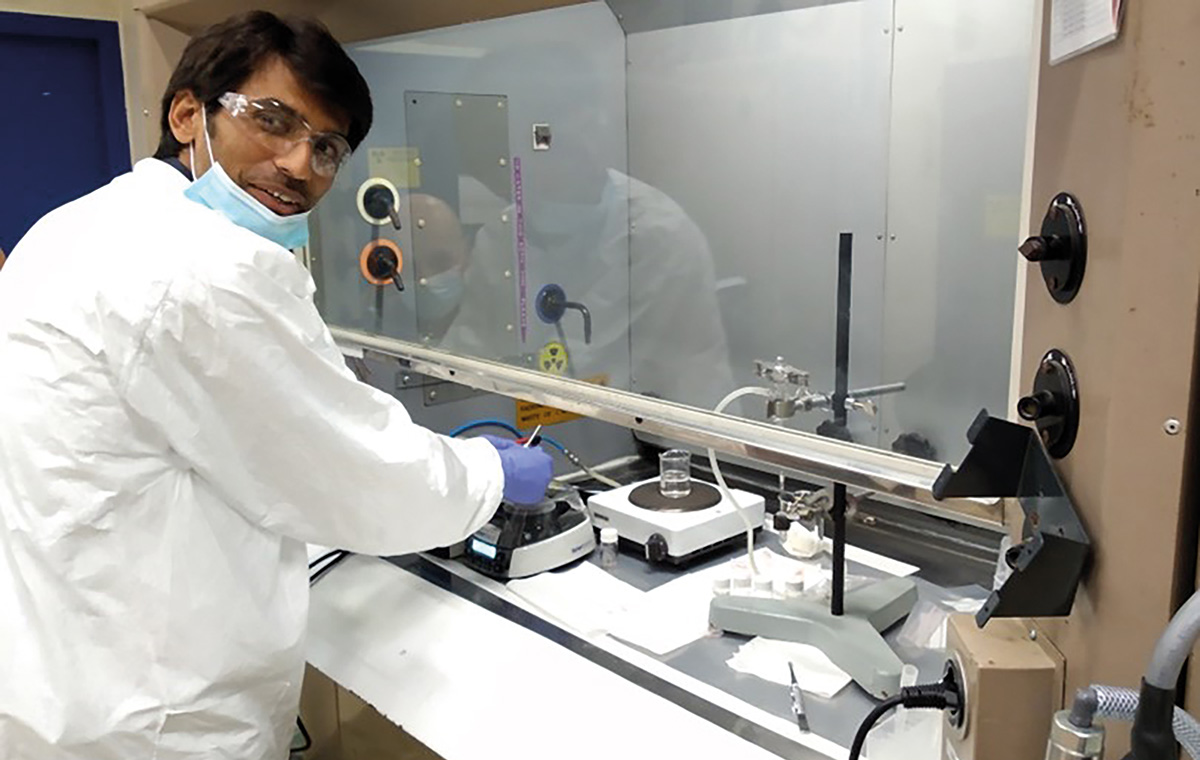
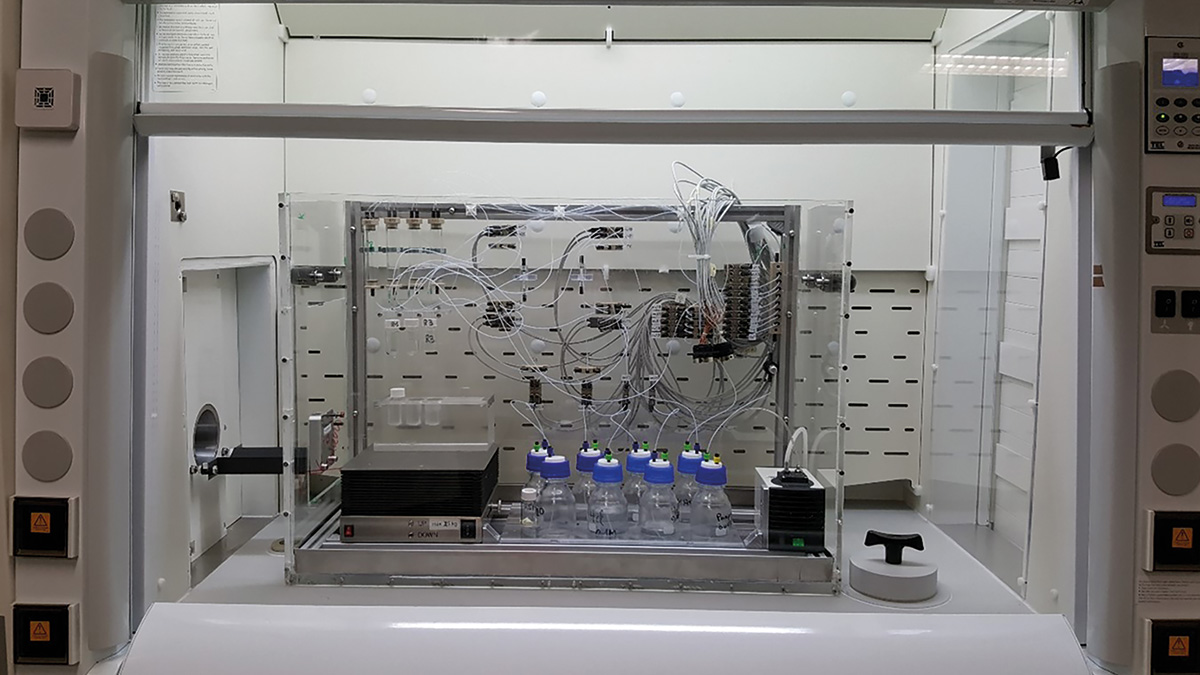
With this in mind, PINSTECH scientists and engineers have been seconded to the CERN–MEDICIS team for the development of radiochemical activities – including a major contribution to the MEDICIS radiochemistry set-up for the purification of medical radioisotopes with both therapeutic and diagnostic properties (so-called “theranostic” combinations). PINSTECH engineers have also been working on the development of salt/aluminium foils for radio-isotope collection; the management of liquid radioactive waste at MEDICIS; a very promising R&D project relating to the production of 195mPt for theranostic applications; and the development of a large-scale radiochemistry unit for handling higher levels of radioactivity.
Fundamental to the PINSTECH-MEDICIS collaboration is the regular exchange of radioisotopes between the two partners. As an example, research quantities of 225Ac were recently shipped from CERN to Pakistan and, after chemical processing at PINSTECH, transferred to the Lahore-based INMOL cancer clinic (another PAEC facility). Here the 225Ac was used in the radiolabelling of a targeted “theranostic module” (with the chemical reaction to produce the radiopharmaceutical taking about 30 mins with a yield greater than 95%).
For Pakistan, opportunity knocks, with the R&D collaboration between PINSTECH and MEDICIS key to the country’s long-term goal of strengthening the technical capability, commercial capacity and production infrastructure to secure a scalable domestic pipeline of novel and high-impact theranostic radioisotopes.
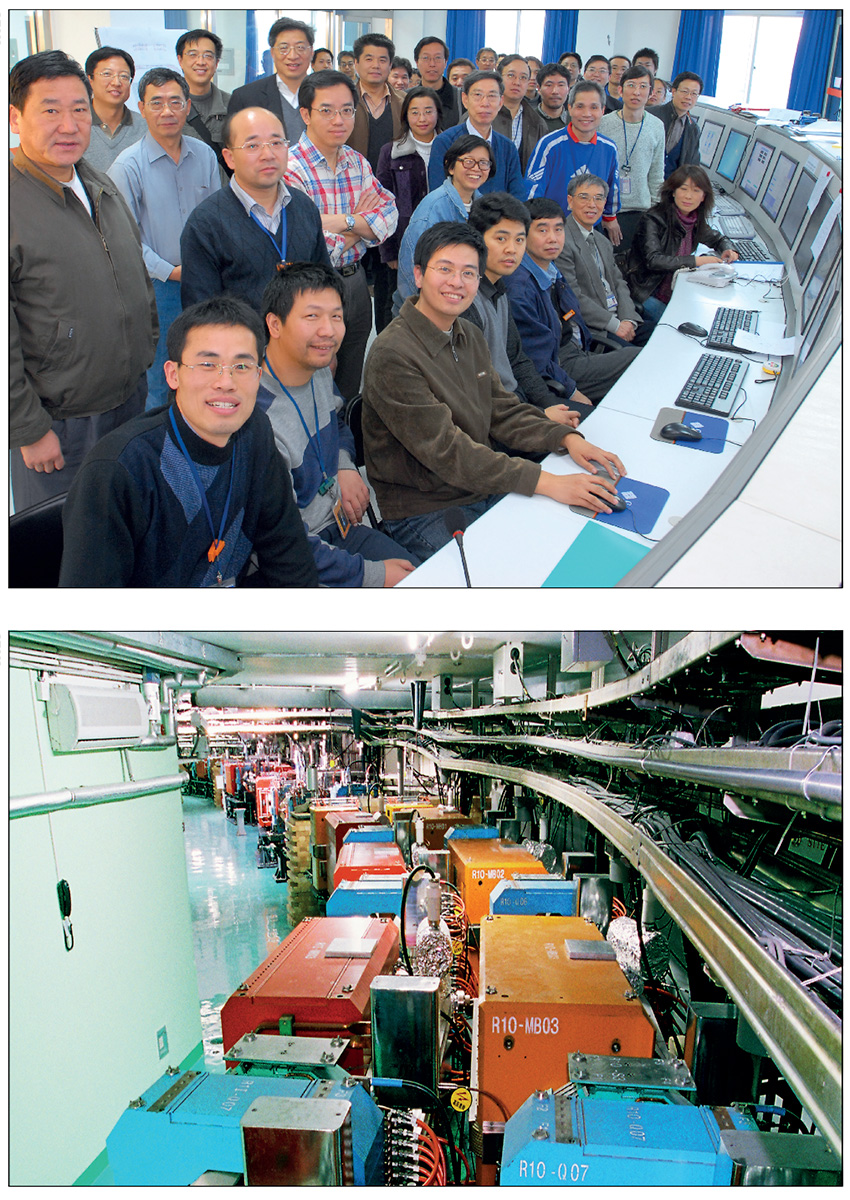
The Institute of High Energy Physics (IHEP), part of the Chinese Academy of Sciences, is in the vanguard of China’s expansive – and rapidly growing – scientific endeavours in elementary particle physics. One of the engine-rooms of that research effort is the IHEP accelerator division, the largest accelerator R&D programme in China, which has a similarly expansive remit covering the planning, design, construction and delivery of large-scale accelerator projects – on time and within budget – as well as the training and development of the next generation of accelerator scientists and engineers.
The origin story of the IHEP accelerator division can be traced back more than half a century. In 1964, Jialin Xie, the pioneer of Chinese accelerator science and technology, built the country’s first linear accelerator (a 30MeV electron linac), laying the ground for the development of future large-scale accelerator facilities in China.
Fast forward to the 1980s and IHEP’s construction of the Beijing Electron–Positron Collider (BEPC) – the foundation of the institute’s own accelerator science programme. Since then, a talented and multidisciplinary accelerator team has grown and developed alongside IHEP’s ambitious research programme in high-energy physics. Today, the IHEP accelerator team is made up of around 370 scientists and engineers, 110 postgraduate students, 26 postdocs and numerous guest scientists working across IHEP’s two campuses in Beijing and Dongguan (an industrial city close to Hong Kong).
Project management: it’s all about delivery
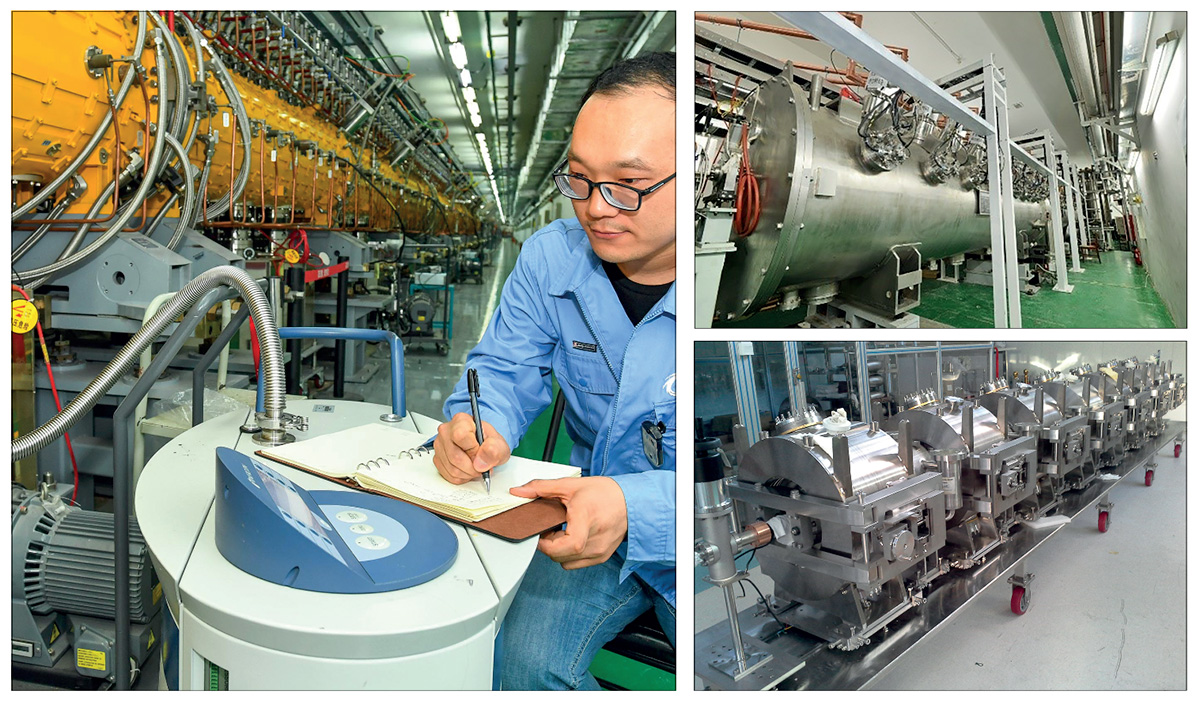
The IHEP accelerator team works on advanced electron and proton accelerators, with deep domain knowledge and capabilities spanning a broad base of enabling technologies, including (but not limited to) precision mechanics; magnets and power supplies; ultrahigh vacuum components and nonevaporable-getter-(NEG)-coated vacuum chambers; cryogenic systems; superconducting magnets and RF cavities; RF power equipment and accelerating structures; as well as autocontrol systems and cutting-edge instrumentation for beam diagnostics and steering.
Furthermore, that collective IHEP know-how – tying together fundamental accelerator science, technology innovation and systems engineering – has scaleddramatically over the past 20 years as the team has overseen the construction and enhancement of several large-scale accelerator initiatives, including: the upgrade of the Beijing Electron–Positron Collider (BEPCII); a high-current proton injector for the Accelerator Driven Sub-critical System (ADS); the China Spallation Neutron Source (CSNS); the High Energy Photon Source (HEPS); as well as formative design work on the proposed 100km Circular Electron–Positron Collider (CEPC). This is big science at scale – a diverse programme of accelerator R&D that required all manner of technology/engineering innovation along the way:
1. BEPCII (2004–2009)
BEPCII was a five-year effort to upgrade the original BEPC with a new injector as well as replacing its single-ring collider with a double-ring architecture. Upon completion of the upgrade, BEPCII entered operation in 2009 with an adjustable beam energy in the range 1.0–2.3 GeV and a beam current of 910 mA. Significant progress was registered in terms of the core enabling technologies for a high-beam-current, high-luminosity electron–positron collider, as well as in the design optimisation, system integration and project management. The luminosity of BEPCII reached the design goal of 1×1033 cm–2.s–1 at a beam energy of 1.89 GeV (100 times higher than that of BEPC). These successful outcomes informed and shaped subsequent IHEP accelerator projects, including the proposal for the future 100 km CEPC (see below).
2. ADS (2010–2017)
ADS is a high-power, high-intensity proton machine that has potential applications in nuclear-waste transmutation as well as thorium-based energy production. Under the auspices of the Chinese Academy of Sciences, IHEP developed the world’s first high-frequency, high-power and continuous-wave (CW) proton injector for ADS – the building blocks consisting of a CW radiofrequency quadrupole (RFQ), a superconducting linac, a beam dump and transport lines. The RFQ operates in 325 MHz CW mode, providing a 3.2 MeV acceleration capability, while the superconducting spoke cavities installed in the 2 K cryomodules have successfully accelerated the 10.6 mA proton beam to an energy of 10.67 MeV. As such, ADS is the first proton linac operating at such a high beam current (and integrated by 14 superconducting spoke cavities with a record-breaking beta value of 0.12).
3. CSNS (2011–2018)
The CSNS is located on IHEP’s Dongguan campus and consists of an accelerator, a target station and several neutron instruments. The accelerator complex itself is made up of an H– ion source (with 20 mA current), a four-vane RFQ linac (at 3 MeV), four drift-tube linac tanks (80 MeV), a rapid circling synchrotron (1.6 GeV/25 Hz) and various beam transfer lines.
CSNS construction was completed in 2018, with the beam power reaching the design value of 100 kW in February 2020. The uncontrolled beam loss rate is less than 1 W/m thanks to IHEP’s custom-designed collimation system and successful mitigation of space-charge effects. Beam availability during 2021/22 operations reached 97.1% (with 5262 hours of effective beam-time on-target).
The CSNS-II upgrade has since been approved, with construction scheduled to start in 2023. CSNS-II is designed to have a beam power of 500 kW – a capability that will be achieved by adding 20 superconducting double-spoke cavities and 24 six-cell ellipsoidal superconducting cavities to increase the linac beam energy to 300 MeV. Peak current intensity will, in turn, be scaled from 15 mA to 50 mA.
4. HEPS (2019–2025)
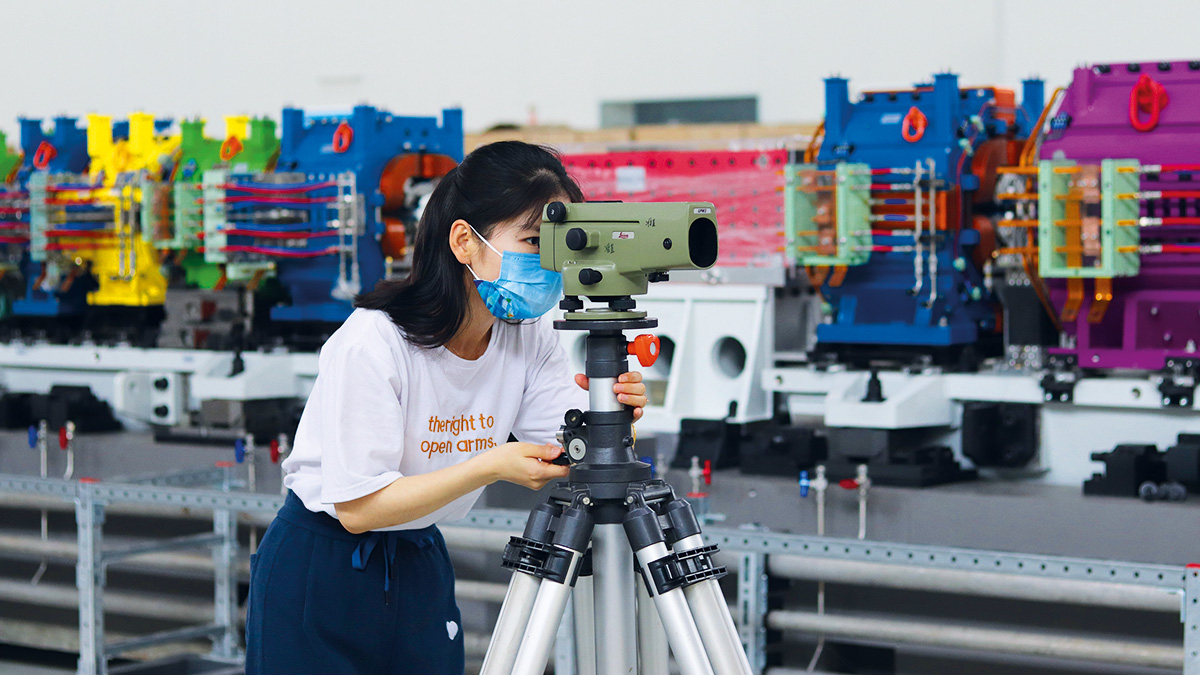
HEPS is a fourth-generation synchrotron radiation facility under construction in Huairou, a district in northern Beijing. HEPS consists of a 6 GeV storage ring with a circumference of about 1.3 km, a full energy booster, a 500 MeV linac, three transfer lines, multi-beamlines and corresponding experimental stations. In terms of performance, HEPS aims to have a beam current of 200 mA and a record-breaking ultralow emittance (better than 0.06 nm-rad), promising spectral brightness up to 1×10²² phs∙s-1∙mm-2∙mrad-2∙(0.1% BW)-1 in the typical hard X-ray regime.
The storage ring consists of 48 hybrid seven-bend acrhomats, with alternating high- and low-beta straight sections to accommodate various types of insertion devices. An innovative and high-energy, accumulation-aided on-axis swap-out scheme is adopted for injection from the booster to the storage ring. In addition, the ultralow-emittance design imposes very-high-precision requirements on all equipment as well as beam diagnostics and controls (with temperature fluctuation in the tunnel also kept within 0.1°C).
Worth adding that HEPS will function as a “green accelerator”, with a 10MW solar power generator (the largest solar power station in Beijing) on the roof of the storage ring serving as a test-case for future machines.
The HEPS ground-breaking ceremony took place in 2019, with the linac and booster installation now nearing completion. Installation of the storage ring will be completed in 2023, with the first synchrotron X-rays expected in 2024.
The CEPC blueprint: theory meets technology
A legacy of successful project delivery and technology innovation on these accelerator initiatives means IHEP physicists are looking ahead to a bright future. Soon after the discovery of the Higgs boson at CERN a decade ago, IHEP scientists unveiled a grand plan to build the CEPC – which will function as a “Higgs factory” – followed by construction of a Super Proton–Proton Collider (SppC) to be housed in the same tunnel. The scope and ambition of these combined facilities would, were they to be realised, unquestionably position IHEP at the cutting-edge of particle physics and accelerator science for decades to come.
At the same time, fleshing out the design, technology and engineering requirements for a next-generation accelerator complex like the CEPC is, by necessity, a collective endeavour, involving a network of collaborations with scientists and engineers at large-scale research facilities around the world. In terms of high-level design specifications, the circumference of the collider is optimised to be 100 km (based on the construction cost, operational performance and upgrade considerations for the SppC). Meanwhile, the lattice of the CEPC collider ring, as well as the interaction region, are specified so as to achieve high luminosities switchable among various energies corresponding to the Z, W and the Higgs bosons. A number of thorny challenges have already been overcome during the design phase, including beam–beam effects, strong collective instabilities, and radiation background and dose shielding.
As with all big science initiatives, innovation and cost reduction are ever-present priorities. With this in mind, a number of new technologies are under study – for example, an electron-beam-driven plasma acceleration scheme for the linac injector, as well as the iron-based superconducting coils for the SppC. IHEP is also devoting its efforts to designing the CEPC as a dual-use machine – i.e. a Higgs factory on the one hand, as well as a high-flux, high-energy gamma-ray (up to 100 MeV) synchrotron light source with a multidisciplinary research programme of its own.
CEPC is, by necessity, a collective endeavour, involving a network of collaborations with scientists and engineers at large-scale research facilities around the world
Over the past decade, IHEP and its collaborators have been working on an extensive programme of technology R&D projects as part of the validation and iteration for the CEPC and SppC design studies. Significant progress can be seen along a number of coordinates, including: electropolishing and mid-temperature processing to yield state-of-the-art performance in the 1.3 GHz nine-cell and 650MHz single-cell superconducting RF cavities; all design specifications met in prototypes of unprecedented low-field dipole and dual-aperture magnets; and prototype energy-efficient klystrons demonstrated an efficiency of 70.5% (closing in on the ultimate target value of 80%). Equally important in this regard is the fact that around 40% of the CEPC hardware requirement will exploit existing platform technologies that are already established at facilities like HEPS, CSNS and BEPCII.
Collaborate and accelerate
One thing is clear: cross-disciplinary and cross-border collaboration are going to be key to translating the technical vision underpinning the CEPC (and the SppC) into scientific reality. In this regard, IHEP is well placed, having a successful track-record of domestic collaboration with accelerator facilities across the country. IHEP scientists and engineers, for example, helped to build the Shanghai Light Source, and collaborated with the Institute of Modern Physics in Lanzhou to build ADS. Cooperation is underway now with the Shanghai Free Electron Laser Facility (to develop and produce superconducting RF cavities) as well as the Dalian Light Source (to build a complete superconducting accelerator module, including cavities and other components).
It goes without saying that international collaboration is also hard-wired into IHEP’s operational model, with long-term R&D partnerships established in the US (e.g. Brookhaven National Laboratory and SLAC), Europe (CERN and DESY) and Japan (KEK) – and with many of these partners very much to the fore during the construction of BEPC/BEPCII, CSNS, ADS and HEPS. It works both ways, of course, with IHEP recently contributing to CERN’s High Luminosity-LHC upgrade with the provision of 13 units of superconducting corrector magnets.
As for the future CEPC, the technology R&D effort is being led by IHEP with extensive support from domestic research institutes – including Peking University, Tsinghua University and Shanghai Jiao Tong University – and with additional inputs provided by an Institution Board of 32 universities and research centres. Meanwhile, the CEPC international network comprises an International Advisory Committee (IAC), International Accelerator Review Committee (IARC) and the International Detector R&D Review Committee (IDRDC). The global nature of the collaboration is evident in the CEPC Conceptual Design Report – which has some 1143 authors from 221 research institutes (including 144 overseas institutions across 24 countries) – while the CEPC study group has also signed more than 20 memoranda of understanding with research facilities and universities around the world.
Wide-scale engagement is everything just now. As such, the CEPC accelerator team has been a participant in the commissioning of KEK’s SuperKEKB electron–positron
collider in Tsukuba, Japan, and has worked with the Future Circular Collider (FCC) team at CERN on fundamental studies of beam–beam interactions and related aspects of beam physics. There’s also been extensive outreach to industry via the CEPC Industry Promotion Consortium (CIPC). Established in 2017, the CIPC now has more than 70 industrial companies participating within China.
For IHEP’s accelerator division, and its domestic and international partners, a new world of scientific opportunity is rapidly taking shape.
Collaboration, connection and collective conversation proved to be the defining themes for the biannual Asia-Europe-Pacific School of High-Energy Physics (AEPSHEP) – a two-week, residential “intensive” that took place in PyeongChang, South Korea, back in October for an international cohort of 96 postgraduate physics students and junior postdocs. Delayed by two years owing to the COVID-19 pandemic, AEPSHEP 2022 (the fifth instalment of the school) covered the latest advances in elementary particle physics from an experimental and phenomenological perspective, with the focus of the teaching programme, for the most part, on accelerator-based research programmes in Asia and Europe, as well as other related fields such as astroparticle physics and cosmological aspects of high-energy physics.
One thing is certain: AEPSHEP is not for the faint-hearted or the semi-committed. With 15 guest lecturers and six expert facilitators, the 12 days (and 13 nights) of the school are an exercise in total immersion, covering an expansive canvas at the frontiers of high-energy physics. The hot-house academic programme comprised 32 plenary lectures (each at 90 mins); nine afternoon breakout sessions for parallel discussion groups (each at 90 mins); an evening poster session (that lasted until almost midnight); and another evening session for student project presentations. Teaching also continued during the two weekends of the school, including a keynote video lecture by Takaaki Kajita (co-recipient of the 2015 Nobel Prize in Physics for the discovery of neutrino oscillations) and an online Q&A session with Fabiola Gianotti, director-general of CERN.
Learning together, working together
So how was it for you? Four PhD students talk to CERN Courier about the joys of in-person (rather than virtual) learning, networking and collaboration
at AEPSHEP 2022 in South Korea.
Vismaya V S, IIT Hyderabad, India. Home country: India. Area of research: Belle II experiment (Tsukuba, Japan)
“AEPSHEP 2022 proved to be a fantastic learning and development opportunity, allowing me to familiarise myself with the diverse experiments and research being carried out across the field of high-energy physics – and well beyond the immediate area of interest for my PhD studies. We also had the opportunity to interact with leading experts in this area, which in and of itself is motivating. The highlight of each day was the discussion group session, which helped all of us to understand core topics in greater detail and to overcome our public speaking anxieties and uncertainties. We were encouraged to pursue a career in high-energy physics by the coordinators, students and lecturers alike and will carry this knowledge with us for the remainder of our voyage.”
Aashwin Basnet, Ohio State University, US. Home country: Nepal. Area of research: CMS experiment
“AEPSHEP 2022 has been one of the highlights of my PhD experience, primarily because it’s the biggest in-person scientific event that I have attended post-COVID. One of the strongest aspects of the school was the perfect blend of lectures on conventional particle-physics topics – QCD, neutrinos, electroweak theory and the like – along with several higher-level workshops/talks focusing on the current status and future prospects for experiments in high-energy physics. It goes without saying that I learned a lot of new physics – not just from the lecturers and the discussion leaders, but also from my fellow students. I am certain that this will open up new avenues for potential research collaborations in the future. On top of all that, the opportunity to visit new places and immerse myself in the local culture of South Korea was outright refreshing.”
Juhee Song, Hanyang University, Seoul. Home country: South Korea. Area of research: CMS experiment
“As one of the local students participating in AEPSHEP 2022, the lecture programme opened my eyes to a much a broader view of the high-energy physics community. The discussion groups were especially useful, giving students a chance to ask questions and explore topics from the main lecture programme in more detail, and I also enjoyed the interactive aspects of the poster session and group project work. What I liked most, though, was meeting many new friends and potential future colleagues. My graduate studies started at the beginning of the pandemic, which has made it difficult to forge new relationships within the research community. After attending this school, many of us plan to stay in touch and are already looking forward to meeting up again at future conferences and workshops. I’m sure that AEPSHEP will be a turning point for my career because I’m super-motivated to study more.”
Henrikas Svidras, DESY, Germany. Home country: Lithuania. Area of research: Belle II experiment
“Owing to the pandemic restrictions of the past three years, AEPSHEP provided one of the few opportunities for me as a PhD student to socialise at a professional and personal level with colleagues from many different experiments – and multiple continents. The two weeks of lectures, discussion groups and social events created a real sense of kinship among students. We were able to laugh about the things we disliked, while appreciating the things we all enjoyed. I believe that the ability to reassess topics that many of us last studied in our undergraduate courses helped us to see how much we have learned through our subsequent research work. As I work towards finishing up my PhD thesis, I am very happy to have been able to attend AEPSHEP 2022.”
Building connections
Although mask-wearing indoors was mandatory owing to local COVID restrictions, “it was evident from very early on that the AEPSHEP 2022 students were eager, post-lockdown, to embrace the opportunity for face-to-face learning and interaction with their peers and their lecturers,” explains Martijn Mulders, head of the AEPSHEP international organising committee (and a CERN research physicist working on the CMS experiment). “The afternoon breakout groups, in particular, were a great way for students to really get to know each other,” he continues, “while also affording the opportunity to ask questions of the facilitators and explore the core lecture content in real depth.”
For Mulders, the strength of AEPSHEP lies in its self-organised, community-driven working model. As such, operational responsibilities are carved up between an international advisory board, an international organising committee and a local organising committee (co-chaired in this instance by TaeJeong Kim, a particle physicist at Hanyang University in Seoul and current spokesperson for all Korean research groups working on the CMS experiment). “AEPSHEP is a case study in international and inter-laboratory collaboration,” notes Mulders. “In addition to the major contribution from South Korea, as host country, there was international sponsorship from the likes of CERN, KEK (Japan), DESY (Germany), as well as CEA and IN2P3 in France.”
That emphasis on international partnership is reinforced by the diversity of attendees at this year’s AEPSHEP, with 29 different nationalities represented across the student group (and 37 of them women). “The impact of AEPSHEP on students’ professional development is far-reaching,” claims Mulders. “The school brings together physicists from many countries who would not ordinarily get to collaborate with each other, while students from developing countries gain access to a unique and fast-track learning opportunity with the help of AEPSHEP travel grants and sponsorship.”
Local knowledge
Those views are echoed by TaeJeong Kim and the AEPSHEP local organising committee, who worked closely with Mulders and his international colleagues to co-develop the lecture programme and schedule of guest lecturers. “The international nature of AEPSHEP – at all levels of the planning and delivery – reflects the inherently global nature of the high-energy physics community,” Kim explains. “In this way, the school helps early-career researchers to experience and understand different cultures, while giving them the skills and confidence to work with people from a wide range of backgrounds.”
Notwithstanding those longer-term outcomes, the local organising committee is also front-and-centre regarding the day-to-day coordination and smooth running of the event – a not inconsiderable undertaking given the two-week teaching programme. “Attention to detail is everything – transport, accommodation, special dietary requirements and helping students and lecturers alike with the language barrier,” explains Kim. The choice of venue was also key, with the Alpensia mountain resort (which hosted the 2018 Winter Olympics) providing an optimum environment for learning and student interaction.
“Alpensia is isolated, but not too isolated,” notes Kim. “It’s important to get the balance right with the venue, allowing students the opportunity to experience Korean culture up close while also ensuring there are not too many distractions.” With this in mind, the local organising committee opened up space in the AEPSHEP schedule for two excursions: an afternoon trip to the nearby Woljeonsa Temple complex, including a contemporary autumn festival; also a full-day excursion to visit the Demilitarised Zone at the border with North Korea, followed by a few hours in the beach town of Gangneung.
AEPSHEP, in many ways, provides a launchpad for early-career scientists intent on a future in high-energy physics. “The networking and learning opportunities for students attending the school are fundamental to the event’s sustained success,” argues Kim. “AEPSHEP creates connections and lifelong friendships between attendees, while simultaneously scaling the talent pipeline for the international high-energy physics community.”
AEPSHEP is a case study in international and inter-laboratory collaboration
The next iteration of AEPSHEP will be held in 2024, with Mulders anticipating plenty of interest when the open call for proposals is issued to candidate countries in the Asia-Pacific region. “An important aspect of AEPSHEP is capacity-building in the host country,” he concludes. “With backing from the likes of CERN and KEK, the school attracts significant visibility and recognition for high-energy physics at the domestic level – raising awareness with politicians, funding agencies, national media and the scientific community.”
At a seminar held at CERN today, the LHCb collaboration presented new measurements of rare B-meson decays that provide a high-precision test of lepton flavour universality, a key feature of the Standard Model (SM). Previous studies of these decays had hinted at intriguing tensions with predictions, but the results of an improved and wider-reaching analysis of the full LHCb dataset are in agreement with the SM.
A central mystery of particle physics is why the 12 elementary quarks and leptons are arranged in pairs across three generations, identical in all but mass. Lepton flavour universality (LFU) states that the SM gauge bosons are indifferent to which generation a charged lepton belongs, implying that certain decays of hadrons involving leptons from different generations should occur at the same rates. In recent years, however, an accumulation of results has suggested a possible violation of LFU in B-meson decays involving fundamental b- to s-quark transitions, such as the decay of a B into a K meson. Such processes are highly suppressed in the SM because they proceed through higher-order diagrams, making them promising channels in which to detect the possible influence of new particles.
A powerful test of LFU is to measure the relative rates of the processes B → Kμ+μ– and B → Ke+e–, a quantity called R(K), and the equivalent ratio for decays involving an excited kaon, R(K*). The SM predicts such ratios to be equal to unity once differences in the lepton masses are accounted for. In 2021, based on data collected during LHC Run 1 and Run 2, LHCb found R(K) to lie 3.1 σ below the SM prediction. For R(K*), measurements in 2017 based on Run 1 data were consistent with the SM at the level of 2–2.5 σ.
Earlier LHCb indications of anomalies with lepton flavour universality triggered immense excitement
The latest LHCb analysis simultaneously measures R(K) and R(K*) using the full Run 1 and Run 2 datasets. A sequence of multivariate selections and strict particle-identification requirements produced a higher signal purity and a better statistical sensitivity than the previous analysis. The two ratios were also computed in two bins of the squared di-lepton momentum-transfer q2, thereby producing four independent measurements. The measured values of R(K) and R(K*) are now compatible with the SM within 1 σ and supersede previous LHCb publications on these topics. The new value of R(K*) is based on an integrated luminosity three times larger than that used in 2017, and the two results are in broad agreement. For R(K) in the central q2 region, on the other hand, the new value is significantly higher than the 2021 result.
“Although a component of this shift can be attributed to statistical effects, it is understood that this change is primarily due to systematic effects,” explains LHCb spokesperson Chris Parkes of the University of Manchester. “The systematic shift in R(K) in the central q2 region compared to the 2021 result stems from an improved understanding of misidentified hadronic backgrounds to electrons, due to an underestimation of such backgrounds and the description of the distribution of these components in the fit. New datasets will allow us to further research this interesting topic, along with other key measurements relevant to the flavour anomalies.”
The search goes on
The flavour anomalies are a set of discrepancies observed over the past several years in processes involving b → s and b → c quark transitions. Among the former is the parameter P5′ based on angular distributions of the decay products of B-meson decays. Although these remain unaffected by the new LHCb result, tests of LFU via R(K)-type measurements are theoretically cleaner. On 18 October, complementing previous results by Belle, BaBar and LHCb, the LHCb collaboration made the first simultaneous measurement at a hadron collider of the parameter R(D), which compares the rates of B → Dτν and B → Dμν decays, and its counterpart R(D*). Involving b → c quark transitions, such decays proceed via the tree-level exchange of a virtual W boson. Based on Run 1 data, the new values of R(D) and R(D*) are compatible both with the current world average and with the SM prediction at 2.2 σ and 2.3 σ, respectively.
“Earlier LHCb indications of anomalies with lepton flavour universality triggered immense excitement, not least because possible new-physics explanations resonated with other hints of deviations from the SM,” says CERN theorist Michelangelo Mangano. “That such anomalies could have been real shows how little we know about the deep origin of flavour symmetries and their relation with the Higgs, and highlights the key role of experimental guidance. Theoretical efforts to interpret the anomalies explored novel avenues, exposing a myriad of unanticipated phenomena possibly emerging at distances shorter than those so far described by the SM. The latest LHCb findings take nothing away from our mission to push further the boundary of our knowledge, and the search for anomalies goes on!”
“Reality is not what it seems: Drawing links between fine art and particle physics” was the title of the art–science exhibit set up by the Laboratoire d’Annecy de Physique des Particules (LAPP) on the occasion of the 2022 Fête de la Science. The installation was part of an ongoing collaboration between UK fine artist Ian Andrews and ATLAS physicist Kostas Nikolopoulos called “The Sketchbook and the Collider”, which was initiated in 2018 while Andrews was an artist in residence at the University of Birmingham. The project takes viewers on a journey where the artist’s sketchbook and the experimental physicist’s collider can both be seen as arenas where the invisible is made visible, “sometimes violently”, by bringing elements together and examining the traces of hidden interactions. It also comprises performative pieces that involve “live” drawing and the cooperation, participation and interaction of artists, scientists and members of the public.
“About 900 visitors spanning all ages, professions and cultural backgrounds engaged and interacted with the exhibition, either attracted by the arts and the science, or caught by surprise on their way to Lake Annecy, in a very special Higgs and LHC celebration year,” said organiser Claire Adam-Bourdarios of LAPP.
After one-year delay due to the COVID pandemic, the 8th edition of the International Symposium on Subatomic Physics (SSP2022) took place in Vienna from 29 August to 2 September. Organised by the Stefan Meyer Institute for subatomic physics (SMI) of the Austrian Academy of Sciences and hosted at the University of Applied Arts, the in-person conference attracted 74 participants.
The conference programme began with a warm welcome from Eberhard Widmann (Austrian Academy of Sciences) who was delighted to resume the SSP series, the last one held in Aachen in spring 2018. As proposed by the International Advisory Committee, the scientific programme this year focused more on fundamental symmetries and interactions in theory and laboratory experiments compared to previous editions and included topics such as dark matter and cosmology. 51 invited and contributed talks, as well as 17 posters were presented, highlighting scientific achievements worldwide.
These included topics on searches for lepton-flavour violation and symmetries in heavy quark decays at BELLE in Japan, BESIII in Beijing, muon-decay experiments at the Paul Scherrer Institute, and the first direct test of T and CPT symmetries in Φ decays at DAΦNE in Frascati. Prospects to discover physics beyond the Standard Model, such as the g-2 measurement at Fermilab, or at high-energy colliders were also presented, as well as searches for the electric dipole moments (EDM) of the neutron, deuteron, muon and in atoms and molecules. Double β-decay experiments, sterile-neutrino searches and flavour oscillations were also discussed. Results and upper limits on CPT tests with antihydrogen, muonium and positronium were reported.
The meeting ended with presentations on advanced instrumentation and on upcoming future facilities at PSI, DESY, Mainz university and J-PARC. Many participants from regions such as China attended the conference online. Discussions on various subjects followed during the poster session, where master and PhD students presented their work and results. Stefan Paul (TU Munich) gave a public lecture in the picturesque Festsaal of the Austrian Academy of Sciences about the shortest length scales that humankind has explored so far and how laboratory experiments test theoretical models describing the beginning of the universe.
SSP2022 was a successful and enjoyable conference, which created many fruitful and at times lively discussions in the field of symmetries in subatomic physics. The many contributions together with the social events around the conference programme provided an inspiring environment for animated discussions. SSP2022 benefited from being a relatively small-scale conference and the natural lightness it brings when meeting new colleagues and carrying out in-depth conversations on physics topics that we are passionate about.
This year, SLAC celebrates its remarkable past while continuing its quest for a bright future. This presentation takes a look at how it all started with the lab’s two-mile-long linear accelerator and accompanying groundbreaking discoveries in particle physics; explores how the lab’s scientific mission has evolved over time to include many disciplines ranging from X-ray science to cosmology; and discusses the most exciting perspectives for future research, from developing new quantum technology to pushing the frontiers of our understanding of the universe on its largest scales.
JoAnne Hewett is a world-class theoretical physicist with well over 100 publications in theoretical high-energy physics. Her research probes the fundamental nature of space, matter and energy, where she most enjoys devising experimental tests for preposterous theoretical ideas. She is best known for her work on the possible existence of extra spatial dimensions. She has twice been a member of the HEPAP advisory panel and made major contribution to the recent Particle Physics Project Prioritization Panel (“P5”) plan, which defines US high-energy physics research priorities for the next 10 years.
Since joining the SLAC faculty in 1994, JoAnne has served in key leadership roles here at SLAC, including head of the theoretical physics group, deputy director of the Science Directorate and Director of SLAC’s Elementary Particle Physics (EPP) Division. During her tenure as EPP Division director, JoAnne aligned the program with the highest P5 priorities by establishing a neutrino theory program and extending SLAC’s experimental efforts work in accelerator-based neutrino physics and neutrinoless double-beta decay. She was elected a fellow of the American Physical Society in 2008 and named a fellow of the American Association for the Advancement of Science in 2009, and served as chair of the American Physical Society’s Division of Particles & Fields in 2016.
The worldwide interest in axions and other weakly interacting slim particles (WISPs) as constituents of a dark sector of nature has strongly increased over the last years. A vibrant community is developing, constructing and operating corresponding experiments, so that most promising parameter regions will be probed within the next 15 years.
Many of these approaches rely on WISPs converting to photons. At DESY in Hamburg, larger-scale projects are pursued: the “light-shining-through-a-wall” experiment, ALPS II in the HERA tunnel, will start data taking soon. The solar helioscope BabyIAXO is nearly ready to start construction, while the dark matter haloscope MADMAX is in the prototyping phase.
This webinar will introduce the physics cases and focus on the axion search activities ongoing at DESY.
Axel Lindner was working in accelerator-based particle physics, astroparticle physics and management before he engaged in WISP searches in 2007 as the spokesperson of the ALPS I experiment. Since 2018 he has been leading a new experimental group at DESY in Hamburg in charge of realizing non-accelerator-based particle physics experiments on-site. Axel has been a member of the MADMAX and IAXO collaborations and spokesperson of ALPS II since 2012.
The 2022 edition of the yearly workshop “Implications of LHCb measurements and future prospects” from 19 to 21 October at CERN was already the 12th instance in a series of meetings between LHCb and the theory community. The large attendance, with 294 people registered, reflects the excitement of both the experimental and theory community for the physics case of LHCb. In several plenary streams the newest experimental and theoretical developments were presented in mixing and CP violation, flavour changing neutral and charged currents, QCD spectroscopy and exotic hadrons, electroweak physics (now yearly rotating with the stream on fixed target and heavy ion physics) as well as in the newly established stream on model building for flavour physics. The workshop was preceded by “Theory Lectures” about CP violation. This is a new initiative that will henceforth be held yearly in conjunction with the Implications Workshop on various topics of interest.
The conference opened with an overview of the LHCb experiment, where the first milestones of the Upgrade I commissioning were presented. The new fully software trigger scheme of LHCb, with the highest data processing scheme of any LHC experiment, has been successfully implemented for the full LHCb detector.
The hot-off-the-press result on the simultaneous determination of the ratios R(D*)= BR(B→D*τ–ντ)/BR(B→D*μ–νμ) and R(D)= BR(B–→D0τ–ντ)/BR(B–→D0μ–νμ) was shown. This result, which superseded the previous LHCb measurement, is 1.9 σ away from the Standard Model (SM) expectation. Another highlight was the first observation of the decay Λ0b→Λ+cτ–ντ, and its use to test lepton flavour universality using the ratio of the tauonic to muonic decay, R(Λ+c), which is yet in agreement with the SM. The newest precision extractions of the moduli of the Cabibbo-Kobayashi-Maskawa (CKM) matrix elements |Vcb| and |Vub| were discussed, showing that the long-standing puzzle of inclusive versus exclusive measurements keeps being a hot topic with many upcoming developments in the near future.
Within the mixing and CP violation (CPV) stream, a major highlight was the measurement of the time-integrated CP asymmetry in Do→K+K– decays, leading to the first determination of the direct CP asymmetries in both Do→K+K– and Do→π+π– in the latter case constituting the first evidence for CPV in a single charm decay. These results led to exciting discussions about the size of U-spin breaking and possible underlying mechanisms. A new theoretical methodology for the derivation of amplitude U-spin sum rules was presented, making sum rules feasible for any system at any order in the expansion in the symmetry-breaking terms.
Further major results were the determination of the charm mixing parameters
yCP-yKπCP, very large local CP asymmetries seen in B+→h+h’– h’+ (with h,h’=π,K), as well as a new simultaneous determination of the weak phase γ together with charm mixing and decay parameters. On the theory side, it was also presented the completion of the next-to-next-to-leading order (NNLO) QCD calculation of the width difference of Bos mesons, allowing for an improved comparison with the corresponding experimental results.
The versatility of LHCb was showcased by covering rare beauty, kaon and charm decays, along with new tests on lepton-flavor universality violation
The rare decays session again showcased the versatility of LHCb by covering rare beauty, kaon and charm decays, including the most recent results on lepton-flavor universality violation. Recent progress on handling QCD corrections of b→sℓ+ℓ–, which are important for the interpretation of the B anomalies, were presented, and it was shown a new method for the extraction of CKM matrix elements using time-dependent kaon decays. Lots of future opportunities lie in the measurements of rare charmed baryon decays which are very little probed so far.
New exciting results were shown in the spectroscopy stream, where one new pentaquark and three new tetraquark states were presented, showing the leading contribution of LHCb to the discovery of exotics and yet-not-understood states. Progress on QCD predictions along with new data-driven and machine-learning based methods were discussed.
The BSM session gave a great overview of a diverse range of beyond-the-SM models including leptoquarks, Z’ models, axion-like particles (ALPs) as well as models with extra dimensions. Importantly, these models induce correlations between the B anomalies and other anomalies like g-2 or the Cabibbo angle anomaly. Complementary and partially competitive constraints on the viable model space come from direct searches and high-pT observables.
Interesting discussions took place in the electroweak precision-measurements session, where the LHCb W-boson mass measurement was presented, which is in line with the world average and in tension with the recent precise CDF measurement at the 4σ level. This measurement will soon be complemented with the full Run 2 dataset.
The workshop closed with a grand overview given in the keynote talk by Alexander Lenz. The next instance of the Implications Workshop will take place at CERN in October 2023.
Kurt Gottfried, professor emeritus at Cornell University and co-founder of the Union of Concerned Scientists (UCS), passed away on 25 August 2022 at the age of 93. Throughout his career, he encouraged fellow scientists to hold their leaders to account on topics ranging from nuclear arms control to human rights and scientific integrity.
Gottfried was born in Vienna, Austria in 1929, fleeing the country with his family when he was nine years old after their home was raided on Kristallnacht, and eventually immigrating to Montreal, Canada. He graduated from McGill University, earned a PhD in theoretical physics from MIT in 1955 and was a junior fellow at Harvard. In 1964 he became a physics professor at Cornell and remained affiliated with the university until his death. He also served on the senior staff of CERN, as a chair of the division of particles and fields of the American Physical Society, and as a member of the American Academy of Arts and Sciences, and the Council on Foreign Relations.
Well known for his work in high-energy theoretical physics and the foundations of quantum mechanics, Gottfried worked with David Jackson in the 1960s on the production and decay of unstable resonances in hadronic collisions using the density-matrix approach. He proposed the Gottfried sum rule for deep inelastic scattering and is also known for his work in the 1970s on charmonium. Along with Tung-Mow Yan, he authored the classic work Quantum Mechanics: Fundamentals, originally published in 1966.
In 1969, deeply concerned about what he saw as the growing threat to civilisation from the unchecked exploitation of scientific knowledge for military purposes, Gottfried co-founded UCS with his friend and future Nobel laureate Henry Kendall. His many years of leadership and guidance helped expand the scope of the organisation’s work from research on nuclear power and weaponry, to climate change, agriculture, transportation and renewable energy. Even in retirement, Gottfried continued to advise UCS scientists on policy and strategy, and to inspire the organisation with his passionate sense of urgency about its work.
In the 1980s, working with Hans Bethe and Richard Garwin, Gottfried drew attention and acclaim to UCS by demonstrating the infeasibility of the “Star Wars” missile defence programme. He authored numerous scholarly articles on missile defence, space weapons, nuclear weapons and cooperative security, and reached an even wider audience with his articles and op-eds on these topics. He also authored or co-authored three books – The Fallacy of Star Wars (1984), Crisis Stability and Nuclear War (1988) and Reforging European Security: From Confrontation to Cooperation (1990) – and contributed chapters to several others.
Throughout his life, Gottfried also used his standing to advocate for the free practice of science. In addition to his work with UCS, he was deeply engaged in campaigns in support of scientists in the former Soviet Union and South America who were imprisoned for expressing views in conflict with the dogmas of authoritarian rulers. In 2016, citing his long and distinguished career as a “civic scientist”, the American Association for the Advancement of Science awarded Gottfried its Scientific Freedom and Responsibility Award.
As current UCS board chair Anne Kapuscinski noted, Kurt was the epitome of a concerned scientist and an inspiration to all of us. We will miss his passion, kindness, dedication and integrity, and we will strive to honour his lifelong dedication to building a safer world.
To provide the best experiences, we use technologies like cookies to store and/or access device information. Consenting to these technologies will allow us to process data such as browsing behavior or unique IDs on this site. Not consenting or withdrawing consent, may adversely affect certain features and functions.
Functional
Always active
The technical storage or access is strictly necessary for the legitimate purpose of enabling the use of a specific service explicitly requested by the subscriber or user, or for the sole purpose of carrying out the transmission of a communication over an electronic communications network.
Preferences
The technical storage or access is necessary for the legitimate purpose of storing preferences that are not requested by the subscriber or user.
Statistics
The technical storage or access that is used exclusively for statistical purposes.The technical storage or access that is used exclusively for anonymous statistical purposes. Without a subpoena, voluntary compliance on the part of your Internet Service Provider, or additional records from a third party, information stored or retrieved for this purpose alone cannot usually be used to identify you.
Marketing
The technical storage or access is required to create user profiles to send advertising, or to track the user on a website or across several websites for similar marketing purposes.




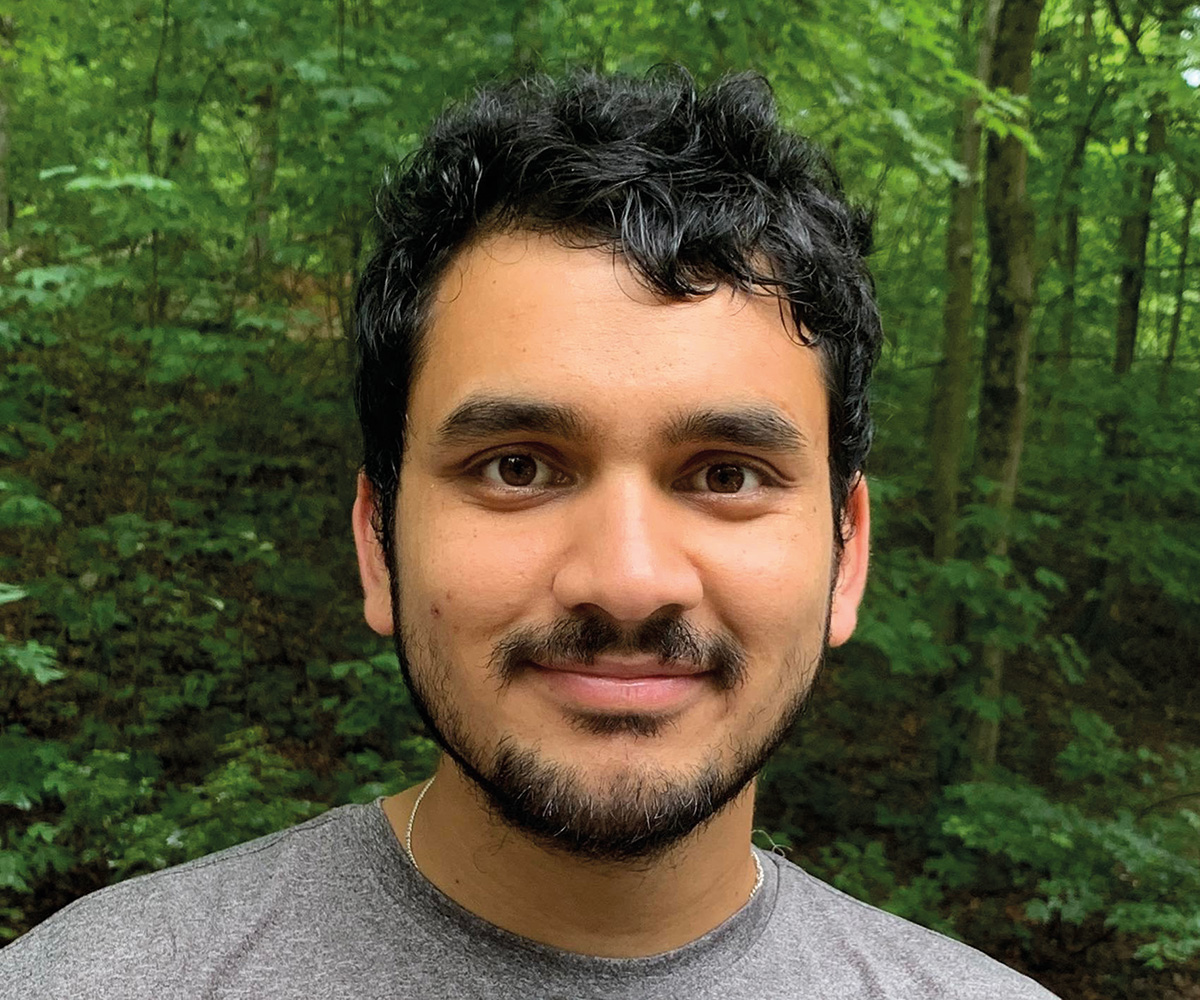





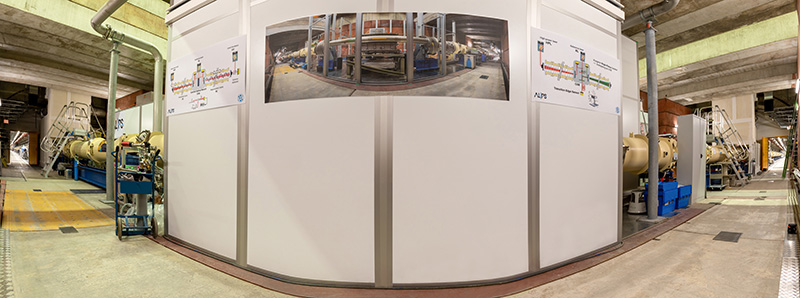
 Axel Lindner was working in accelerator-based particle physics, astroparticle physics and management before he engaged in WISP searches in 2007 as the spokesperson of the ALPS I experiment. Since 2018 he has been leading a new experimental group at DESY in Hamburg in charge of realizing non-accelerator-based particle physics experiments on-site. Axel has been a member of the MADMAX and IAXO collaborations and spokesperson of ALPS II since 2012.

