Comsol -leaderboard other pages

Topics

Superconducting detector magnets for the future

The Superconducting Detector Magnets Workshop, co-organised by CERN and KEK, was held at CERN from 12 to 14 September in a hybrid format. Joining were 90 participants from 36 different institutes and companies, with 57 on-site and 33 taking part remotely.

The workshop aimed to bring together the physics community, detector magnet designers and industry to exchange ideas and concepts, foster collaboration, and to discuss the needs and R&D development goals for future superconducting detector magnets. A key goal was to address the issue of the commercial availability of aluminium-stabilised Nb-Ti/Cu conductor technology.

Fifteen physics-experiment projects, which had either been approved or are in the design phase, presented their needs and plans for superconducting detector magnets. These experiments covered a wide range of physics programmes for existing and future colliders, non-colliders and a space-based experiment. The presented projects showed a strong demand for aluminium-stabilised Nb-Ti/Cu conductor technology. Other conductor technologies that were featured during the workshop included cable-in-conduit technology (CICC) and aluminium-stabilised high-temperature-superconducting (HTS) technology.

Presentations by leading industrial partners showed that the industrial capability to produce superconducting detector magnets does exist, as long as a suitable conductor is available. It was also shown that aluminium-stabilised Nb-Ti/Cu conductors are currently not commercially available, although an R&D effort is currently on-going with IHEP in China. In particular, the co-extrusion process needed to clad the Nb-Ti/Cu Rutherford cable with aluminium is a key missing ingredient in industry. At the same time, the presentations showed that other ingredients, such as Nb-Ti/Cu wire production, the cabling of strands into a Rutherford cable, the high-purity aluminium stabiliser itself and the technique for welding-on of aluminium-alloy reinforcements for high-strength conductors, are still available.

The main conclusion of the workshop was that, given the need for aluminium-stabilised Nb-Ti/Cu conductors for future superconducting detector magnet projects, it is important that the commercial availability of this conductor is re-established, which would require a leading effort from international institutes through collaboration and cooperation with industry. This world-leading effort will advance technologies to be transferred openly to industry and other laboratories. Of particular importance is the co-extrusion technology needed to bond the aluminium stabiliser to the Rutherford cable. Hybrid-structure technology through electron- beam welding or other approaches to maximise the performance of an Al-stabilised superconductor combined with high-strength Al-alloy is needed for high-stress detector magnets. Back-up solutions such as copper-coated and soldered aluminium stabilisers, copper-based stabilisers and CICC should also be considered. In the long term, aluminium-stabilised HTS technology will be important for specific detector-magnet applications.

The workshop was received with strong interest and enthusiasm, and it is expected that another will be organised in one to two years, depending on the progress being made.

The power of polarisation for FCC-ee physics

Evolution of beam energy at LEP

The FCC-ee, a proposed 91 km future circular collider at CERN foreseen to begin operations in the 2040s, would deliver enormous samples of collision data at a wide range of energies, allowing for ultra-precise studies of the Higgs, W and Z bosons, and the top quark. For example, when running at the Z resonance the FCC-ee will produce – in little more than one minute – a data set the same size as that the LEP collider accumulated in the 1990s during its entire period of operation. For this reason, unlocking the full potential of FCC-ee data will require exquisite systematic control at a level far beyond that achieved at previous colliders.

A beautiful and unique attribute of circular e+e– colliders is that the beams can naturally acquire transverse polarisation, and the precession frequency of the polarisation vector divided by the circulation frequency around the ring is directly proportional to the beam energy. This property allows the energy to be determined with very high precision through applying an oscillating magnetic field which, when in phase with the precession, depolarises the beams. This technique of resonant depolarisation underpins the precise knowledge of the mass and other properties of many particles that now serve as “standard candles”.

A key example is the measurement of the mass and width of the Z boson, and associated electroweak observables, which was the major achievement of the LEP programme. FCC-ee offers the possibility of improving the precision of these measurements by a factor of around 500 – a gigantic advance in precision that will allow for ultra-sensitive tests of the self-consistency of the Standard Model, and provide excellent sensitivity to new heavy particles that may affect the measurements through quantum corrections or mixing. Achieving the best possible knowledge of the collision energy is essential to accomplish this programme, and was the focus of the second FCC Energy Calibration, Polarization and Mono-chromatisation (EPOL) workshop held at CERN from 19 to 30 September, which was a follow-up to the first workshop that took place in 2017.

The two-week workshop was attended by more than 100 accelerator physicists, particle physicists and engineers from around the world; some remote and others participating in person. Presentations focused not only on the challenges at the FCC-ee, but also encompassed activities and initiatives at other facilities. The first week highlighted the plans for polarimetry measurements at the future Electron Ion Collider in the US. Complementary projects were presented from SuperKEKb in Japan, where the accelerator is stress-testing many aspects of the FCC-ee design, CEPC in China and other machines around the world.

Earth tides

The collision-energy calibration is a central consideration in the design and proposed operation strategy of the FCC-ee, in contrast to LEP where it was essentially an afterthought. At LEP, resonant depolarisation measurements were performed in dedicated calibration periods a few times per year. At FCC-ee these measurements will take place continually. This is essential, as a hard-learned lesson from LEP is that the beam energy is not constant, but varies throughout a fill, and also evolves over longer timescales. The gravitational pull of the moon distorts the tunnel in “Earth tides”, and modifies the relative trajectory of the beam through the quadrupole magnets, leading to energy changes that at LEP were around 10 MeV over a few hours during Z running, but will be 20 times larger at FCC-ee. Seasonal changes in the water level of Lac Leman lead to similar effects. At FCC-ee these distortions will be combatted by continuous adjustment of the radio frequency (RF) cavities, as is now routinely done in the LHC.

Additional challenges that were discussed in the workshop included the requirements on the laser polarimeters that will monitor the polarisation levels of the e+ and e– beams, the shifts in collision energy that will occur at each interaction point through the combined effect of synchrotron radiation and the boost provided by the RF system, as well as spurious dispersions folded with collision offsets. Here the project will benefit from the considerable progress achieved since LEP in both the reliability and precision of beam position and dispersion measurements. A particular highlight of the discussions was an agreement that it will be feasible to perform resonant depolarisation measurements at higher energies for use in the determination of the mass of the W boson, which was not possible at LEP, allowing this important parameter of nature to be measured around a factor 20–40 times better than at present.

The workshop concluded with a list of future tasks to be tackled and open questions. These questions will be addressed as part of the ongoing FCC Feasibility Study, with updates planned for the mid-term review, scheduled for the middle of 2023, and the final report in 2025.

Donald Hill Perkins 1925–2022

Don Perkins

UK experimental particle physicist Don Perkins, who played a significant role in shaping the field from the 1940s onwards, passed away on 30 October at the age of 97. 

After graduating from Imperial College, London, Perkins obtained a PhD under the supervision of George Paget Thomson, recipient of the 1937 Nobel Prize in Physics. As part of his thesis work, he took a photographic emulsion – a new medium for particle detection at the time – onto a Royal Air Force transport plane to record cosmic rays at altitude. This resulted in what was later recognised to be the first observation of the pion, published in Nature in 1947.

In 1951 Perkins joined another Nobel laureate, Cecil Powell, in Bristol where, working with Peter Fowler, he discovered some of the decay properties of pions. This involved touring some of the world’s mountain tops with photographic emulsions, as well as sending them into the stratosphere on balloons. As a result of their studies, Perkins and Fowler were the first to suggest that irradiation with negatively charged pions might be used to treat cancer. In 1965 Perkins moved to the University of Oxford where, under the overall leadership of Denys Wilkinson, he established a world-leading particle-physics group. One year later he was elected a Fellow of the Royal Society. In 1991 he received the Royal Medal of the Royal Society, among many honours that would crown his long career. 

As modern electronic counters and bubble chambers began to replace emulsion techniques, Perkins worked at CERN, where in 1973 he contributed to the seminal discovery of neutral currents with the Gargamelle bubble chamber. Thirty years later, in characteristic style and peppered with anecdotes, Perkins recounted the story of the neutral-current discovery in this magazine (CERN Courier Commemorative Issue Willibald Jentschke June 2003 p15). 

In the late 1960s, when the scattering of electrons off protons in experiments at SLAC had established that the proton is not elementary, Perkins realised that neutrino scattering could give complementary information that helped prove the existence of fractionally charged quarks. He was also an early supporter of quantum chromodynamics, which explained why quarks are confined inside hadrons. 

As the 1970s progressed, Perkins became increasingly interested in proton decay, and was a leading advocate of the Soudan-II experiment in the US. Although Soudan-II never saw evidence of proton decay, the experiment made important contributions to advancing the field of neutrino physics.

Over his long career, Perkins’ brilliance benefitted generations of physics students, many of whom were drawn to particle physics through his textbook Introduction to High Energy Physics, first published in 1972 based on his undergraduate lectures and now in its fourth edition. Besides his experimental and theoretical contributions, Perkins was active in the governance of particle physics, having chaired both the nuclear physics board of the UK’s former Science and Engineering Research Council and CERN’s Scientific Policy Committee. He was a member of many international advisory committees and strategy meetings, including one in 1979 that led to the construction of the HERA electron–proton collider at DESY.

A charismatic and influential figure, his wisdom, delivered in a northern English accent and accompanied by his distinctive laugh, will be greatly missed by his many friends and colleagues.

Back on TOP in Durham

After two online editions during the Covid pandemic, this year the annual TOP conference returned to an in-person format. The 2022 edition took place in the historic city of Durham in the UK from 4 to 9 September and attracted more than 100 participants.

The LHC collaborations that study the top quark presented a wealth of recent results based on Run 2 data, many of which were shown for the first time, and even included a measurement with the very first data collected in Run 3. CMS and ATLAS presented new top-quark mass results, new measurements of top-quark production asymmetries, new cross-section measurements as well as searches for new production and decay modes, both within and beyond the Standard Model (SM). These included ttW and four top-quark production, and processes involving flavour-changing-neutral-current interactions that could produce sizable rates beyond the SM prediction.

Earlier this year, CMS released a preliminary mass measurement that profiles all uncertainties, including a finely split set of signal-modelling uncertainties based on variations of Monte Carlo generators. To account for the limited statistical power for some of these variations, this precision analysis implements a fully consistent treatment of the resulting fluctuations leading to a 380 MeV uncertainty. ATLAS presented a top-quark mass measurement of 172.63 ± 0.20 (stat) ± 0.67 (syst) ± 0.37 (recoil) GeV. The last uncertainty represents the ambiguity in assigning the recoil of gluon emissions in the top-quark decay chain that was neither considered in Run 1 analyses nor in the CMS measurement and requires further studies. The large difference in the modelling uncertainties assigned by both collaborations underlines the importance to overcome the limitations of Monte Carlo generators for these precision measurements.

Run 2 of the LHC opens up new production processes that could not be probed at the Tevatron or in Run 1. Recently, ATLAS announced the observation of the rare production process of a single top quark and a photon, thus completing the list of associated top-quark production processes with SM gauge bosons. CMS followed with a brand-new analysis of the four top-quark production process, the rarest process accessible by the LHC to date. Together with combined ATLAS analyses, there is now very strong evidence that this elusive process exists. While most results in the classical top-quark pair and single-top production modes agree very well with the SM predictions, slight excesses are seen in several rare production modes, such as ttW and four-top production. None of these excesses are statistically significant, but they form an interesting pattern that requires experimental results and theory predictions to be considered extra carefully, while keeping an eye open for more exotic explanations.

Theory ahead

Theory contributions at TOP 2022 revolved around two major themes: precision calculations and beyond-SM models. For the former, several groups presented new calculations that enable a more precise comparison of measurements with SM predictions. These calculations provide an integrated treatment of the top-quark and boson decays, including off-shell effects, which are small in the total cross section, but which can be significantly enhanced locally in some corners of phase space. Including these effects is therefore relevant for the highest-precision differential measurements at the LHC. For the second theme, the most popular approach is to expand around the SM with minimal model dependence using effective field theory. This is complemented by more focussed efforts in concrete new-physics scenarios, including composite Higgs (and top) models as well as leptoquarks. A dedicated theory mini-workshop discussed the interplay of top-quark measurements with results in flavour physics.

Perhaps the most exciting result, the first at Run 3, was presented by CMS. On 5 July, just two months before the conference, the LHC switched back on after a three-year shutdown and started to produce the first proton-proton collisions at a record centre-of-mass energy of 13.6 TeV. Stretching over the next few years, Run 3 will increase the size of available datasets involving top quarks by a factor of three to four. Both ATLAS and CMS made a tremendous effort to prepare the detectors, to collect and check the quality of the data, and to provide preliminary calibrations for leptons and jets. In a race against the clock, CMS isolated the top-quark pair production process in the data collected in July and August in time for the conference. Even at this very early stage, the data are understood well enough that a cross-section measurement with a total uncertainty below 8% was possible by making use of the top-quark events themselves to calibrate most of the relevant experimental uncertainties in situ.

With these first results showing that the LHC and the experiments are smoothly operating, TOP22 kicks off the Run 3 top-quark physics programme. We can look back on a very exciting edition of the TOP conference and look forward to meeting again in Michigan in 2023.

Keeping research infrastructures safe

ITSF_report_2022

Safety is a priority for CERN. It spans all areas of occupational health and safety, including the protection of the environment and the safe operation of facilities. Continuous exchanges with similar research infrastructures on best practices and techniques ensures that CERN maintains the highest standards. From 25 to 28 October, more than 100 people from CERN and research institutes worldwide gathered in the Globe of Science and Innovation at CERN for the International Technical Safety Forum (ITSF). This key conference in matters of health and safety is a forum for exchanging new ideas, processes, procedures and technologies in personnel, environmental and equipment safety among a variety of high-energy physics, synchrotron and other research infrastructures.

It is a pleasure to share new ways of thinking and acting in matters of occupational health & safety and environmental protection

Yves Loertscher

“In its 25-year existence, the Forum has evolved with the times, all the while increasing its attractiveness for experts to share their knowledge, experience and challenges,” says Ralf Trant of the CERN technology department. “The scope has broadened from high-energy physics to a wider range of disciplines and participating institutes, in Europe and beyond with Asian labs joining in addition to American institutes, who have been involved since the beginning.”

Opening the event, Benoît Delille, head of the CERN Health, Safety & Environment (HSE) unit, noted: “For colleagues from different institutes who visit CERN for the first time, it is an occasion for us to share the values on which this Organization is built, that we are proud of, and also how we make them come to life through the prism of Safety.” A first session on environmental protection and sustainability saw CERN share its approach to minimise its environmental footprint in key domains, alongside a presentation from the European Spallation Source (ESS) on environmental management during its post-construction phase. Sessions including continuous improvements in health & safety, fire safety, equipment certification, incidents and lessons learned, risk assessment and technical risks unfolded during the week, ending with new projects and challenges, safety culture and behaviour and safety training.

“Listening to your colleagues from other research institutes informing about occurred events, lessons learned and recent developments in safety assessment is the pure essence of ITSF,” said Peter Jakobsson, head of environment, safety, health & quality at ESS and member of the ITSF organising committee, who chaired the “Incidents and lessons learned” session. “We openly share information in different subject safety areas such as fire hazards, handling of chemicals and inspection of pressurised equipment. In doing so, we all learn from each other to create a safe work environment for our staff and scientific users: a true sign of the safety culture that we all strive for.”

In addition to a rich programme of presentations, the event featured an interactive fire workshop in which participants shared ongoing projects and challenges related to fire safety in accelerator facilities. CERN also shared its experiences of the fire-induced radiological integrated assessment (FIRIA) project whose objective is to develop a general methodology for assessing the fire-related risks present in CERN’s facilities and provide a forum to keep experts connected and updated. Participants also enjoyed visits of the installations, complemented with a tour of the CERN safety training centre in Prévessin on the final day.

“This event gave us the possibility to share our knowledge through presentations but also through networking breaks, visits and social events,” said Yves Loertscher, head of the CERN HSE occupational health & safety group and organiser of this year’s ITSF event. “After a break of almost three years owing to the pandemic, it is a pleasure to interact directly with peers again and share new ways of thinking and acting in matters of occupational health & safety and environmental protection”.

A celebration for Gabriele Veneziano

Gabriele Veneziano

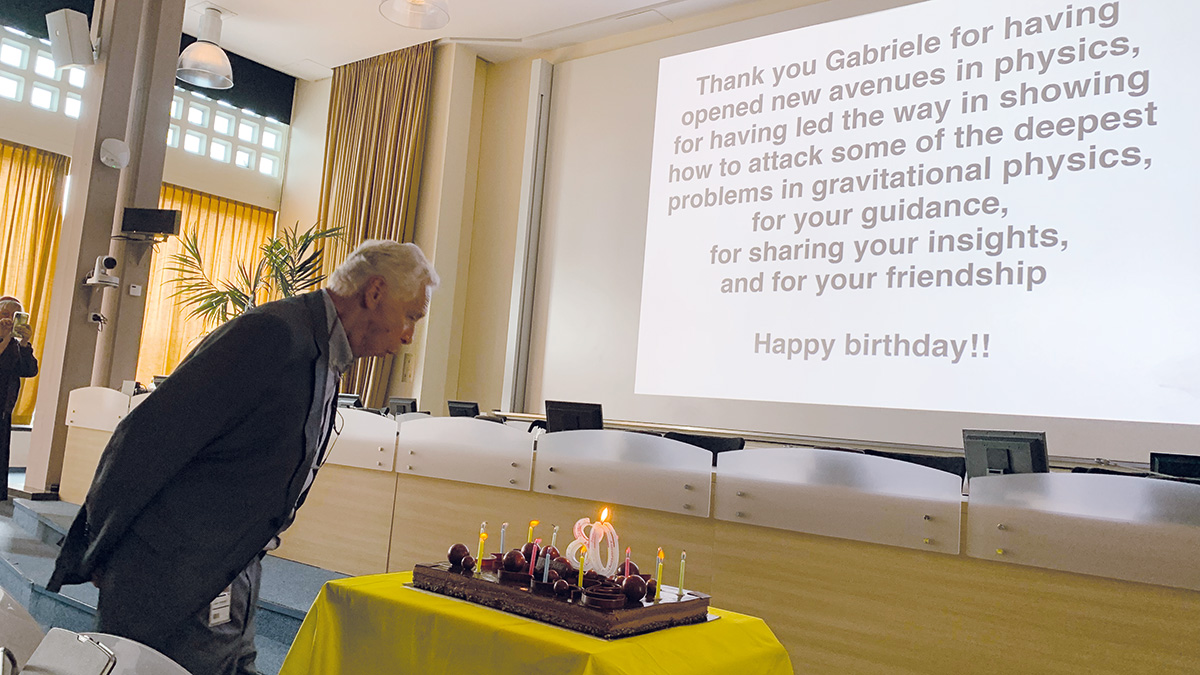
On 7 September colleagues and friends of Gabriele Veneziano gathered at CERN for an informal celebration of the renowned theorist’s 80th birthday. While a visitor in the CERN theory division (TH) in 1968, Veneziano wrote a paper “Construction of a crossing-simmetric, Regge-behaved amplitude for linearly rising trajectories”. It was an attempt to explain the strong interaction, but ended up marking the beginning of string theory. During the special TH colloquium, talks by Paolo Di Vecchia (NBI&Nordita), Thibault Damour (IHES) and others explored this and numerous other aspects of Veneziano’s work, much of which was undertaken during his 30 year-long career at CERN. Concluding the day’s proceedings, Veneziano thanked his mentors, CERN TH and chance – “the chance of having lived through one of most interesting periods in the history of physics… during which, through a wonderful cooperation between theory and experiment, enormous progress has been made in our understanding of nature at its deepest level.”

JENAS picks up the pace in Spain

The second joint ECFA (European Committee for Future Accelerators), NuPECC (Nuclear Physics European Collaboration Committee) and APPEC (AstroParticle Physics European Consortium) symposium, JENAS, was held from 3 to 6 May in Madrid, Spain. Senior and junior members of the astroparticle, nuclear and particle-physics communities presented their challenges and discussed common issues with the goal of achieving a more comprehensive assessment of overlapping research topics. For many of the more than 160 participants, it was their first in-person attendance at a conference after more than two years due to the COVID-19 pandemic.

Focal point

The symposium began with the research highlights and strategies of the three research fields. A major part of this concerned the progress and plans of the six joint projects that have emerged since the first JENAS event in 2019: dark matter (iDMEu initiative); gravitational waves for fundamental physics; machine-learning optimised design of experiments; nuclear physics at the LHC; storage rings to search for charged-particle electric dipole moments; and synergies between the LHC and future electron–ion collider experiments. The discussions on the joint projects were complemented by a poster session where young scientists presented the details of many of these activities.

The goal was achieving a more comprehensive assessment of overlapping research topics

Detector R&D, software and computing, as well as the application of artificial intelligence, are important examples where large synergies between the three fields can be exploited. On detector R&D there is interest in collaborating on important research topics such as those identified in the 2021 ECFA roadmap on detector R&D. In this roadmap, colleagues from the astro­particle and nuclear-physics communities were involved. Likewise, the challenges of processing and handling large datasets, distributed computing, as well as developing modern analysis methods for complex data analyses involving machine learning, can be addressed together.

Overview talks and round-table discussions related to education, outreach, open science and knowledge transfer allowed participants to emphasise and exchange best practices. In addition, the first results of surveys on diversity and the recognition of individual achievements in large collaborations were presented and discussed. For the latter, a joint APPEC–ECFA–NuPECC working group has presented an aggregation of best practices already in place. A major finding is that many collaborations have already addressed this topic thoroughly. However, they are encouraged to further monitor progress and consider introducing more of the best practices that were identified.  

Synergy

One day was dedicated to presentations and closed-session discussions with representatives from both European funding agencies and the European Commission. The aim was to evaluate whether appropriate funding schemes and organisational structures can be established to better exploit the synergies between astroparticle, nuclear and particle physics, and thus enable a more efficient use of resources. The positive and constructive feedback will be taken into account when carrying out the common projects and towards the preparation of the third JENAS event, which is planned to take place in about three years’ time.

An Infinity of Worlds

An Infinity of Worlds

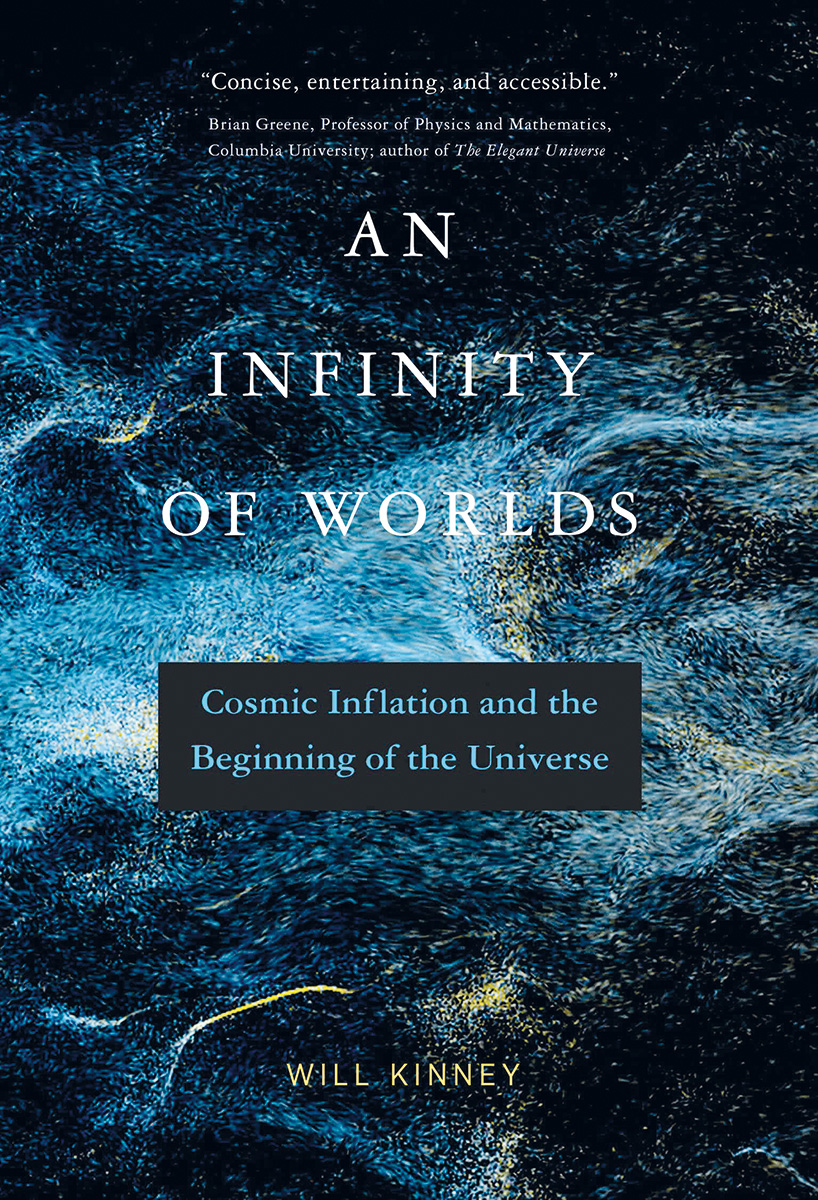
Cosmology, along with quantum mechanics, is probably among the most misunderstood physics topics for the layperson. Many misconceptions exist, for instance whether the universe had a beginning or not, what the cosmic expansion is, or even what exactly is meant by the term “Big Bang”. Will Kinney’s book An Infinity of Worlds: Cosmic Inflation and the Beginning of the Universe clarifies and corrects these misconceptions in the most accessible way.

Kinney’s main aim is to introduce cosmic inflation – a period of exponential expansion conjectured to have taken place in the very early universe – to a general audience. He starts by discussing the Standard Model of cosmology and how we know that it is correct. This is done most successfully and in a very succinct way. In only 24 pages, the book clarifies all the relevant concepts about what it means for the universe to expand, its thermal history and what a modern cosmologist means by the term Big Bang.

The book continues with an accessible discussion about the motivation for inflation. There are plenty of comments about the current evidence for the theory, its testability and future directions, along with discussions about the multiverse, quantum gravity, the anthropic principle and how all these combine together.

A clear understanding

There are two main points that the author manages to successfully induce the reader to reflect on. The first is the extreme success of the cosmic microwave background (CMB) as a tool to understand cosmology: its black-body spectrum established the Big Bang; its analysis demonstrated the flatness of the universe and its dark contents and motivated inflation; its fluctuations play a large part in our understanding of structure formation in the universe; and, along with the polarisation of the CMB, photons provide a window into the dynamics of inflation. Kinney notes that there are also plenty of features that have not been measured, which are especially important for inflation, such as the B-modes of the CMB and primordial gravitational waves, meaning that CMB-related observations have a long way to go.

The second main point is the importance of a clear understanding of what we know and what we do not know in cosmology. The Big Bang, which is essentially the statement that the universe started as a hot plasma of particles and cooled as it expanded, is a fact. The evidence, which goes well beyond the observation of cosmic expansion, is explained very well in Kinney’s book. Beyond that there are many unknowns. Despite the excellent motivation for and the significant observational successes of inflationary models, they are yet to be experimentally verified. It is probably safe to assume, along with the author, that we will know in the future whether inflation happened or not. Even if we establish that it did and understand its mechanism, it is not clear what we can learn beyond that. Most inflationary models make statements about elements, such as the inflationary multiverse, that in principle cannot be observed.

Steven Weinberg once commented that we did not have to wait to see the dark side of the moon to conclude that it exists. Whether this analogy can be extended successfully to include inflation or string theory is definitely debatable. What is certain, however, is that there will be no shortage of interesting topics and discussions in the years to come about cosmology and fundamental physics in general. Kinney’s book can serve as a useful introduction for the general public, but also for physics students and even physicists working in different fields. As such, this book is a valuable contribution to both science education and dissemination.

Connecting the dots with neural networks

Going deep

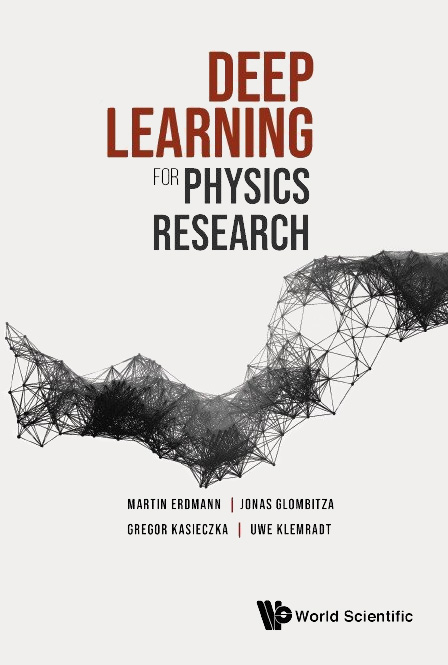
The use of deep learning in particle physics has exploded in recent years. Based on INSPIRE HEP’s database, the number of papers in high-energy physics and related fields referring to deep learning and similar topics has grown 10-fold over the last decade. A textbook introducing these concepts to physics students is therefore timely and valuable.

When teaching deep learning to physicists, it can be difficult to strike a balance between theory and practice, physics and programming, and foundations and state-of-the-art. Born out of a lecture series at RWTH Aachen and Hamburg universities, Deep Learning for Physics Research by Martin Erdmann, Jonas Glombitza, Gregor Kasieczka and Uwe Klemradt does an admiral job of striking this balance.

The book contains 21 chapters split across four parts: deep-learning basics, standard deep neural-networks, interpretability and uncertainty quantification, and advanced concepts.

In part one, the authors cover introductory topics including physics data, neural-network building blocks, training and model building. Part two surveys and applies different neural-network structures, including fully connected, convolutional, recurrent and graph neural-networks, while also reviewing multi-task learning. Part three covers introspection, interpretability, uncertainty quantification, and revisits different objective functions for a variety of learning tasks. Finally, part four touches on weakly supervised and unsupervised learning methods, generative models, domain adaptation and anomaly detection. Helping to lower the barrier to entry for physics students to use deep learning in their work, the authors contextualise these methods in real physics-research studies, which is an added benefit compared to similar textbooks.

Deep learning borrows many concepts from physics, which can provide a way of connecting similar ideas in the two fields. A nice example explained in the book is the cross-entropy loss function, which has its origins in the definition of entropy according to Gibbs and Boltzmann. Another example that crops up, although rather late in part three, is the connection between the mean-squared-error loss function and the log-likelihood function for a Gaussian probability distribution, which may be more familiar to physics students accustomed to performing maximum likelihood fits.

Hands-on

Accompanying the textbook is a breadth of free, online Jupyter notebooks (executable Python code in an interactive format), which are available at http://deeplearningphysics.org. These curated notebooks are paired with different chapters and immerse students in hands-on exercises. Both the problem and corresponding solution notebooks are available online,  and are accessible to students even without expensive computing hardware as they can be launched on free cloud services such as Google Colab or Binder. In addition, students who have a CERN account can launch the notebooks on CERN’s service for web-based analysis (SWAN) platform.

Advanced exercises include the training and evaluation of a denoising autoencoder for speckle removal in X-ray images and a Wasserstein generative adversarial network for the generation of cosmic-ray-induced air-shower footprints. What is truly exciting about these exercises is their use of physics research examples, many taken from recent publications. Students can see how close their homework exercises and solutions are to cutting-edge research, which can be highly motivating.

In a book spanning less than 300 pages (excluding references), it is impossible to cover everything, especially as new deep-learning methods are developed almost daily. For a more theoretical understanding of the fundamentals of deep learning, readers are advised to consult the classic Deep Learning by Ian Goodfellow, Yoshua Bengio and Aaron Courville, while for more recent deep-learning developments in particle physics they are directed to the article “A Living Review of Machine Learning for Particle Physics” by Matthew Feickert and Benjamin Nachman.

With continued interest in deep learning, coverage of a variety of real physics-research examples and a breadth of accessible, online exercises, Deep Learning in Physics Research is poised to be a standard textbook on the bookshelf of physics students for years to come.

Identifying dark matter

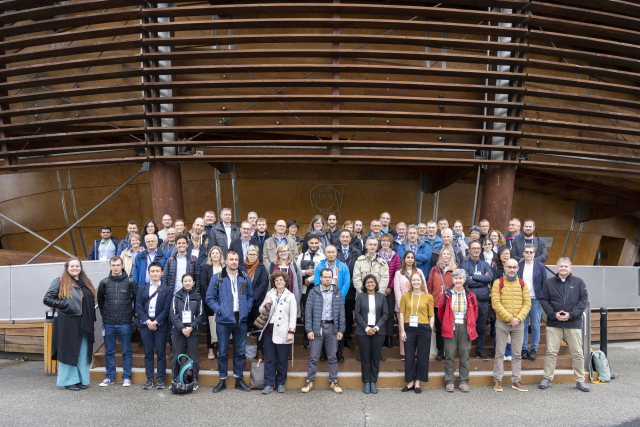
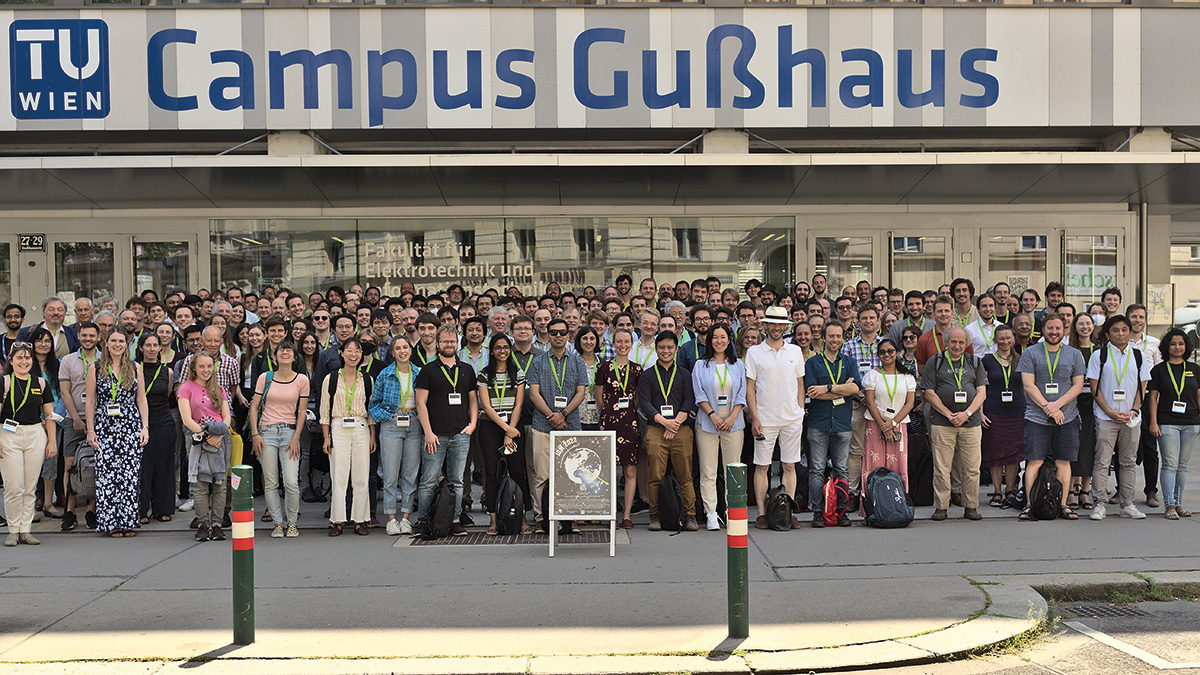
IDM participants

The international conference series on the identification of dark matter (IDM) was brought to life in 1996 with the motto that “it is of critical importance now not just to pursue further evidence for its existence but rather to identify what the dark matter is.” Despite earnest attempts to identify what dark matter comprises, the answer to this question remains elusive. Today, the evidence for dark matter is overwhelming; its amount is known to be around 27% of the universe’s energy-density budget. IDM2022 illuminated the dark-matter mystery from all angles, ranging from cosmological evidence via astrophysics to possible dark-matter particle candidates and their detection via indirect searches, direct searches and colliders.

The 14th edition of IDM took place in Vienna, Austria, from 18 to 22 July, attracting about 250 physicists and more than 200 contributions. The conference was initially scheduled for 2020 but changed to an online format due to the pandemic, while the in-person IDM was delayed until 2022. Many young scientists were able to meet the dark-matter community for the first time “in real life”. The Strings 2022 conference took place in Vienna simultaneously, with complementary presentations.

One focus of IDM2022 was the direct detection of dark matter. Tremendous progress in the sensitivity of direct detection experiments has been achieved in the past few decades over a wide dark-matter particle mass range. All major experiments presented their latest results. While in the past, direct searches focused on the classical WIMP region in a mass between a few GeV and several TeV, the search region is now enlarged towards even lighter dark-matter particles down to the keV region. Different mass regions require different technologies and new ideas were presented to increase the sensitivities towards these unexplored mass regions. For GeV WIMP dark-matter searches, the XENON collaboration displayed the first results from their latest setup, XENONnT, which has a significantly lower background level and recently eliminated a previously seen excess in XENON1T. The XENON, Darwin and LZ collaborations recently formed the XLZD collaboration with the aim of building a next-generation liquid-xenon experiment.

While the XENON1T excess is gone, direct-detection experiments exploring the sub-GeV mass regime still face unknown background contributions, especially in solid-state detectors. This is currently one of the biggest obstacles to increasing the sensitivity to even smaller cross-sections. No complete understanding has been achieved so far, but combining the results, knowledge and expertise of the experiments points to stress relaxations in crystals as one primary underlying source. To tackle this tricky problem, a subset of the IDM2022 participants held a dedicated satellite meeting. This EXCESS workshop was the third event of its kind, and the first to take place in person.  

The direct detection experiment DAMA has observed a statistically significant signal of an annual modulated event rate for several years. This observation is consistent with Earth moving through the dark-matter halo, but has not been confirmed by any other experiment. DAMA recently reduced the energy threshold to 0.5 keV electron equivalent by upgrading their readout electronics to further increase sensitivity. Several new dark-matter experiments based on the same target material – NaI – are running or being commissioned to provide more information on the long-standing DAMA observation: ANAIS, COSINE, COSINUS and SABRE. Even lighter forms of dark matter, such as axions and axion-like particles, were discussed, as well as the possibility that dark matter comprises bound states.

Primordial black holes are also attractive potential dark-matter candidates. Astronomical data from, for example,  microlensing, structure formation and gravitational waves hint at their existence. However, current data gives no handle on whether primordial black holes could be responsible for all the universe’s dark-matter content, or only correspond to part of the overall dark-matter density. Besides black-hole mergers, gravitational-wave signals can provide additional information to understand the origin of dark matter. In particular, processes in the early universe detected via gravitational waves could provide new insights into the particle nature of dark matter. With the increased sensitivity of operating and future gravitational-wave detectors, new players will provide additional data to unravel the dark-matter problem.

With a plethora of new ideas and experiments presented at this year’s IDM, the path is prepared for the next edition in L’Aquila, Italy, in 2024.

bright-rec iop pub iop-science physcis connect