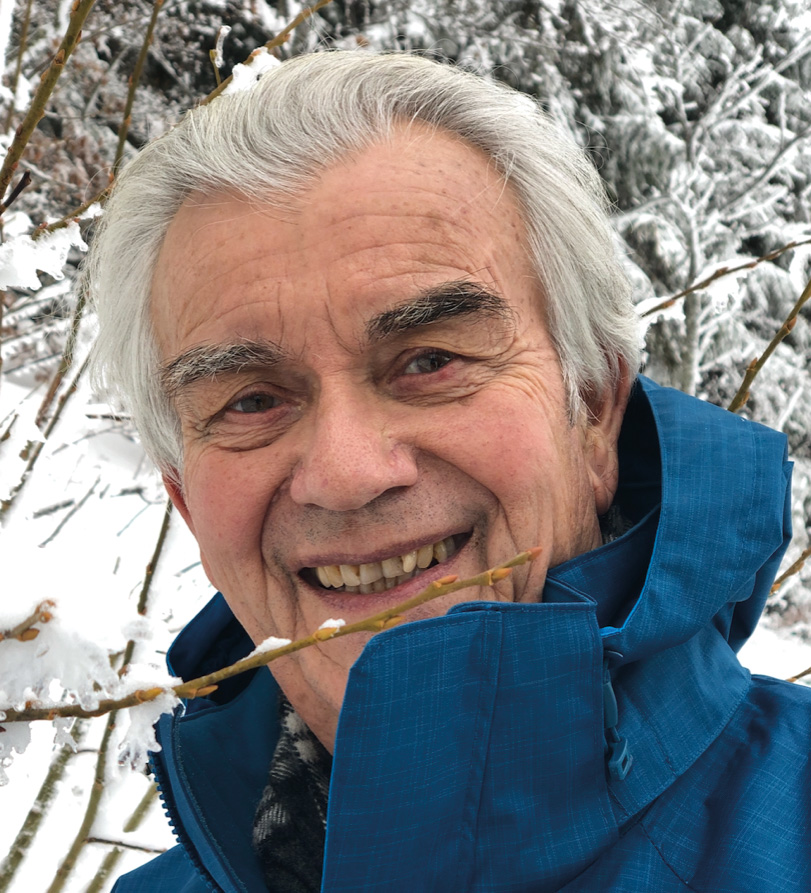
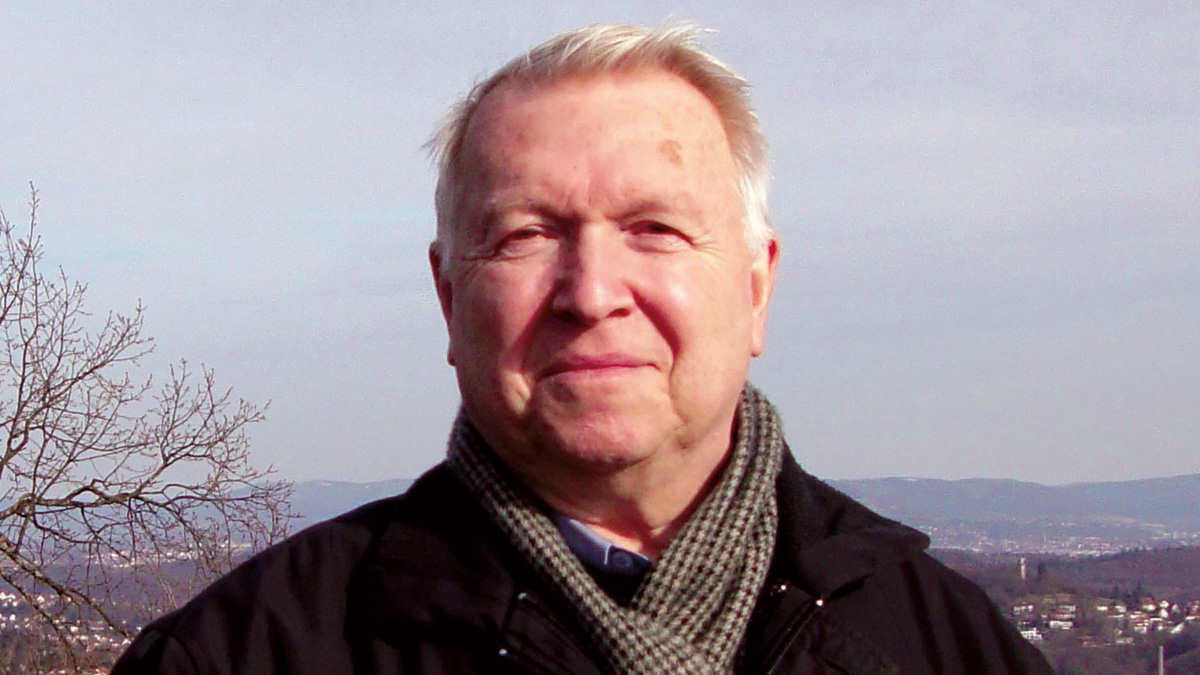
Gerd Beyer, who passed away on 20 January aged 81, played a major role in the development of biomedical research, both at CERN’s ISOLDE facility and at many other laboratories. He will be remembered as a tireless worker in the field of nuclear and applied nuclear physics combined with new radiochemical methods.
Gerd was born in Berlin in 1940 and studied radiochemistry at the Technical University of Dresden (TUD). He then joined the Joint Institute for Nuclear Research (JINR) in Dubna, where he developed advanced production methods of rare short-lived radioisotopes for use in nuclear spectroscopy. At the Central Institute for Nuclear Research in Rossendorf, he became proficient in the use of the U-120 cyclotron and the RFR research reactor to produce medical radioisotopes, and in the development of the associated radiopharmaceuticals. He completed his Dr. habil. at TUD on the production of radionuclides by means of rapid radiochemical methods in combination with mass separation.
In 1971 Gerd was invited to ISOLDE, joining Helge Ravn to prepare extremely pure samples of rare long-lived nuclei for studies of their electron-capture decay, in view of their potential for determining neutrino masses. Back in Rossendorf, he continued to develop radiopharmaceuticals and to introduce them into nuclear medicine in the former East Germany and the Eastern Bloc countries. He developed a number of new methods for labelling and synthesising radiopharmaceuticals, in particular the rather difficult problem of efficiently separating fission-produced 99Mo from large samples of low-enriched uranium. This brought him into many collaborations all over the world, with a view to transferring his know-how to other laboratories. As head of cyclotron radiopharmaceuticals, he took the initiative to introduce a PET scanner programme in the German Democratic Republic (GDR), based on the Rossendorf positron camera, using gas detectors derived from pioneering work at CERN.
During his visits to CERN, Gerd spotted the potential of the ISOLDE mass-separation technique to allow the introduction and use of better-suited but hitherto unavailable nuclides.
In 1985, in close collaboration with ISOLDE, he began to prepare for the future use of large facilities to produce such radionuclides. He reactivated ISOLDE’s contacts with the University Hospital of Geneva (HUG), starting a collaboration on the use of exotic positron-emitting nuclides for PET imaging, which resulted in the development of new radiopharmaceuticals based on radionuclides of the rare earths and actinides.
Shortly after the fall of the GDR, Gerd lost his job at Rossendorf and had to start a new career elsewhere. Via a CERN scientific associateship, he became a guest professor at HUG and, later, head of its radiochemistry group, with responsibility for setting up and operating a new cyclotron. This allowed him to continue his work on developing new approaches to labelling monoclonal antibodies and peptides with exotic lanthanide positron emitters produced at ISOLDE, determining their in vivo stability and demonstrating their promising imaging properties. Gerd was also the first to demonstrate the promising therapeutic properties of the alpha emitter 149Tb.
When he retired from HUG, Gerd co-proposed that CERN build a new radiochemical laboratory in connection with ISOLDE. Here, the large knowledge base on target and mass-separator techniques for the production and handling of radionuclides could be used to make samples of these high-purity nuclides available for use in a broader biomedical research programme. Years later, Gerd’s initial idea was eventually realised with the creation of the CERN-MEDICIS facility.
Gerd was a first-rate experimental scientist, highly skilled in the laboratory, and he stayed professionally active to the very end. As a guest professor, a member of numerous professional societies and a holder of many consultancy positions, he spared no effort in sharing and transferring his know-how, recently to the young generation of scientists at MEDICIS.
During Gerd’s outstanding career, his work on the production of radiopharmaceuticals saved innumerable lives. His R&D towards new radiopharmaceuticals and, in particular, his pioneering work on 149Tb for targeted alpha therapy, is opening up new perspectives for efficient cancer treatment. It is therefore particularly tragic that the development of efficient antiviral drugs came too late to support Gerd in his brave fight against COVID-19.
The production of different types of hadrons provides insights into one of the most fundamental transitions in nature – the “hadronisation” of highly energetic partons into hadrons with confined colour charge. To understand how this transition takes place we have to rely on measurements, and measurement-driven modelling. This is because the strong interaction processes that govern hadronisation are characterised by a scale given by the typical size of hadrons – about 1 fm – and cannot be calculated with perturbative techniques. The ALICE collaboration has recently performed a novel study of hadronisation by comparing the production of strange neutral baryons and mesons inside and outside of charged-particle jets.
One of the ways to contrast baryon and meson production is to analyse the ratio of their momentum distributions. This has been done in most of the collision systems, but the comparison is particularly interesting in heavy-ion collisions, where a large baryon-to-meson enhancement is often referred to as the “baryon anomaly”. A characteristic maximum at intermediate transverse momenta (1–5 GeV) is found in all systems, but in Pb–Pb collisions the ratio is strongly increased, to the extent that it exceeds unity, implying the production of more baryons than mesons. The rise of the ratio has been associated with either hadron formation from the recombination of two or three quarks, or the migration of the heavier baryons to higher momenta by the strong all-particle “radial” flow associated with the production and expansion of a quark–gluon plasma.
A recent result adds an extra twist to the study of strange baryons and mesons
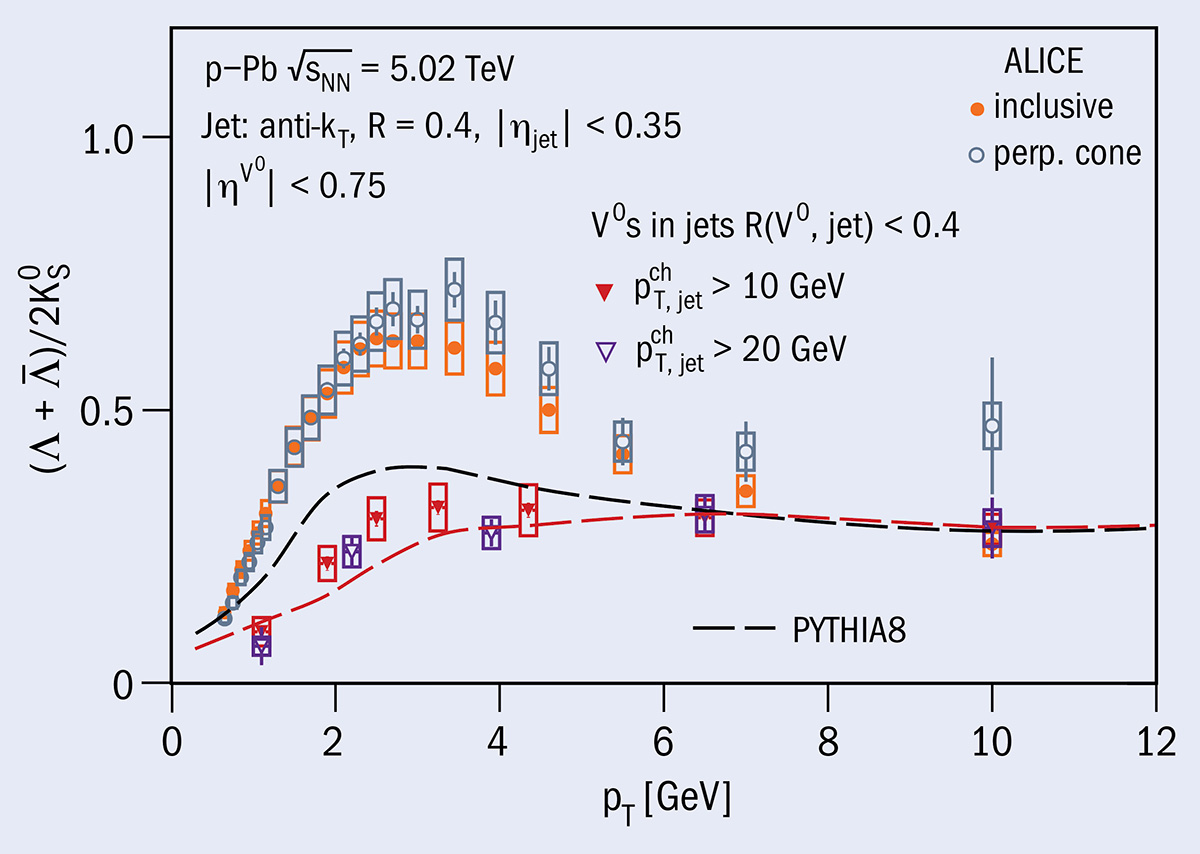
The ALICE collaboration has studied baryon-to-meson ratios extensively. A recent result adds an extra twist to the study of strange baryons and mesons by studying the ratios in two parts of the events separately – inside jets and in the event portion perpendicular to a jet cone. This allows physicists to look “under the peak” to reveal more about its origin. The latest study focuses on the neutral and weakly decaying Λ baryon and K0S meson – particles often known collectively as V0 due to their decay particles forming a “V” within a detector. The ALICE detector can reconstruct these decaying particles reliably even at high momenta via invariant-mass analysis using the charged-particle tracks seen in the detectors.
The particles associated with the jets show the typical ratio known from the high momentum tail of the inclusive baryon-to-meson distribution – essentially no enhancement – and similar values were found in both pp and p–Pb collisions, consistent with simulations of hard pp collisions using PYTHIA 8 (see figure 1). By contrast, the particles found away from jets do indeed show a baryon-to-meson enhancement that qualitatively resembles the observations in Pb–Pb collisions. The new study clarifies that the high rise of the ratio is associated with the soft part of the events (regions where no jet with more than pT = 10 GeV is produced) and brings the first quantitative guidance for modelling the baryon-to-meson enhancement with an additional important constraint – the absence of the jet. Moreover, finding that the “within-jet” ratio is similar in pp and p–Pb collisions, while the “out-of-jet” ratio shows larger values in p–Pb than in pp collisions, gives even more to ponder about the possible origin of the effect in relation to an expanding strongly interacting system. Future measurements involving multi-strange baryons may shed further light on this question.
When CERN was established in the 1950s, with the aim of bringing European countries together to collaborate in scientific research after the Second World War, countries from East and West Europe were invited to join. At the time, the only eastern country to take up the call was Yugoslavia. Poland’s accession to CERN membership in 1991 was therefore a particularly significant moment in the organisation’s history because it was the first country from behind the former Iron Curtain to join CERN. Its example was soon followed by a range of Eastern European countries throughout the 1990s.
At the origin of Polish participation at CERN was a vision of the three world-class physicists: Marian Danysz and Jerzy Pniewski from Warsaw and Marian Mięsowicz from Kraków, who had made first contacts with CERN in the early 1960s. The major domains of Polish expertise around that time encompassed the analysis of bubble-chamber data (especially those related to high-multiplicity interactions), the properties of strange hadrons, charm production, and the construction of gaseous detectors.
In 1963, Poland gained observer status at the CERN Council — the first country from Eastern Europe to do so. During the subsequent 25 years, almost out of nothing, a critical mass of national scientific groups collaborating with CERN on everyday basis was established. By the late 1980s, the CERN community recognised that Poles deserved full access to CERN. With the feedback and support of their numerous brilliant pupils, Danysz, Pniewski and Mięsowicz had accomplished a goal which had seemed impossible. Today, Poland’s red and white flag graces the membership rosters of all four major Large Hadron Collider (LHC) experiments and beyond.
Entering the fray Poland joined CERN two years after the start-up of the Large Electron Positron Collider (LEP), the forerunner to the LHC. Having already made strong contributions to the
construction of LEP’s DELPHI experiment, in particular its silicon vertex detector, electromagnetic calorimeter and RICH detectors, Polish researchers quickly became involved in DELPHI data analyses, including studies of the properties of beauty baryons and searches for supersymmetric particles.
Poland’s accession to CERN membership 30 years ago was the very first case of the return of our nation to European structures
With the advent of the LHC era, Poles became members of all four major LHC-experiment collaborations. In ALICE we are proud of our broad contribution to the study of the quark gluon plasma using HBT-interferometry and electromagnetic probes, and of our participation in the design of and software development for the ALICE time projection chamber. Polish contributions to the ATLAS collaboration encompass not only numerous software and hardware activities (the latter concerning the inner detector and trigger), but also data analyses, notably searching for new physics in the Higgs sector, studies of soft and elastic hadron interactions and a central role in the heavy-ion programme. Involvement in CMS has revolved around the experiment’s muon-detection system, studies of Higgs-boson production and its decays to tau leptons, W+W– interactions and searches for exotic, in particular long-lived, particles. This activity is also complemented by software development and coordination of physics analysis for the TOTEM experiment. Last but not least, Polish groups in LHCb have taken important hardware responsibilities for various subdetectors (including the VELO, RICH and high-level trigger) together with studies of b->s transitions, measurements of the angle γ of the CKM matrix and searches for CPT violation, to name but a few.
Beyond colliders The scope of our research at CERN was never limited to LEP and the LHC. In particular, Polish researchers comprise almost one third of collaborators on the fixed-target experiment NA61/SHINE, where they are involved across the experiment’s strong-interactions programme. Indeed, since the late 1970s, Poles have actively participated in the whole series of deep-inelastic scattering experiments at CERN: EMC, NMC, SMC, COMPASS and recently AMBER. Devoted to studies of different aspects of the partonic structure of the nucleon, these experiments have resulted in spectacular discoveries, including the EMC effect, nuclear shadowing, the proton “spin puzzle”, and 3D imaging of the nucleon.
Polish researchers have also contributed with great success to studies at CERN’s ISOLDE facility. One of the most important achievements was to establish the coexistence of various nuclear shapes, including octupoles, at low excitation energy in radon, radium and mercury nuclei, using the Coulomb-excitation technique. Polish involvement in CERN neutrino experiments started with the BEBC bubble chamber, followed by the CERN Dortmund Heidelberg Saclay Warsaw (CDHSW) experiment and, more recently, participation in the ICARUS experiment and the T2K near-detector as part of the CERN Neutrino Platform. In parallel, we take part in preparations for future CERN projects, including the proposed Future Circular Collider and Compact Linear Collider. In terms of theoretical research, Polish researchers are renowned for the phenomenological description of strong interactions and also play a crucial role in the elaboration of Monte Carlo software packages. In computing generally, Poland was the regional leader in implementing the grid computing platform.
The past three decades have brought a few-fold increase in the population of Polish engineers and technicians involved in accelerator science. Experts contributed significantly to the LHC construction, followed by the services (e.g. electrical quality assurance of the LHC’s superconducting circuits) during consecutive long shutdowns. Detector R&D is also a strong activity of Polish engineers and technicians, for example via membership of CERN’s RD51 collaboration which exists to advance the development and application of micropattern gas detectors. These activities take place in the closest cooperation with national industry, concentrated around cryogenic applications. Growing local expertise in accelerator science also saw the establishment of Poland’s first hadron-therapy centre, located at the Institute of Nuclear Physics PAN in Kraków.
Poland@CERN 2019 saw over 20 companies and institutions represented by around 60 participants take part in more than 120 networking meetings
Collaborations between CERN and Polish industry was initiated by Maciej Chorowski, and there are numerous examples. One is the purchase of vacuum vessels manufactured by CHEMAR in Kielce and RAFAKO in Racibórz, and parts of cryostats from METALCHEM in Kościan. Industrial supplies for CERN were also provided by KrioSystem in Wrocław and Turbotech in Płock, including elements of cryostats for testing prototype superconducting magnets for the LHC. CERN also operates devices manufactured by the ZPAS company in Wolibórz, while Polish company ZEC Service has been awarded CMS Gold awards for the delivery and assembly of cooling installations. Creotech Instruments – a company established by a physicist and two engineers who met at CERN – is a regular manufacturer of electronics for CERN and enjoys a strong collaboration with CERN’s engineering teams. Polish companies also transfer technology from CERN to industry, such as TECHTRA in Wrocław, which obtained a license from CERN for the production and commercialisation of GEM (Gas Electron Multiplier) foil. Deliveries to CERN are also carried out, inter alia, by FORMAT, Softcom or Zakład Produkcji Doświadczalnej CEBEA from Bochnia. At the most recent exhibition of Polish industry at CERN, Poland@CERN 2019, over 20 companies and institutions represented by around 60 participants took part in more than 120 networking meetings.
Societal impact CERN membership has so far enabled around 550 Polish teachers to visit the lab, each returning to their schools with enhanced knowledge and enthusiasm to pass on to younger generations. Poland ranks sixth in Europe in terms of participation in particle-physics masterclasses participants, and at least 10 PhD theses in Poland based on CERN research are defended annually. Over the past 30 years, CERN has also become a second home for some 560 technical, doctoral or administrative students and 180 summer students, while Polish nationals have taken approximately 150 staff positions and 320 fellowships.
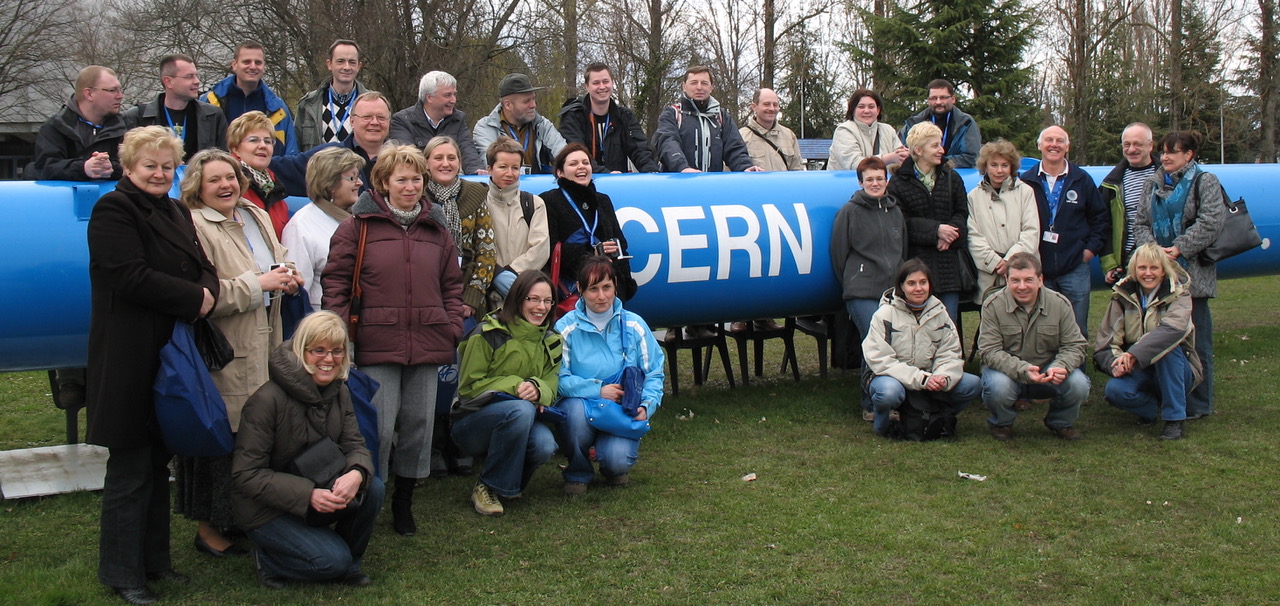
Some have taken important positions at CERN. Agnieszka Zalewska was chair of the CERN Council from 2013 to 2015, Ewa Rondio acted as a member of CERN’s directorate in 2009-2010 and Michał Turała chaired the electronics-and-computing-for-physics division in 1995-1998. Also, several of our colleagues were elected as members of CERN bodies such as the Scientific Policy Committee. Our national community at CERN is well integrated, and likes to pass the time outside working hours in particular during mountain hikes and summer picnics.
Poland’s accession to CERN membership 30 years ago was the very first case of the return of our nation to European structures, preceding the European Union and NATO. Poland joined the European Synchrotron Radiation Facility in 2004, the Institut Laue-Langevin in 2006 and the European Space Agency in 2012. It was also a founding member of the European Spallation Source and the Facility for Antiproton and Ion Research,and is a partner of the European X-ray Free-Electron Laser.
Today, six research institutes and 11 university departments located in eight major Polish cities are focused on high-energy physics. Among domestic projects that have benefitted from CERN technology-transfer is the Jagiellonian PET detector, which is exploring the use of inexpensive plastic scintillators for whole-body PET imaging, and the development of electron linacs for radiotherapy and cargo scanning at the National Centre for Nuclear Research in Świerk, Warsaw.
During the past few years, thanks to closer alignment between participation in CERN experiments and the national roadmap for research infrastructures, the long-term funding scheme for Poland’s CERN membership has been stabilised. This fact, together with the highlights described here, allow us to expect that in the future CERN will be even more “Polish”.
Experimental physicist Herbert Lengeler, who made great contributions to the development of superconducting radiofrequency (SRF) cavities, passed away peacefully on 26 January, just three weeks short of his 90th birthday.
Herbert was born in 1931 in the German- speaking region of Eastern Belgium. He studied mathematics and engineering at the Université Catholique de Louvain in Belgium, and experimental physics at RWTH Aachen University in Germany. He worked there as a scientific assistant and completed his PhD in 1963 on the construction of a propane bubble chamber, going on to perform experiments with this instrument on electron-shower production at the 200 MeV electron synchrotron of the University of Bonn.
In 1964 Herbert was appointed as a CERN staff member in the track chamber and accelerator research divisions. He was involved in the construction, testing and operation of an RF particle separator for a bubble chamber. In 1967 he then joined a collaboration between CERN and IHEP in Serpukhov, in the Soviet Union, within which he led the construction of an RF particle separator for both IHEP and the French bubble-chamber Mirabelle, which was installed in the same institution.
In 1971 the value of SRF separators for improved continuous-wave particle beams was recognised. This necessitated the use of SRF systems with high fields and low RF losses. Since a development programme for SRF had just been initiated at the Karlsruhe Institute of Technology in Germany, Herbert joined the research centre on behalf of CERN. In the following pioneering period up to 1978, he led the development of full-niobium SRF cavities operated at liquid-helium temperatures, with all required auxiliary systems.
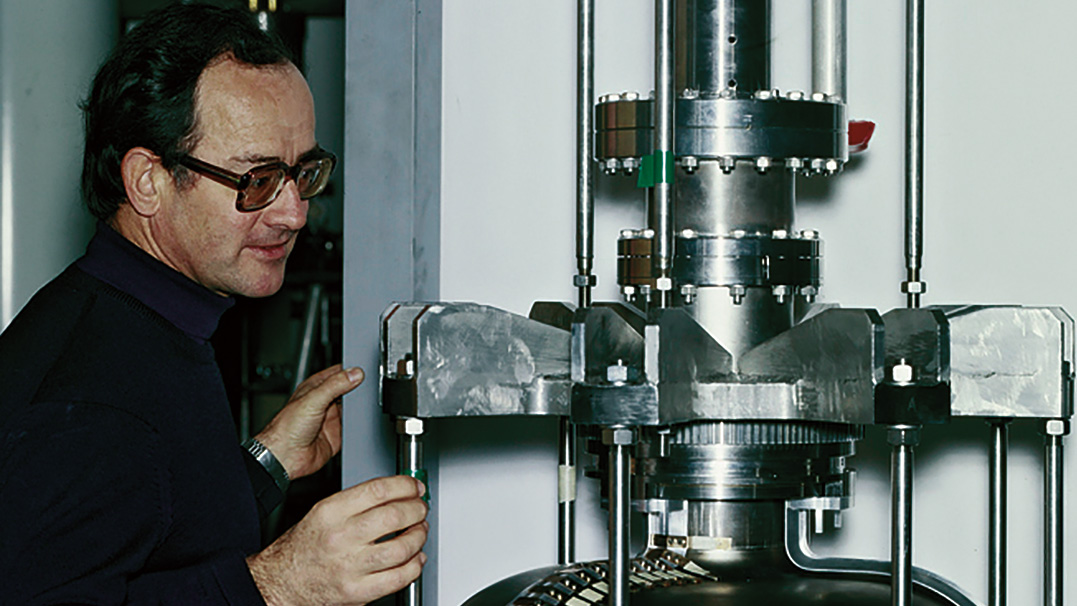
The success of the SRF separator led to ambitious plans for upgrading the energy of LEP at CERN, which were initiated in 1981. A first SRF cavity with its auxiliaries (RF couplers, frequency tuner, cryostat) was installed and successfully tested in 1983 in the PETRA collider at DESY in Hamburg. Following this, in 1987, an SRF cavity with all auxiliaries and a new helium refrigerator was installed and tested at CERN’s SPS. In parallel, Herbert orchestrated the development of niobium sputtering on copper cavities as a cheaper alternative to bulk niobium. Gradually, additional SRF cavities were installed in the LEP collider, resulting in a doubling of its beam energy by the end of its running period in 2000.
From 1989 onwards, Herbert gradually retired from the LEP upgrade programme and devoted more time to other activities at CERN, such as consultancy for SRF activities at KEK, DESY and Jefferson Lab. In 1993 he was appointed project leader for the next-generation neutron source for Europe, the European Spallation Source, a position he held until his retirement from the project and CERN in 1996.
Herbert was always interested in communicating his experience to younger people. From 1989 to 2001 he frequently gave lectures on accelerator physics and technology as an honorary professor at the Technical University of Darmstadt in Germany. In 1998 he was awarded an honorary doctorate from the Russian Academy of Sciences for his contribution to the CERN–IHEP collaboration.
Herbert was an enthusiastic musician. He had been married since 1959 to Rosmarie Müllender- Lengeler, and the couple had four children and 10 grandchildren.
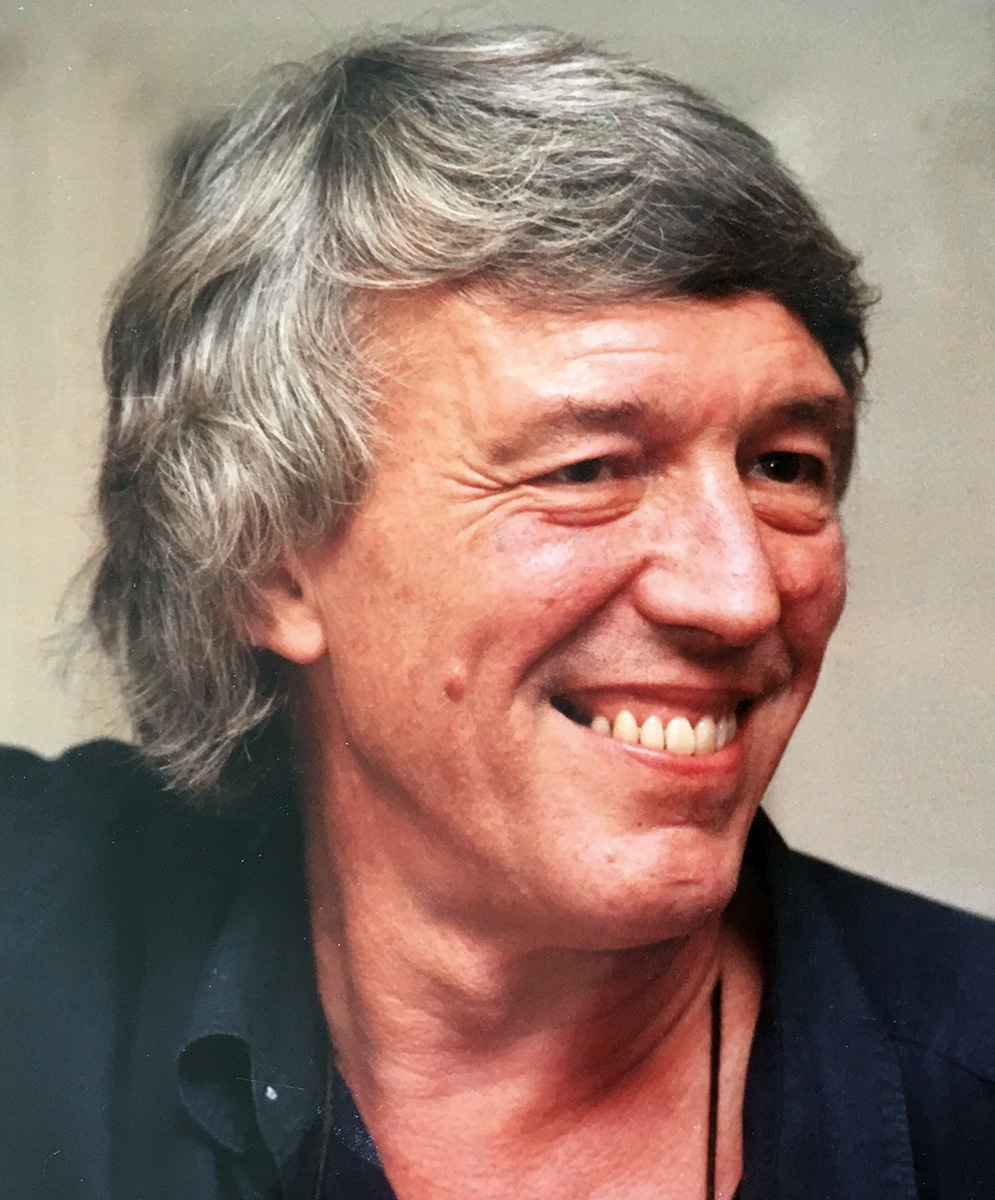
Our colleague and friend Luc Pape passed away on 9 April after a brief illness. Luc’s long and rich career covered all aspects of our field, from the early days of bubble-chamber physics in the 1960s and 1970s, to the analysis of CMS data at the LHC.
In the former, Luc contributed to the development of subtle methods of track reconstruction, measurement and event analysis. He participated in important breakthroughs, such as the first evidence for scaling violation in 1978 in neutrino interactions in BEBC and early studies of the structure of the weak neutral current. Luc developed software to allow the identification of produced muons by linking the extrapolated bubble-chamber tracks to the signals of the external BEBC muon identifier.
Luc’s very strong mathematical background was instrumental in these developments. He acquired a deep expertise in software and stayed at the cutting edge of this field. He also exploited clever techniques and rigorous methods that he adapted in further works. At the end of the bubble-chamber era, Luc was among the experts studying the computing environment of future experiments. He was also one of the people involved in the origin of the PhysicsAnalysis Workstation (PAW) tool.
After this, Luc joined the DELPHI collaboration. Analysing the computing needs of the LEP experiments, he was among the first to realise the necessity of moving from shared central computing to distributed farms for large experiments. He thus conceived, pushed and, with motivated collaborators, built and exploited the DELPHI farm (DELFARM), allowing physicists to rapidly analyse DELPHI data and produce data-summary (DST) files for the whole collaboration. Using his strong expertise in most available software tools, Luc progressively improved track analysis, quality checking and event viewing. DELPHI users will remember TANAGRA (track analysis and graphics package), the backbone of the DELANA (DELPHI analysis) program, and DELGRA for event visualisation.
Luc’s passion for physics never faded. Open minded, but with a predilection for supersymmetry (SUSY), the subtle phenomenology of which he mastered brightly, he became the very active leader of the DELPHI, and then of the full LEP SUSY groups.
After retiring from CERN in 2004, he enjoyed the hospitality of the ETH Zurich group in CMS, to which he brought his expertise on SUSY. Collaborating closely with many young physicists, he introduced into CMS the “stransverse mass” method for SUSY searches, and pioneered several leptonic and hadronic SUSY analyses. He first convened the CMS SUSY/BSM group (2003–2006), then the SUSY physics analysis group (2007–2008), preparing various topological searches to be performed with the first LHC collisions. Responsible for SUSY in the Particle Data Group from 2000–2012, he helped define SUSY benchmark scenarios within reach of hadron colliders, present and future. Comforted by the discovery of a light scalar boson in 2012 (a necessary feature of but not proof of SUSY), he continued exploring novel analysis methods and strategies to interpret any potential evidence for SUSY particles.
We will remember Luc for the exceptional combination of a genuine enthusiasm for physics, an outstanding competence and rigour in analysis, incorporating quite technical matters, and a deep concern about young colleagues with whom he interacted beautifully. Luc had a strong interest in other domains, including cosmology, African ethnicities and arts, and Mesopotamian civilisations. With his wife, he also undertook some quite demanding Himalayan treks.
We have lost a most remarkable and complete physicist, a man of great integrity, devoid of personal ambition, a rich personality, interested by many aspects of life, and a very dear friend.
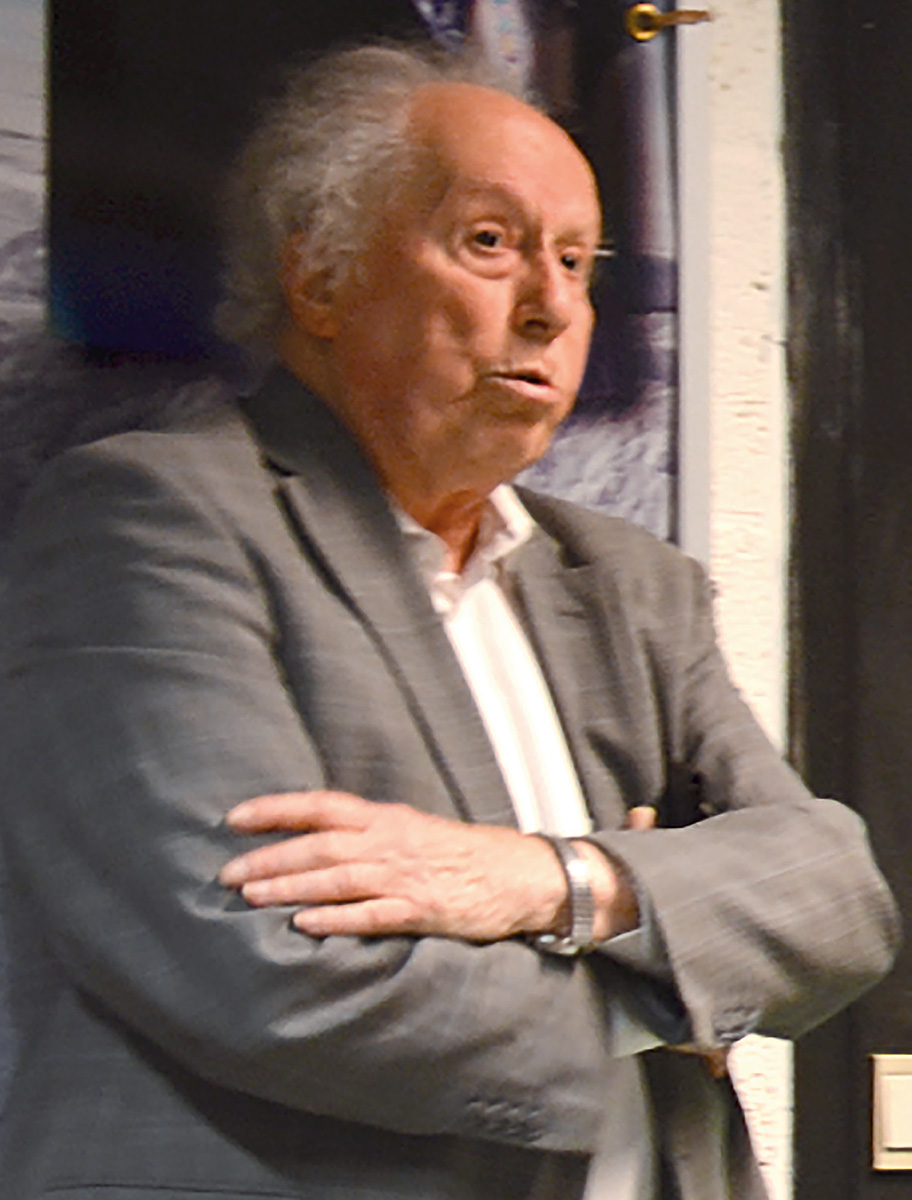
Jean Sacton, who put Belgium at the forefront of major discoveries in fundamental physics and the development of associated technologies, died peacefully in his home in Brussels on 12 February, aged 86. He combined his scientific qualities with great human ones, as a firm boss but always present, attentive, warm and intentioned.
Jean Sacton defended his bachelor’s thesis on mesic atoms in nuclear emulsion at Université Libre de Bruxelles (ULB) in 1956, continuing there for his PhD. From 1960 to 1965, he surrounded himself with young researchers focusing on the properties of hyper-fragments produced by the interactions of K mesons in nuclear emulsions, which required significant human resources to scan the emulsion foils with microscopes. He defended his thesis in 1961 and, three years later as an associate lecturer, became head of the newly created department of elementary particle physics.
At the end of the 1960s, Sacton became professor and a member of various committees, including the management of the Belgian Interuniversity Laboratory for High Energies.
The foundation in 1972 of the Interuniversity Institute for High Energies (IIHE) was largely due to his efforts during the preceding decade. Co-directed for many years by its two founders (Sacton for ULB and Jacques Lemonne for Vrije Universiteit Brussel), IIHE has become the main centre for experimental research in particle physics in Belgium, and promotes close collaboration with other Belgian institutes.
In the 1970s the IIHE strongly contributed to the scanning and analysis of data from the giant bubble chambers GARGAMELLE and BEBC. In 1973 IIHE staff scanned one of the three events that spectacularly confirmed the existence of the weak neutral current, for which Sacton, together with the other members of the Gargamelle collaboration, received the European Physical Society’s High Energy and Particle Physics Prize in 2009. Other firsts that Sacton was involved in during the bubble-chamber era included the first direct observation of charged charmed particles in nuclear emulsions, and the measurement of the violation of scale invariance in deep-inelastic scattering.
Later, the IIHE, in collaboration with the University of Antwerpen and the University of Mons-Hainaut, contributed to the DELPHI experiment at LEP, for which they built the electronics for the muon chambers. The laboratory also engaged in the H1 collaboration at HERA, DESY. The Belgian contribution to H1 included the construction of two cylindrical multi-wire proportional chambers and associated data acquisition all of the detector’s multi-wire proportional chambers, during which Sacton continuously ensured that technical staff were retrained to keep up with the rapid pace of change.
At the same time, he became a member of the European Committee for Future Accelerators (as chair from 1984 to 1987), the CERN Super Proton Synchrotron Committee, the CERN Scientific Policy Committee, and the extended Scientific Council of DESY. While dean of the ULB sciences faculty from 1991–1995, he remained active as director of the laboratory, leaving to his teams the task of analysing DELPHI, H1 and CHORUS data, and preparing the IIHE contribution to the CMS experiment. In 1994 he became president of the particles and fields commission of the International Union for Pure and Applied Physics and a member of the International Committee for Future Accelerators, and from 1991–1994 chaired the High-Energy Physics Computer Coordinating Committee. He formally retired in 1999.
Jean Sacton lived a major scientific adventure starting from the discovery of the first mesons to the completion of the Standard Model. Through his quiet strength, professionalism, foresight and entrepreneurial spirit, he founded, developed and sponsored this field of research at ULB and made it shine far beyond.
On 22 December we lost our colleague and friend, a brilliant theoretical nuclear physicist, Vladimir Kukulin.
Vladimir Kukulin was born in Moscow in 1939. He graduated with honours from the Moscow Engineering Physics Institute in 1965, where he started his physics studies under the supervision of Arkady Migdal. Vladimir obtained his PhD in 1971 and his DSc in 1991. For more than 55 years, he worked in the Institute of Nuclear Physics at Moscow State University (MSU), becoming professor of theoretical physics in 1997 and head of the laboratory for atomic nucleus theory in 2012.
Vladimir had many close scientific relations, including the supervision of students’ work, at JINR (Dubna), KazNU (Almaty) and other leading physics institutes in Russia, Kazakhstan, Uzbekistan and Ukraine. He worked as a visiting professor and gave lectures at universities in the Czech Republic, Germany, the UK, Italy, Belgium, France, the US, Canada, Mexico, Japan and Australia, and since 1996 had maintained a scientific cooperation between MSU and the University of Tübingen.
Vladimir’s research interests embraced theoretical hadronic, nuclear and atomic physics, few-body physics, nuclear astrophysics, quantum scattering theory, mathematical and computational physics, among others. Many of the approaches he developed, such as the multi-cluster model of light nuclei, the method of orthogonalising pseudopotentials, and the stochastic variational method, opened new directions in nuclear physics and quantum theory of few- and many-body scattering. During the past two decades, Vladimir and his co-workers developed the effective wave-packet continuum discretisation approach for quantum scattering, and proposed a scheme for the ultra-fast quantum scattering calculations on a graphics processing unit.
A deep understanding of nuclear and mathematical physics allowed Vladimir to suggest, in 1998, a new mechanism for the short-range nucleon–nucleon (NN) interaction based on the formation of the intermediate six-quark bag dressed by meson clouds (the dressed dibaryon). He developed, with his colleagues from MSU and the University of Tübingen, the original dibaryon concept for the nuclear force, which received new experimental confirmation with the discovery of hexaquark states at COSY (Jülich) in 2011. More recently, Vladimir and his coauthors demonstrated the decisive role of dibaryon resonances in NN elastic scattering and NN-induced meson production at intermediate energies.
A combination of strong intuition, comprehensive knowledge, and experience in various fields of science and technology, enabled Vladimir to generate new ideas and carry out pioneering interdisciplinary research at the intersection of physics, mathematics, chemistry and engineering. He made an indispensable contribution to solving important applied problems, such as controlled thermonuclear fusion, cleaning of natural gas, fire-fighting and neutron-capture cancer therapy.
Vladimir was distinguished by non-standard thinking, humanity, a sparkling sense of humour and an inexhaustible love of life. His enthusiasm and intellectual freedom inspired several generations of his colleagues and students. We will always remember Vladimir as an outstanding scientist, a wise teacher and a good friend.
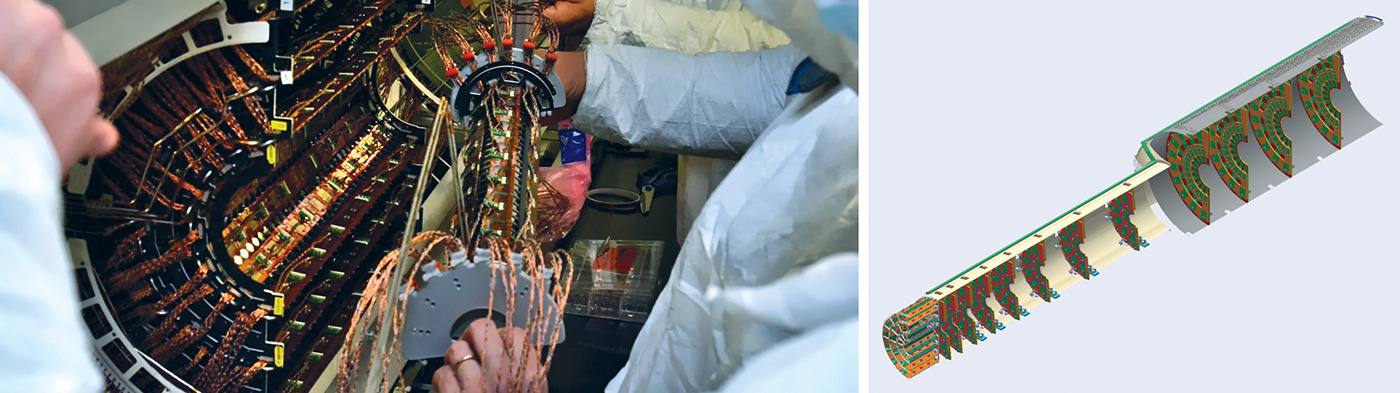
The original silicon pixel detector for CMS – comprising three barrel layers and two endcap disks – was designed for a maximum instantaneous luminosity of 1034 cm–2 s–1 and a maximum average pile-up of 25. Following LHC upgrades in 2013–2014, it was replaced with an upgraded system (the CMS Phase-1 pixel detector) in 2017 to cope with higher instantaneous luminosities. With a lower mass and an additional barrel layer and endcap disk, it was an evolutionary upgrade maintaining the well-tested key features of the original detector while enabling higher-rate capability, improved radiation tolerance and more robust tracking. During Long Shutdown 2, maintenance work on the Phase-1 device included the installation of a new innermost layer (see “Present and future” image) to enable the delivery of high-quality data until the end of LHC Run 3.
During the next long shutdown, scheduled for 2025, the entire tracker detector will be replaced in preparation for the High-Luminosity LHC (HL-LHC). This Phase-2 pixel detector will need to cope with a pile-up and hit rate eight times higher than before, and with a trigger rate and radiation dose 7.5 and 10 times higher, respectively. To meet these extreme requirements, the CMS collaboration, in partnership with ATLAS via the RD53 collaboration, is developing a next-generation hybrid-pixel chip utilising 65 nm CMOS technology. The overall system is much bigger than the Phase-1 device (~5 m2 compared to 1.75 m2) with vastly more read-out channels (~2 billion compared to 120 million). With six-times smaller pixels, increased detection coverage, reduced material budget, a new readout chip to enable a lower detection threshold, and a design that continues to allow easy installation and removal, the state-of-the-art Phase-2 pixel detector will serve CMS well into the HL-LHC era.
LHCb’s Vertex Locator (VELO) has played a pivotal role in the experiment’s flavour-physics programme. Contributing to triggering, tracking and vertexing, and with a geometry optimised for particles traveling close to the beam direction, its 46 orthogonal silicon-strip half-disks have enabled the collaboration to pursue major results. These include the 2019 discovery of CP violation in charm using the world’s largest reconstructed samples of charm decays, a host of matter–antimatter asymmetry measurements and rare-decay searches, and the recent hints of lepton non-universality in B decays.
Placing the sensors as close as possible to the primary proton–proton interactions requires the whole VELO system to sit inside the LHC vacuum pipe (separated from the primary vacuum by a 1.1 m-long thin-walled “RF foil”), and a mechanical system to move the disks out of harm’s way during the injection and stabilisation of the beams. After more than a decade of service witnessing the passage of some 1026 protons, the original VELO is now being replaced with a new one to prepare for a factor-five increase in luminosity for LHCb in LHC Run 3.
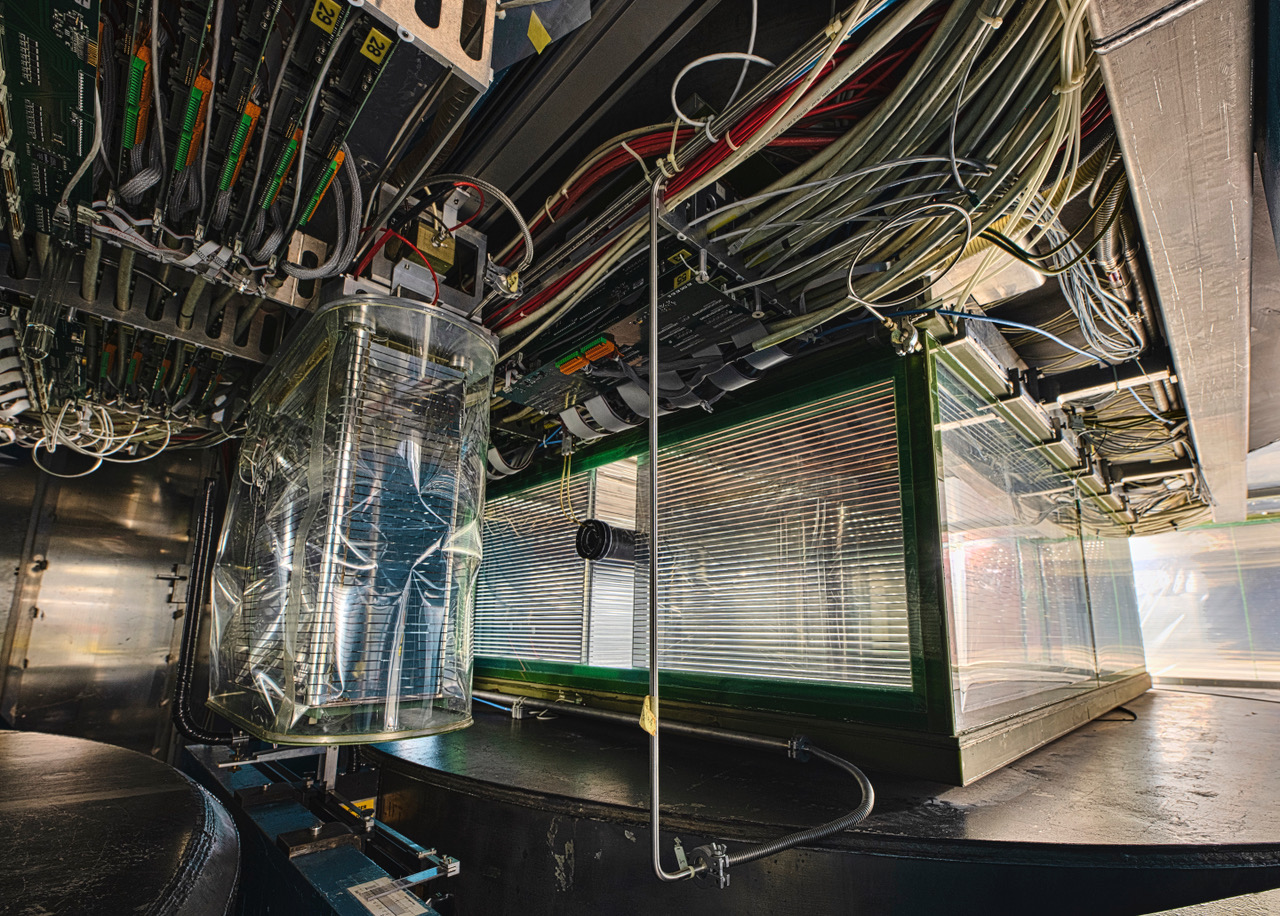
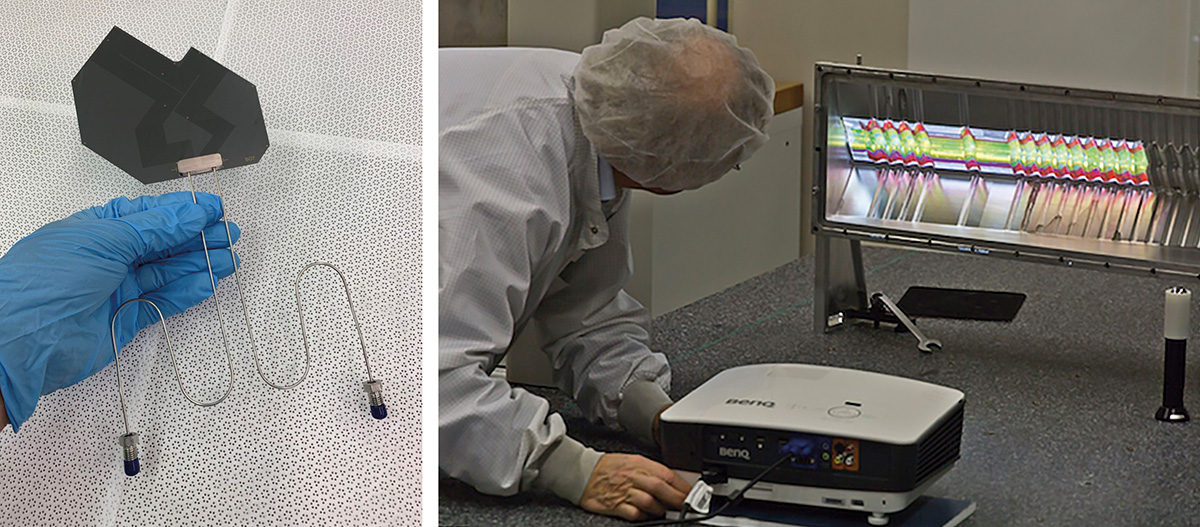
The entirety of the new VELO will be read out at a rate of 40 MHz, requiring a huge data bandwidth: up to 20 Gbits/s for the hottest ASICs, and 3 Tbit/s in total. Cooling using the minimum of material is another major challenge. The upgraded VELO will be kept at –20° via the novel technique of evaporative CO2 circulating in 120 × 200 µm channels within a silicon substrate (see “Fine structure” image, left). The harsh radiation environment also demands a special ASIC, the VeloPix, which has been developed with the CERN Medipix group and will allow the detector to operate a much more efficient trigger. To cope with increased occupancies at higher luminosity, the original silicon strips have been replaced with pixels. The new sensors (in the form of rectangles rather than disks) will be located even closer to the interaction point (5.1 mm versus the previous 8.2 mm for the first measured point), which requires the RF foil to sit just 3.5 mm from the beam and 0.9 mm from the sensors. The production of the foil was a huge technical achievement. It was machined from a solid-forged aluminium block with 98% of the material removed and the final shape machined to a thickness of 250 µm, with further chemical etching taking it to just 100 µm (see “Fine structure” image, right).
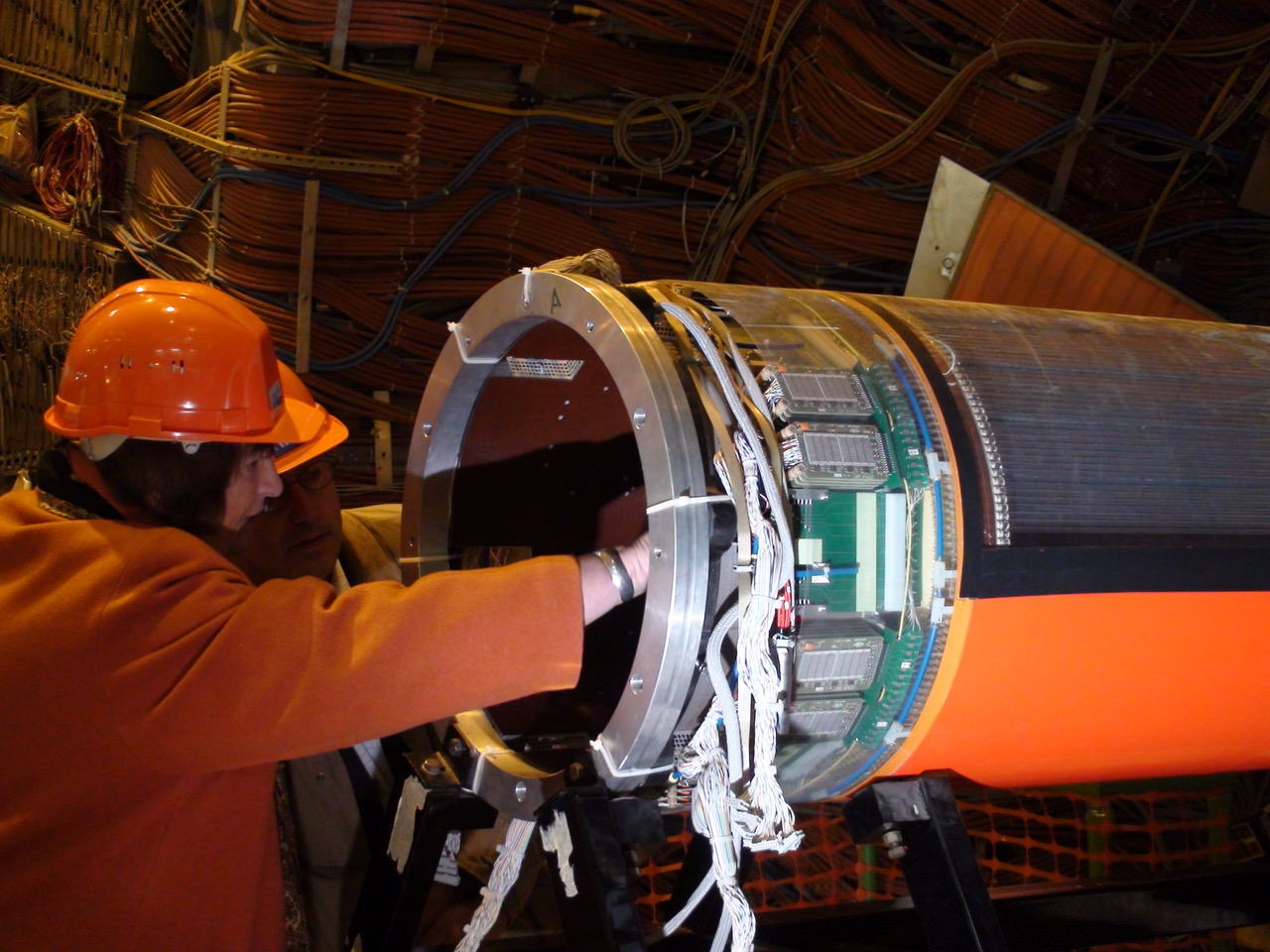
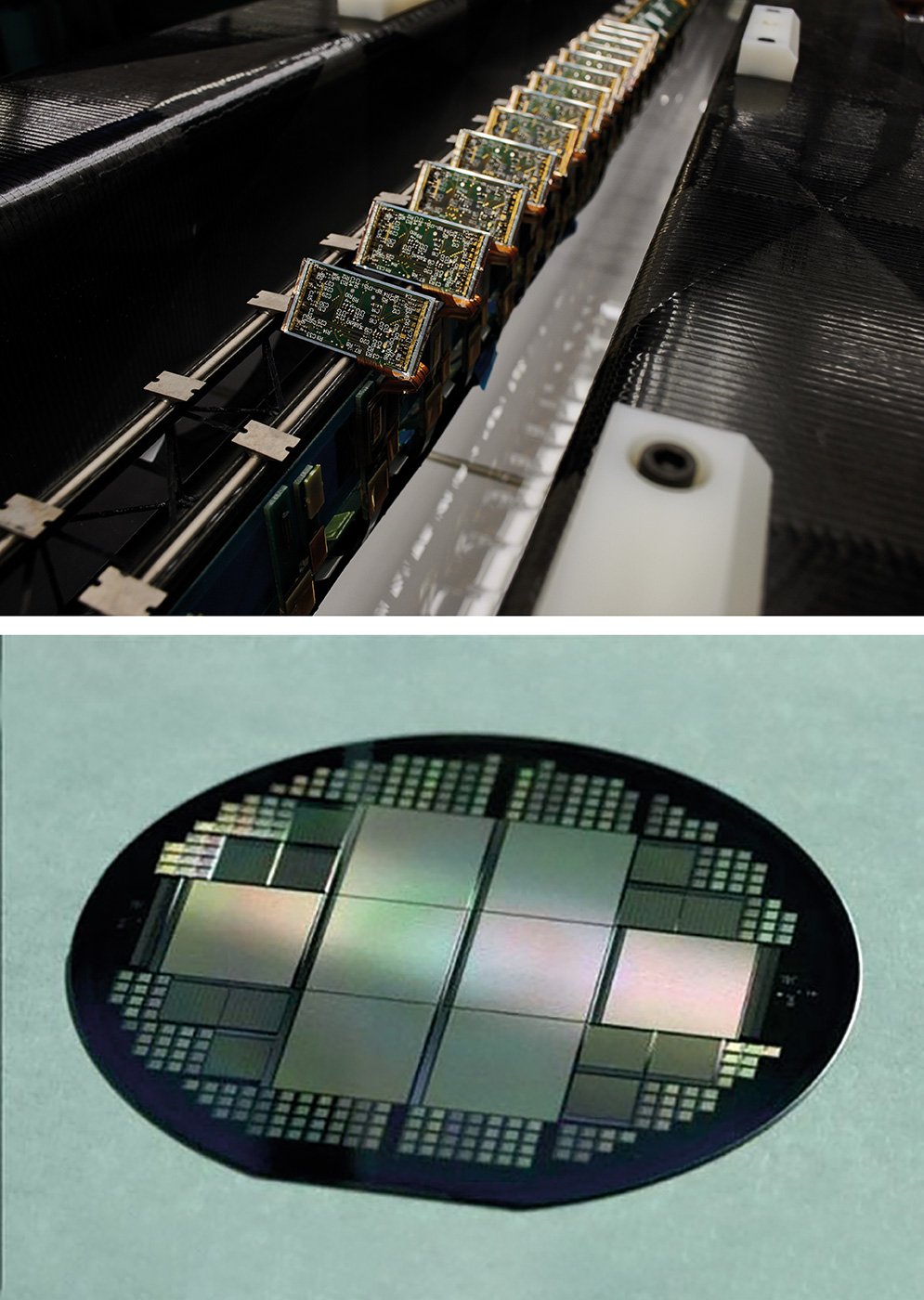
Around half of the VELO-module production is complete, with the work shared between labs in the UK and the Netherlands (see “In production” image). Assembly of the 52 modules into the “hood”, which provides cooling, services and vacuum, is now under way, with installation in LHCb scheduled to start in August. The VELO Upgrade I is expected to serve LHCb throughout Run 3 and Run 4. Looking further to the future, the next upgrade will require the detector to operate with a huge jump in luminosity, where vertexing will pose a significant challenge. Proposals under consideration include a new “4D” pixel detector with time-stamp information per hit, which could conceivably be achieved by moving to a smaller CMOS node. At this stage, however, the collaboration is actively investigating all options, with detailed technical design reports expected towards the middle of the decade.
The ATLAS collaboration upgraded its original pixel detector in 2014, adding an innermost layer to create a four-layer device. The new layer contained a much smaller pitch, 3D sensors at large angles and CO2 cooling, and the pixel tracker will continue to serve ATLAS throughout LHC Run 3. Like CMS, the collaboration has long been working towards the replacement of the full inner tracker during the next long shutdown expected in 2025, in preparation for HL-LHC operations. The innermost layers of this state-of-the-art all-silicon tracker, called the ITk, will be built from pixel detectors with an area almost 10 times larger than that of the current device. With 13 m2 of active silicon across five barrel layers and two end caps, the pixel detector will contribute to precision tracking up to a pseudorapidity |η| = 4, with the innermost two layers expected to be replaced a few years into the HL-LHC era, and the outermost layers designed to last the lifetime of the project. Most of the detector will use planar silicon sensors, with 3D sensors (which are more radiation-hard and less power-hungry) in the innermost layer. Like the CMS Phase-2 pixel upgrade, the sensors will be read out by new chips being developed by the RD53 collaboration, with support structures made of low-mass carbon materials and cooling provided by evaporative CO2 flowing in thin-walled pipes. The device will have a total of 5.1 Gpixels (55 times more than the current one), and the very high expected HL-LHC data rates, especially in the innermost layers, will require the development of new technologies for high-bandwidth transmission and handling. The ITk pixel detector is now in the final stages of R&D and moving into production. After that, the final stages of integrating the subdetectors assembled in ATLAS institutes worldwide will take place on the surface at CERN before final installation underground.
Recent measurements bolstering the longstanding tension between the experimental and theoretical values of the muon’s anomalous magnetic moment generated a buzz in the community. Though with a much lower significance, a similar puzzle may also be emerging for the anomalous magnetic moment of the electron, ae.
Depending on which of two recent independent measurements of the fine-structure constant is used in the theoretical calculation of ae – one obtained at Berkeley in 2018 or the other at Kastler–Brossel Laboratory in Paris in 2020 – the Standard Model prediction stands 2.4σ higher or 1.6σ lower than the best experimental value, respectively. Motivated by this inconsistency, the NA64 collaboration at CERN set out to investigate whether new physics – in the form of a lightweight “X boson” – might be influencing the electron’s behaviour.
The generic X boson could be a sub- GeV scalar, pseudoscalar, vector or axial- vector particle. Given experimental constraints on its decay modes involving Standard Model particles, it is presumed to decay predominantly invisibly, for example into dark-sector particles. NA64 searches for X bosons by directing 100 GeV electrons generated by the SPS onto a target, and looking for missing energy in the detector via electron–nuclei scattering e–Z → e–ZX.
The result sets new bounds on the e–X interaction strength
Analysing data collected in 2016, 2017 and 2018, corresponding to about 3 × 10¹¹ electrons-on-target, the NA64 team found no evidence for such events. The result sets new bounds on the e–X interaction strength and, as a result, on the contributions of X bosons to ae: X bosons with a mass below 1 GeV could contribute at most between one part in 1015 and one part in 1013, depending on the X-boson type and mass. These contributions are too small to explain the current anomaly in the electron’s anomalous magnetic moment, says NA64 spokesperson Sergei Gninenko. “But the fact that NA64 reached an experimental sensitivity that is better than the current accuracy of the direct measurements of ae, and of recent high-precision measurements of the fi ne-structure constant, is amazing.”
In a separate analysis, the NA64 team carried out a model-independent search for a particular pseudoscalar X boson with a mass of around 17 MeV. Coupling to electrons and decaying into e+e– pairs, the so-called “X17” has been proposed to explain an excess of e+e– pairs created during nuclear transitions of excited 8Be and 4He nuclei reported by the “ATOMKI” experiment in Hungary since 2015.
The e-X17 coupling strength is constrained by data: too large and the X17 would contribute too much to ae; too small and the X17 would decay too rarely and too far away from the ATOMKI target. In 2019, the NA64 team excluded a large range of couplings, although at large values, for a vector-like X17. More recently, they searched for a pseudoscalar X17, which has a lifetime about half that of the vector version for the same coupling strength. Re-analysing a sample of approximately 8.4 × 10¹⁰ electrons-on-target collected in 2017 and 2018 with 100 and 150 GeV electrons, respectively, the collaboration has now excluded couplings in the range 2.1–3.2 × 10⁻⁴ for a 17 MeV X-boson.
“We plan to further improve the sensitivity to vector and pseudoscalar X17’s after long shutdown 2, and also try to reconstruct the mass of X17, to be sure that if we see the signal it is the ATOMKI boson,” says Gninenko.
Naples, 1938. Ettore Majorana, one of the physics geniuses of the 20th century, disappears mysteriously and never comes back. A tragedy, and a mystery that has captivated many writers.
The latest oeuvre, Nils Barrellon’s Le Neutrino de Majorana, is a French-language detective novel situated somewhere at the intersection of physics history and science outreach. Beginning with Majorana’s birth in 1906, Barrellon highlights the events that shaped and established quantum mechanics. With factual moments and original letters, he focuses on Majorana’s personal and scholarly life, while putting a spotlight on the ragazzi di via Panisperna and other European physicists who had to face the Second World War. In parallel, a present-day neutrino physicist is found killed right at the border of France and Switzerland. Majorana’s volumetti (his unpublished research notes) become the leitmotif unifying the two stories. Barrellon compares the two eras of research by entangling the storylines to reach a dramatic climax.
Using the crime hook as the predominant storyline, the author keeps the lay reader on the edge of their seat, while comically playing with subtleties most Cernois would recognise, from cultural differences between the two bordering countries to clichés about particle physicists, via passably detailed procedures of access to the experimental facilities – a clear proof of the author (who is also a physics school teacher) having been on-site. The novel feels like a tailor-made detective story for the entertainment of physicists and physics enthusiasts alike.
And, at the end of the day, what explanation for Majorana’s disappearance could be more soothing than a love story?
To provide the best experiences, we use technologies like cookies to store and/or access device information. Consenting to these technologies will allow us to process data such as browsing behavior or unique IDs on this site. Not consenting or withdrawing consent, may adversely affect certain features and functions.
Functional
Always active
The technical storage or access is strictly necessary for the legitimate purpose of enabling the use of a specific service explicitly requested by the subscriber or user, or for the sole purpose of carrying out the transmission of a communication over an electronic communications network.
Preferences
The technical storage or access is necessary for the legitimate purpose of storing preferences that are not requested by the subscriber or user.
Statistics
The technical storage or access that is used exclusively for statistical purposes.The technical storage or access that is used exclusively for anonymous statistical purposes. Without a subpoena, voluntary compliance on the part of your Internet Service Provider, or additional records from a third party, information stored or retrieved for this purpose alone cannot usually be used to identify you.
Marketing
The technical storage or access is required to create user profiles to send advertising, or to track the user on a website or across several websites for similar marketing purposes.