Comsol -leaderboard other pages

Topics

Top quark weighs in with unparalleled precision

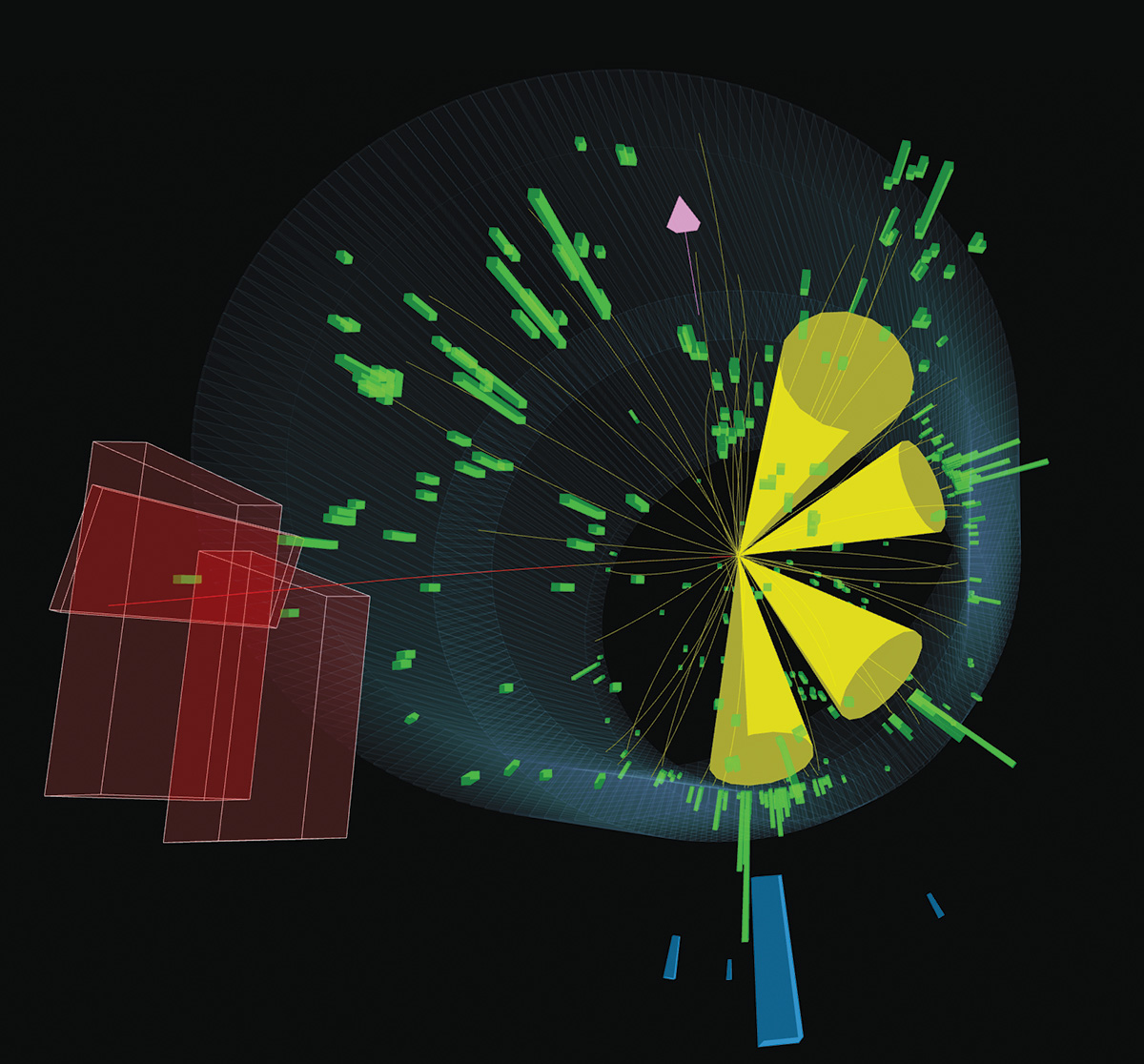
A top-quark pair at the LHC

The CMS collaboration has substantially improved on its measurement of the top-quark mass. The latest result, 171.77 ± 0.38 GeV, presented at CERN on 5 April, represents a precision of about 0.22% – compared to the 0.36% obtained in 2018 with the same data. The gain comes from new analysis methods and improved procedures to consistently treat uncertainties in the measurement simultaneously.

As the heaviest elementary particle, precise knowledge of the top-quark mass is of paramount importance to test the internal consistency of the Standard Model. Together with accurate knowledge of the masses of the W and Higgs bosons, the top-quark mass is no longer a free parameter but a clear prediction of the Standard Model. Since the top-quark mass dominates higher-order corrections to the Higgs-boson mass, a precise measurement of the top mass also places strong constraints on the stability of the electroweak vacuum (see The Higgs and the fate of the universe). 

Since its discovery at Fermilab in 1995, the mass of the top quark has been measured with increasing precision using the invariant mass of different combinations of its decay products. Measurements by the Tevatron experiments resulted in a combined value of 174.30 ± 0.65 GeV, while the ATLAS and CMS collaborations measured 172.69 ± 0.48 GeV and 172.44 ± 0.48 GeV, respectively, from the combination of their most precise results from LHC Run 1 recorded at a centre-of-mass energy of 8 TeV. The latter measurement achieved a relative precision of about 0.28%. In 2019, the CMS collaboration also experimentally investigated the running of the top quark mass – a prediction of QCD that causes the mass to vary as a function of energy – for the first time at the LHC. 

The LHC produces top quarks predominantly in quark–antiquark pairs via gluon fusion, which then decay almost exclusively to a bottom quark and a W boson. Each tt event is classified by the subsequent decay of the W bosons. The latest CMS analysis uses semileptonic events – where one W decays into jets and the other into a lepton and a neutrino – selected from 36 fb–1 of Run 2 data collected at a centre-of-mass energy of 13 TeV. Five kinematical variables, as opposed to up to three in previous analy­ses, were used to extract the top-quark mass. While the extra information in the fit improved the precision of the measurement in a novel and unconventional way, it made the analysis significantly more complicated. In addition, the measurement required an extremely precise calibration of the CMS data and an in-depth understanding of the remaining experimental and theoretical uncertainties and their interdependencies. 

The final result, 171.77 ± 0.38 GeV, which includes 0.04 GeV statistical uncertainty, is a considerable improvement compared to all previously published top-quark mass measurements and supersedes the previously published measurement in this channel using the same data set. 

“The cutting-edge statistical treatment of uncertainties and the use of more information have vastly improved this new measurement from CMS,” says Hartmut Stadie of the University of Hamburg, who contributed to the result. “Another big step is expected when the new approach is applied to the more extensive dataset recorded in 2017 and 2018.”

Gérard Bachy 1942–2022

Gérard Bachy

Gérard Bachy arrived at CERN in 1967, straight after graduating from ETH Zurich, and spent his entire 35-year career there. He started off as a mechanical engineer with the Big European Bubble Chamber, where he was in charge of the design and manufacture of the expansion system. In 1972 he joined the team of John Adams that was building CERN’s new flagship facility, the Super Proton Synchrotron (SPS), taking on responsibility for its coordination and installation. The first protons were injected into the SPS on 3 May 1976. Gérard was then approached by Giorgio Brianti, deputy head of the SPS division, to set up a section in charge of the underground-area infrastructure and installation of the experiments. He formed a motivated team where new ideas thrived and were put into practice – including a bicycle-driven system for moving detector components weighing several dozen tonnes using air cushions. 

In 1981, when the huge Large Electron–Positron (LEP) collider project was taking shape, Gérard and his team were brought in by director-in-charge Emilio Picasso. They were soon merged with the engineering group to become the LEP–IM group, which went on to play a key role in the realisation of LEP. More innovations were in store to solve the many challenges associated with this project: modular access shafts; a monorail to facilitate the installation of various components; highly precise planning, logistics and others. The project moved fast, culminating in the start-up of LEP on 14 July 1989.

The engineering for the accelerators was spread across the various CERN divisions, which hampered efficiency. In 1990, Director-General Carlo Rubbia entrusted Gérard with bringing all the different activities together under one umbrella, and the mechanical technologies division was born. Over the next five years, the focus was on modernising the facilities, infrastructures and working methods, first for the LEP200 project and then for the LHC preparations. Gérard fostered the development of the engineering and equipment data-management service, encouraged the creation of quality assurance plans and promoted a project-management culture.

In 1996, Hans Hoffmann, the technical coordinator for ATLAS, appointed Gérard as project engineer in his technical coordination and integration team. Gérard’s experience was to have a big impact on important technical choices, such as the “large wheel” concept for the ATLAS muon spectrometer. He retired in June 2001 to be able to devote more time to his other great passions, sailing and travel. 

Gérard Bachy was a brilliant engineer and a charismatic leader. He played an undisputed role at the top level of engineering at CERN and acted as a mentor for many of us.

Jean-Charles Chollet 1938–2021

Jean-Charles Chollet

Experimental particle physicist Jean-Charles (Charlie) Chollet passed away on 24 August 2021. He had spent his whole scientific career at CERN, working as a member of the Orsay Laboratoire de l’Accélérateur Linéaire. His work was always in the area of precision measurements involving subtle analyses.

Charlie started at the CERN Proton Synchrotron with his thesis, defended in 1969 under the supervision of Jean-Marc Gaillard, on the observation of the interference between KL and KS in the π0π0 decay mode. He then contributed to the WA2 experiment at the Super Proton Synchrotron (SPS) studying leptonic decays of hyperons, where he took care of one of the most difficult components of the detector, the DISC Cherenkov counter, which led to the impressive achievement of separating ~200 GeV/c Σ– and Ξ– hyperons thanks to a combination of subtle optics and of a complex system of photodetection. He then participated in the UA2 experiment at the SPS pp̅ collider, where he was in charge of the pre-shower detector calibration and performance. 

Later he engaged himself in the preparation of the ATLAS experiment at the LHC, where he performed several studies, notably on the pileup background properties and their expected impact on the design of the liquid-argon calorimeter electronics. He also participated in test-beam analysis of early “accordion calorimeters”, prototypes of this same calorimeter. He ended his career at the NA48 experiment, which was measuring the direct CP violation parameter ε´/ε in neutral kaon decays and where he made an important contribution with the analysis of kaon scattering in the collimator. From small inconsistencies in the data, he managed to find and understand the source of this background, thereby allowing it to be precisely taken into account in the measurement.

He was a great sportsman, especially sailing, skiing and cycling. Those who worked with Jean-Charles Chollet will always remember the pleasure of his company, his dry sense of humour and the depth and refinement of his work, which was always presented with the utmost modesty.

Dead-cone effect exposed by ALICE

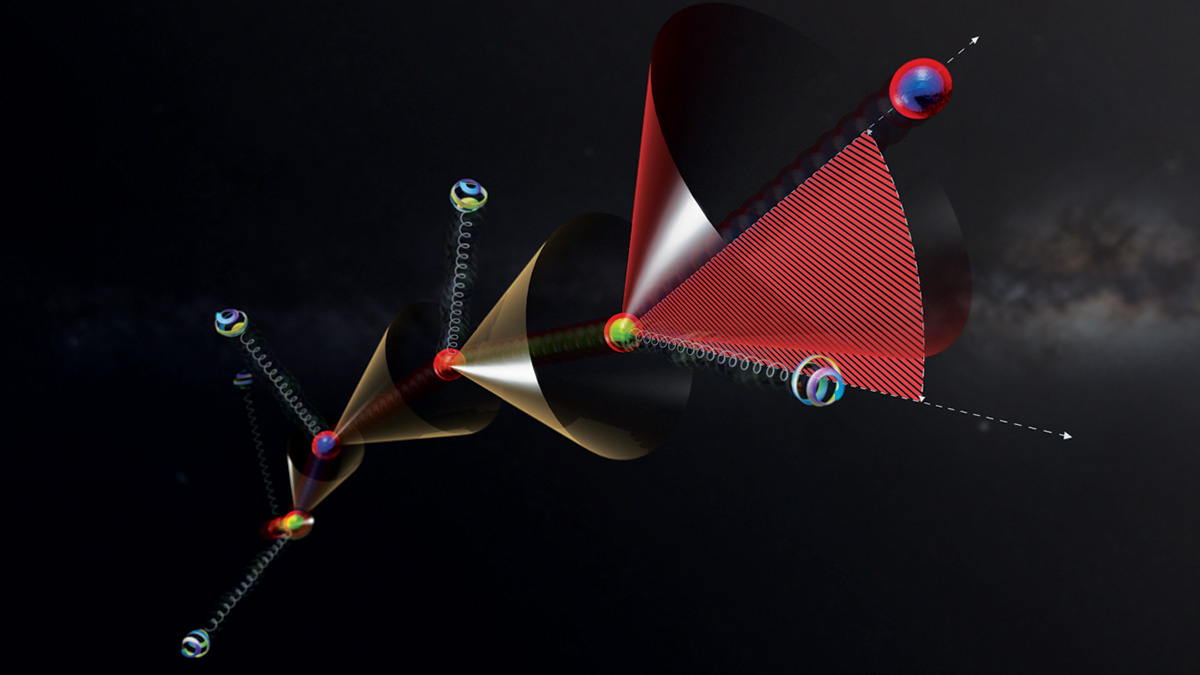
A charm quark in a parton shower

More than 30 years after it was predicted, a phenomenon in quantum chromodynamics (QCD) called the dead-cone effect has been directly observed by the ALICE collaboration. The result, reported in Nature on 18 May, not only confirms a fundamental feature of the theory of the strong force, but enables a direct experimental observation of the non-zero mass of the charm quark in the partonic phase.

In QCD, the dead-cone effect predicts a suppression of gluon bremsstrahlung from a quark within a cone centred on the quark’s flight direction. This cone has an angular size mq/E, where mq is the mass of the quark and E is its energy. The effect arises due to the conservation of angular momentum during the gluon emission and is significant for low-energy heavy-flavour quarks. 

The dead cone has been indirectly observed at particle colliders. A direct observation from the parton shower’s radiation pattern has remained challenging, however, because it relies on the determination of the emission angle of the gluon, as well as the emitting heavy-flavour quark’s energy, at each emission vertex in the parton shower (see “Showering” figure). This requires a dynamic reconstruction of the cascading quarks and gluons in the shower from experimentally accessible hadrons, which had not been possible until now. In addition, the dead-cone region can be obscured and filled by other sources such as the decay products of heavy-flavour hadrons, which must be removed during the measurement.

To observe the dead-cone effect directly, ALICE used jets tagged with a reconstructed D0-meson in a 25 nb–1 sample of pp collisions at a centre-of-mass-energy of 13 TeV collected between 2016 and 2018. The D0-mesons were reconstructed with transverse momenta between 2 and 36 GeV/c through their decay into a kaon and pion pair. Jet-finding was then performed on the events with the “anti-kT” algorithm, and jets with the reconstructed D0-meson amongst their constituents were tagged. The team used recursive jet-clustering techniques to reconstruct the gluon emissions from the radiating charm quark by following the branch containing the D0-meson at each de-clustering step, which is equivalent to following the emitting charm quark through the shower. A similar procedure was carried out on a flavour-untagged sample of jets, which contain primarily gluon and light-quark emissions and form a baseline where the dead-cone effect is absent.

Comparisons between the gluon emissions from charm quarks and from light quarks and gluons directly reveal the dead-cone effect through a suppression of gluon emissions from the charm quark at small angles, compared to the emissions from light quarks and gluons. Since QCD predicts a mass-dependence of the dead cones, the result also directly exposes the mass of the charm quark, which is otherwise inaccessible due to confinement. ALICE’s successful technique to directly observe a parton shower’s dead cone may therefore offer a way to measure quark masses.

The upgraded ALICE detector in LHC Run 3 will enable an extension of the measurement to jets tagged with a B+ meson. This will allow the reconstruction of gluon emissions from beauty quarks which, due to their larger mass, are expected to have a larger dead cone than charm quarks. Comparisons between the angular distribution of gluon emissions from beauty quarks and those from charm quarks will isolate mass-dependent effects in the shower and remove the contribution from effects pertaining to the differences between quark and gluon fragmentation, bringing deeper insights into the intriguing workings of the strong force.

Tom Cormier 1947–2022

Tom Cormier

Long-time ALICE collaborator and authority in relativistic heavy-ion physics, Tom Cormier, passed away on 23 March after a brief illness. Tom was born in 1947 in Lexington, a suburb of Boston. After high school he went to MIT where he did both his undergraduate and graduate studies. He was an amazing physicist with a strong drive to explore the frontiers of relativistic nuclear physics, and a profound understanding of the field that enabled him to build the best tools to take us to those frontiers. 

After obtaining his PhD from MIT in 1974, Tom took up postdoc positions at Stony Brook and the Max Planck Institute. He then joined the University of Rochester, where he later became director of the Nuclear Structure Research Laboratory. In 1988 he moved to the Cyclotron Institute at Texas A&M University where he stayed for three years. Wayne State University was his next move, where he was chair of the physics and astronomy department. Tom joined the ORNL Physics Division in 2013, and reinvigorated the relativistic nuclear physics group and expanded ORNL’s very successful involvement in the ALICE experiment at the LHC, sPHENIX at RHIC and most recently in the Electron-Ion Collider (EIC) under construction at Brookhaven.

Tom’s work spanned an amazing breadth of physics and technology. Early on he worked on carbon–carbon inelastic scattering and scattering resonances; he then moved to experiments with recoil mass spectrometers at Brookhaven. Tom shifted his focus to relativistic heavy-ion physics with the AGS-E864 experiment at Brookhaven, followed by the STAR experiment at RHIC. He was the project manager for the construction of the STAR electromagnetic calorimeter and worked on the experiment from 1996 to 2005. 

Tom was one of the key scientists enabling the US heavy-ion community to join the LHC by proposing the large electromagnetic calorimeter EMCAL for ALICE and by forming the ALICE US collaboration. He was project manager for ALICE US, with a key responsibility for EMCAL and its later extension, the di-jet calorimeter, DCAL. Having successfully completed this project, he took on the leadership of the barrel tracker upgrade for ALICE. He was an architect of the TPC upgrade and was TPC deputy project leader from 2013. His true leadership and professionalism have been central to the success of ALICE in the past two decades. Tom most recently helped form the ECCE detector concept for the EIC. 

Both a great leader and project manager, Tom was a real inspiration, not only to his close colleagues but also to the broader community that held him in such high regard. He has been a wonderful mentor to many of us, and his contributions to the global physics programme, and to the ORNL physics division in particular, have been immense. He was an expert navigator of the various funding agencies and always showed immense calm during numerous DOE reviews, his dry sense of humour reflected in one of his memorable quips: “If I would wear a suit today, the DOE would be sure we screwed up badly.” He will be sorely missed but his legacy will remain.

Alberto Sirlin 1930–2022

Alberto Sirlin

Theorist Alberto Sirlin, a pioneer in electroweak radiative corrections, passed away on 23 February aged 91. His work played a key role in confirming predictions of the Standard Model (SM) at the ±0.1% level. He was a professor at New York University for 62 years, mentored 14 PhD students and remained an active researcher until shortly before his death. 

Born in Buenos Aires in 1930, Alberto received a physics and mathematics degree from the University of Buenos Aires in 1953. That year he went to Brazil where he took a quantum mechanics course taught by Richard Feynman. In a 2015 essay “Remembering a Great Teacher”, Alberto fondly recalled that experience and the enduring friendship that followed. In 1954 he travelled to UCLA and collaborated with Ralph Behrends and Robert Finkelstein on an early study of QED radiative corrections to muon decay in Fermi’s general theory of weak interactions. Alberto then moved to graduate school at Cornell University, where he collaborated with Toichiro Kinoshita on the QED corrections to muon and nuclear beta decays in the V-A Fermi theory. Their investigation showed that QED corrections increased the muon lifetime by about 0.4% – an effect still used to define the Fermi constant. For nuclear beta decay, where QED effects were logarithmically dependent on an arbitrary cutoff scale, Alberto would later show how electroweak unification determines this scale. After Cornell he spent two years (1957–1959) as a postdoc at Columbia University, supervised by T D Lee, before joining the faculty of New York University. He also held visiting appointments at BNL, CERN, Hamburg University, Rockefeller University and The Institute for Advanced Study.

When the SM came together in the early 1970s, Alberto’s early work on QED corrections to weak-interaction processes uniquely prepared him for a leading role in computing electroweak quantum loop corrections. For example, he showed how additional loop corrections involving W and Z bosons led to a replacement of the logarithmic cutoff found in semi-leptonic beta decays by the Z-boson mass, resulting in a ~2% increase for all semi-leptonic charged-current decay rates. This is essential for unitarity tests of the quark mixing matrix, and confirms the validity of the SM at more than 20σ!

In a 1980 paper that has been cited more than 1400 times, Alberto introduced the on-shell renormalisation scheme based on physical parameters and the quantity Δr, which encodes the radiative effects. This scheme has been used to study deep-inelastic neutrino–nucleus scattering, neutrino-electron scattering, atomic parity violation, polarised electron–electron scattering asymmetries, W&Z precise mass predictions, and more, not only by Alberto and his former students and collaborators, but by the entire particle-physics community in searches for new-physics effects. Together with his former student William Marciano, he won the 2002 J J Sakurai prize of the American Physical Society for their pioneering work on radiative corrections.

In witnessing the rise and then completion of the SM with the discovery of the Higgs boson in 2012, Alberto was able to enjoy the fruits of his labour. We, his students, have been inspired by Alberto’s dedication and enthusiasm. We are grateful that we could join his journey through life and physics. He was our great teacher.

Probing new physics with the Higgs boson

ATLAS figure 1

Due to its connection to the process of electroweak symmetry breaking, the Higgs boson plays a special role in the Standard Model (SM). Its properties, such as its mass and its couplings to fermions and bosons, have been measured with increasing precision. For these reasons, the Higgs boson has become an ideal tool to conduct new-physics searches. Prominent examples are direct searches for new heavy particles decaying into Higgs bosons or searches for exotic decays of the Higgs boson. Such phenomena have been predicted in many extensions of the SM motivated by long-standing open questions, including the hierarchy problem, dark matter and electroweak baryogenesis. Examples of new particles that couple to the Higgs boson are heavy vector bosons (as in models with Higgs compositeness or warped extra dimensions) and additional scalar particles (as in supersymmetric models or axion models).

Searches for resonances

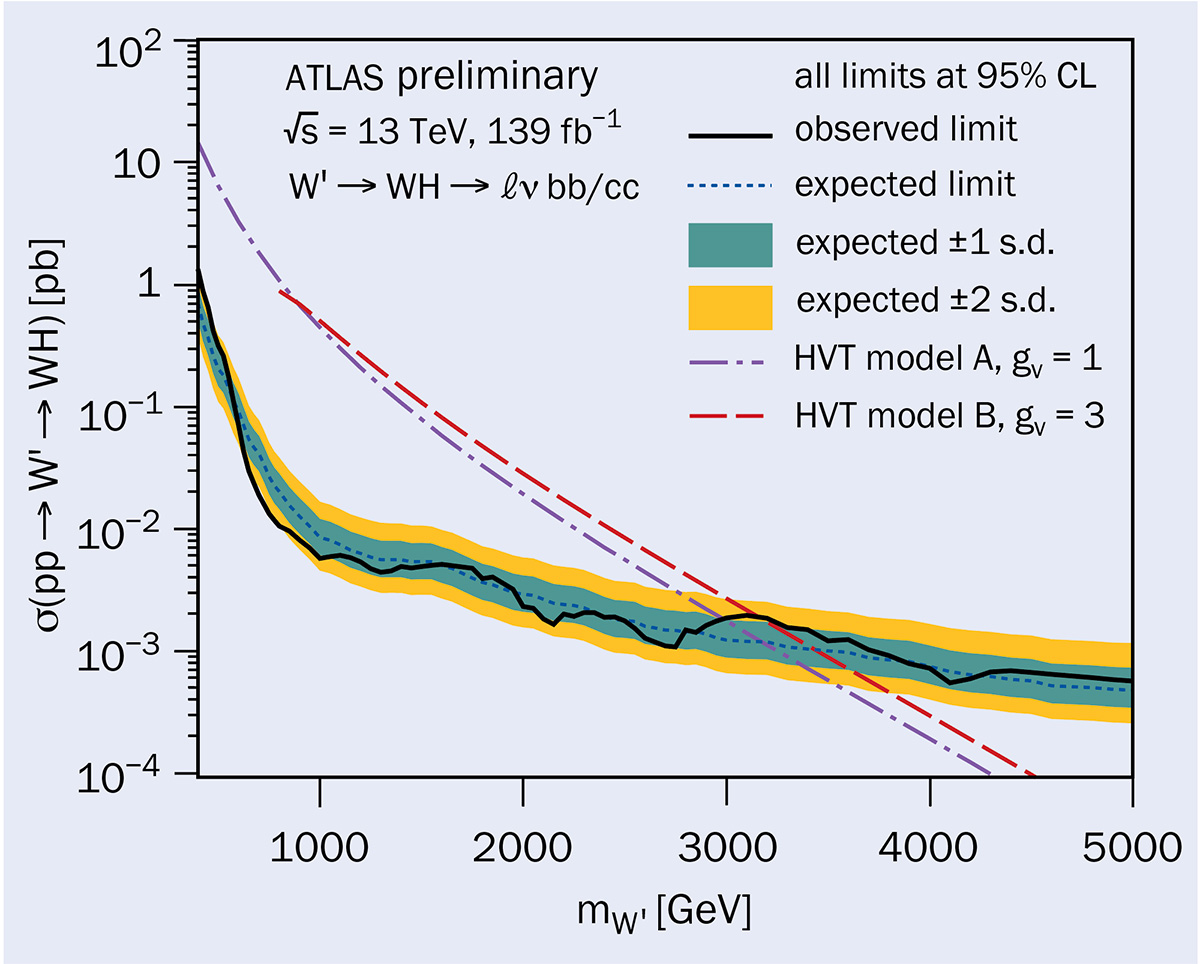
The ATLAS collaboration recently released results of a search for a new heavy particle decaying into a Higgs and a W boson. The search was performed by probing for a localised excess in the invariant mass distribution of the ℓνbb final state. As no such excess was found, upper limits at 95% confidence level were set on the production-cross section times branching ratio of the new heavy resonance (figure 1). The results were also interpreted in the context of the heavy vector triplet (HVT) model, which extends the SM gauge group by an additional SU(2) group, to constrain the coupling strengths of heavy vector bosons to SM particles. In two HVT benchmark models, W′ masses below 2.95 and 3.15 TeV are excluded.

ATLAS figure 2

Rare or exotic decays are excellent candidates to search for weakly coupled new physics. The Higgs boson is particularly sensitive to such new physics owing to its narrow total width, which is three orders of magnitude smaller than that of the W and Z bosons and the top quark. Several searches for exotic decays of the Higgs boson have been carried out by ATLAS, and they may be broadly classified as those scenarios where the possible new daughter particle decays promptly to SM particles, and those where it would be long-lived or stable.

A recent search from ATLAS targeted exotic decays of the Higgs boson into a final state into four electrons or muons, which benefit from a very clean experimental signature. Although a signal was not observed, the search put stringent constraints on decays to new light scalar bosons – particularly in the low mass range of a few GeV – and to new vector bosons, dubbed dark Z bosons or dark photons, in the mass range up to a few tens of GeV. Depen­ding on the new-physics model, this search can exclude branching ratios of the Higgs boson to new particles as low as O(10–5).

Invisibles

Another interesting possibility is the case where the Higgs boson decays to particles that are invisible in the detector, such as dark-matter candidates. To select such events, different strategies are pursued depending on the particles produced in association with the Higgs boson. The most powerful channel for such a search is the vector-boson fusion production process, where two energetic jets from quarks are produced with large angular separation along­side the invisibly decaying Higgs boson (figure 2). Another sensitive channel is the associated production of a Higgs boson with a Z boson that decays to a pair of leptons. Improvements in background predictions have made it possible to reach a sensitivity down to 10% on the branching ratio of invisible Higgs-boson decays, while the corresponding observed limit amounts to 15%.

These searches will greatly benefit from the large datasets expected in Run 3 and later High-Luminosity LHC runs, and will enable searches for even more feeble couplings of new particles to the Higgs boson.

Upsilon suppression in heavy-ion collisions

CMS figure 1

The bound states of a heavy quark and its antiquark, called quarkonia, have long been regarded as ideal probes to study the quark–gluon plasma (QGP) formed in high-energy heavy-ion collisions. The golden signature is the suppression of their production yield in lead–lead (PbPb) collisions with respect to extrapolations from proton–proton (pp) collisions, caused by modifications of the binding potential in the QGP. The suppression of the different quarkonium states is expected to depend on their binding energies. Quarkonia can also be produced by recombination processes. The ϒ states (bound states of b quarks and antiquarks) are much less affected by recombination effects than charmonium states, given the very small probability that b quarks are produced. A comparison of their suppression patterns is particularly informative because of the different binding energies of the ϒ(1S), ϒ(2S) and ϒ(3S) states.

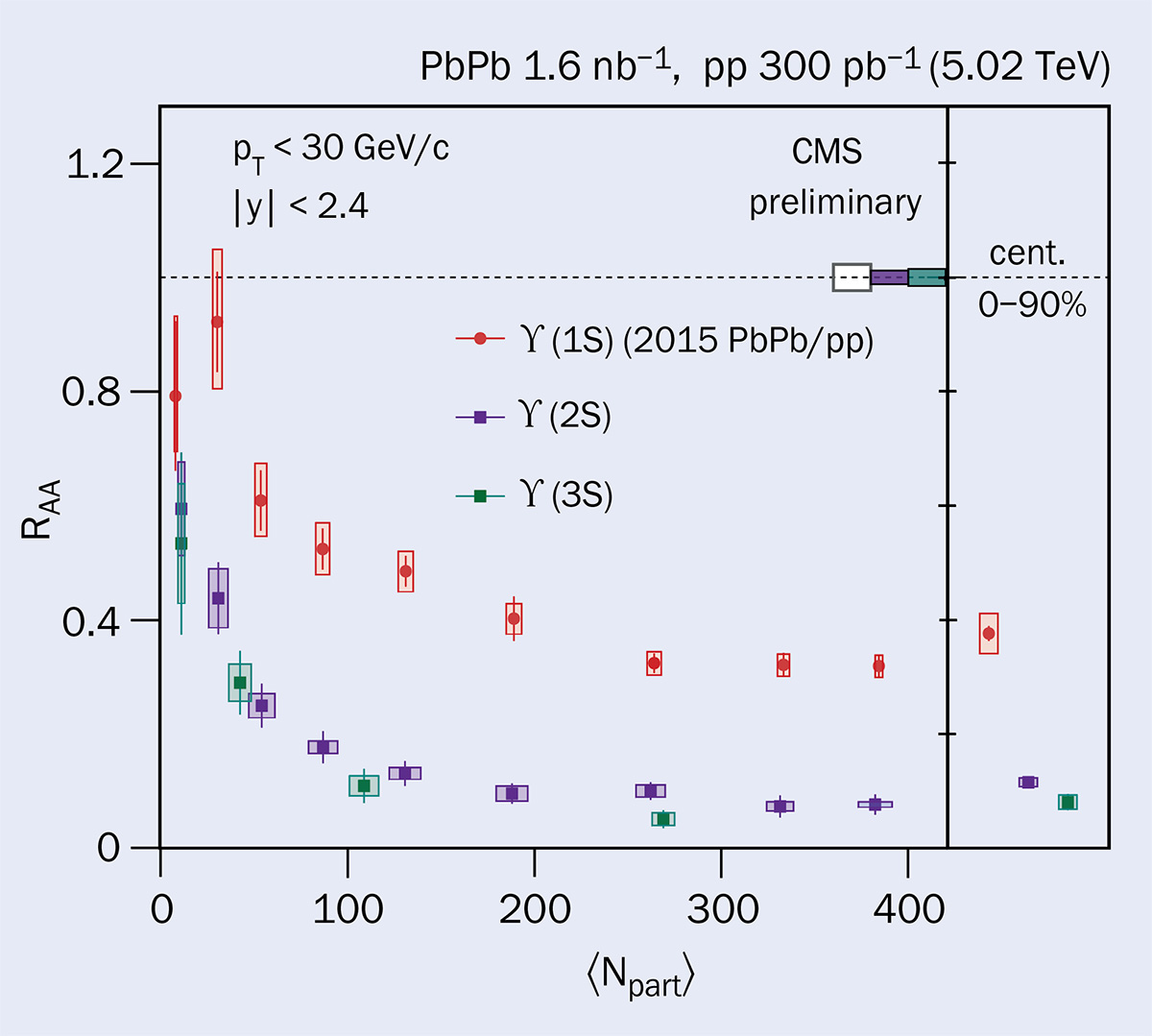
The suppression of quarkonium production is quantified via the nuclear modification factor RAA, defined as the ratio between the yield in nucleus–nucleus (AA) collisions and the yield extrapolated from pp data. Previous measurements of RAA for the ϒ mesons by experiments at RHIC and the LHC revealed a significant suppression of the ϒ(1S) state and a larger suppression for the ϒ(2S) state. However, these experiments could only set upper limits for the ϒ(3S) state due to its very low production yield. The CMS experiment recently changed this situation by presenting the first observation of the ϒ(3S) meson in heavy-ion collisions. The ϒ mesons are detected using their decay to two muons. The analysis used the large PbPb data sample collected in 2018 and extracted the ϒ(3S) signals from the large background of muon pairs by using a boosted decision tree algorithm.

The new RAA results are shown together with the previously published ϒ(1S) values as a function of the average number of nucleons participating in the PbPb collisions, <Npart> (figure 1). Collisions with larger <Npart> show a bigger overlap between the two nuclei, producing a larger and hotter QGP. As previously observed, the degree of suppression increases from peripheral to central collisions, i.e. as Npart increases, indicating a more substantial dissociation effect at higher QGP temperatures. The new ϒ(3S) suppression measurement completes the picture of suppression patterns for five different quarkonium states, which was started 35 years ago at the CERN SPS with the J/ψ and ψ(2S) results of NA38. The stage is set for a deeper understanding of deconfinement in the QGP.

Limbering up for the Einstein Telescope

Einstein Telescope

On 14 April the government of the Netherlands announced that it intends to conditionally allocate €42 million to the development of the Einstein Telescope – a proposed next-generation gravitational-wave observatory in Europe. It also pledged a further €870 million for a potential future Dutch contribution to the construction. The decision was taken by the Dutch government based on the advice of the Advisory Committee of the National Growth Fund, stated a press release from Nikhef and the regional development agency for Limburg. 

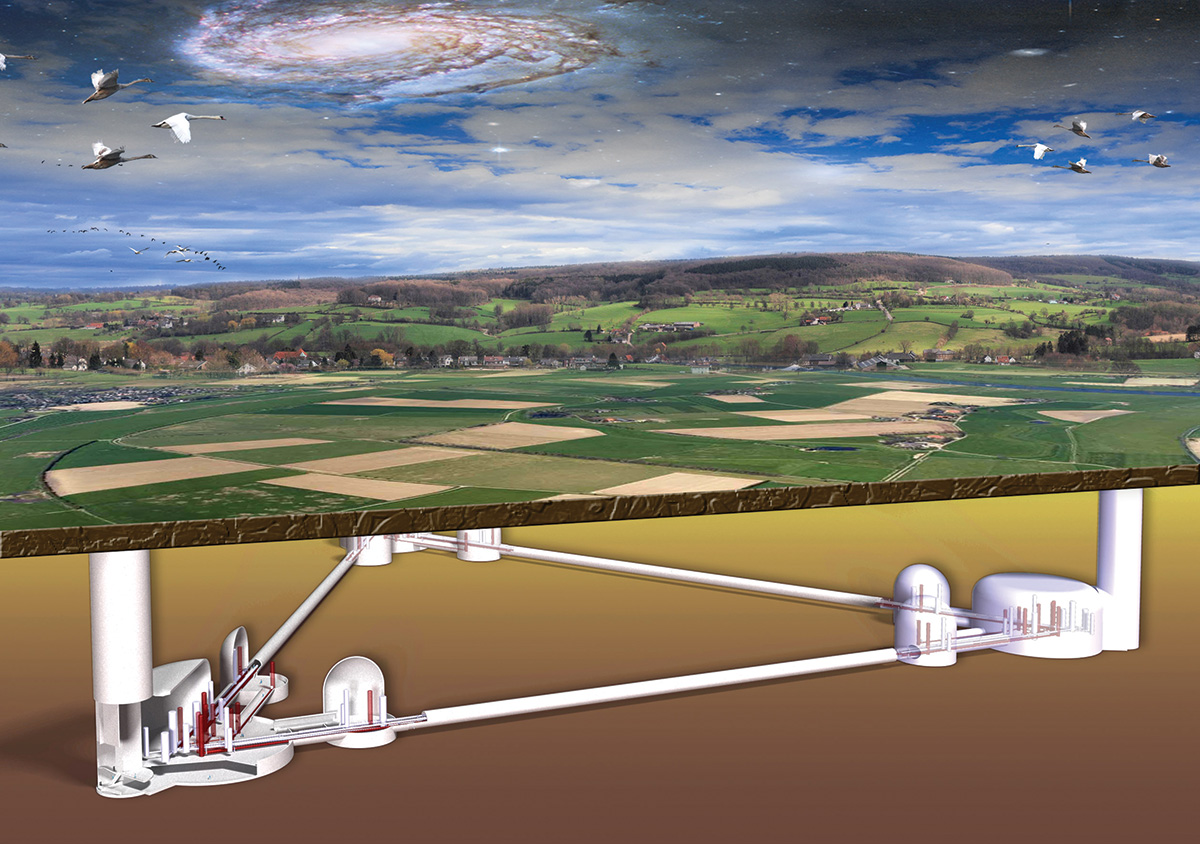
The Einstein Telescope (ET) is a triangular laser interferometer with sides 10 km-long that would be at least 10 times more sensitive than the Advanced LIGO and Virgo observatories, extending its scope for detections and enabling physicists to look back much further in cosmological time. To reach the required sensitivities, the interferometer has to be built at least 200 m underground in a geologically stable area. Its mirrors will have to operate in cryogenic conditions to reduce thermal disturbance, and be larger and heavier than those currently employed to allow for a larger and more powerful laser beam. 

Activities have been taking place at two potential sites in Europe: the border region of South Limburg (the Euregio Meuse-Rhine) in the Netherlands; and the Sar-Grav laboratory in the Sos Enattos mine in Sardinia, Italy. For the Sardinia site, a similar proposal has been submitted to the Italian government and feedback is expected in July.

The Netherlands’ intended €42 million investment will go towards preparatory work such as innovation of the necessary technology, location research, building up a high-tech ecosystem and organisation, stated the press release, while the reservation of €870 million is intended to put the Netherlands in a strong position to apply in the future – together with Belgium and Germany – to host and build the ET. 

It is fantastic that the cabinet embraces the ambition to make the Netherlands a world leader in research into gravity waves

“It is fantastic that the cabinet emb­races the ambition to make the Netherlands a world leader in research into gravity waves,” said Nikhef director Stan Bentvelsen, who has been involved with the ET for several years. “These growth-fund resources form the basis for further cooperation with our partners in Germany and Belgium, and for research into the geological subsurface in the border region of South Limburg. A major project requires a careful process, and I am confident that we will meet the additional conditions.”

Housing the ET in the region could have a major positive impact on science, the economy and society in the Netherlands, said provincial executive member for Limburg Stephan Satijn. “With today’s decision, the cabinet places our country at the global forefront of high-tech and science. Limburg is the logical place to help shape this leading position. Not only because of the suitability of our soil, but also because we are accustomed to working together internationally and to connecting science and business.”

At the 12th ET symposium in Budapest on 7–8 June, the ET scientific collaboration was officially born – a crucial step in the project’s journey, said ad interim spokesperson Michele Punturo of the INFN: “We were a scientific community, today we are a scientific collaboration, that is, a structured and organised system that works following shared rules to achieve the common goal: the realisation of a large European research infrastructure that will allow us to maintain scientific and technological leadership in this promising field of fundamental physics research.”

In January, the ET was granted status as a CERN recognised experiment (RE43), with a collaboration agreement on vacuum technology already in place and a further agreement concerning cryogenics at an advanced stage.

X-ray polarisation probes extreme physics

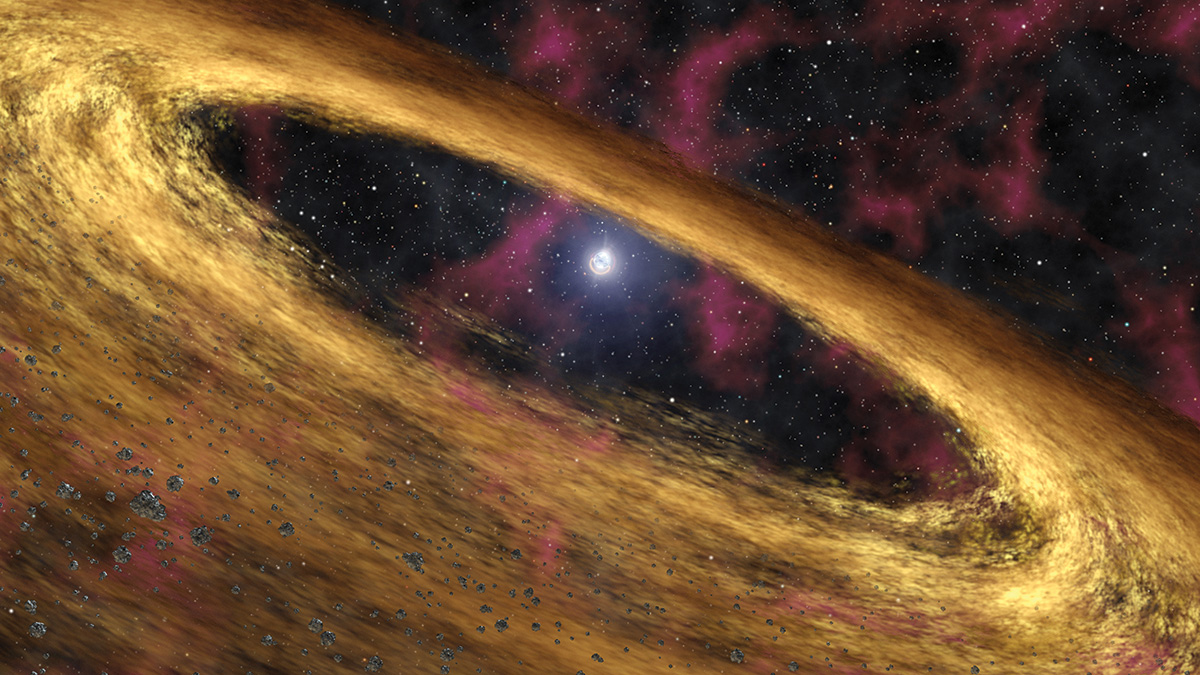
Accretion disk around magnetar 4U 0142+61

X-ray astronomy has been around for more than 50 years and remains responsible for a wealth of discoveries. Astronomical breakthroughs have been the result of detailed measurements of the X-ray arrival time, direction and energy. But the fourth measurable parameter of X-rays, their polarisation, remains largely unexplored. Following the first rough measurements of a handful of objects in the 1970s by Martin Weisskopf and co-workers, there was a hiatus in X-ray polarimetry due to the complexity of the detection mechanism. In recent years, in parallel with the emergence of gamma-ray polarimetry, interest in the field has returned. Indeed, after some initial measurements using the Chinese–Italian PolarLight Cubesat launched in October 2018, X-ray polarimetry has reached full maturity with the launch of the first large-scale dedicated observatory in December 2021: the Imaging X-ray Polarimetry Explorer (IXPE), a joint project by NASA and the Italian Space Agency, led by Weisskopf.

The IXPE mission uses gas pixel detectors to measure the polarisation for a range of astronomical sources in the 2-8 keV energy range. Incoming X-rays are absorbed in a gas which results in the emission of a photoelectron, the azimuthal emission direction of which is correlated with the polarisation vector of the incoming photon. Tracking the path of the electron therefore allows the polarisation to be inferred. Accurately measuring the emission direction of the low-energy photoelectron, especially in a space-based detector, has been one of the main IXPE challenges and required decades of detector development. 

X-ray polarimetry has reached full maturity with the launch of the first large-scale dedicated observatory

IXPE has already observed a range of sources. Its first public results, posted on arXiv on 18 May, concern a magnetar, a highly magnetic neutron star, called 4U 0142+61, which rotates around its axis in about 8 s and has a magnetic field of 1010 T. IXPE’s first ever measurement of polarised emission from a magnetar in the X-ray region shows this extreme object to have an energy-integrated polarisation degree of 12%, while in the thermal (2–4 keV) range this is about 12%, and as high as 41% for emission at higher energies (5.5–8 keV). The polarisation angles of the two emission components are orthogonal. 

The results appear to agree best with a model where the thermal emission stems from a condensed iron atmosphere: the higher energy emission would be a result of some thermal photons being up-scattered to higher energies when interacting with charged particles following the magnetic field lines. However, since other models link the emission to a gaseous atmosphere heated by a constant bombardment of particles, measurements of additional magnetars are needed.

Fundamental physics

Apart from providing novel insights into neutron-star properties, time-resolved studies of the emission during the rotation period hints at more fundamental physics at play. The spectral profile of 4U 0142+61 was found to be rather constant during the rotation, indicating that the emission does not come from hot-spots, such as the poles, but rather from a large area on the surface. As the magnetic field over such a large area would, however, be expected to vary significantly, so would the polarisation angle of the emitted X-rays. As a result, the net polarisation seen on Earth would largely be blurred out, resulting in a much lower polarisation degree than is observed. 

An intriguing explanation for this, note the authors, is vacuum birefringence – an effect predicted to be important in the presence of extreme magnetic fields, but which has never been observed. While for the magnetar the polarisation angle of the emission varies with the emission location, it gets altered as the photons travel through the strong magnetic field in which continuous electron–positron pairs affect their propagation. Only when the magnetic field is weak enough, at around 100 times the radius of the star, does the polarisation angle get frozen. Since this angle is aligned with the magnetic field, which at this point is smoother, the emission will realign the emission travelling towards Earth and allow for a net polarisation.

Although the polarisation degrees measured by IXPE are not high enough to definitively prove vacuum birefringence, the results give a clear hint. Furthermore, the measurements of 4U 0142+61 are only the first of many performed by the IXPE team. Throughout the coming months, detailed measurements of galactic objects such as the Crab Nebula, as well as extra-galactic sources, are predicted to be released. Among these objects there will be other magnetars, the X-ray emission from which will soon bring further understanding of these extreme objects and potentially confirm the existence of vacuum birefringence.

bright-rec iop pub iop-science physcis connect