Comsol -leaderboard other pages

Topics

A systematic approach to systematics

Whenever we perform an analysis of our data, whether measuring a physical quantity of interest or testing some hypothesis, it is necessary to assess the accuracy of our result. Statistical uncertainties arise from the limited accuracy with which we can measure anything, or from the natural Poisson fluctuations involved in counting independent events. They have the property that repeated measurements result in greater accuracy.

Systematic uncertainties, on the other hand, arise from many sources and may not cause a spread in results when experiments are repeated, but merely shift them away from the true value. Accumulating more data usually does not reduce the magnitude of a systematic effect. As a result, estimating systematic uncertainties typically requires much more effort than for statistical ones, and more personal judgement and skill is involved. Furthermore, statistical uncertainties between different analyses usually are independent; this often is not so for systematics.

The November event saw the largest number of statisticians at any PHYSTAT meeting

In particle-physics analyses, many systematics are related to detector and analysis effects. Examples include trigger efficiency; jet energy scale and resolution; identification of different particle types; and the strength of backgrounds and their distributions. There are also theoretical uncertainties which, as well as affecting predicted values for comparison with measured ones, can also influence the experimental variables extracted from the data. Another systematic comes from the intensity of accelerator beams (the integrated luminosity at the LHC for example), which is likely to be correlated for the various measurements made using the same beams.

At the LHC, it is in analyses with large amounts of data where systematics are likely to be most relevant. For example, a measurement of the mass of the W boson published by the ATLAS collaboration in 2018, based on a sample of 14 million W-boson decays, had a statistical uncertainty of 7 MeV but a systematic uncertainty of 18 MeV.

PHYSTAT-Systematics

Two big issues for systematics are how the magnitudes of the different sources are estimated, and how they are then incorporated in the analysis. The PHYSTAT-Systematics meeting concentrated on the latter, as it was thought that this was more likely to benefit from the presence of statisticians – a powerful feature of the PHYSTAT series, which started at CERN in 2000.

The 20 talks fell into three categories. The first were those devoted to analyses in different particle-physics areas: the LHC experiments; neutrino-oscillation experiments; dark-matter searches; and flavour physics. A large amount of relevant information was discussed, with interesting differences in the separate sub-fields of particle physics. For example, in dark-matter searches, upper limits sometimes are set using Yellin’s Maximum Gap method when the expected background is low, or by using Power Constrained Limits, whereas these tend not to be used in other contexts.

The second group followed themes: theoretical systematics; unfolding; mis-modelling; an appeal for experiments to publish their likelihood functions; and some of the many aspects that arise in using machine learning (where the machine-learning process itself can result in a systematic, and the increased precision of a result should not be at the expense of accuracy).

Finally, there was a series of talks and responses by statisticians. The November event saw the largest number of statisticians at any PHYSTAT meeting, and the efforts that they made to understand our intricate analyses and the statistical procedures that we use were much appreciated. It was valuable to have insights from a different viewpoint on the largely experimental talks. David van Dyk, for instance, emphasised the conceptual and practical differences between simply using the result of a subsidiary experiment’s estimate of a systematic to assess its effect on a result, and using the combined likelihood function for the main and the subsidiary measurements. Also, in response to talks about flavour physics and neutrino-oscillation experiments, attention was drawn to the growing impact in cosmology of non-parametric, likelihood-free (simulation-based likelihoods) and Bayesian methods. Likelihood-free methods came up again in response to a modelling talk based on LHC-experiment analyses, and the role of risk estimation was emphasised by statisticians. Such suggestions for alternative statistical strategies open the door to further discussions about the merits of new ideas in particular contexts.

A novel feature of this remote meeting was that the summary talks were held a week later, to give speakers Nick Wardle and Sara Algeri more time. In her presentation, Algeri, a statistician, called for improved interaction between physicists and statisticians in dealing with these interesting issues.

Overall, the meeting was a good step on the path towards having a systematic approach to systematics. Systematics is an immense topic, and it was clear that one meeting spread over four afternoons was not going to solve all the issues. Ongoing PHYSTAT activities are therefore planned, and the organisers welcome further suggestions.

2021 IOP Awards

The UK Institute of Physics has announced its 2021 awards, recognising several high-energy and nuclear physicists across three categories.

David Deutsch and Ian Chapman-2

In the gold-medal category David Deutsch of the University of Oxford has been awarded the Isaac Newton Prize “for founding the discipline named quantum computation and establishing quantum computation’s fundamental idea, now known as the ‘qubit’ or quantum bit.” In the same category, Ian Chapman received the Richard Glazebrook Prize “for outstanding leadership of the UK Atomic Energy Authority and the world’s foremost fusion research and technology facility, the Joint European Torus, and the progress it has delivered in plasma physics, deuterium-tritium experiments, robotics, and new materials”.

Silver medal

Among this year’s silver-medal recipients, experimentalist Mark Lancaster of the University of Manchester earned the James Chadwick Prize “for distinguished, precise measurements in particle physics, particularly of the W boson mass and the muon’s anomalous magnetic moment”. Michael Bentley (University of York) received  the Ernest Rutherford Prize for his contributions to the understanding of fundamental symmetries in atomic nuclei, while Jerome Gauntlett (Imperial College London) received the John William Strutt Lord Rayleigh Prize for applications of string theory to quantum field theory, black holes, condensed matter physics and geometry.

Bronze medals collage-2

Finally, in the bronze medal category for early-career researchers, the Daphne Jackson Prize for exceptional contributions to physics education goes to accelerator physicist Chris Edmons (University of Liverpool) in recognition of his work in improving access for the visually impaired, for example via the Tactile Collider project. And the Mary Somerville Prize for exceptional contributions to public engagement in physics goes to XinRan Liu (University of Edinburgh) for his promotion of UK research and innovation to both national and international audiences.

Lyn Evans and Tim Palmer

Acknowledging physicists who have contributed to the field generally, 2021 honorary Institute of Physics fellowships were granted to Lyn Evans (for sustained and distinguished contributions to, and leadership in, the design, construction and operation of particle accelerator systems, and in particular the LHC) and climate physicist Tim Palmer, a proponent of building a ‘CERN for climate change’, for his pioneering work exploring the nonlinear dynamics and predictability of the climate system.

Beate Heinemann appointed director at DESY

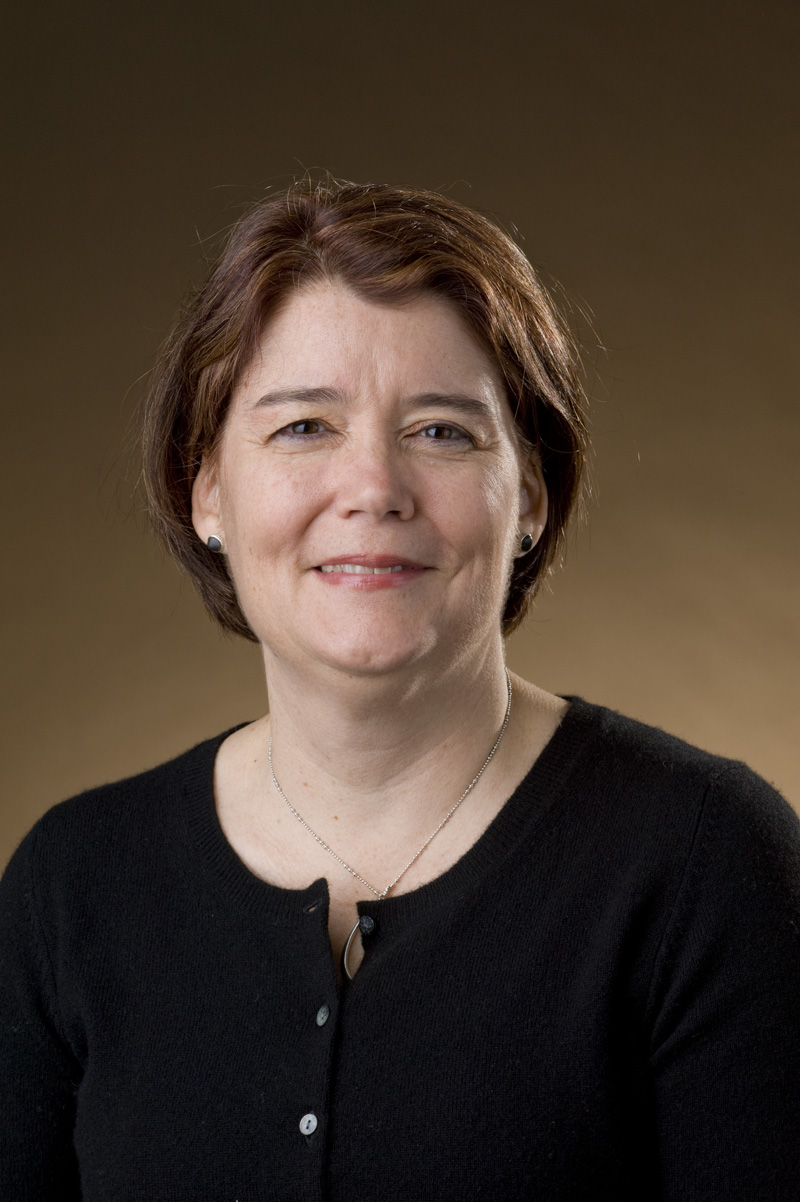
Beate Heinemann

Experimental particle physicist Beate Heinemann has been announced as the new director of DESY’s High Energy Physics division, effective from 1 February. Succeeding interim director Ties Behnke, who held the position since January 2021 when Joachim Mnich joined CERN as director for research and computing, she is the first female director in DESY’s 60-year history.

After completing a PhD at the University of Hamburg in 1999, based on data from the H1 experiment at DESY’s former electron-proton collider HERA, Heinemann did a postdoc at the University of Liverpool, UK, working on the CDF experiment at Fermilab.  She became a lecturer at Liverpool in 2003, a professor at UC Berkeley in 2006 and a scientist at Lawrence Berkeley National Laboratory.

In 2007 Heinemann joined the ATLAS collaboration in which she helped with the installation, commissioning and data-quality assessment of the pixel detector as well as performing other roles including as data-preparation coordinator during the LHC startup phase. She was deputy spokesperson of the ATLAS collaboration from 2013 to 2017, and since 2016 has been a senior scientist at DESY and W3 professor at Albert-Ludwigs-Universität Freiburg. She was also a member of the Physics Preparatory Group during the 2020 update of the European strategy for particle physics, and since 2017 she has been a member of the CERN Scientific Policy Committee.

Born in Hamburg, Heinemann is looking forward to the many exciting challenges, both scientifically and socially, ahead: “It is very important that we retain and further expand our pioneering role as a centre for fundamental research for the study of matter. In the next few years, the course will be set for the successor project to the LHC, whose technology and location have not yet been chosen. DESY must be actively involved in the preparation of this project in order to maintain and expand its pioneering role,” she explains. “Another topic that is very close to my heart, both personally and through my new office, is diversity. DESY should remain a cosmopolitan, diverse laboratory, and there is still room for improvement in many areas, for example the number of women in management positions.”

Hadron colliders in perspective

From visionary engineer Rolf Widerøe’s 1943 patent for colliding beams, to the high-luminosity LHC and its possible successor, the 14 October symposium “50 Years of Hadron Colliders at CERN” offered a feast of physics and history to mark the 50th anniversary of the Intersecting Storage Rings (ISR). Negotiating the ISR’s steep learning curve in the 1970s, the ingenious conversion of the Super Proton Synchrotron (SPS) into a proton–antiproton collider (SppS) in the 1980s, and the dramatic approval and switch-on of the LHC in the 1990s and 2000s chart a scientific and technological adventure story, told by its central characters in CERN’s main auditorium.

Former CERN Director-General (DG) Chris Llewellyn Smith swiftly did away with notions that the ISR was built without a physics goal. Viki Weisskopf (DG at the time) was well aware of the quark model, he said, and urged that the ISR be built to discover quarks. “The basic structure of high-energy collisions was discovered at the ISR, but you don’t get credit for it because it is so obvious now,” said Llewellyn Smith. Summarising the ISR physics programme, Ugo Amaldi, former DELPHI spokesperson and a pioneer of accelerators for hadron therapy, listed the observation of charmed-hadron production in hadronic interactions, studies of the Drell–Yan process, and measurements of the proton structure function as ISR highlights. He also recalled the frustration at CERN in late 1974 when the J/ψ meson was discovered at Brookhaven and SLAC, remarking that history would have changed dramatically had the ISR detectors also enabled coverage at high transverse momentum.

A beautiful machine

Amaldi sketched the ISR’s story in three chapters: a brilliant start followed by a somewhat difficult time, then a very active and interesting programme. Former CERN director for accelerators and technology Steve Myers offered a first-hand account, packed with original hand-drawn plots, of the battles faced and the huge amount learned in getting the first hadron collider up and running. “The ISR was a beautiful machine for accelerator physics, but sadly is forgotten in particle physics,” he said. “One of the reasons is that we didn’t have beam diagnostics, on account of the beam being a coasting beam rather than a bunched beam, which made it really hard to control things during physics operation.” Stochastic cooling, a “huge surprise”, was the ISR’s most important legacy, he said, paving the way for the SppS and beyond.

Former LHC project director Lyn Evans took the baton, describing how the confluence of electroweak theory, the SPS as collider and stochastic cooling led to rapid progress. It started with the Initial Cooling Experiment in 1977–1978, then the Antiproton Accumulator. It would take about 20 hours to produce a bunch dense enough for injection into the SppS , recalled Evans, and several other tricks to battle past the “26 GeV transition, where lots of horrible things” happened. At 04:15 on 10 July 1981, with just him and Carlo Rubbia in the control room, first collisions at 270 GeV at the SppS were declared.

Poignantly, Evans ended his presentation “The SPS and LHC machines” there. “The LHC speaks for itself really,” he said. “It is a fantastic machine. The road to it has been a long and very bumpy one. It took 18 years before the approval of the LHC and the discovery of the Higgs. But we got there in the end.”

Discovery machines

The parallel world of hadron-collider experiments was brought to life by Felicitas Pauss, former CERN head of international relations, who recounted her time as a member of the UA1 collaboration at the SppS during the thrilling period of the W and Z discoveries. Jumping to the present day, early-career researchers from the ALICE, ATLAS, CMS and LHCb collaborations brought participants up to date with the progress at the LHC in testing the Standard Model and the rich physics prospects at Run 3 and the HL-LHC.

Few presentations at the symposium did not mention Carlo Rubbia, who instigated the conversion of the SPS into a hadron collider and was the prime mover of the LHC, particularly, noted Evans, during the period when the US Superconducting Super Collider was under construction. His opening talk presented a commanding overview of colliders, their many associated Nobel prizes and their applications in wider society.

During a brief Q&A at the end of his talk, Rubbia reiterated his support for a muon collider operating as a Higgs factory in the LHC tunnel: “The amount of construction is small, the resources are reasonable, and in my view it is the next thing we should do, as quickly as possible, in order to make sure that the Higgs is really what we think it is.”

It seems in hindsight that the LHC was inevitable, but it was anything but

Christopher Llewellyn Smith

In a lively and candid presentation about how the LHC got approved, Llewellyn Smith also addressed the question of the next collider, noting it will require the unanimous support of the global particle-physics community, a “reasonable” budget envelope and public support. “It seems in hindsight that the LHC was inevitable, but it was anything but,” he said. “I think going to the highest energy is the right way forward for CERN, but no government is going to fund a mega project to reduce error bars – we need to define the physics case.”

Following a whirlwind “view from the US”, in which Young-Kee Kim of the University of Chicago described the Tevatron and RHIC programmes and collated congratulatory messages from the US Department of Energy and others, CERN DG Fabiola Gianotti rounded off proceedings with a look at the future of the LHC and beyond. She updated participants on the significant upgrade work taking place for the HL-LHC and on the status of the Future Circular Collider feasibility study, a high-priority recommendation of the 2020 update of the European strategy for particle physics which is due to be completed in 2025. “The extraordinary success of the LHC is the result of the vision, creativity and perseverance of the worldwide high-energy physics community and more than 30 years of hard work,” the DG stated. “Such a success demonstrates the strength of the community and it’s a necessary milestone for future, even more ambitious, projects.”

Videos from the one-off symposium, capturing the rich interactions between the people who made hadron colliders a reality, are available here.

Harnessing the LHC network

Harnessing the LHC network

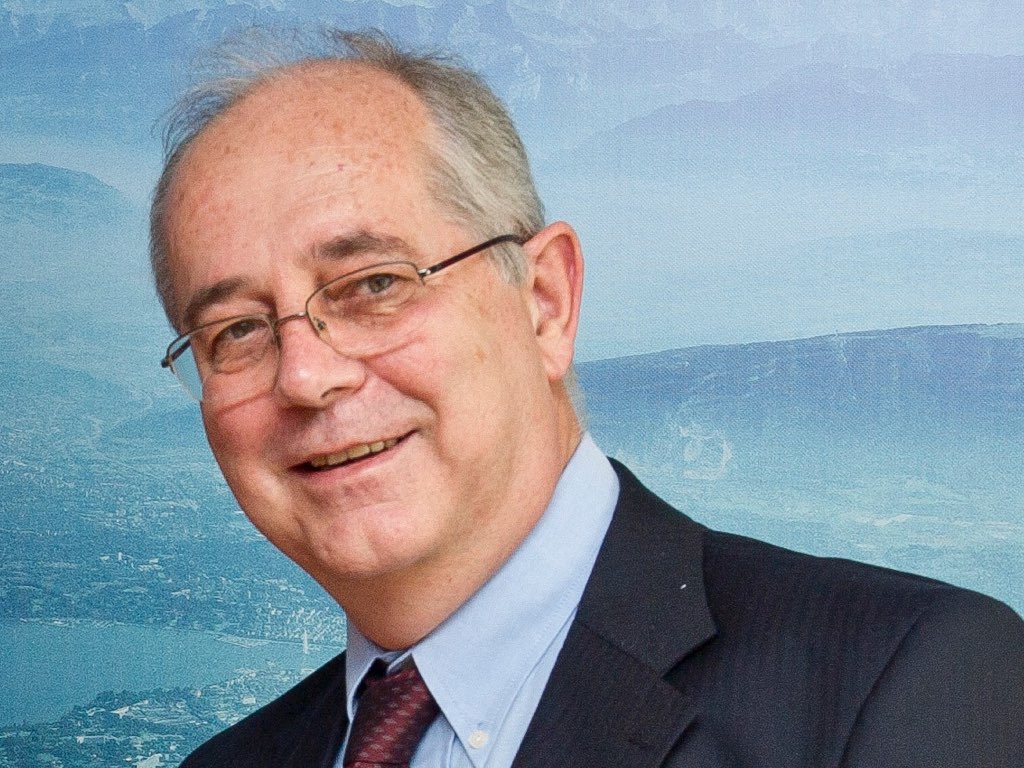
On 15 November, around 260 physicists gathered at CERN (90 in person) to participate in the 2021 LHC Career Networking event, which is aimed at physicists, engineers and others who are considering leaving academia for a career in industry, non-governmental organisations and government. It was the fifth event in a series that was initially limited to attendance only by members of LHC experiments but which, in light of its strong resonance within the community, is now open to all.

Former members of the LHC experiments were invited to share their experiences of working in fields ranging from project management at the Ellen MacArthur Foundation, to consultants like McKinsey and pharmaceutical companies such as Boehringer Ingelheim. They spoke movingly of the difficulties of leaving academia and research, the introspection they experienced to discover the path that was right for them, and the sense of satisfaction and happiness they felt in their new roles.

Adjusting to new environments

Following a supportive welcome from Joachim Mnich, CERN director of research and computing, and Marianna Mazzilli, a member of the ALICE collaboration and chair of the organising committee, the first speaker to take to the stage in the main auditorium was Florian Kruse. Florian was a physicist on the LHCb experiment who, upon leaving CERN, decided to set up his own data-science and AI company called Point 8 – a throwback from many years spent commuting to the LHCb pit at LHC Point 8. His company has grown from three to 20 staff members, some ex-CERN, and continues to expand.

Setting the tone for the evening, he talked about what to expect when interacting with industry, how people view CERN physicists and where and how adjustments have to be made to adapt to a new environment – advising participants to “recalibrate your imposter syndrome” and “adjust to other audiences”.

Julia Hunt, a former CMS experimentalist, shared a personal insight into her journey out of academia, revealing that she fortuitously came across sailor Ellen MacArthur’s TED talk and soon landed the job of project manager at the Ellen MacArthur Foundation.

The field of data science has welcomed numerous former CERN physicists, among them ex-ATLAS members Max Baak and Till Eifert, former CMS and ALICE member Torsten Dahms, ex-CMS member Iasonas Topsis-Giotis and ex-ALICE member Elena Bruna. Max gave a mini-course in bond trading at ING bank, while Iasonas put a positive spin on his long search for a job by saying that each interview or application taught him essential lessons for the next application, eventually landing him a job as a manager at professional services company Ernst & Young in Belgium. In a talk titled “19 years in physics… and then?”, Torsten shared the sleepless nights he endured when deliberating whether to continue in a field that had him relocate himself and his family five times in 15 years, ultimately turning down a tenure-track position in 2019.

Elena, who despite having a permanent position left the field in 2018 to become a data scientist at Boehringer Ingelheim, highlighted the differences between physics (where data structures are usually designed in advance and data are largely available) and data science (where the value of data is not always known a priori, and tends to be more messy), and indicated areas to highlight on a data-science CV. These include keeping it to a maximum of two pages and emphasising skills and tools, including big-data analysis, machine-learning techniques, Monte Carlo simulations and working in international teams. The topic of CVs came up repeatedly, a key message being that physicists must modify the language used in academic applications because people “outside” just don’t understand our terminology.

Two networking breaks, held in person and accompanied by beer, wine and pizza for those who were present and via Zoom breakout rooms for remote participants, were alive with questions and discussion.  Former ATLAS member Till Eifert was surrounded by physicists eager to learn more about his role as a specialist consultant with McKinsey in Geneva, speaking passionately about the renewable energy, cancer diagnostics and decarbonisation projects he has worked on. Head of CERN Alumni relations Rachel Bray and her team were on hand to answer a multitude of questions about the CERN Alumni programme.

70-85% of jobs come through networking

Anthony Nardini

Emphasising the power of such events, speaker Anthony Nardini from entrepreneurial company On Deck cited a 2017 Payscale survey which found that 70–85% of jobs come through networking. Following up from the event on Twitter, he offered takeaways for all career “pivoters”: craft and prioritise your guiding principles, such as industry, job function, company stage mission; create a daily information-gathering practice so that you are reading the same newsletters, articles and Twitter feeds as those in your target roles; identify and contact “pathblazers” in your target organisations who understand your background; and do the work to pitch how your unique skillset can help a startup to grow.

All the speakers gave their time and contact details for follow-up questions and advice. The overall message was that, while the transition out of academia can be hard, CERN’s brand recognition in certain fields helps enormously. Use your connections and have confidence!

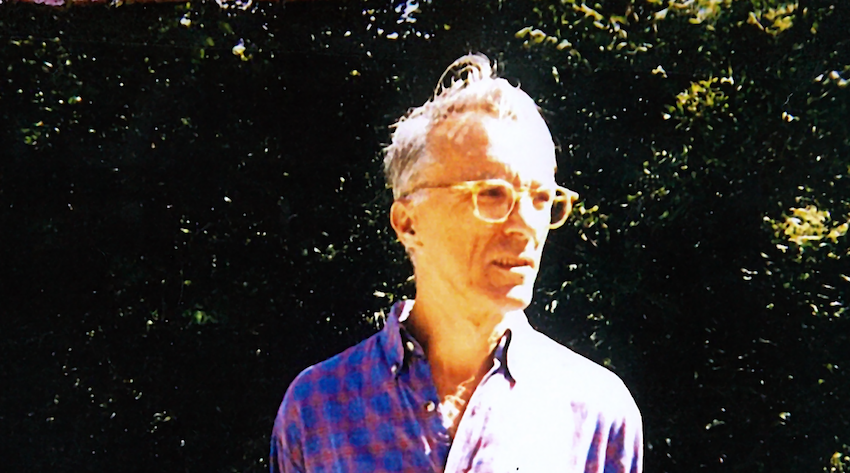
Graham Ross 1944–2021

Graham Ross

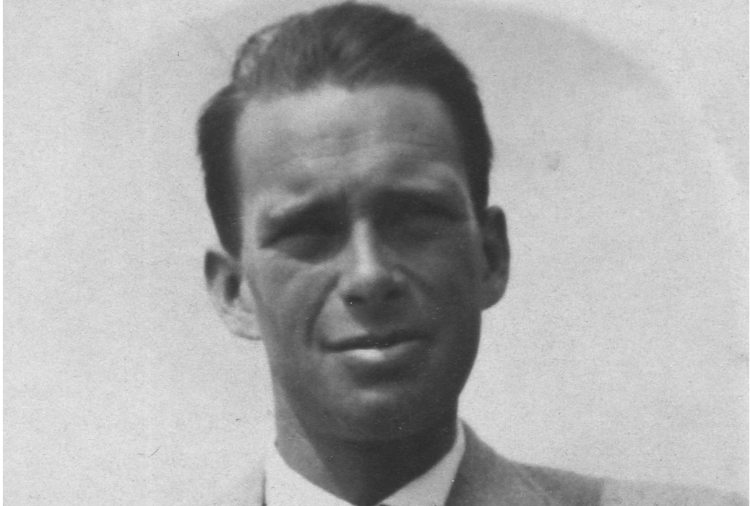
Graham Ross, a distinguished Scottish theorist who worked mainly on fundamental particle physics and its importance for the evolution of the universe, passed away suddenly on 31 October 2021. 

Born in Aberdeen in 1944, Graham studied physics at the University of Aberdeen, where he met his future wife Ruth. In 1966 he moved to Durham University where he worked with Alan Martin on traditional aspects of the strong interactions for his PhD. His first postdoctoral position began in 1969 at Rutherford Appleton Laboratory (RAL). It was around the time that interest in gauge theories began to flourish, for which he and Alex Love were among the first to investigate the phenomenology. He continued working on this theme after he moved to CERN in 1974 for a two-year fellowship. Among the papers he wrote there was one in 1976 with John Ellis and Mary Gaillard suggesting how to discover the gluon in three-jet events due to “gluestrahlung” in electron–positron annihilation. This proposal formed the basis of the experimental discovery of the gluon a few years later at DESY.

After CERN, Graham worked for two years at Caltech, where he participated in a proof of the factorisation theorem that underlies the application of perturbative QCD to hard-scattering processes at the LHC. He then returned to the UK, to a consultancy at RAL held jointly with a post at the University of Oxford, where he was appointed lecturer in 1984. Here he applied his expertise on QCD in collaborations with Frank Close, Dick Roberts and also Bob Jaffe, showing how the evolution of valence quark distributions in heavy nuclei are in effect rescaled relative to what is observed in hydrogen and deuterium. This work hinted at an enhanced freedom of partons in dense nuclei. 

In 1992 Graham became a professor at Oxford, where he remained for the rest of his career as a pillar of the theoretical particle-physics group, working on several deep questions and mentoring younger theorists. Among the many fundamental problems he worked on was the hierarchical ratio between the electroweak scale and the Planck or grand-unification scale, suggesting together with Luis Ibañez that it might arise from radiative corrections in a supersymmetric theory. The pair also pioneered the calculation of the electroweak mixing angle in a supersymmetric grand unified theory, obtaining a result in excellent agreement with subsequent measurements at LEP. Graham wrote extensively on the hierarchy of masses of different matter particles, and the mixing pattern of their weak interactions, with Pierre Ramond in particular, and pioneered phenomenological string models of particles and their interactions. In recent years, Graham worked on models of inflation with Chris Hill, his Oxford colleagues and others.

Among his formal recognitions were his election as fellow of the Royal Society in 1991 and his award of the UK Institute of Physics Dirac Medal in 2012. The citation is an apt summary of Graham’s talents: “for theoretical work developing both the Standard Model of fundamental particles and forces, and theories beyond the Standard Model, that have led to new insights into the origins and nature of the universe”.

Graham had a remarkable ability to think outside the box, and to analyse new ideas critically and systematically. His work was characterised by a combination of deep thought, originality and careful analysis. He was never interested in theoretical speculation or mathematical developments for their own sakes, but as means towards the ultimate end of understanding nature.

Many theoretical physicists are competitive and pursue their ambitions aggressively. But this was not Graham’s way. Pursuing his ambitions with persistence and good humour, he was greatly admired as a talented physicist but also universally liked and admired, particularly by the many younger physicists whom he mentored at Oxford. He was a great teacher and an inspiration, not just to his formal students but also his daughters, Gilly and Emma, and latterly his grandchildren, James, Charlie and Wilfie.

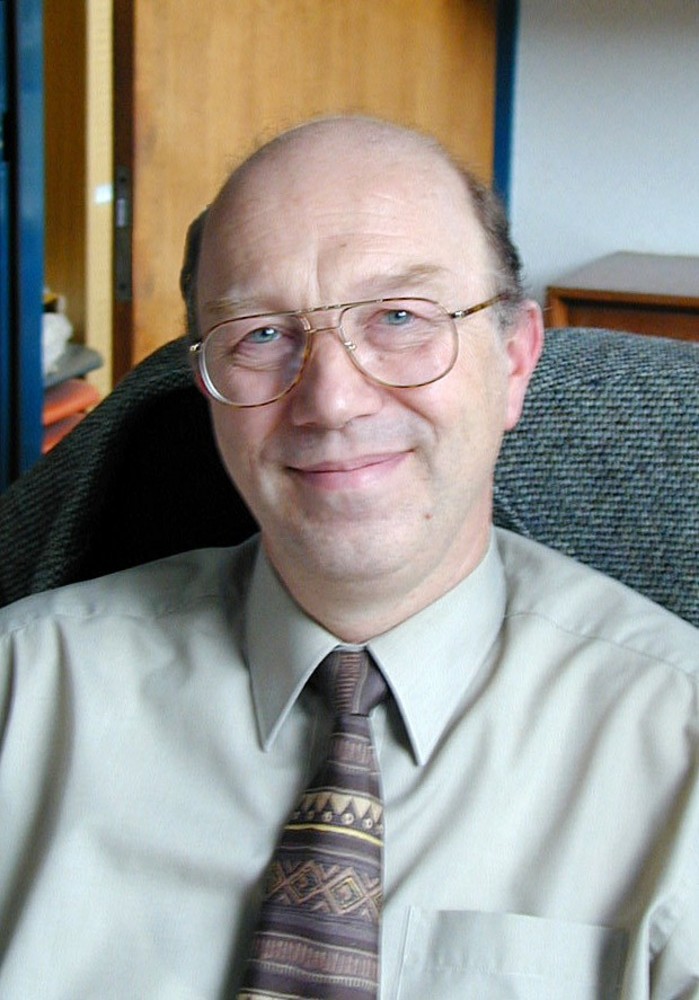
Gennady Zinovjev 1941–2021

Gennady Zinovjev

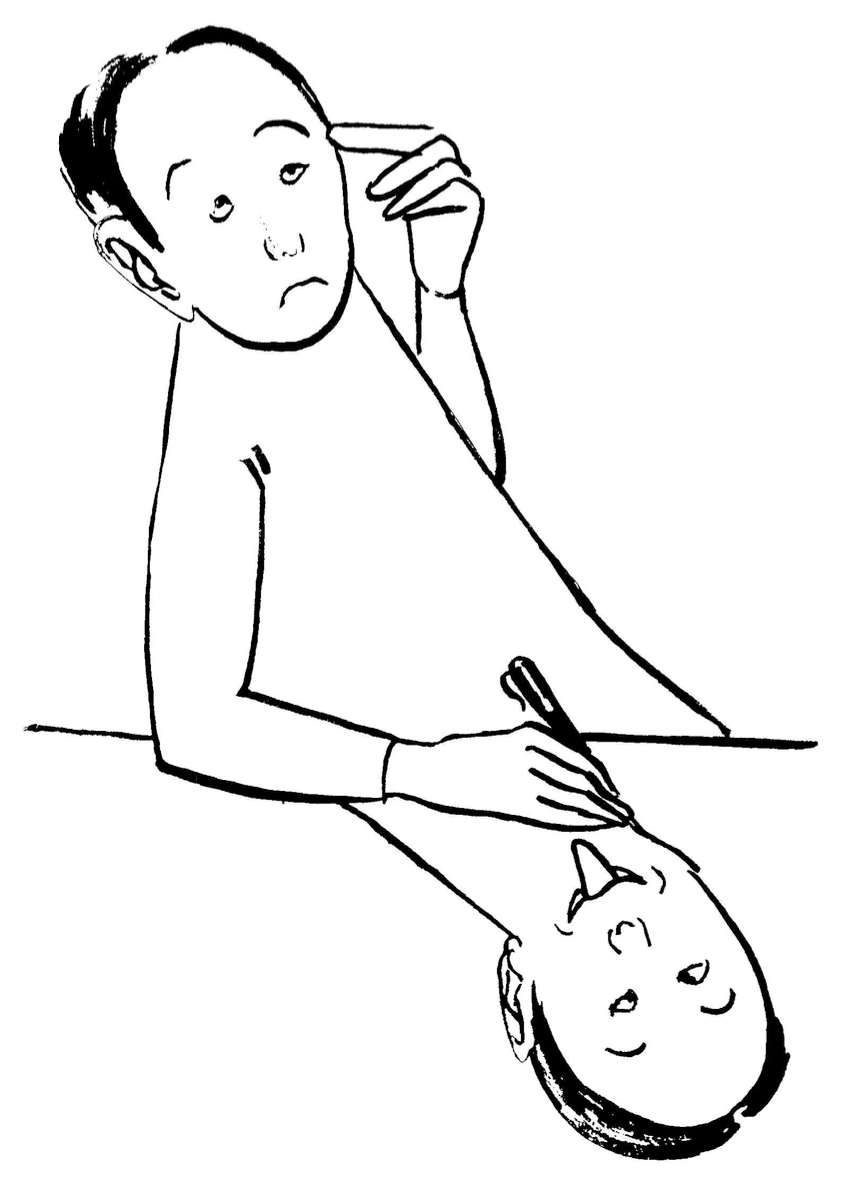
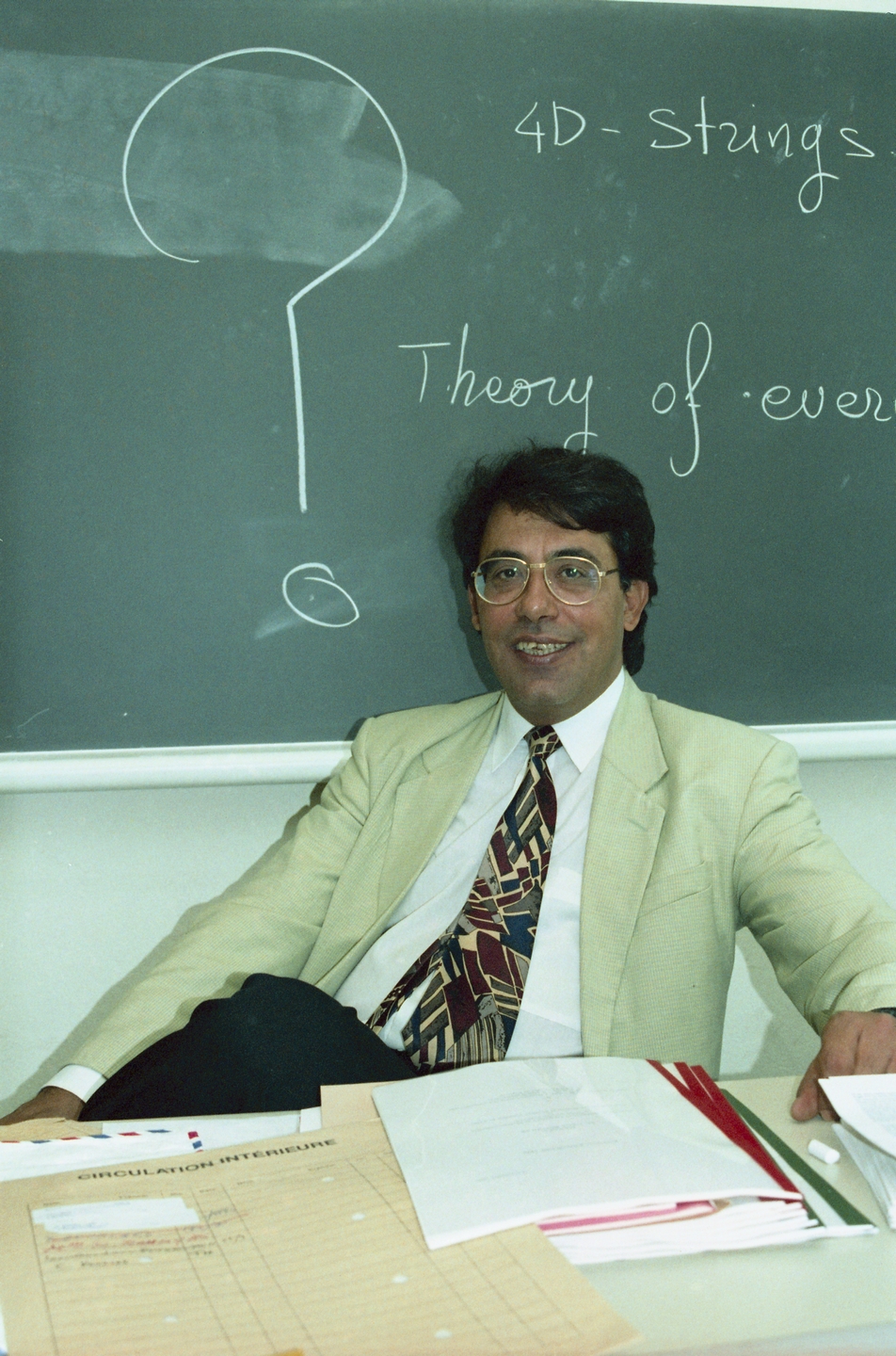
Gennady Zinovjev, a prominent theorist in the field of quantum chromodynamics (QCD) and the physics of strongly-interacting matter, a pioneer in experimental studies of relativistic heavy-ion collisions and a leader of the Ukraine–CERN collaboration, passed away on 19 October 2021 at the age of 80. In a career spanning more than 50 years, Genna, as he was known to most of his friends, made important theor­etical contributions to many different topics, ranging from analytical and perturbative QCD to phenomenology, and from hard probes and photons to hadrons and particle chemistry. His scientific activities were concentrated around experimental facilities at CERN and the Joint Institute for Nuclear Research (JINR), Dubna. He was one of the key initiators of the NICA complex at JINR, played a pivotal role in Ukraine becoming an Associate Member State of CERN in 2016 and was one of the founding members of the ALICE collaboration.

Born in 1941 in Birobidzhan (Russian Far East), in 1963, Zinovjev graduated from Dnepropetrovsk State University, a branch of Moscow State University. From 1964 to 1967 he studied at the graduate school of the Laboratory of Theoretical Physics of JINR, after which he spent a year at the Institute of Mathematics and Computer Science of the Academy of Sciences of the Moldavian SSR (Kishinev now Chisinau). He was awarded a PhD in physics and mathematics in 1975 at the Dubna Laboratory of Theoretical Physics and then joined the Kiev Institute for Theoretical Physics (both now the Bogolyubov Institute for Theoretical Physics) of the National Academy of Sciences of Ukraine, firstly as a staff member and then, from 1986, as head of the department of high-energy-density physics. In 2006 he was awarded the Certificate of Honour of the Verkhovna Rada (Parliament) of Ukraine, and in 2008 was awarded the Davydov Prize of the National Academy of Sciences of Ukraine becoming a member of the Academy in 2012.

In the mid-1990s Zinovjev initiated Ukraine’s participation in ALICE, and soon started to play a key role in the conception and construction of the Inner Tracking System (ITS), and more generally in the creation of both the ALICE experiment and the collaboration. Overcoming innumerable practical and bureaucratic obstacles, he identified technical and technological expertise within the Ukrainian academic and research environment, and then managed and led the development and fabrication of novel ultra-lightweight electrical substrates for vertex and tracking detectors. These developments, which took place at the Kharkiv Scientific Research Technological Institute of Instrument Engineering, resulted in technologies and components that formed the backbone of the ITS 1 and ITS 2 detectors. He was the deputy chair of the ALICE collaboration board from 2011 to 2013 and also served as a member of the ALICE management board during that time.

Genna was one of those rare people who are equally comfortable with theory, experiment, science, politics and human interactions. He was a passionate scientist, deeply committed to the Ukrainian scientific community. He did not hesitate to make great personal sacrifices to pursue what he considered important for science, his students and colleagues. Equally influential was his prominent role as a teacher and mentor for a steady stream of talent, both experimentalists and theorists. Many of us in the heavy-ion physics community owe him a great deal. We will always remember him for his charismatic personality, great kindness, openness and generosity. 

Ideas not equations

When it was first published in 1984, James E Dodd’s The Ideas of Particle Physics used very little maths, but was full of clear and concise explanations – a strong contrast with the few other reference books that were available at the time. The first edition was written prior to the start of LEP, just after the discovery of the W and Z bosons. The fourth edition, published in 2021, brings it up to date while keeping its signature style.

At the time of my PhD, 30 years ago, Dodd’s book was revolutionary and helped me enormously. Over the years I have recommended it to countless students, to complement lectures and internet resources. But I had not looked at the updated versions until now. In keeping with the original, the new edition states explicitly that it is not a textbook: it contains no mathematical derivations, and no complicated formulae are written down. This is not at all to say that it is an easy read – it is not! But Dodd and Ben Gripaios, who joins the original author for this expanded fourth edition, convey the beauty of fundamental physics, and some of the phrases border on poetic: “Viewed picturesquely, it is as if the world of physical reality conducts itself while hovering over an unseen sea of negative-energy electrons.” 

Some of the phrases border on poetic

The second half of the updated book follows on from where the first edition left off. Precision measurements at LEP and the discovery of the gauge bosons and the top quark are all described with the same excitement and eye for beauty as the earlier discoveries. However, the LHC receives fewer words than the World Wide Web, with its almost five-decades-long journey reduced to a couple of milestones. The hunt for the Higgs boson is also glossed over and fails to capture the excitement of the past couple of decades. More problematically, the description of the role the Higgs boson plays in spontaneous symmetry breaking is muddled.

The latter chapters redeem the text by detailing many of the theories that have arisen over the past 30 to 40 years, and how they may address the many remaining questions in fundamental physics. Indeed, while the first edition perhaps gave the impression that there was not much more to learn about the universe, the fourth edition shows how little we understand, and gives good pointers to where we may find answers. 

As a tome on the evolutionary nature of particle physics, with concepts rather than mathematics at the forefront, The Ideas of Particle Physics remains an excellent book, predominantly aimed at graduate students, as a complement to courses and other reference works.

Beyond bumps

CCJanFeb22_FN_CLEAN

The inaugural CERN Flavour Anomalies Workshop took place on 20 October as part of this year’s Implications of LHCb Measurements and Future Prospects meeting. More than 500 experimentalists and theorists met in a hybrid format via Zoom and in person. Discussion centered on the longstanding tensions in B-physics measurements, and new project ideas. The workshop was dedicated to the memory of long-time LHCb collaborator Sheldon Stone (Syracuse), who made a plentiful contribution to CERN’s flavour programme.

The central topic of the workshop was the b anomalies: a persistent set of tensions between predictions and measurements in a number of semileptonic b-decays which are not as clear as unexpected peaks in invariant mass distributions. Instead, they manifest themselves as modifications to the branching fractions and angular distributions of certain flavour-changing neutral-current (FCNC) b-decays which have become more significant over the past decade. The latest LHCb measurement of the ratio (RK) of B+ decays to a kaon and a muon or electron pair differs from the Standard Model (SM) by more than 3σ, and the ratio (RK*) of B0 decays to an excited kaon and a muon or electron pair differs by more than 2σ. LHCb has also seen several departures from theory in measurements of angular distributions at the level of roughly 3σ significance. Finally, and coherent with these FCNC effects, BaBar, Belle and LHCb analyses of charged-current b→cτν̄  decays support lepton-flavour-universality (LFU) violation at a combined significance of roughly 3σ. Though no single measurement is statistically significant, the collective pattern is intriguing. 

Four of the major fitting groups showed a stunning agreement in fits to effective-field-theory parameters

But how robust are the SM predictions for these observables? Efforts include both theory-only and data-driven approaches for distinguishing genuine signs of beyond-the-SM (BSM) effects from hard-to-understand hadronic effects. A further aim is to understand what type of BSM models could produce the observed effects. Of particular interest was the question of how to incorporate information from high-pT searches at the LHC experiments. ATLAS and CMS are ramping up their efforts, and their ongoing B-physics programmes will hopefully soon confirm and complement LHCb’s results. Both experiments reported on work to address the main bottlenecks: the reconstruction of low-momentum leptons, and trigger challenges foreseen as a result of increased luminosities in Run 3. The complementarity of B-physics and direct searches was clear from results such as ATLAS and CMS searches for leptoquarks compatible with the flavour anomalies.

Theory consensus

The workshop saw, for the first time, a joint theory presentation by four of the major b→sℓ+ fitting groups. They showed a stunning agreement in fits to effective-field-theory parameters which register as nonzero in the presence of BSM physics (see figure). The fits use observables that either probe LFU or help to constrain troublesome hadronic uncertainties. The observables include the now famous RK, RK* and RpK (which studies Λb0 baryon decays to a proton, a charged kaon and a pair of muons or electrons), whose measurements are dominated by LHCb results; and results on the branching fraction for Bs→μ+μ from ATLAS, CMS and LHCb. Though the level of agreement diminishes when other observables and measurements are included, dominantly due to the different theoretical assumptions made by the four groups, all agree that substantial tensions with the SM are unavoidable.

New results from LHCb included first measurements of the LFU-sensitive ratios RK*+ (which concerns B+→K*++ decays) and RKs (which concerns B0→KS0+ decays), and new measurements of branching fractions and angular observables for the decay Bs→ϕμ+μ, which is at present hampered by significant theory uncertainties. By contrast, many theoretical predictions for b→cτν̄ processes are now more precise than measurements, with the promise of further improvements thanks to dedicated lattice-QCD studies. Larger and more diverse datasets will be needed to reduce the experimental uncertainties.

As the end of the year approaches, it may not be too early to collect wishes for 2022. The most prevalent wishes involve new analysis results from ATLAS, CMS and LHCb on these burning topics, and a 2022 workshop to happen in person!

2021 Nobel Prize recognises complexity

Parisi, Hasselmann and Manabe

On 5 October, Syukuro Manabe (Princeton), Klaus Hasselmann (MPI for Meteorology) and Giorgio Parisi (Sapienza University of Rome) were announced as the winners of the 2021 Nobel Prize in Physics for their groundbreaking contributions to the understanding of complex physical systems, which provided rigorous scientific foundations to our understanding of Earth’s climate. Sharing half the 10 million Swedish kronor award, Manabe and Hasselmann were recognised “for the physical modelling of Earth’s climate, quantifying variability and reliably predicting global warming”. Parisi, who started out in high-energy physics, received the other half of the award “for the discovery of the interplay of disorder and fluctuations in physical systems from atomic to planetary scales”.

In the early 1960s, Manabe developed a radiative-convective model of the atmosphere and explored the role of greenhouse gases in maintaining and changing the atmosphere’s thermal structure. It was the beginning of a decades-long research programme on global warming that he undertook in collaboration with the Geophysical Fluid Dynamics Laboratory, NOAA. Hasselmann, who was founding director of the Max Planck Institute for Meteorology in Hamburg from 1975 to 1999, developed techniques that helped establish the link between anthropogenic CO2 emissions and rising global temperatures. He published a series of papers in the 1960s on non-linear interactions in ocean waves, in which he adapted Feynman-diagram formalism to classical random-wave fields.

Parisi, a founder of the study of complex systems, enabled the understanding and description of many different and apparently entirely random materials and phenomena in physics, biology and beyond, including the flocking of birds. Early in his career, he also made fundamental contributions to particle physics, the most well-known being the derivation, together with the late Guido Altarelli and others, of the “DGLAP” QCD evolution equations for parton densities. “My mentor Nicola Cabibbo was usually saying that we should work on a problem only if working on the problem is fun,” said Parisi following the announcement. “So I tried to work on something that was interesting and which I believed that had some capacity to add something.”

As per last year, the traditional December award ceremony will take place online due to COVID-19 restrictions. 

bright-rec iop pub iop-science physcis connect