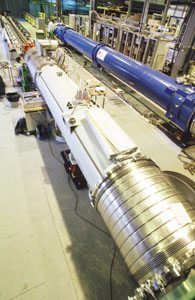
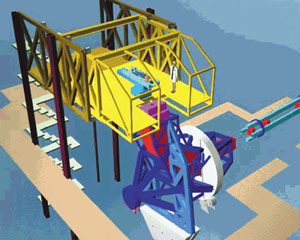
The Japanese KEK laboratory has for the first time demonstrated an alternative method of accelerating protons to high energy – the fixed-field, alternating gradient (FFAG) synchrotron.
In a normal variable frequency synchrotron, the radio-frequency of the applied electric fields (which accelerate the circulating beam) is increased to remain in step with the beam as it becomes increasingly distorted by relativity.
In such a synchrotron the beams circulate inside a magnetic tube, obviating the need for a large magnet to enclose the whole machine (as had been the case for the cyclotron). In the 1950s the idea of strong focusing (alternating gradient) enabled the dimensions of this magnetic tube to be reduced considerably, cutting still further the expensive magnetic investment needed. (In 1959 CERN’s PS was the first proton synchrotron to operate using this technique.)
Following the strong focusing revolution, several accelerator specialists realized that ingenious magnetic field designs could also enable particles to be accelerated across the machine’s wide aperture without pulsing the magnetic field. This is the FFAG idea, which was first proposed and demonstrated for electrons by the Midwestern Universities Research Association team.
Under the leadership of Yoshiharu Mori, design at KEK started in January 1999 and the first beam was accelerated on 16 June 2000. The fact that these machines use fixed fields allows them to operate at high repetition rates and produce high-intensity beams. The price to pay is large apertures, a larger circumference and consequently massive magnets, which has favoured so far the now classical alternating gradient pulsed synchrotrons and explains why only electron model machines had ever been built.
However, because of their large momentum and transverse acceptances, these machines constitute a promising alternative to the more conventional approaches to muon collection and acceleration (radio-frequency and induction linacs) in a neutrino factory.
This was reported in a poster at the recent European Particle Accelerator Conference in Vienna. An international FFAG workshop was held at CERN immediately after the conference.
The Grid, a highly distributed computing environment that is seen by many as a step beyond the World Wide Web, is catalysing many new computing developments. One is GLOBUS, a toolkit that provides Grid building blocks.
At a recent GLOBUS Grid workshop at the UK Central Laboratories of the Research Councils, Steve Tuecke and Lee Liming from Ian Foster’s pioneer group at Argonne gave presentations at the Rutherford Appleton Laboratory, while the Daresbury Laboratory joined by videoconference. The sessions were recorded and will be available in RealVideo format (for details contact Rob Allan, e-mail “R.Allan@dl.ac.uk”).
The first day offered an introduction to the computational Grid and the GLOBUS toolkit, together with a user’s tutorial. The second day was a developer’s tutorial for Grid programming and went into significantly greater technical detail (common services and security, information services, resource management, remote data management, fault management and communications). The final day concentrated on directing the GLOBUS team’s expert advice onto current particle physics Grid activities and setting up future projects for collaboration with the Foster group.
The workshop was considered to be a great success and is undoubtedly the start of many focused Grid activities in the UK particle physics community.
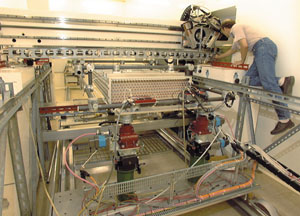
Covering a volume of 17 000 m3, the muon system of the ATLAS experiment at CERN’s Large Hadron Collider (LHC) will be one of the largest particle detector systems ever built. Some 46 institutes around the world are involved in constructing its 1200 Monitored Drift Tube (MDT) chambers, which will provide precision measurements of muon trajectories, along with the trigger chambers that will be associated with them. The trigger chambers are being built in China, Israel, Italy, Japan and Russia. Their production is a formidable undertaking in its own right, but it is the precision MDTs that present the larger challenge to the ATLAS collaboration.
Precision is paramount for the MDTs, and uniformity between the modules coming from different parts of the world has to be carefully controlled. To this end the collaboration has established a stringent quality-control procedure for the principal MDT production sites. A total of 17 sites in nine countries are involved in the production of MDTs. Much of the tooling is locally produced, so not all of the sites are identically equipped, yet they must produce identical chambers with wire positions known to 20 mm for all 400 000 channels of the MDT system.
The quality-control procedure begins with a site inspection. Once the okay has been given, a site produces its so called module-zero chamber and ships it to CERN. A dedicated X-ray tomograph (March p3) then measures the wire positions to ensure that they are all within tolerance before the green light is given for series production to begin. If the module-zero chamber does not pass the tomograph test, a second must be produced before the site can begin production. By the end of July, 11 production sites were operational.
However, the quality-control procedure does not end there. Each tube is entered in a database and barcoded so that, should problems arise in any tube, its entire history can easily be traced. Once a production site is operational, a random sample of about 10% of its production is tested on the CERN tomograph to ensure that standards are being maintained.
The last constructed MDT is scheduled to arrive at CERN in the summer of 2004 for final assembly of MDTs and associated trigger chambers. The complete detector is scheduled to be installed in the ATLAS experimental hall between 2004 and the beginning of 2005, along with the completion of the ATLAS detector, to be ready to register the LHC’s first collisions.
In Japan, plans for a major new proton complex also reflect a major administrative reorganization. Originally, the KEK high energy laboratory had a hadron accelerator project called the Japan Hadron Facility (JHF), which consisted of a 50 GeV proton synchrotron and a 3 GeV booster ring where the projected power of the latter was 0.6 MW.
The Japan Atomic Energy Research Institute (JAERI), on the other hand, had a high-power spallation neutron source project with a proton linac, in which 3 MW pulsed beams were planned for neutron scattering and 5 MW continuous beams were planned for nuclear transmutation.
Since both projects share a common goal to attain high-power proton beams, in the summer of 1998 the Government suggested a joint effort between KEK and JAERI for a single high-intensity proton facility in Japan.
Monbu-sho (the Ministry that supports KEK) and STA (the Science and Technology Agency, which supports JAERI) will merge in January 2001. Therefore, the 1998 suggestion also implied that the government wanted to initiate a project supported by both agencies.
Endorsement
After lengthy discussions, KEK and JAERI agreed in March 1999 to collaborate to create a single high-intensity proton accelerator proposal and a formal memorandum of understanding was signed by the directors of the two institutions. A joint proposal was published and reviewed in April 1999 by an international committee chaired by Yanglai Cho of Argonne. The committee strongly endorsed the proposal.
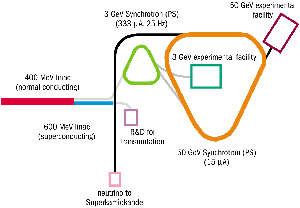
The project, which is to be constructed at the JAERI Tokai site, will consist of:
A 400 MeV proton linac (normal conducting) to inject beams into the 3 GeV proton synchrotron;
A superconducting linac to accelerate protons from 400 to 600 MeV, and used primarily for experiments toward nuclear transmutation;
A 25 MHz 3 GeV proton synchrotron with 1 MW power, primarily for life and material sciences with neutrons and muons;
A 50 GeV proton synchrotron delivering 15 mA and two extraction modes – slow extraction for kaon, pion and primary beams, and fast extraction for neutrino beams to the Superkamiokande detector.
The budget of the project is about ¥189 billion (approximately $1.89 billion when $1 = ¥100). According to a new law in Japan, any major scientific project must satisfy a government-organized third-party review committee. In this case the third party committee must include a range of people, such as scientists (physicists, chemists, biologists, etc), institutional administrators, journalists, economists and company presidents.
The Joint Project was assigned as the first case for such a third-party review, and the committee members were nominated in the late autumn of 1999. Their draft report strongly supports the project, despite its cost. This report will influence the policy decision, and it is hoped that official approval will be given for construction to start in the financial year beginning in April 2001.
Accelerator network
Phase I of the project comprises a 600 MeV linac, a 3 GeV 1 MW rapid-cycling synchrotron (RCS) and a 50 GeV main synchrotron. The Phase I facility could be upgraded to a 5 MW neutron source, which would be Phase II of the project.
One half of the 400 MeV beam from the linac will be injected to the RCS, while the other half will be further accelerated to 600 MeV by a superconducting (SC) linac. The 3 GeV beam from the RCS will be injected to the 50 GeV synchrotron. The 600 MeV beam from the SC linac will be transported to the experimental area for an accelerator-driven nuclear waste transmutation system (ADS). The 3 GeV beam from the RCS will be mainly used to produce pulsed spallation neutrons and muons. The muon-production and neutron-production targets will be located in series in the Life and Materials Science Experimental Area. Ten percent of the beam will be used for muon production.
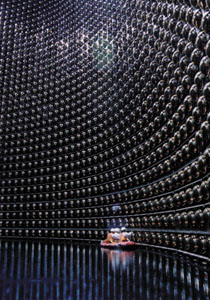
The 50 GeV beam will be slow extracted to the Particle and Nuclear Physics Experimental Area and fast extracted for the neutrino experiment at the Superkamiokande detector 300 km away.
Producing the protons
A volume-production type negative hydrogen ion (H–) source is designed to produce a peak current of 53 mA with a pulse length of 500 ms and a repetition rate of 50 Hz. About 53% of the beam will be accelerated after the beam is chopped at both the 50 keV low-energy beam transport and the 3 MeV medium-energy beam transport.
If the present scheme is successful, one of the most important key technologies will be in place.
The radiofrequency quadrupole (RFQ) linac will accelerate the beam up to 3 MeV, the conventional drift-tube linac (DTL) up to 50 MeV and the separated DTL (SDTL) up to 200 MeV. Here, an acceleration frequency of 324 MHz was chosen. The frequency will be increased by a factor of three at 200 MeV.
Among the possible candidates for the coupled-cavity linac to be used from 200 to 400 MeV, the annular-ring-coupled structure (ACS) is most preferable because of its axial symmetry. Several prototypes of the L-band ACS have been developed and powered beyond the design value. The 400 MeV H– beam from the linac will be injected into the RCS during 500 ms, limited by the sinusoidally varying magnetic field of the 25 Hz RCS.
The beam will be chopped at twice the ring radiofrequency of 1.36 MHz (two bunches per ring) to avoid beam loss during injection. The RCS will thus accelerate two bunches (4 x 10¹³ protons per bunch) every 40 ms. Eight of the 10 buckets of the 50 GeV ring will be filled by four cycles of the RCS. Then the 50 GeV synchrotron will ramped for 1.9 s. The beam will be slowly extracted during 0.7 s. Afterwards it will take 0.7 s for the synchrotron to be ready for the next injection. In total, the period of one beam cycle will be 3.42 s, corresponding to an average current of 15.4 mA.
The purpose of the SC linac is to develop the necessary accelerator technology for the ADS nuclear waste transmutation experiment. If the present scheme is successful, one of the most important key technologies will be in place.
Construction of the 60 MeV proton linac began on the KEK site in 1998. The beam commissioning of the ion source and the RFQ linac will begin soon. Since these two components were designed for a peak current of 30 mA, they will be replaced for the JHF project. However, the beam could be used for testing the DTL and SDTL.
After construction and beam commissioning of the 60 MeV linac have been completed in the JAERI-KEK collaboration, the linac will be shipped to Tokai for the Joint Project.
Energen of Billerica, Massachusetts, has been selected as winner of the WPI Venture Forum’s 7th Annual Business Plan Contest.
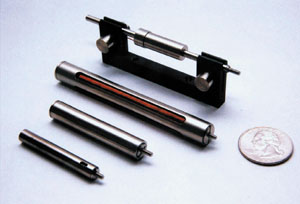
Energen’s winning business plan details the company’s strategy to provide high-force superconducting magnetic smart (magnetostrictive) actuators to the particle accelerator industry.
As a primary component of the radiofrequency cavity tuners in particle accelerators, Energen’s actuators improve the accuracy of the particle beams and increase the reliability of the particle accelerators while reducing design and construction costs.
The WPI Venture Forum aims to promote and serve technology-based entrepreneurial activity and economic growth in the New England region of the US by increasing the business and financial knowledge of the participants through the sharing of experiences with entrepreneurs as well as with area business, financial and educational leaders.
The WPI Venture Forum’s Business Plan Contest is an annual event open to all entrepreneurs in the New England area with business plans involving a technology-based venture.
Energen develops, manufactures and markets precision actuators based on magnetic smart materials technology for precision positioning, robotics and active vibration control.
When it comes into operation in 2005, CERN’s Large Hadron Collider (LHC), which will use thousands of superconducting magnets operating at superfluid helium temperatures, will also be the largest cryogenic system of its kind in the world. The LHC has to operate below 2K to achieve the strong magnetic fields required to hold protons in orbit in the confines of CERN’s existing 27 km tunnel. Supplying all of this liquid helium is a major cryoengineering challenge.
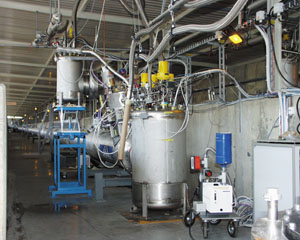
Pre-series test cells for the LHC cryogenic distribution line (QRL) went on test at the laboratory at the beginning of June. Made by three European industrial groups, the test cells have been produced following a 1995 decision to separate the accelerator’s cryogenic distribution system from the magnet cryostats.
The original design for the LHC included the machine’s cryogenic distribution system in the same cryostat as the magnets. This was abandoned in favour of the present solution to avoid unnecessary complexity for the magnet cryostats, their interconnections and the commissioning of the cryogenic system.
This choice had already been successfully adopted for the HERA collider at Germany’s DESY laboratory. In the present system, eight cryogenic plants distributed over five access points around the LHC ring will feed the superconducting magnets via eight approximately 3.2 km long QRL sectors, each of which will operate independently.
Helium at different temperatures and pressures will be supplied to the magnets via service modules joining the accelerator’s cryogenic components to the QRL every 107 m within the accelerator’s bending arcs, a distance that corresponds to a single LHC cell of six dipole and two quadrupole magnets. Elsewhere the interconnections will be at varying distances.
Each of the three test cells currently being put through its paces at CERN is a section about 112 m long in which two service modules are joined by a pipe module made up of several straight pipe elements. Cryogenic supply infrastructure and a number of so-called end-boxes made at CERN complete the test set-up. Two end-boxes close the interconnections that will join units of the final cryogenic distribution line together. A further two cap the service modules where connections to the magnet cryostats will be made. The whole test set-up is extensively instrumented to allow the thermal and mechanical measurements necessary for the technical validation of the system to be made.
Owing to the huge scale of the LHC – some 25.6 km of cryogenic distribution line involving about 200 km of piping needing thousands of welds, around 3300 bellows and 1700 control valves at low temperature – a combination of precision stainless steel piping experience and cryogenics expertise is required from contractors.
Moreover, the finished system will not only be very large and technically challenging but will also be required to operate with unfailing reliability for 6600 h a year over the LHC’s projected 20 year lifespan.
When a market survey was launched in 1996, the results revealed few companies with the relevant expertise in both areas, so industrial consortia were sought. Seven groups were invited to tender in 1997, five replied and three were retained. They are France’s Air Liquide, the German consortium Linde-Babcock and a larger consortium headed by Switzerland’s ABB Alstom Power (the other members are Nordon from France, Kraftanlagen Nukleartechnik, Messer Griesheim and Alcatel Kabel from Germany).
The LHC cryogenic team is careful to stress that the modules currently at CERN are pre-series test cells and not prototypes. The technology is known and the challenge is the large-scale series production of sophisticated cryogenic transfer line components to produce a reliable cryogenic distribution system.
The QRL is four times as long as any existing system and requires the lowest heat inleak ever demanded. Altogether this makes stringent quality control a key issue. The three test cells at CERN are therefore being used not to demonstrate a completely new technology but to qualify the chosen design and test its thermal and mechanical performance before a final call to tender for full-scale production is launched.
A healthy spirit of competition is being maintained between the three suppliers, each of which will be bidding to build the eight sectors of the final system, or a share of it. Final contract adjudication is expected next year. Installation and commissioning of the cryogenic distribution line, which precedes installation of the magnets, is scheduled to run from mid-2002 until summer 2004.
The experiments being prepared for CERN’s Large Hadron Collider (LHC) received their first beams in May and preliminary results are expected soon. No, the LHC, scheduled to begin operations in 2005, hasn’t been brought forward by five years, but with LHC-type test beams being delivered from the SPS synchrotron, the project to upgrade CERN’s existing accelerator complex to supply the LHC is well on course.
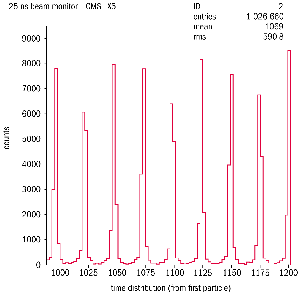
The upgrade was required because bunches of particles travelling around the LHC will be just 25 ns apart. This is a lot closer together than bunches in the Large Electron Positron (LEP) collider and has been chosen because the phenomena that LHC experiments will be looking for are extremely rare. A 25 ns bunch spacing will give the experiments as many collisions as possible without swamping them with data.
The Booster was the first of CERN’s synchrotrons to be upgraded. It had its radiofrequency system changed and its maximum energy was “boosted” from 1 to 1.4 GeV to provide the high beam brightness required for the LHC.
With a beam energy of 26 GeV, the veteran Proton Synchrotron (PS) is the best place to group particles into short intense bunches before sending them on to the larger accelerators. This is done using new radiofrequency cavities. A cavity operating at 40 MHz produces bunches spaced by 25 ns by applying a rapid change in voltage.
Bunch lengths are also measured in nanoseconds – the time it takes a bunch to pass a fixed point – and this procedure squeezes the bunches down to just 10 ns. If every note in Beethoven’s Fifth Symphony were that short, the music would be over in a fraction of a second. Nevertheless, it is still not short enough because the next accelerator in the CERN chain, the Super Proton Synchrotron (SPS), operates at 200 not 40 MHz. This means that SPS bunches must be 5 ns long at the most; 10 ns bunches from the PS would be too long.
To overcome this problem, more particle gymnastics are performed by the 40 MHz cavities working together with more new cavities operating at 80 MHz. This squeezes the bunches to less than 5 ns – short enough to transfer into the SPS.
The new 40 and 80 MHz cavities for the PS are one of the first joint ventures resulting from the Canadian contribution to the LHC. Essential elements of the cavities were built in collaboration with the Canadian TRIUMF laboratory. Their installation began in 1996 and the PS was ready to hand over its first LHC-type beams to the SPS in 1997. Two years of fine-tuning and optimization ensued to prepare realistic test beams for the LHC experiments.
The PS celebrated its 40th birthday in 1999 and, to mark the occasion, an optimized LHC-type beam was accelerated and handed over to the SPS on 27 October. That provided the cue for the SPS team to ready itself for the LHC. With modifications to the PS being tailored to fitting in with the existing configuration of the SPS, the modifications to the larger machine were less extensive.
By the end of the year an LHC-type beam had been steered around the SPS and extracted towards the tunnel that will eventually take beams into the LHC. By May this year the SPS was ready to provide its first LHC-type test beams for the experiments.
The goal of this year’s tests, carried out by the ATLAS, CMS and LHCb experiment collaborations, was to test electronics and detector prototypes in realistic LHC conditions – a milestone required by the LHC committee. The ALICE collaboration, whose lead-ion beams will come together at the relatively sedate rate of once every 125 ns, did not use the new test beam.
ATLAS tested its semiconductor (SCT) and pixel trackers, and its transition radiation tracker (TRT) systems. CMS tested its silicon tracker and its resistive plate chamber (RPC) muon trigger system. LHCb tested its fast (40 MHz) front-end electronics read-out system based on the response of its calorimeter.
All three experiments report encouraging preliminary results. The ATLAS SCT group, for example, used the tests to investigate the efficiency of its electronics at associating hits in the detector with the correct beam bunch, and to see how well the electronics could keep track of hits from several bunches in the electronics pipeline at the same time.
CMS took the opportunity to test prototype silicon tracker modules with the full electronics read-out chain. The results showed that the detector and electronics are up to the task of operating under the stringent timing constraints imposed by the LHC’s 40 MHz bunch-crossing frequency. The LHCb system also proved itself capable of distinguishing clearly between adjacent bunches.
More LHC-type test beam running is foreseen for the coming years, with the goal of testing final electronics and several sub-detector prototypes together.
A universe made of silent stars and galaxies peacefully drifting through the vast emptiness of space and time – the awe-inspiring view through an optical astronomical telescope has, over recent years, been enlarged by impressions of a much more violent and dynamic universe: that of extremely hot plasmas and high-energy particles.
Ever since the first X-ray telescopes succeeded in observing astrophysical objects above the blanket of the atmosphere, they have found ubiquitous plasmas at temperatures above a million degrees, often accompanied by particles (electrons and ions) in the mega-electronvolt range and higher. In most cases the origin of the large amount of energy, oftenreleased in explosive events, is unknown. The considerable diagnostic power of these processes deserves detailed study and has been the motive for several space missions for a quarter of a century.
The Einstein and EXOSAT satellites were among the pioneers in the 1970s and 1980s, revealing a great variety of cosmic X-ray sources. The ROSAT satellite, together with a few further missions launched in the 1990s, provided the first comprehensive view of X-ray phenomena in the universe, detecting more than 150 000 sources across the sky. So far we know of X-ray emission from stellar atmospheres (such as the Sun), star-forming regions, accreting neutron stars and black hole environments, supernova remnants, the interstellar gas, external galaxies and gas in galaxy clusters. Quite unexpectedly, even small brown dwarf stars, planets and the envelopes of icy comets have recently been added to the list of prolific X-ray emitters.
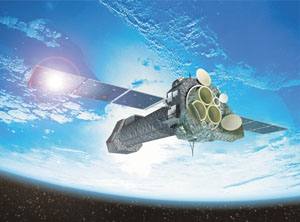
What has been missing in X-ray astronomy is a class of major observatories, equivalent to the Hubble Space Telescope. Such missions, conceived in the 1980s with great foresight, are now in orbit for the first time. NASA’s Chandra X-ray observatory was successfully launched in July 1999 and has already sent back a series of breathtaking pictures and spectra. The European Space Agency’s (ESA) X-ray Multi-Mirror Mission (XMM) followed on 10 December 1999 with a picture-perfect launch on an Ariane 5 rocket.
A new view of the X-ray universe
Both missions will reach new frontiers. For the first time, high-resolution spectroscopy is routinely performed in the X-ray range. Chandra’s fine mirror optics increase the image sharpness by a factor of 10 over the best previous missions, with an angular resolution (0.5 arcseconds), thus competing with large ground-based optical telescopes.
XMM’s strength, in contrast, is its vast collecting area and therefore its sensitivity to both imaging and high-resolution spectroscopy. This is possible thanks to new technologies in mirror fabrication. In contrast with optical light, X-rays are focused through hollow hyperbolic/parabolic mirror shells by grazing reflection at the entrance of the telescope. Instead of using one or a few such mirrors (four in Chandra’s case), XMM carries three telescopes, each consisting of 58 concentrically nested mirrors that provide more collecting area than all previous X-ray satellites added together.
The three telescopes observe in parallel so that three independent imaging charge-coupled device (CCD) European photon imaging cameras (EPIC) and two reflection grating spectrometers (RGS) can be fed simultaneously. These detectors are located at the far end of the telescope, approximately 7.5 m from the mirrors.
A further unique advantage of XMM is its complementary optical telescope that, despite its small diameter of 30 cm, competes with largeground-based telescopes in its brightness limits. It addresses important scientific questions, because many high-energy sources emit not only X-rays but also ultraviolet and optical photons after reprocessing within the source.
Altogether, XMM is a huge observatory measuring more than 10 m in length and 4 m in diameter, and weighing nearly 4 tons. It constitutes the largest scientific satellite that ESA has ever built and is one of the key projects of Europe’s astrophysics science programme.
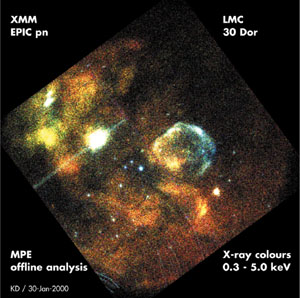
All XMM detectors are based on CCDs. These not only allow for fine imaging with the EPIC cameras but also provide sufficient intrinsic energy resolution in the X-ray range to resolve broad spectral features and to model plasma temperatures and chemical abundances across the field of view. The latter is approximately 30 arcminutes in diameter (about the diameter of the full moon), which is ideal for the efficient mapping of large astrophysical structures (e.g. star-forming regions or supernova remnants). One of the cameras (the so-called EPIC pn) has been optimized for extremely rapid read-out through new technology down to a time resolution of 30 ms.
The converging X-rays from two of the three mirror systems pass through a reflection grating assembly – a system of numerous thin-grooved plates that disperse half of the incoming light into ahigh-resolution spectrum. The latter is then recorded by a CCD strip within the RGS detector system. The CCDs are cooled to -80 °C for optimum operation.
Dispersive systems such as the RGS are ideal for isolated point sources (e.g. stars and quasars), although some of the convolution between source geometry and spectral energy distribution can be disentangled through the modelling of extended sources as well. The energy resolution (E/DE) of the RGS detectors reaches 800 – sufficient to separate all important atomic emission lines in the range of sensitivity (0.35-2.5 keV), in particular the lines of the iron L-shell. The EPIC cameras will complement the spectroscopy up to 15 keV, albeit with much lower resolution.
The combination of the X-ray and optical/ultraviolet detectors with various filters makes XMM an efficient multiwavelength observatory that simultaneously obtains X-ray images with moderate energy resolution, high-resolution X-ray spectra of selected objects within the field of view, and a variety of optical and ultraviolet photometric and spectroscopic measurements, all with fine time resolution.
Astrophysical X-ray spectroscopy is a relatively new field that nevertheless provides the key for the understanding of many hot cosmic sources. Optically thin plasmas, with temperatures exceeding a million degrees, radiate much of their energy in spectral lines due to atomic transitions in trace elements such as carbon, nitrogen, oxygen, neon, magnesium, silicon, sulphur and, in particular, iron.
Plasma probes
These emission lines are excellent diagnostic probes of the plasma conditions. Their strengths and ratios can be used to deduce temperatures, chemical abundances and emission characteristics. “Forbidden” lines of highly ionized helium-like ions contain information about electron densities and are therefore used to deduce plasma pressure. The RGS spectral resolution is also sufficient to allow the observation of plasma motion or turbulence through wavelength shifts or line broadening, when the velocities exceed 100-200 km/s – quite common in astrophysical plasmas. Absorption features and continua provide further information on the state of the plasma.
XMM has been designed to address a range of astrophysical problems, including:
* the origin of cometary X-rays, possibly related to fluorescence or scattering of solar light;
* coronal heating in magnetic stellar atmospheres and of magnetic fields on low-mass brown dwarfs;
* the importance of magnetic accretion to spin-down of young stars and to the ionization of their immediate environments;
* the determination of the metallicity (composition), distribution and energy budget of the hot interstellar gas with implications for galactic evolution;
* the spatial and spectral study of supernova remnants to understand the chemical evolution in their progenitors, the expansion of their shells into the interstellar space and therefore the chemical enrichment of the galaxy;
* the measurement of accretion phenomena on neutron stars and towards black holes in binary systems to infer the geometry of these systems or the role of magnetic fields;
* the observation of direct and reprocessed radiation from accretion disks around massive nuclei of active galaxies;
* the measurement of the radial variations of the density, temperature and metallicity of the gas in galaxy clusters, to deduce their mass composition and to study elemental enrichment due to supernova ejecta.
Using XMM’s capabilities
Unravelling the mysteries of cosmic sources often requires us to disentangle a variety of parallel processes; the luxury of well defined physical states familiar to laboratory physicists is rarely available. In a good example of this complexity, the heating of cosmic plasmas is poorly understood, even if large source samples are at hand. Almost half of the observed X-ray sources are stars that are surrounded by magnetically enclosed, structured and highly dynamic atmospheres (coronae) heated to several million degrees. The heating mechanism is unknown, but it may be related to explosive energy releases – so-called flares – that transform free magnetic energy into heat.
A popular theory holds that unstable magnetic fields reconnect and accelerate electrons and ions. The particles travel along the magnetic field lines towards the denser but much cooler gases near the stellar surface. Collisions with the ambient cool gas provide signatures of non-thermal X-rays, perhaps marginally detectable by the sensitive EPIC cameras at 15 keV. Subsequent prompt heating of the cool layers produces a first light flash in the ultraviolet regime – the domain of the XMM optical monitor – thus providing an important measure of the energy and of the involved surface area.
As the high-energy particles lose their energy in the target through thermalization, a rapid temperature increase to tens of millions of degrees makes the plasma radiate X-rays, and new diagnostic emission lines show up in the RGS. The time profile, sensitively recorded by the EPIC cameras, depends on the incoming energy, radiative losses and conductive losses. The pressure build-up drives the plasma along the magnetic field lines away from the star at approximately the speed of sound. Spectral lines become Doppler-shifted in the early phase, or broadened through turbulence – signatures that may become measurable in the RGS spectra.
Fractionation of elements (elements with a low first ionization potential appear to be preferentially lifted into the atmosphere) can now be determined through ratios of lines from the different elements available from X-ray spectroscopy.
As the pressure in the closed magnetic fields builds up, forbidden atomic lines become suppressed: several of the easily observable lines in the high-resolution spectra thus provide ideal barometers. Rapid heating may drive the plasma out of ionization equilibrium for some time, and cooling plasma may eventually absorb some of the X-ray emission. Again, spectroscopy provides unequivocal information about such processes.
Given that only simplistic models are to hand and many details are not yet understood, the combined analysis of all datasets will provide a powerful tool to refine models and to help us to understand cosmic plasmas. Solving the mysteries in the above example alone would help greatly in the understanding of explosive plasma heating mechanisms in many astrophysical sources. It would also help to reveal the source of solar and stellar winds (of importance to the understanding of solar-terrestrial physics), which are pivotal in star formation and stellar evolution. In addition it would help us to understand the physics of mass accretion from accretion discs to forming stars, explain parts of the diffuse X-ray background seen in our, and external, galaxies, and perhaps even contribute to a modelling of the origin of low-energy cosmic rays. In-depth observations of many other types of object will further contribute to our understanding of the high-energy universe.
XMM science observations are organized mainly in two sections:
* Guaranteed Time has been allocated for the instrument Co-Investigator research institutes. This provides a unique opportunity for these institutes to define large, fundamental astrophysical projects within international expert teams. It also guarantees an appropriate scientific return for the instrument-contributing institutes and countries.
* The Guest Observer Programme for the first two years is the outcome of projects submitted by astronomers worldwide and selected in the autumn of 1999 by expert panels. It contains typically shorter projects to be worked out later by the proposing teams.
XMM’s launch on board the fourth Ariane 5 was a great success for both the Ariane programme and for XMM. After a flawless countdown, a precise launch carried XMM into a high orbit with a period of 48 h. The orbit injection was so accurate that enough fuel was left on board to extend XMM’s lifetime by up to 20 years.
An extensive commissioning phase culminated in the release of the first pictures and spectra on 9 February as a foretaste of more science to come. On the same day XMM was renamed XMM-Newton, in honour of the great physicist and inventor of spectroscopy, a science that has now made its way into X-ray astrophysics.
* The Swiss Paul Scherrer Institute (PSI) is one of the Instrument Co-Investigator institutes for the reflection grating spectrometer, together with the Mullard Space Science Laboratory (MSSL), UK, and Columbia University, under the leadership of the Space Research Organization of the Netherlands. Dr Güdel is also observing principal investigator of several observing programmes in the Guaranteed and Guest Observer sections, to be undertaken with these instruments, and devoted to magnetized stellar plasmas and hot stellar winds, including star-formation regions.
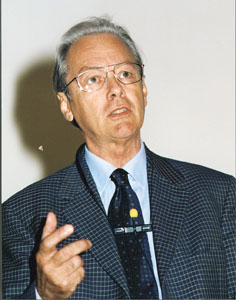
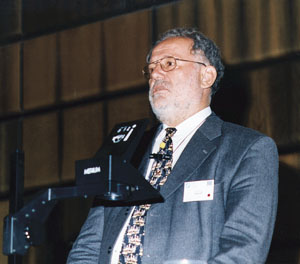
The seventh European Particle Accelerator Conference (EPAC 2000), which was held in Vienna on 26-30 June, reflected how particle accelerators have evolved from a physics research tool into a burgeoning applications field covering the sciences, medicine and industry. In his opening talk, Ugo Amaldi of the TERA Foundation underlined the many facets of particle acceleration today, ranging from the history of art through many diverse sciences to the study of the energy frontier in physics.
Then followed the performance reports on the Phi-factory DAFNE at Frascati and the B-factories PEP-II and KEKB at SLAC, Stanford and KEK, Japan, respectively. Here the emphasis was on machine tuning to arrive at design luminosities. This demonstrates a different form of art – the careful diagnostic study of circulating beams linked to feedback control systems that overcome potential instabilities.
Never is the accelerator specialist more elated than when this leads to higher beam currents and greater luminosity for the experimenter – provided, of course, that the detector backgrounds are tolerable. John Seeman of SLAC, who once described this excitement in striking detail in his article “The Tao of Commissioning” (SLAC BeamLine29 2), was able to report a PEP-II record luminosity of 2.22 ¥1033 cm-2s-1, with KEKB not far behind.
At DESY, Hamburg, the electron-proton collider HERA has been shut down for nine months for upgrades that should lead to luminosity gains of up to a factor of five. The last sprint of LEP at CERN is towards higher energy at the expense of luminosity and broken cavities, although there is some benefit from the reduced radiation damping times that accompany the higher beam energies. Steve Myers of CERN used a touch of blarney in his witty account of the good, the bad and the unforeseen in 12 years of LEP operations -recommended reading if it is ever published.
Future machines
Magnet production and testing for CERN’s LHC collider represented the forefront of new large machine project work (see “The biggest of them all” below), while looking beyond LHC, the feasibility studies on neutrino factory design were described by Norbert Holtkamp and Helmut Haseroth for Fermilab and CERN respectively. These assemblies of machines and machine components to produce, collect, cool and store muons stretch our abilities as machine designers to and beyond our present limits. Here is a challenge for the future that is similar to that faced in linear collider studies for many years.
This design work was not reported at EPAC 2000 because it is a main component of linac and collider conferences. However, on the last day there was a session devoted to the four main test facilities for linear collider R&D. D Trines of DESY reported on the impressive recent results of the TESLA collaboration in developing nine-cell 1.3 GHz superconducting cavities to withstand gradients of 25 MV/m and single-cell cavities to gradients of 40 MV/m. The surface treatment and assembly of the cavities is now well understood and electropolishing the niobium surfaces is seen as a major factor in pushing up the breakdown limit. Four companies are now able to supply cavities that meet the TESLA design specifications.
The higher-gradient copper cavity linac designs, studied at the NLC Test Accelerator at SLAC and the CLIC Test Facility at CERN, also progress by demonstrating their functionality while revealing the need to concentrate on certain technical details. One such detail is the recently discovered damage to the copper surfaces of these cavities when they are pushed to the highest gradients. Both the NLC and CLIC study groups reported that they had found unexpected damage of the internal copper surfaces of their respective large-aperture travelling-wave accelerating structures after conditioning them with radiofrequency power to accelerating gradients of 50-60 MV/m.
Medical applications
Turning to the vast majority of accelerator design and construction projects, it was the medical applications that featured most prominently. Synchrotron light sources were naturally well represented and the third-generation sources are being extended into a fourth generation of ultraviolet, vacuum ultraviolet and X-ray free electron lasers capable of performance in terms of beam brilliance many orders of magnitude above present-day synchrotron light sources.
However, it was the proton- and ion-beam therapy units that drew the crowds to their plenary sessions, reflecting their interest for society as well as in science. Eros Pedroni of PSI gave a comprehensive account of the latest developments in proton therapy, followed by Jose Alonso of Berkeley, who reviewed present and future ion-beam therapy.
These and other talks, together with the well attended stand demonstrating the “best possible design” proton-ion medical machine study (PIMMS), were a highlight of the week, but were, in fact, just appetizers for a dedicated post-conference meeting on medical accelerators (see “The biggest of them all” below). The PIMMS CD-ROM was a great success and I had to donate my copy to an interested MD during the rail journey home from Vienna.
Industry
Opening the session for industry, Kurt Hübner of CERN gave an overview of the future
construction needs of ongoing and future projects. Many technologies will be needed and some will be pushed to new limits. New materials, cryogenics, radiofrequency and controls form part of a long list.
With around 15 000 accelerators in the world, this field continues to be an important source of technology transfer, and this was the theme of the other speakers in this session. The immediate response from those industrialists present was not so obvious, because there was little interchange during the formal presentations. However, as evidenced by the continued discussion in their booths and over coffee, they preferred to handle the situation by more customary methods.
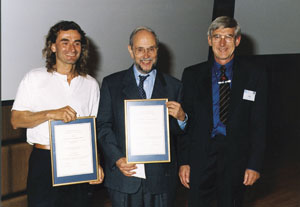
Another highlight of the meeting was the presentation of this year’s European Physical Society Interdivisional Group on Accelerators (EPS-IGA) accelerator prizes (May p30). The prize for an individual in the early part of his or her career, having made a recent significant, original contribution to the accelerator field, was awarded to Pantaleo Raimondi of SLAC. The prize for outstanding work in the accelerator field went to Eberhard Keil of CERN.
Raimondi described in “SLC – the end game” how, with considerable ingenuity, he was able to use the measurement of the beam-beam interaction at the Stanford Linear Collider to improve the tune and hence the luminosity. Eberhard Keil drew on a recent study of an electron recirculating accelerator at CERN, ELFE at CERN, to illustrate some recent advances in accelerator design methods.
These stimulating presentations were followed by an invited talk, “Vacuum in philosophy, physics and classical music”, by Herbert Pietschmann of Vienna. Despite its improbable title and the reference to classical music rather than the empty-headed pop version, this turned out (not unexpectedly, given the speaker) to be a source of great pleasure to the audience and an insight into our concept and use of the void.
High-intensity protons
During the week we were continually reminded of the push towards high-instantaneous-intensity proton machines for neutron spallation sources. In his presentation to industry, Albert Furrer of PSI emphasized the value of these devices by giving several excellent examples of the uses of neutron beams for radiography, tomography, reflectometry, spectroscopy, diffraction and scattering – all techniques applied to the study of materials.
One of the plenary sessions on the following morning was entirely devoted to high-power facilities. The interest in radioactive beam facilities and their relation to astrophysics was presented by Alex Mueller of IPN Orsay. An attentive audience was treated to an excellent account of the challenges to be met in exploring the terra incognita of exotic nuclei.
Poster colour
The oral presentations were supplemented by hundreds of posters. It is difficult to make an objective selection – on the whole the quality was excellent. Particular merit should go to the set of KEK/KEKB posters, accompanied by self-service sets of preprints. Unfortunately, many exhibitors offered neither preprints nor a Web address to access their work.
One poster, presented by Kenjii Sato of KEK, Japan, must be selected for special mention. It was the demonstration of acceleration in the world’s first proton fixed field alternating gradient synchrotron, albeit at a very modest energy as a proof of principle.
Under the leadership of Yoshiharu Mori, design at KEK started in January 1999 and the first beam was accelerated on 16 June 2000. The fact that these machines use fixed fields allows them to operate at high repetition rates and produce high-intensity beams. The price to pay is large apertures, a larger circumference and consequently massive magnets, which has favoured so far the now classical alternating-gradient pulsed synchrotrons and explains why only electron model machines have ever been built.
However, because of their large momentum and transverse acceptances, these machines constitute a promising alternative to the more conventional approaches to muon collection and acceleration (RF and induction linacs) in a neutrino factory, and an international workshop on this topic was held at CERN immediately after the close of EPAC 2000.
Many posters illustrated the use of new materials, particularly magnetic materials, and a stunning array of new beam diagnostic tools was on display. The latter, coupled with precise numerical simulations, are increasingly used for performance optimization. These appeared in many posters and were the topic of an oral
presentation by Frank Zimmerman of CERN. Perhaps, above all else, they reflect the onward direction of accelerator science towards complex machines where instrumentation and beam control will play an increasingly important role.
Shortly before the opening date there were 702 registered participants. Further confirmation of the large attendance was the fleet of 18 buses needed for transport to the Viennese Heurigen village for the conference dinner.
Some 86 plenary presentations were spread over five days with two parallel sessions during the middle three days. A session devoted to industrial relations occupied one afternoon and this complemented the industrial exhibition, where 37 companies presented their wares. Almost 900 abstracts were submitted for posters to be presented in sessions of more or less equal numbers on each of the first four days.
There were few gaps in the long lines of sometimes very colourful illustrations of today’s accelerator developments and applications.
Vienna was an excellent and relatively inexpensive conference location with good transport and relaxation within easy reach of the conference centre. Within the Vienna Center, computing facilities were good, but the provision of writing desks and smoke-free areas had been overlooked. However, all in all it was a profitable week to look back on with great pleasure.
At the EPAC 2000 conference, Carlo Wyss of CERN presented the story of the ongoing collider metamorphosis in CERN’s 27 km tunnel from LEP to the LHC. The process started 10 years ago and he stressed the important part that industrial collaboration has played in the development and validation of suitably optimized dipoles that could reliably reach the design field of 8.4 T.
Three 15 m long prototypes are now reliably ramping to more than 9 T. Strategies for correcting manufacturing errors have been established under strict quality control. The way is now open for a call for tender in 2001, according to the construction schedule.
Norbert Siegel of CERN followed with an overview of other LHC magnets. The extent of the international collaboration and the variety of design among the different magnet families was striking. Cold tests are proceeding well. The many new features that have been introduced and the boost that this must give to the whole field of superconducting magnet design attest to the quality of the engineering and the thoroughness of the acceptance testing.
For LHC as a whole, the sheer numbers – 3000 double-aperture magnets and 5000 single-aperture magnets – pose manufacturing challenges en route to LHC commissioning, which is scheduled for 2005. Colin Johnson, CERN.
Among the increasing number of application fields in which particle accelerators are making their mark, medicine is always centre stage. The current status of the field was summarized at IMMAC 2000, a one-day International Meeting on Medical Accelerators, which was held at Vienna’s Technical University. Many of the 196 participants had attended EPAC 2000 during the previous week.
At registration, everyone received a pamphlet describing the advantages of hadrons (protons and heavy
ions) for cancer therapy and explaining the unique suitability of carbon ions because of their low radiobiological effect (RBE) in the entry channel and high RBE in the Bragg-peak energy deposition region. This was a fitting tribute to the half-century of progress since the late Robert R Wilson’s famous paper “Radiobiological use of fast protons” (Radiobiology47 1946), in which he had the visionary foresight to point out the possible future use of carbon ions.
After a warm welcome by the organizer, Meinhard Regler, the first session reviewed the techniques available to treatment planners. Costas de Wagter of University Hospital, Ghent, described the progress in photon
therapy for conformal dose delivery, starting with patient-specific collimators that shadow tumour boundaries and ending with dynamically controlled, multileafed collimators – intensity modulation and multiple-entry channels used in “step and shoot” or continuous rotation regimes.
Costas Kappas of Patras described stereotactic therapy with collimator helmets that direct radiation from some 200 small channels for three-dimensional treatments in the head. The use of hadrons was covered in the third talk by Anders Brahme of Stockholm’s Karolinska Institute. In addition to the known advantage of
hadrons in depth control by the Bragg-peak behaviour, Brahme proposed an extra degree of freedom to be gained by mixing different radiations.
Brahme first explained how 20-30 daily treatments by photons or protons (low RBE radiations) could eradicate cancerous cells while allowing normal tissue to repair, thus giving a true meaning to the word
“therapy”. On the other hand, light ions (high RBE radiations) are more efficient at killing cells. The complementarity of these radiations suggests a possible optimization. While treatments would in general be in the “therapy” mode, a booster dose that exploits the spatial precision and high RBE of light ions could be used in the tumour core.
The second session centred on reports from the main hadron therapy centres – PSI (Switzerland) by Eros
Pedroni, HIMAC (Japan) by Kyomitsu Kawachi, GSI (Germany) by Jürgen Debus, and the Massachusetts General Hospital by Alfred Smith. The latter emphasized that, beam for beam, proton treatment plans were more accurate than photon plans. Smith’s prediction was for a dozen proton centres in the US within a decade, with treatment costs competitive with those of established photon facilities.
In the third session, Jan Ingloff spoke first about the proton gantry from specialist firm IBA that is rapidly becoming a standard for deploying passively spread proton beams. This was followed by an account by
Michael Benedikt of PIMMS, hosted by CERN, and a more general talk on gantries and patient-positioning equipment by Giovanni Cairoli of Schär Engineering AG, Switzerland.
Gantries are universally appreciated for their flexibility, but, in the case of carbon ions, the increase in size and power consumption owing to the high magnetic rigidity raises the question of whether such gantries are still practical. To answer this question positively, Stefan Reimoser of CERN proposed a detailed design of a novel exocentric light-ion gantry called the Riesenrad, after the famous Vienna ferris wheel.
In the final session, Hans Hoffmann of CERN spoke on information transfer and called for an open collaboration in the design of medical facilities. Concluding remarks came from Richard Pötter of University Hospital, Vienna.
On Monday 12 June a new high-energy machine made its stage debut as operators in the main control room of Brookhaven’s Relativistic Heavy Ion Collider (RHIC) finally declared victory over their stubborn beams. Several weeks before, Derek Lowenstein, chairman of the laboratory’s collider-accelerator department, had described repeated attempts to get stable beams of gold ions circulating in RHIC’s two 3.8 km rings as “like learning to drive at the Indy 500!”.
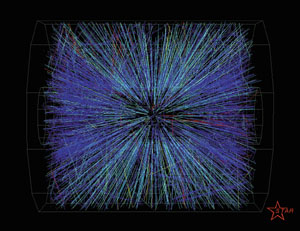
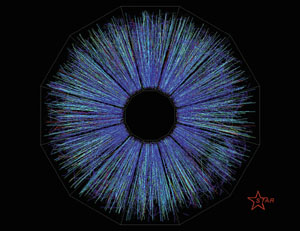
With beams finally circulating in the collider’s twin rings on a collision course at an energy of 30 GeV per nucleon, the waiting STAR detector captured the first spectacular images of particles streaming from a head-on collision point, showing an impressive shower of about 1000 tracks, but this was just a foretaste of bigger things to come. Soon, collisions were also seen by the BRAHMS, PHENIX and PHOBOS detectors.
The result is great news for the thousands of physicists, engineers and support staff who have been working since 1991 to get RHIC up and running, and for physicists everywhere who have been anticipating RHIC’s debut.
“These are the most spectacular subatomic collisions ever witnessed by humankind, representing the culmination of many years of hard work,” said Satoshi Ozaki, associate laboratory director for RHIC. It was a proud moment for Ozaki, who returned to Brookhaven from Japan to oversee the construction and commissioning of this challenging machine.
The high temperatures and densities achieved in the RHIC collisions should, for a fleeting moment, allow the quarks and gluons to roam in a soup-like plasma – a state of matter that is believed to have last existed millionths of a second after the Big Bang. Information from RHIC experiments will round out the quark-gluon plasma knowledge gained through experiments using nuclear beams at lower energies at CERN’s SPS synchrotron.
RHIC construction began in 1991, and the project was completed last year, when all parts of the machine were initially tested and operated as a complete system, but just short of physics operation. Construction and commissioning costs totalled $600 million.
Nuclei destined for RHIC originate in the laboratory’s Tandem Van de Graaff, proceed into the booster and then travel on to the venerable Alternating Gradient Synchrotron (AGS), which first came into operation in 1960. The AGS injects nuclear beams into RHIC for experiments.
For RHIC, bunches of nuclei are injected into each of the two rings. Then, with both rings filled, the ions will be whipped to 70 GeV/nucleon. With stable beams coasting around the rings, the nuclei collide head-on, eventually at the rate of tens of thousands of collisions per second.
Principal RHIC components were manufactured by industry, in some cases through co-operative ventures that transferred technology developed at Brookhaven to private industry.
The RHIC tunnel is filled with 1740 superconducting magnets in two rings, which bend and focus the particles. Dipole and quadrupole magnets were built by the Northrop-Grumman Corporation on Long Island, and sextupole magnets were built by Everson Electric, in Bethlehem, Pennsylvania. Brookhaven built the corrector magnets and other special magnets.
The RHIC tunnel configuration provides for six areas where the circulating beams cross and where collisions take place. Four areas now contain detectors – two large ones, STAR and PHENIX, and two smaller assemblies, PHOBOS and BRAHMS. All together, close to 1000 scientists from 90 research institutions representing 19 countries are working on RHIC experiments.
To provide the best experiences, we use technologies like cookies to store and/or access device information. Consenting to these technologies will allow us to process data such as browsing behavior or unique IDs on this site. Not consenting or withdrawing consent, may adversely affect certain features and functions.
Functional
Always active
The technical storage or access is strictly necessary for the legitimate purpose of enabling the use of a specific service explicitly requested by the subscriber or user, or for the sole purpose of carrying out the transmission of a communication over an electronic communications network.
Preferences
The technical storage or access is necessary for the legitimate purpose of storing preferences that are not requested by the subscriber or user.
Statistics
The technical storage or access that is used exclusively for statistical purposes.The technical storage or access that is used exclusively for anonymous statistical purposes. Without a subpoena, voluntary compliance on the part of your Internet Service Provider, or additional records from a third party, information stored or retrieved for this purpose alone cannot usually be used to identify you.
Marketing
The technical storage or access is required to create user profiles to send advertising, or to track the user on a website or across several websites for similar marketing purposes.