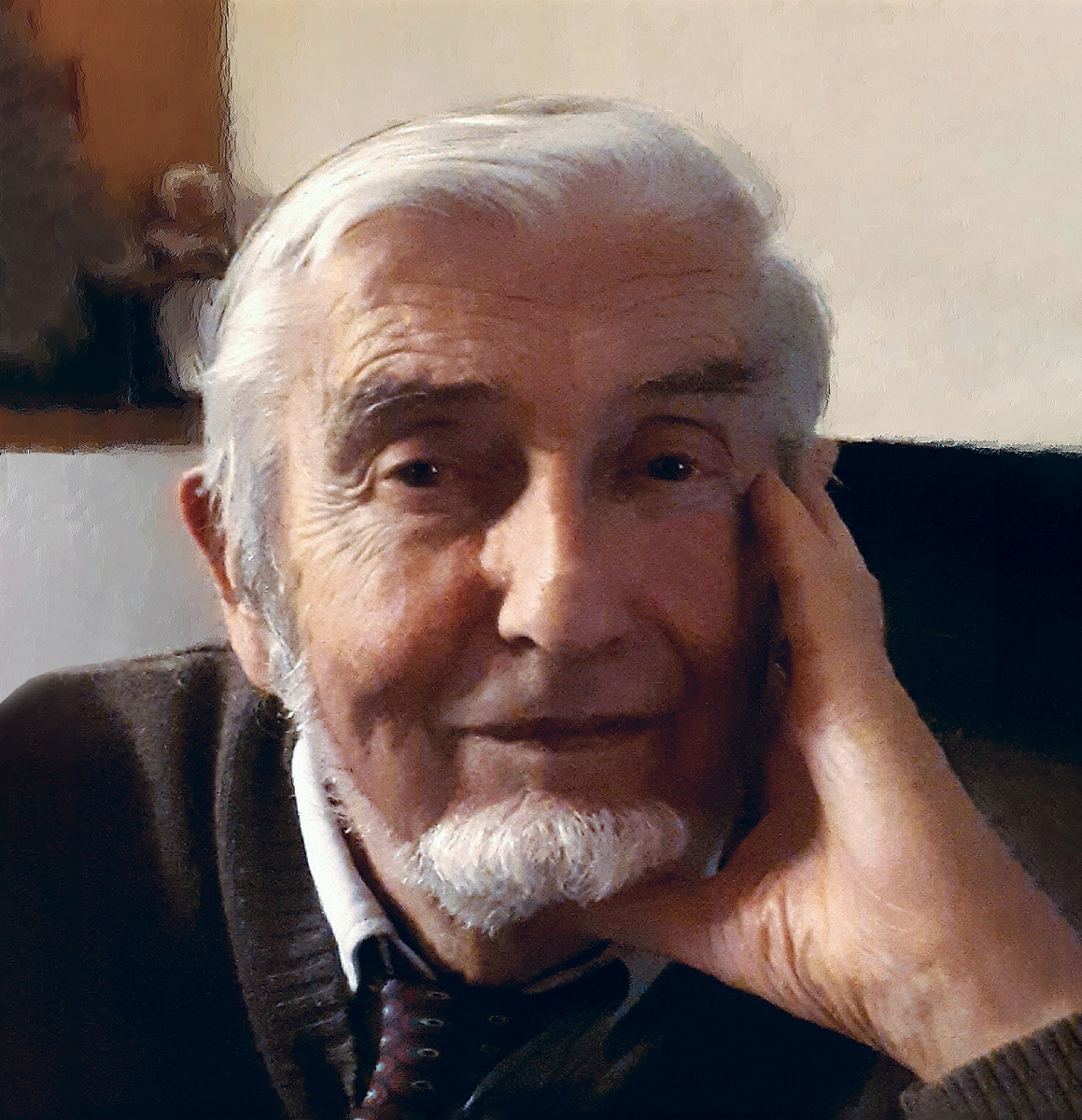
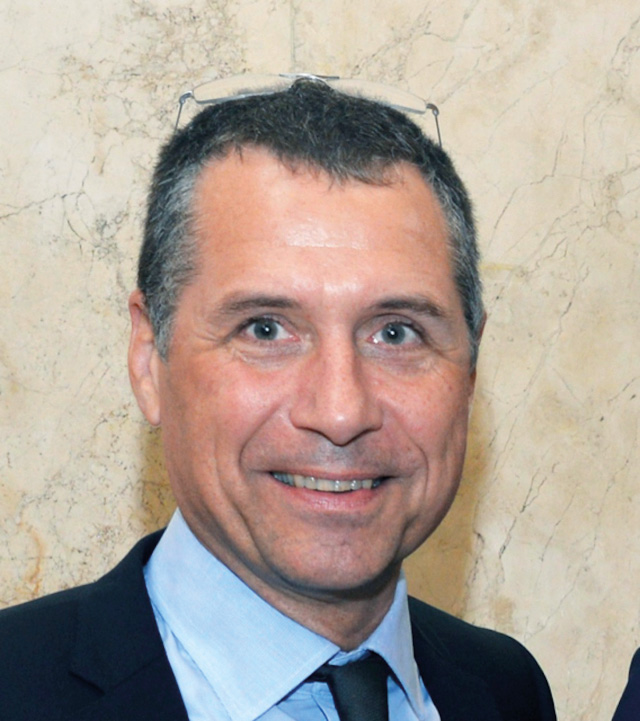
Jacques Séguinot, a founding father of the ring-imaging Cherenkov detector, passed away on 12 October.
Born in 1932 in a small village in Vendée, Jacques studied electromechanical engineering at the University of Caen and received his PhD in physics in 1954. His solid engineering base was visible in every experiment that Jacques designed and built throughout his long career, which followed a classic French academic path – from a stagiaire de recherche in 1954 to a directeur de recherche in 1981, which he held until his official retirement in 1990.
His first studies saw him spend several months at the French cosmic-ray laboratory on the Col du Midi near Mont Blanc, after which he worked on accelerator-based experiments: first at Saturne (CEA Saclay), and from 1964 onwards at CERN’s Proton Synchrotron studying strong interactions with pion and kaon beams. At the end of the 1960s, Jacques began a long and fruitful collaboration with Tom Ypsilantis, leading to a seminal 1977 paper establishing a new particle identification technology that became known as the RICH (Ring Imaging Cherenkov Counter).
The idea was to use the recently introduced multiwire proportional chamber, filled with a photosensitive gas, to detect and localise ultraviolet photons emitted by fast charged particles in a radiating medium, and to use a suitable optical arrangement to create a ring pattern whose radius depends on the particle speed. Combined with magnetic analysis, the RICH made it possible to identify a particle’s mass in a wide range of energies. In further work, Séguinot and Ypsilantis developed algorithms to optimise the momentum resolution of the detectors, as well as adapting radiators to cover different momentum ranges where other technologies were ineffective.
The early RICH devices were successfully deployed at the fixed-target experiments OMEGA at CERN and E605 at Fermilab. The ability of the detector to extend over most of the solid angle around the target or colliding-beam intersections also made it particularly relevant for experiments at the newly commissioned LEP and SLD accelerators. The RICH detector at LEP’s DELPHI experiment came close to the original design, with nearly 4π angular coverage, and Jacques’ contribution to this detector was key.
In view of the growing interest in meson factories, Jacques and Tom worked on faster RICH devices with shorter photo-conversion lengths, and also on CsI solid photo-converters. This led to applications in the RICH for CLEO at the CESR storage ring, the CsI-based RICH detectors in CERN’s ALICE, COMPASS and other experiments. Another very ambitious R&D programme, which started in the mid-1990s, aimed at developing highly segmented photodetectors sensitive to visible light. Jacques saw the potential of such hybrid photo detectors (HPD) for applications in medical imaging, and proposed an innovative PET device in which matrices of long scintillation crystals are read from both sides by HPDs. In the meantime, SiPM photodetectors had become available, with a number of practical advantages over HPDs. In the AX–PET collaboration, Jacques and several others built a fully operational axial PET with SiPM readout.
The high-energy physics community has lost an excellent detector physicist with an extraordinary sense of engineering. His groundbreaking ideas live on, including in the most recent detectors such as Belle II in Japan. But we will also remember Jacques’ fine personality, patience and decency.
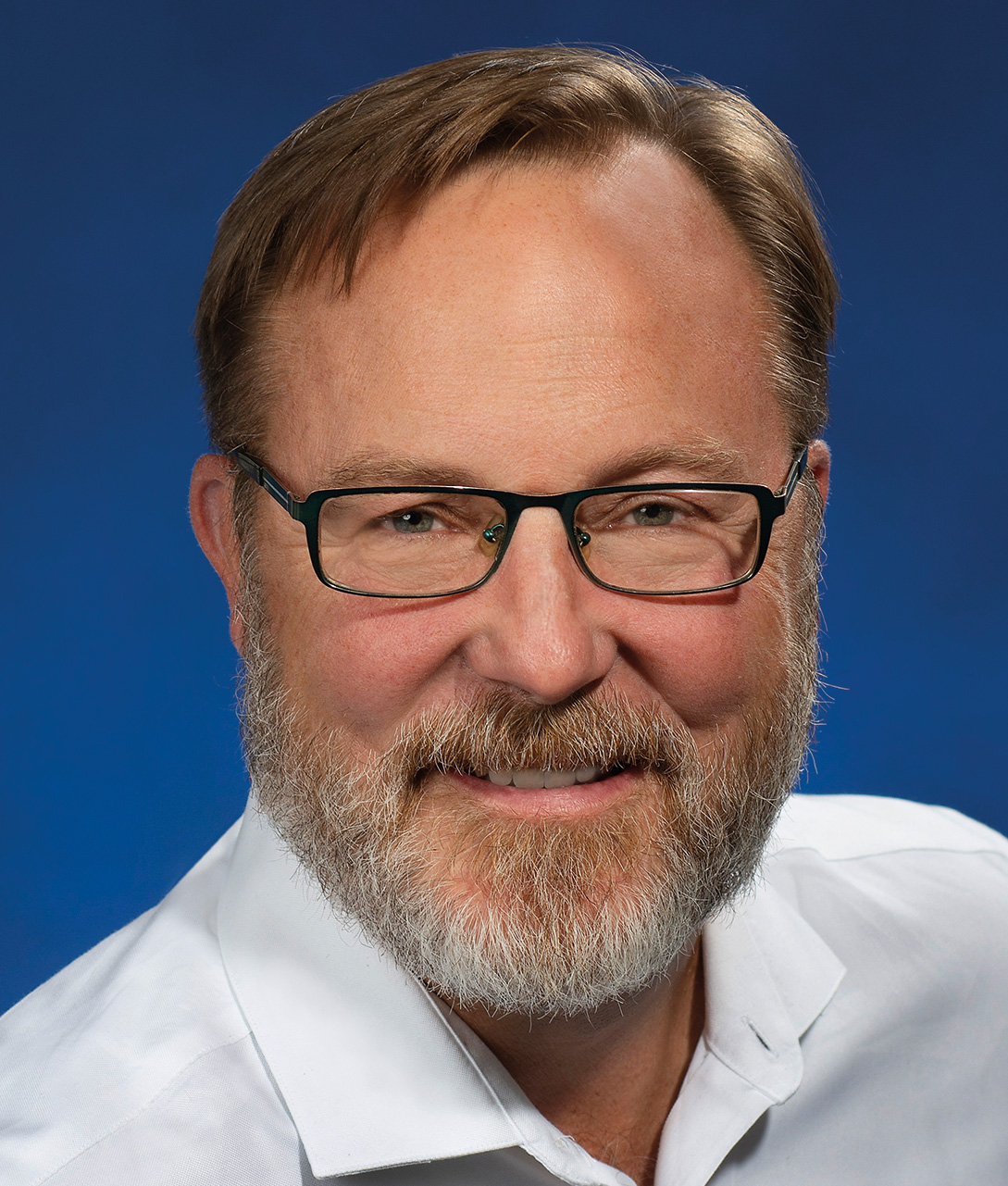
Willem (“Wim”) de Boer passed away on 13 October, aged 72. Wim studied physics at the University of Delft and graduated in 1974 with a thesis on the dynamic orientation of nuclei at low temperatures, which laid the foundation of polarised targets in high-energy physics. Following a CERN fellowship, he joined the University of Michigan, Ann Arbor and worked on polarised proton–proton scattering at the ANL synchrotron, where he found an unexplained difference in the cross sections for parallel and antiparallel spins.
In 1975 Wim took up a position at the Max Planck Institute for Physics in Munich where he stayed, interrupted by a sabbatical at SLAC in 1987, for 14 years. In Munich he joined the team working on the CELLO experiment at DESY, where he took responsibility for the data-acquisition system. The CELLO years were instrumental for precision studies of QCD, out of which the triple-gluon coupling and the running of the strong coupling constant emerged – a subject Wim pursued ever after.
Following his appointment to a professorship at the University of Karlsruhe in 1989, Wim created research groups at LEP’s DELPHI experiment, the AMS-02 experiment on the International Space Station, and he coordinated a group at the LHC’s CMS experiment. Having studied the running of the coupling constants of the weak, electromagnetic and strong interactions, Wim found, together with Ugo Amaldi and Hermann Fürstenau, that these could only meet in a unified way at high energies if phenomena beyond the Standard Model, such as supersymmetry, existed. This was published in their seminal 1991 paper “Comparison of grand unified theories with electroweak and strong coupling constants measured at LEP”, which led to the expectation that a new energy domain would open up at the TeV scale with the lightest supersymmetric particle constituting dark matter. The paper has been cited almost 2000 times.
Wim contributed a multitude of ideas, studies and publications to each of the experiments he worked on, driven by the single question: where is supersymmetry? He looked for dark-matter signals at the lowest energies in our galaxy using earth-bound observatories, balloon experiments and satellites, at signals from direct production at LEP and the LHC, and in anomalous decay modes of bottom mesons using data from the Belle and BaBar experiments, among others.
It is our belief that Wim was most fascinated by AMS-02. Not only did he and his group contribute an electronic readout system to the detector, he also saw it take off from Cape Canaveral with the penultimate Space Shuttle flight in 2011, celebrated by the visit of the whole crew of astronauts to Karlsruhe later that year.
Wim’s career saw him work across detectors using gases, liquids, silicon and diamonds, and study their performance in magnetic fields and high-radiation backgrounds. He also investigated the use of detectors for medical and technical applications. His last R&D effort began only a few weeks before his death: the development of a novel cooling system for high-density batteries.
Our field has lost a great all-round physicist with unparalleled creativity and diligence, a warm collegiality and a very characteristic dry humour. Well aware of his rapid illness, his last words to his family were: “Hij gaat nog niet, want hij heeft nog zoveel ideeën!” (roughly “He’s not going yet, because he still has so many ideas!). He will be missed deeply.
The W K H Panofsky Prize in experimental particle physics has been awarded to Henry Sobel, professor emeritus of the University of California, Irvine and Edward Kearns of Boston University for pioneering and leadership contributions to large underground experiments for the discovery of neutrino oscillations and sensitive searches for baryon-number violation. As the US co-spokesperson, Sobel is heavily involved with Japan’s Super-Kamiokande experiment (Super-K), and is also involved in the next-generation neutrino experiments – DUNE, in the US and Hyper-K in Japan. Kearns is also involved in Super-K and DUNE, along with being a member of the Tokai-To-Kamioka (T2K) experiment and active in the search for dark matter using techniques based on cryogenic noble liquids.
The J J Sakurai Prize for theoretical physics has been given to Vernon Barger of the University of Wisconsin-Madison for pioneering work in collider physics contributing to the discovery and characterisation of the W boson, top quark and Higgs boson, and for the development of incisive strategies to test theoretical ideas with experiments.
In the field of accelerators, Yuri Fyodorovich Orlov, formerly of Cornell University, was awarded the Robert R Wilson Prize for his pioneering innovation in accelerator theory and practice. Orlov received the news shortly before his passing on 27 September.
Phiala E Shanahan of the Massachusetts Institute of Technology has been granted the Mario Goeppert Mayer Award, which recognises an outstanding contribution to physics research by a women, “for key insights into the structure and interactions of hadrons and nuclei using numerical and analytical methods”.
The Edward A Bouchet Award, which promotes the participation of underrepresented minorities in physics, has been awarded to Chanda Prescod-Weinstein of the University of New Hampshire for her contributions to theoretical cosmology and particle physics and for co-creating the Particles for Justice movement.
The Herman Feshbach Prize in theoretical nuclear physics has been awarded to Berndt Mueller of Brookhaven National Laboratory for his contributions to the identification of quark-gluon plasma signatures.
The 2021 Henry Primakoff Award for early-career particle physics has gone to Jaroslav Trnka of the University of California, Davis for seminal work on the computation of particle scattering amplitudes.
The 2020 Dwight Nicholson Medal for Outreach has been given to Michael Barnett of Lawrence Berkeley National Laboratory “for a lifetime of innovations in outreach bringing the discoveries and searches of particle physicists and cosmologist to multitudes of students and lay people around the world.”
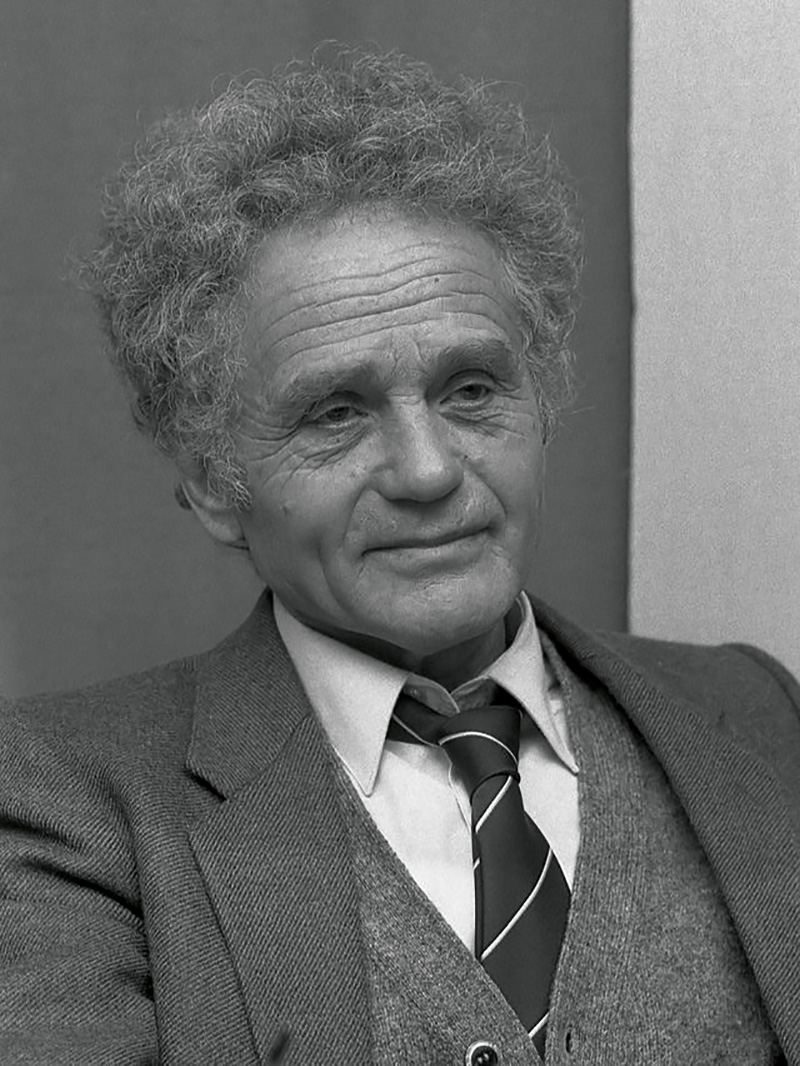
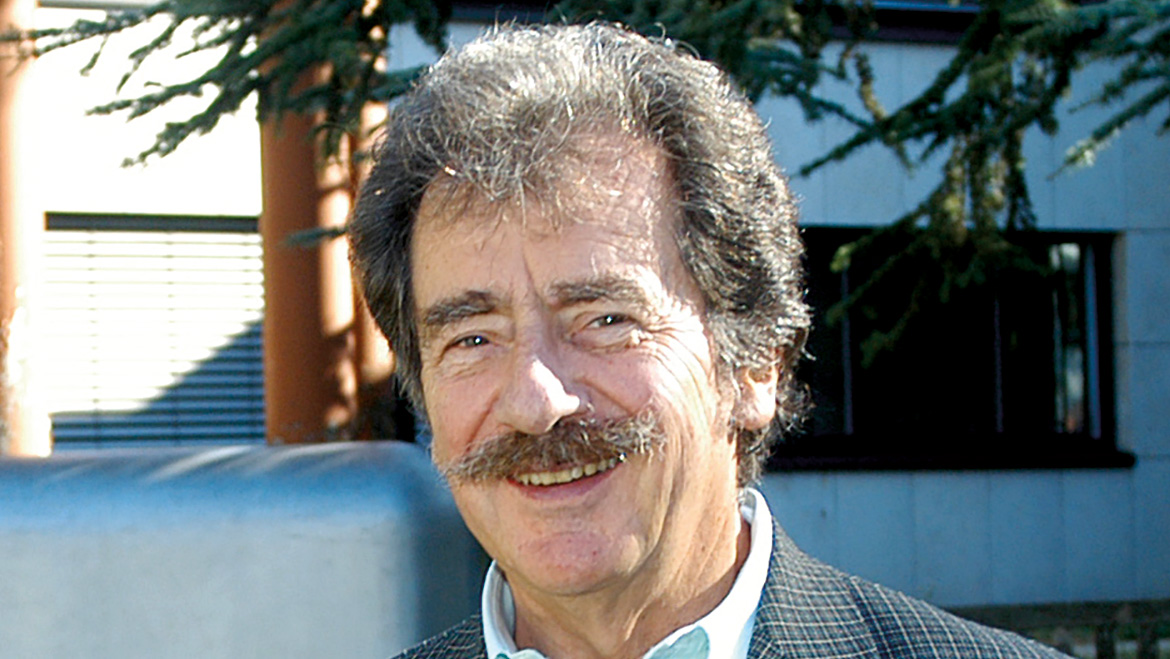
Yuri Orlov, a world-renowned accelerator physicist and a leading figure in the worldwide campaign for human rights in Soviet Russia, passed away at the end of September at the age of 96.
Yuri was born in Moscow in 1924. He studied and worked there until 1956, when a critical pro-democracy speech he gave at the Institute for Theoretical and Experimental Physics resulted in him being fired and banned from scientific work. He then moved to the Yerevan Physics Institute in Armenia where he earned his first doctorate (“Nonlinear theory of betatron oscillations in the strong-focusing synchrotron”) in 1958, followed by the award of a second doctorate in 1963. While in Yerevan, he designed the 6 GeV electron synchrotron, became head of the electromagnetic interaction laboratory, and was elected to the Armenian Academy of Sciences.
In 1972 Yuri returned to Moscow and joined the influential dissident movement that included Andrei Sakharov and Aleksandr Solzhenitsyn. When the final documents of the Helsinki Conference on Security and Co-operation in Europe were signed in 1975, Yuri founded the Moscow Helsinki Group with the aim of having all human rights guaranteed in the Helsinki documents accorded to all citizens of the Soviet Union. As was to be expected, Yuri was arrested in 1977, tried in a political mock trial in 1978 and convicted to seven years in a labour camp in Perm.
As soon as Yuri Orlov’s ordeal became known in Europe and North America, physicists began to protest against the treatment of their colleague. At CERN, where several physicists had had personal contacts with Yuri, the Yuri Orlov Committee was founded with Georges Charpak as one of its founding members. The long-standing fruitful scientific collaboration with the Soviet Union was challenged and the support of eminent political leaders of the CERN member states was solicited.
Surviving a total of seven years of labour camp under extreme conditions, Yuri was deported to Siberia for a period of five years. Because of continuing international pressure, he was then deported to the US in 1986, where he was offered a position at Cornell University. Soon after his forced emigration, Yuri visited CERN and he spent a sabbatical there in 1988/1989 working in the accelerator division to develop the idea of ion “shaking”. He joined the muon g-2 experiment at Brookhaven National Laboratory and worked on Brookhaven proposals to measure the electric dipole moments of protons, electrons and deuterons. At Cornell he pursued this work as well as an alternative design for the proposed B-factory, and wrote on the foundations of quantum mechanics. In 2008 he was named a professor of physics and professor of government, and taught physics and human rights until his retirement in 2015.
Yuri authored or co-authored more than 240 scientific papers and technical reports, and wrote a memoir, Dangerous Thoughts: Memoirs of a Russian Life (William Morrow & Co, 1991). Among the many honours Yuri received are the American Physical Society’s 2006 Sakharov prize “For his distinction as a creative physicist and as a life-long, ardent leader in the defence and development of international human rights, justice and the freedom of expression for scientists”, and the APS 2021 Wilson Prize for outstanding achievements in the physics of particle accelerators, of which he was notified shortly before his death.
Yuri’s example as a scientist committed to the freedom of science, its cultural dimension in world affairs and his defence of the human right of expression of one’s convictions is an example and inspiration to all of us.
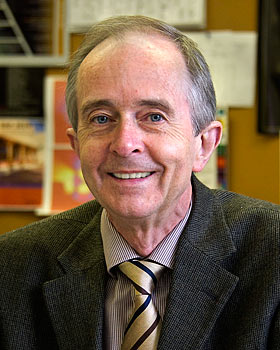
Glen Lambertson, one of the early giants of US accelerator physics, passed away on 30 August aged 94. Glen is best known for the injection/extraction magnet that bears his name. His greatest achievements, however, were, to quote from the American Physical Society (APS) 2006 Wilson Prize citation, “… fundamental contributions … in the area of beam electrodynamics including the development of beam instrumentation for the feedback systems that are essential for the operation of high luminosity electron and hadron colliders”.
Glen’s studies at the University of Colorado were interrupted by World War II, during which he saw action serving in the legendary 10th Mountain Division. Severely wounded in Northern Italy, his life was saved by the newly discovered wonder drug “penicillin”. (Incidentally, he remained an avid skier well into his 80s.) After the war he completed his degree at Colorado in engineering physics and did graduate work at the University of California, quickly becoming involved with accelerators. His first contact was as an operator of the 184-Inch Synchrocyclotron, where he commented that Ernest Lawrence would often reach over his shoulder to “tweak a knob”.
Glen played a large part in the design of the magnet system for the Bevatron at Lawrence Berkeley National Laboratory, and in 1960 was instrumental in the retrofitting of a resonant extraction system for this machine, vastly improving its performance and effectiveness as a discovery tool for the newly established field of particle physics. His patent for the “Lambertson magnet” is dated 1965, and this concept is still widely used for the injection and extraction of beams in synchrotrons and storage rings.
In the mid-1970s Glen was a major contributor to the ESCAR project – a first attempt to build a small (4 GeV) superconducting accelerator to provide data and experience for future large superconducting machines. While funds were not available to complete the project, two quadrants of dipoles were built and successfully tested, along with the necessary cryogenic and control-system infrastructures. Later in the 1970s, following the developments in stochastic cooling by Simon Van der Meer, Glen led the successful experiment to demonstrate stochastic cooling at the Fermilab 200 MeV cooling test ring. His techniques were transferred to rings at Fermilab and Brookhaven.
His most productive studies were in beam instabilities, in particular the instrumentation to detect and control electron-cloud instabilities. He was a key figure in the successful commissioning of both the PEP-II B-factory at SLAC, and the Advanced Light Source at Berkeley. He also had close contacts with CERN, serving as a visiting scientist in 1993 and later playing an important role in calculating the impedance of injection-line components for the LHC.
Glen’s work was widely recognised. In addition to the APS Wilson prize, he was an APS fellow and also won the US Particle Accelerator School Prize for Achievement in Accelerator Science and Technology.
His always relaxed demeanour and sage advice were a constant inspiration to us, and we forgave him his incredibly awful puns. Rest in peace, Glen!
Ever since I was an undergraduate, I wanted to know why there was a lot more matter in the universe than antimatter – an asymmetry that permits us to exist. My thesis was on CP violation in the kaon system as part of the NA31 experiment at CERN. I had the opportunity to help build a muon detector and we found the first evidence that matter and antimatter behave differently as they disintegrate; subsequently established with greater significance by NA48 and by KTeV at Fermilab. NA31 was a wonderfully nurturing environment with many brilliant physicists. Like many European students at that time, I was strongly encouraged to head to the US for post-PhD finishing school and decided to join the CLEO experiment at the Cornell Electron Storage Ring (CESR) – for two reasons: first, CLEO studied beauty quarks, which were expected to have much larger CP violating effects than kaons; and second because I had fallen in love with a student (now my wife, Daniela Bortoletto) working on CLEO whom I had met at CERN. CLEO was another astonishingly nurturing environment. I joined Purdue University as an assistant professor just a couple of years after arriving in the US.
How did you make the transition to the LHC experiments?
While I’d help build the CLEO muon spectrometer and worked on analyses,there was an expectation to work on a far-future project as well. I set up a fledgling research group to develop micro pattern gas detectors (MPGDs) for the SDC collaboration at the Superconducting Super Collider (SSC). Fairly quickly we concluded that silicon microstrip and pixel detectors were a better technology choice for this application, but then, in 1993, the SSC was cancelled and a lot of people went towards the LHC. I was invited to join ATLAS due to my MPGD expertise, but I decided to focus on CLEO and the surety of great physics results, which were needed to win tenure. Shortly afterwards, with CLEO colleagues, I received a large grant to build a silicon vertex detector for CLEO III, which was commissioned successfully in 2000. Almost immediately I and my group were invited to join CMS to help build the forward silicon pixel detector. After the pixel detector was installed I was asked to co-lead the LHC Physics Center (LPC) at Fermilab. Then the LHC began operation and I moved to CERN, serving also as the co-convener of the CMS quarkonia working group. The atmosphere at CERN was electric and analysing those first LHC data was one of the most exciting moments of my career. CMS has been a wonderful, supportive environment in which to learn and grow as a physicist. Then, in 2013, I took up a position at Oxford, which is a founding member of ATLAS. I joined ATLAS in 2016 and brought with me experience with muons, silicon and data analysis. It’s very exciting to be part of ATLAS and the collaboration has been very welcoming.
What attracted you to work on the Vera C Rubin Observatory?
The Rubin Observatory is a ground-based 8.4 m, 10 square-degree field-of-view telescope that will see more of the universe at optical wavelengths in its first month of operation than all previous telescopes combined. Scheduled to start in late 2022, (but delayed by COVID-19 situation), it will revolutionise astronomical observations by conducting the Legacy Survey of Space and Time – an optical survey of faint astronomical objects across the entire sky every three nights, enabling precision dark-energy measurements, studies of dark matter and opening a movie-like window on objects that change or move on rapid timescales. I have been a member since 2007, when I was asked to help out in the pitch to the US Department of Energy (DOE) to participate in the project. The scope of particle physics was broadening and the US national laboratories engaged in particle physics had significant capabilities, for example in silicon detector construction, that were an excellent match to the technical challenges of building the Rubin Observatory’s 3 Gigapixel CCD camera. We met healthy scepticism at DOE, given the completely unknown nature of dark energy. From a science perspective we found two lines of argument were useful. First, the job of particle physicists is to understand the fundamental nature of energy, matter, space and time, and in so doing to understand the origin, evolution and fate of the universe. Second, by analogy to the Higgs field and Higgs boson, the cosmological observations are consistent with dark energy being a scalar field, which if correct implies an associated scalar particle. The pitch was successful and the DOE approved funding for the construction of the CCD camera. Soon after arriving at Oxford I was asked to help make the case for UK participation in the project. Like everyone else in the Rubin Observatory community, I am eagerly anticipating first data.
Did you plan to enter scientific management?
I had no plan to be involved in scientific management of any kind! At around the time I joined CMS a few of us had been developing the idea to transform CLEO and CESR into a machine that would preferentially produce charm quarks rather than beauty quarks to test ultra-precise lattice-QCD predictions used by B-physics experiments to extract CKM matrix elements. When getting the idea funded I became the public face of the experiment, and around that time I was also elected by the collaboration to be co-spokesperson.
As CLEO entered its twilight phase, the success of the LPC led to me being elected chairperson of the CMS collaboration board in 2012. I was also elected chair of the APS division of particles and fields. Moving back to Europe I was elected head of the Oxford particle-physics group in 2014 and I was elected head of the physics department in 2018. Throughout this entire period, leadership roles have occupied about 50% of my working day, which has meant that to get research done I tend to be connected to my laptop until the early hours on most days. Fortunately, five to six hours of sleep each night is sufficient. I have also been blessed with wonderful colleagues, students, postdocs, and administrative support. In my opinion the best leaders are those people who don’t want to be leaders per se, and I think I was selected for this reason. Particle physics is a team effort, quite distinct to the way an army or a corporation is organised. Our leaders are not generals or CEOs, but colleagues called to serve for a time before returning to the rank and file.
How did you wind up leading the quantum-sensor programme for the UK’s Quantum Technologies initiative?
In 2017 the DOE invited me and a colleague to articulate the case for quantum sensing in particle physics. We co-organised a workshop bringing together many disparate communities from which an influential whitepaper (arXiv.org:1803.11306) emerged and contributed to the creation of a new DOE-funded quantum-sensing programme in 2018. I then conducted a similar activity in the UK at the invitation of the Science and Technology Facilities Council (STFC), bringing together the particle-physics and particle-astrophysics community with the atomic, molecular and optical and condensed-matter communities to form a Quantum Sensing for Fundamental Physics (QSFP) consortium, targeting strategic UK government funding to support interdisciplinary research. STFC announced around £40M for the programme in September 2019 and a call for proposals led to the identification of seven projects for funding, for which an official announcement is imminent. I am a member of one of them: AION (the Atom Interferometer Observatory Network).
What is driving current interest in quantum technologies?
The birth of quantum mechanics nearly 100 years ago has led to the information and communication technology that is now central to modern civilisation – sometimes referred to as the first quantum revolution. But none of the existing technologies use any of the iconic characteristics of quantum mechanics such as the uncertainty principle, superposition states, macroscopic quantum interference, or two-particle quantum entanglement. Second-generation quantum technology that exploits these phenomena is just coming online.
NA31 was a wonderfully nurturing environment with many brilliant physicists
Most well-known is quantum computing, which exhibits extraordinary capabilities and is steadily entering the scientific and corporate marketplaces. As humankind harnesses the characteristics of quantum mechanics and gains mastery over them we will witness the second quantum revolution that will transform our society in as profound a way as the first quantum revolution did. It is no different to the transistor in the 1950s: if people told you back then that transistors could change your life, no one would have believed you; now we have a billion of them in a smart phone. So we can start to harness (crudely) phenomena such as entanglement and the promise is that over the next 20–30 years we can put this technology in your phone. We can’t even begin to think what that would enable because it’s beyond our imagination. Think quantum internet, quantum liquid crystals and quantum artificial neural networks.
What do quantum technologies offer high-energy physics?
A revolution in the theory and tools of quantum mechanics has produced new sensitive measurement techniques that allow measurements to be made near the intrinsic noise limits imposed by the uncertainty principle, as well as enabling new capabilities in sensitivity, resolution and robustness. This can now be harnessed to accelerate searches for new physics including, for example, dark matter, hidden dark sectors and electric dipole moments. For decades, one way that we’ve hunted for dark-matter particles is with large detectors via nuclear recoils, but the allowable mass ranges from 10-22 eV to the Planck scale, which demands new detection technologies. Related fields that will also be impacted by quantum sensing are gravitational wave cosmology, astrophysics and fundamental tests of quantum mechanics. Quantum computing, along with traditional high-performance computing and advances in machine learning and artificial intelligence, will be absolutely necessary to analyse HL-LHC data. Quantum communication is also key to this.
What can high-energy physics contribute to quantum technologies?
Bringing the unique resources and expertise of the particle-physics community to bear on the development of quantum sensors will lead to rapid technology advances. For example, Fermilab develop high-Q superconducting RF cavities. Some searches for ultra-light dark matter use these.
Our leaders are not generals or CEOs, but colleagues called to serve for a time before returning to the rank and file
Additionally, they provide a high-coherence environment for qubits used as detectors, isolating them from a noisy environment. CERN, as the premier particle-physics laboratory in the world, will also find ways to contribute. In quantum sensing, CERN can help with its deep shafts potentially suited to atom interferometry. Several fledglingefforts exist, and collaboration can be enhanced by structures and funding and a world lab that brings people together from a wide range of disciplines.
How has becoming profoundly deaf at the age of 29 affected your career?
I was eight-months married and had just been appointed assistant professor when suddenly I fell very ill and was diagnosed with a rare cancer of the blood and bone marrow called acute myeloid leukemia, which few people at that time survived. I underwent intense chemotherapy, which weakened my immune system and caused me to fall into a coma. The hair cells in my cochlea were destroyed as a result of the antibiotics that were medically necessary to keep me safe until my own immune system had returned, rendering me permanently deaf. I was taught to lip read but I didn’t learn to sign because in general physics is not a culture where it is used. I also didn’t develop deaf speak. However, without hearing it was a slow process to communicate. There was immense support from my colleagues at Cornell and Persis Drell, who is now Provost at Stanford, was essential in taking it to the next level because she suggested she write down what people said. Others quickly followed suit, allowing me to communicate instantly for the first time. In 2003 I had a cochlear implant installed. When I couldn’t hear, I was treated completely like everyone else. I didn’t sense any discrimination. It taught me to be positive and to believe in myself and in life. Belief is important in everything we do both as individuals and as scientific institutions. Believing a 100 km circumference future circular collider is possible is a prerequisite for it to happen – and I believe!
CERN’s Oliver Brüning has succeeded Lucio Rossi, who retires this year, as project leader for the High-Luminosity LHC (HL-LHC). Brüning, who completed his PhD on particle dynamics at HERA, joined CERN in 1995 one year after the LHC was approved. He has been at the forefront of accelerator and beam physics ever since, being one of the initial six machine coordinators during the LHC start-up and leading the LHC full-energy exploitation study from 2015–2019. Among the next significant steps for the HL-LHC are the testing of the first triplet quadrupole prototype, and the RF-dipole crab cavities in the SPS.
Brookhaven National Laboratory (BNL) has appointed Jim Yeck as the project director for the Electron–Ion Collider (EIC), which will open new vistas on the properties and dynamics of quarks and gluons. Yeck has held leading roles in BNL’s Relativistic Heavy Ion Collider and National Synchrotron Light Source II, the US hardware contribution to the LHC project, and the IceCube neutrino observatory. He was also former director general of the European Spallation Source. Yeck will head a newly created EIC directorate at BNL, working in partnership with Jefferson Laboratory and others. The EIC is scheduled to begin operations at BNL at the end of the decade.
Henri Laporte, who led the civil-engineering work for the Large Electron Positron collider (LEP) at CERN, passed away on 18 May. Built in the 1980s, LEP was the biggest construction project for fundamental research ever undertaken and included the construction of the 27 km-circumference tunnel that now houses the LHC.
A native of Sète in the south of France, Laporte graduated from the École Polytechnique and École des Ponts et Chaussées, and began his career in marine engineering in the early 1950s. He was appointed as chief engineer, first for the construction of the port of Oran and then the Toulon naval base, before moving to French Polynesia in 1963 to preside over the extension of the Port of Papeete. In 1967 he was recruited by CERN to lead the technical services and buildings division.
Known for his relentless work ethic, expertise and authority, Laporte joined LEP at the start of the 1980s and was given responsibility for the hugely ambitious civil-engineering project by project leader Emilio Picasso. Before excavation could begin, however, CERN had to get the local authorities on board as the tunnel would pass underneath about 10 Swiss and French communes, and nine sites would be built on the surface. Under Robert Lévy-Mandel, who was in charge of the impact study, dozens of consultation meetings were held. Laporte shone on these occasions thanks to his oratory and interpersonal skills.
The flagship construction project began in 1983 with the excavation of 18 shafts, followed by the excavation of the tunnel itself. Three tunnel-boring machines were required to dig out 23 km’s worth of earth under the plain. Explosives were used to excavate the section of the tunnel below the Jura mountains due to fears that a geological incident could halt the progress of the machines. And such an incident did indeed occur in 1986, when high-pressure inflows of water flooded the tunnel, causing delays to the project. Laporte’s expertise and leadership were decisive in the response to this incident and throughout the project as a whole. It was a regular occurrence for him to arrive on site any time of day or night to study damage and take urgent decisions. In 1988 the tunnel was finally completed.
But the main tunnel represented less than half the total excavation work, as the ring is punctuated with access shafts, caverns and service tunnels. In addition, around 80 buildings were built on the surface. Jean-Luc Baldy, who managed the surface work, and Michel Mayoud, who was in charge of the crucial work of the surveyors, remember the trust that Laporte placed in them, giving them considerable room for manoeuvre.
Once the construction work had been completed, CERN became entangled in protracted legal proceedings involving the consortium of companies that had carried out the work. Laporte spent several years working with the CERN legal service, once more demonstrating his trademark persistence. At the arbitration tribunal, Laporte distinguished himself not only for his technical knowledge, but also his talent as an actor and his humour. He retired in 1993 and devoted himself to numerous intellectual and artistic pursuits.
Henri Laporte was a man of great curiosity and was highly knowledgeable in many fields. He will be remembered as a charismatic man, with a firm hand and great tenacity, but also someone who exuded a contagious joviality and always showed compassion towards his colleagues.
Claude Détraz was born on 20 March 1938 in Albi, in the south of France. He graduated from the École Normale Supérieure and began his research career at CNRS in 1962, studying atomic nuclei. Détraz then joined the Institut de Physique Nucléaire d’Orsay, founded by Irène and Frédéric Joliot Curie, which has recently been merged with its neighbouring laboratories in Orsay to form the Laboratoire de Physique des 2 Infinis Irène Joliot-Curie (IJCLab).
At CERN’s Proton Synchrotron (PS), in collaboration with Robert Klapisch’s team, he contributed to the discovery of the first evidence of deformation in exotic nuclei at a shell closure. Drawing on these results, he became convinced that the beams at the Grand Accélérateur National d’Ions Lourds (GANIL) laboratory in Caen could also become a unique tool in this field.
As director of GANIL from 1982 to 1990, he launched several research projects on exotic nuclei. The legacy of these projects is still with us today and will continue into the future. Détraz was one of the main founders of NuPECC (the Nuclear Physics European Collaboration Committee) and was its first chair from 1989 to 1992, cementing its position as the main coordinating committee for nuclear physics in Europe.
In 1991 Détraz became a technical adviser in the office of the French minister for research, Hubert Curien. Through his involvement with decision-making bodies at all levels in France, Détraz made a major contribution to ensuring that the LHC project was approved in 1994. For example, he played a key role in Curien’s appointment as president of the CERN Council, a position from which he was able to exert a major influence in the final phases of the decision. As director of IN2P3 at CNRS from 1992 to 1998, he helped to provide the impetus, first with Robert Aymar and then with Catherine Cesarsky of the CEA, to France’s wholehearted participation in the LHC adventure.
Détraz made a major contribution to ensuring that the LHC project was approved in 1994
In 1999 Luciano Maiani, CERN Director-General at that time, appointed Détraz as director of research, jointly with Roger Cashmore, until 2003. This was a period filled with important events for CERN, including the shutdown of LEP, the excavation of new caverns for the LHC and the start of a project to send neutrinos from CERN to the underground laboratory at Gran Sasso, to which Claude contributed substantially.
Throughout his career Détraz promoted and supported interaction between scientific disciplines. As a nuclear physicist he established strong links with particle physics. He was also one of the architects of the emergence of astroparticle physics, and received multiple honours both in France and abroad.
Détraz was a great scientist and a true visionary, who played a major role in nuclear and particle physics in France and Europe. As well as being a brilliant scientist and occupying several high-level positions, Claude was a true “Enlightenment. man” of great culture and finesse. He was a shining light of our generation.
To provide the best experiences, we use technologies like cookies to store and/or access device information. Consenting to these technologies will allow us to process data such as browsing behavior or unique IDs on this site. Not consenting or withdrawing consent, may adversely affect certain features and functions.
Functional
Always active
The technical storage or access is strictly necessary for the legitimate purpose of enabling the use of a specific service explicitly requested by the subscriber or user, or for the sole purpose of carrying out the transmission of a communication over an electronic communications network.
Preferences
The technical storage or access is necessary for the legitimate purpose of storing preferences that are not requested by the subscriber or user.
Statistics
The technical storage or access that is used exclusively for statistical purposes.The technical storage or access that is used exclusively for anonymous statistical purposes. Without a subpoena, voluntary compliance on the part of your Internet Service Provider, or additional records from a third party, information stored or retrieved for this purpose alone cannot usually be used to identify you.
Marketing
The technical storage or access is required to create user profiles to send advertising, or to track the user on a website or across several websites for similar marketing purposes.