Comsol -leaderboard other pages

Topics

IPPOG celebrates 25 years of engagement

This year, the International Particle Physics Outreach Group (IPPOG) celebrates its 25th anniversary. Our group is an international collaboration of active particle physicists, communication experts and educators dedicated to disseminating the goals and accomplishments of fundamental scientific research to the public. Our audiences range from young schoolchildren to college graduates and teachers, from the visiting public to heads of state, and we engage them in classrooms, laboratories, experimental halls, music festivals, art exhibitions, office buildings and government offices across the planet. The activities we use to reach these diverse audiences include public lectures, visits, games, exhibits, books, online apps, and pretty much anything that can be used to demonstrate scientific methodology and instil appreciation for fundamental research.

What drives us to commit so much effort to outreach and public engagement when we are already deeply invested in a field that is both time and labour intensive? First of all, we love doing it. Particle physics is an active and exciting field that lies at the forefront of human understanding of the universe. The analysis methods and tools we employ are innovative, our machines and detectors are jaw-dropping in their size and complexity, and our international collaborations are the largest, most diverse ever assembled. It is a privilege to be part of this community and we love sharing that with those around us.

Secondly, we’ve learned that public engagement improves us as scientists. Learning how to distil complex scientific concepts into understandable descriptions, captivating stories and relatable analogies helps us to better comprehend the topics ourselves. It gives us a clearer picture in our own minds of where our work fits into the larger frame of society. It also significantly improves our communication skills, yielding capabilities that help us down the road as we apply for grants and propose new projects or analyses.

Thirdly, we also understand our moral obligation to share the results of our research with society. The endeavour to improve our understanding of the world around us is rooted in millennia of human evolution and culture. It is how we not only improve our own lives, but also how we provide the tools future generations need to survive. In more practical terms, we realise the importance of engaging those who support our research. That includes funding bodies, as well as the voters who select those bodies and prioritise the deployment of resources.

Finally, but equally as important, we realise the value to both our own field and society at large of encouraging our youth to pursue careers in science and technology. The next generation of experiments will include machines, detectors and collaborations that are even larger than the ones we have today. Given their projected lifetimes, the grandchildren of today’s students will be among those analysing the data. And we need to train that workforce today.

Birth and evolution

Dedicating time and resources to outreach efforts is not easy. As researchers, our days (and often nights) are taken up by analysis meetings, detector shifts, conference deadlines and institutional obligations. So, when we do make the effort it needs to be done in an effective manner, reaching as large and diverse an audience as possible, with messages that are clear and coherent.

Former CERN Director-General Chris Llewellyn Smith certainly had this in mind when he first proposed the establishment of the European particle physics outreach group (EPOG) in 1997. The group held its first meeting on 19 September that year, under the chairmanship of Frank Close. Its primary objectives were to exchange ideas and best practices in particle-physics education and outreach, to define common goals and activities, and to develop and share materials supporting the efforts.
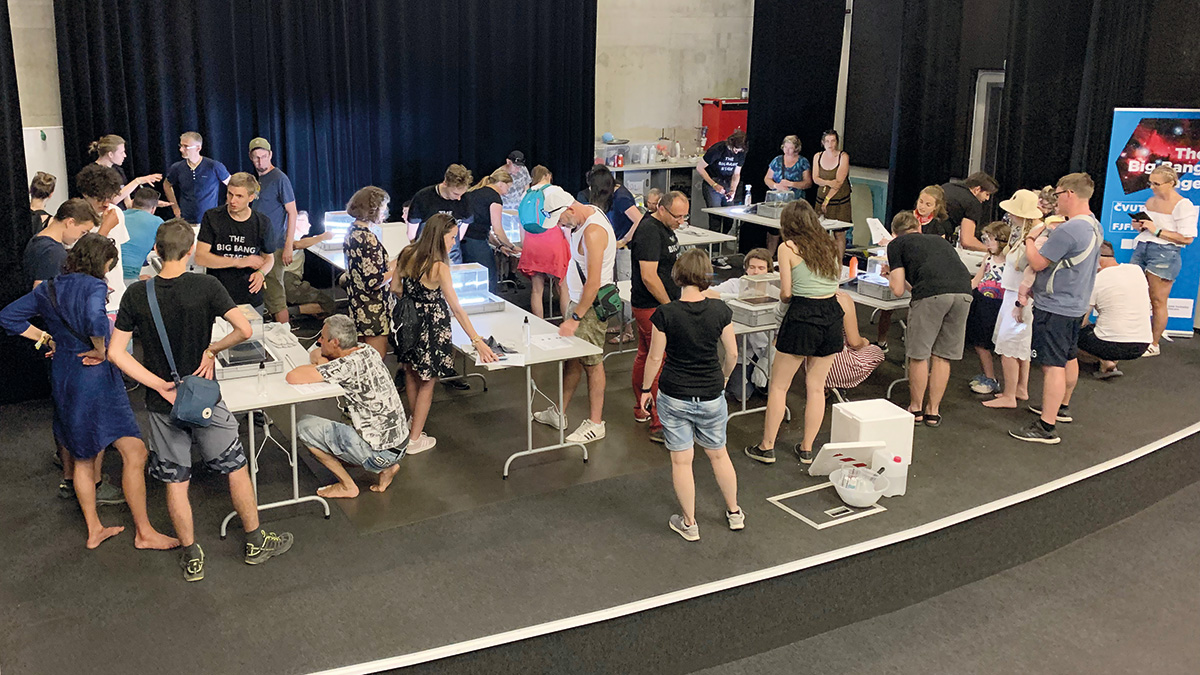
Music festival participants learn to build cloud chambers

The original members of EPOG were delegates from the CERN Member States, one each from the four major LHC experiments, one each from the CERN and DESY laboratories, and a chair and deputy chair assigned by the European Committee for Future Accelerators (ECFA) and the high-energy physics branch of the European Physical Society. Over the course of the following 25 years, EPOG has expanded beyond Europe (becoming IPPOG), developed major worldwide programmes, including International Masterclasses in Particle Physics and Global Cosmics, and established itself as an international collaboration, defined and supported by a memorandum of understanding (MoU).

Today, the IPPOG collaboration comprises 39 members (32 countries, six experiments and one international lab) and two associate members (national labs). Each member, by signing the MoU, commits to supporting particle-physics outreach worldwide. Members also provide modest funding, which is used to support IPPOG’s core team, its administration and communication platforms, thus facilitating the development and expansion of its global programmes and activities.

The Masterclasses programme now reaches tens of thousands of students in countries spread around the globe, and is engaging new students and training new physics mentors every year. The Global Cosmics portal, hosted on the IPPOG website, provides access to a wide variety of projects distributing cosmic-ray detectors and/or data into remote classrooms that would not normally have access to particle-physics research. And a modest project budget has helped the IPPOG collaboration to establish a presence at science, music and art festivals around the globe by supporting the efforts of local researchers.

Most recently, IPPOG launched a new website, featuring information about the collaboration, its programmes and activities, and giving access to a growing database of educational resources. The resource database serves teachers and students, as well as our own community, and includes searchable, high-quality materials, project descriptions and references to related resources procured and contributed by our colleagues.

Our projects and activities are reviewed and refined periodically during twice-annual collaboration meetings hosted by member countries and laboratories. They feature hands-on activities and presentations by working groups, members, partners and panels of world-renowned topical experts. We present and publish the progress of our activities each year during major physics and science-education conferences. Presentations are made in parallel and poster sessions, and plenary talks, to share developments with the greater community and offer opportunities for their own contributions.

The challenging road ahead

While these accomplishments are noteworthy and lay a strong basis for the development of particle-physics outreach, they are not enough to face the challenges of tomorrow. Or even today. The world has changed dramatically since the days we first advocated for the construction of our current accelerators and detectors. And we are partly to blame. The invention of the web at CERN more than 30 years ago greatly facilitated access to and propagation of scientific facts and publications. Unfortunately, it also became a tool for the development and even faster dissemination of lies and conspiracy theories.

Effective science education is crucial to stem the tide of disinformation. A student in a Masterclass, for example, learns quickly that truth is found in data: only by selecting events and plotting measurements is she/he able to discover what nature has in store. And it might not agree with her/his original hypothesis. It is what it is. This simple lesson teaches students how to extract signal from background, truth from fiction. Other important lessons include the value of international collaboration, the symmetries and beauty of nature and the applications of our technology to society. 

25 years of IPPOG logo

How do we, as scientists, make such opportunities available to a broader audience? First and foremost, we need more of us doing outreach. Many physicists do not make the effort because they perceive it as costly to their career. Taking time away from analysis and publication can be detrimental to our advancement, especially for students and junior faculty, unless there is sufficient support and recognition. Our community needs to recognise that outreach has become a key component of scientific research. It is as essential as hardware, computing and analysis. Without it, we won’t have the support we need to build future facilities. That means senior faculty must value experience in outreach on a par with other qualities when selecting new hires, and their institutions need to support outreach activities.

We also need to increase the diversity of our audience. While particle physics can boast of its international reach, our membership is still quite limited in social, economic and cultural scope. We are sorely missing women, people of diverse ethnicities and minorities. Communication strategies and educational methods can be adopted to address this, but they require resources and dedicated personnel.

That’s what IPPOG is striving for. Our expertise and capabilities increase with membership, which is continually on the rise. This past year we have been in discussion with Mexico, Nepal, Canada and the Baltic States, and more are planned for the near future. Some will sign up, others may need more time, but all are committed to maintaining and improving their investment in science education and public engagement. We invite Courier readers to join us in committing to build a brighter future for our field and our world. 
Joining forces for quantum gravity

The challenge of casting space–time and gravity in the language of quantum mechanics and unravelling their fundamental structure has occupied some of the best minds in physics for almost a century. Not only is it one of the hardest problems out there – requiring mastery of general relativity, quantum field theory, high-level mathematics and deep conceptual issues – but distinct sub-communities of researchers have developed around different and apparently mutually exclusive approaches. 

Historically, this reflected to a large extent the existing subdivision of theo­retical physics between the particle-physics community and the much smaller gravitational physics one, with condensed-matter theorists entirely alien, at the time, to the quantum gravity (QG) problem. Until 30 years ago, the QG landscape roughly featured two main camps, often identified simply with string theory and canonical loop quantum gravity, even if a few more hybrid formalisms already existed. Much progress has been achieved in this divided landscape, somehow maintaining each camp in the belief that one only had to push forward its own strategies to succeed. At a more sociological level, intertwined with serious scientific disagreements, this even led, in the early 2000s, to what the popular press dubbed the “String Wars”.

A new generation has grown up in a diverse, if conflicting, scientific landscape

Today there is a growing conviction that if we are going to make progress towards this “holy grail” of physics, we need to adopt a more open attitude. We need to pay serious attention to available tools, results and ideas wherever they originated, pursuing unified perspectives when suitable and contrasting them in a constructive manner otherwise. In fact, the past 30 years has seen the development of several QG approaches, the birth of new (hybrid) ones, fresh directions and many results. A new generation has grown up in a diverse, if conflicting, scientific landscape. Today there is much more emphasis on QG phenomenology and physical aspects, thanks to parallel advances in observational cosmology and astrophysics, alongside the recognition that some mathematical developments naturally cut across specific QG formalisms. There is also much more contact with “outside” communities such as particle physics, cosmology, condensed matter and quantum information, which are not interested in internal QG divisions but only in QG deliverables. Furthermore, several scientific overlaps between QG formalisms exist and are often so strong that they make the definition of sharp boundaries between them look artificial. 

Introducing the ISQG 

The time is ripe to move away from the String Wars towards a “multipolar QG pax”, in which diversity does not mean irreducible conflict and disagreement is turned into a call for better understanding. To this end, last year we created the International Society for Quantum Gravity (ISQG) with a founding committee representing different QG approaches and more than 400 members who do not necessarily agree scientifically, but value intelligent disagreement. 

ISQG’s scientific goals are to: promote top-quality research on each QG formalism and each open issue (mathematical, physical and in particular conceptual); stimulate cross-fertilisation across formalisms (e.g. by focusing on shared mathematical ingredients/ideas or on shared physical issues); be prepared for QG observations and tests (develop a common language to interpret experiments with QG implications, and a better understanding of how different approaches would differ in predictions); and push for new ideas and directions. Its sociological goals are equally important. It aims to help recognise that we are a single community with shared interests and goals, overcome barriers and diffidence among sub-communities, support young researchers and promote QG outside the community. A number of initiatives, as well as new funding schemes, are being planned to help achieve these goals.

We envision the main role of the ISQG as sponsoring and supporting the initiatives proposed by its members, in addition to organising its own. This includes a bi-annual conference series to be announced soon, focused workshops and schools, seminar series, career support for young researchers and the preparation of outreach and educational material on quantum gravity.

So far, the ISQG has been well received, with more than 100 participants attending its inaugural workshop in October 2021. Researchers in quantum gravity and related fields are welcome to join the society, contribute to its initiatives and help to create a community that transcends outdated boundaries between different approaches, which only hinder scientific progress. We need all of you!

A view from Fermilab

What first drew you to physics, and to accelerators in particular? 

In school I liked and did well in science and math. I liked the feeling of certainty of math. There is an objective truth in math. And I was fascinated by the fact that I could use math to describe physical phenomena, to capture the complexity of the world in elegant mathematical equations. I also had an excellent, rigorous high-school physics teacher, whom I admired. 

Accelerators offered the possibility of addressing fundamental challenges in (accelerator) physics and technology, and getting verifiable results in a reasonable amount of time to have a material impact. In addition, particle accelerators enable research and discovery in a vast range of scientific fields (such as particle and nuclear physics, X-ray and neutron science) and societal applications such as cancer treatment and radioisotope production.

What was your thesis topic? 

My PhD thesis tackled experimentally, theoretically and via computer simulations the nonlinear dynamics of transverse particle oscillations in the former Tevatron collider at Fermilab, motivated by planning for the Superconducting Super Collider. Nonlinearities were introduced in the Tevatron by special sextupole magnets. In a series of experiments, we obtained accurate measurements of various phase–space features with sextupoles switched on. One of the features was the experimental demonstration of “nonlinear resonance islands” – protons captured on fixed points in phase space.

What have been the most rewarding and challenging aspects of your career so far?

There are many rewarding aspects of what I do. Seeing an audience, especially young people, who light up when I explain a fascinating concept. Pointing to something tangible that I contributed towards that will enable scientists to make discoveries in accelerator, particle or nuclear physics. Having conceived, worked on and advocated certain types of accelerators and seeing them realised. Predicting a behaviour of the particle beam, and verifying it in experiments. Also, troubleshooting a serious problem, and after days and nights of toil, finding the origin of or solution to the problem. 

In terms of challenges, at Fermilab right now we are working on very complex and challenging projects like LBNF/DUNE. It involves more than 1400 international collaborators preparing and building a technically complex endeavour almost one mile underground. The mere scale of the operation is enormous but the pay-off is completing something unprecedented and enabling groundbreaking discoveries.

What are your goals as Fermilab director?

First and foremost, the completion of LBNF/DUNE to advance neutrino physics. Also, the completion of the remainder of the 2014 “P5” programmes, including the HL-LHC upgrades of the accelerator and CMS detector, and a new experiment at Fermilab called Mu2e. Looking to the future, when the next P5 report is completed, we will launch the next series of projects. Quantum technology is also a growing focus. Fermilab hosts one of five national quantum centres in addition to being a partner in a second one. We utilise our world-leading expertise in superconducting radiofrequency technology and instrumentation/control to advance quantum information technologies, as well as conducting unique dark-matter searches using this expertise. 

Is being director different to what you imaged?

It takes a lot of hard work to build an excellent team, exceeding my initial projection. But equally our staff’s commitment, good will and dedication have also exceeded my expectations.

Which collider should follow the LHC, and what is the role of the US/Fermilab in realising such a project? 

No matter which collider is chosen, there is still a lot of R&D required for any path concerning magnets, radiofrequency cavities and detectors. This R&D is crucial to multiple applications. I would advocate the development of these capabilities to push the state of the art for accelerators and detectors in the near future. Future colliders are an important component of the current Snowmass/P5 community planning exercise. Here, Fermilab is aligned with the previous P5 and is committed to following the next P5 recommendations.

How would you describe high-energy physics today compared to when you entered the field?

In the 1980s, the major building blocks of the Standard Model were largely in place, and the focus of the field was to experimentally verify many of its predictions. Today, the Standard Model is much more thoroughly tested, but there is evidence that it does not completely describe the whole picture. 

The upcoming century promises a fascinating array of ground-breaking discoveries

A lot of present-day research is about physics beyond the Standard Model, including dark matter, dark energy and the question of matter–antimatter asymmetry in the universe. In parallel, technologies have advanced tremendously since the 1980s, enabling unprecedented precision, parameter reach and new discoveries. This applies to accelerators, telescopes, detectors and computing. The upcoming century promises a fascinating array of groundbreaking discoveries, all of which will fundamentally further our understanding of the universe. 

What can be done to ensure that there are more female laboratory directors worldwide?

I think it is important to increase the pipeline, starting with efforts to attract young people in elementary and high school. We need to look at changing the cultural perspective that women can’t do STEM and get to the point where the entire culture is open-minded. We also need to change the make-up of the committees. 

It is important to encourage females to take on leadership positions and then support and empower them with enlightened mentors. Once they develop their careers, we will have a much bigger pool for future lab directors. We must inspire and empower young girls and women to follow their dreams, and help them stay focused to succeed. 

Sustainable mining wins awards

At a ceremony in the CERN Globe on 27 September, the winners of “Mining the Future” – a competition co-organised by CERN and the University of Leoben to identify the best way to handle excavated materials from the proposed Future Circular Collider (FCC) project – were announced. Launched in June 2021 in the frame of the European Union co-funded FCC Innovation Study, Mining the Future invited experts beyond the physics community to seek sustainable ways of reusing the heterogeneous sedimentary rock that would need to be excavated for the FCC infrastructure, which is centered on a 91 km-circumference tunnel in the Geneva basin. Twelve proposals, submitted by consortia of universities, major companies and start-ups, were reviewed based on their technological readiness, innovative potential and socioeconomic impact. 

Following final pitches in the Globe by the four shortlisted entrants, a consortium led by Swiss firm BG Ingenieurs Conseils was awarded first prize – including support to the value of €40,000 to bring the technology to maturity – for their proposal “Molasse is the New Ore”. Using a near real-time flow analysis that has been demonstrated in cement plants, the proposal would see excavated materials immediately identified and separated for further processing on-site, treating them not as waste that needs to be managed and thereby serving environmental objectives and efficiency targets. 

The runners-up were proposals led by: Amberg (to sort, characterise and redistribute the molasse into fractions of known compositions and recycle each material on a large scale locally); Briques Technique Concept (to produce bricks from the excavated material for the construction of nearby buildings); and Edaphos (to process the molasses into topsoil-like material in a process known as soil conditioning). Although only one winner was chosen, it emerged during the ceremony that an integrated approach of all four shortlisted scenarios would be a valid scenario for managing the estimated 7–8 million m3 of molasse materials required for the FCC construction project. 

“This is a key ingredient for the FCC feasibility study while also creating business opportunities for applying these technologies in different markets,” said competition creator Johannes Gutleber of CERN. “The proposals submitted in the course of the contest show that designing a new research infrastructure acts as an amplifier of ideas for society at large.”

Swiss study demonstrates physics impact

Return on investment

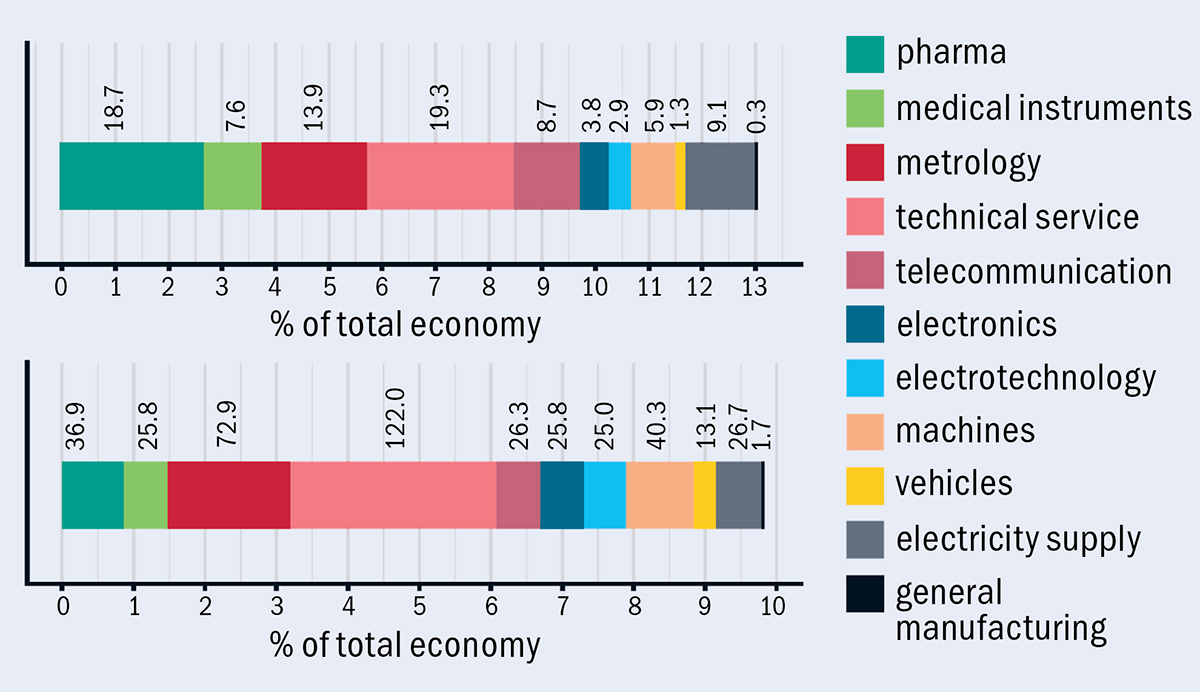
Physics-based industries are as important to the Swiss economy as production or trade, concludes a new report by the Swiss Physical Society (SPS). Seeking to determine the impact of physics on Swiss society, and motivated by a similar Europe-wide study completed in 2019 by the European Physical Society, the SPS team, with support from the Swiss Academy of Natural Sciences and Swiss service-provider IMSD, carried out a statistical analysis revealing key indicators of the national value of physics.

Currently, states the report, the turnover of physics-based industries (PBI) in Switzerland is estimated to exceed CHF 274 billion in revenue, and is expected to grow further. PBI, defined as those industries that are strongly reliant on modern technologies developed by physicists, were divided into 11 categories ranging from pharmaceuticals and medical instruments to electricity supply and general manufacturing. The share of PBI in Switzerland’s gross value added (GVA) was found to be CHF 91.5 billion, or 13% of the total for 2019, while the number of full-time equivalent jobs was 417,000 (9.8%). Furthermore, the specific GVA for PBI increased by 6.3% from 2015 to 2019 – almost three times higher than the average increase among all economic-activity sectors during the same period.

Innovative ideas that come out of fundamental, curiosity-driven research are at the source of what leads to success in society

Hans Peter Beck

Not included in these figures are the contributions of physicists who are employed in other industries, nor additional economic impact due to downstream effects such as household spending associated with economic activity in PBI. Estimating the GVA multiplier associated with the impact of PBI to be between 2.31 and 2.49, the report concludes that every CHF 1.00 of direct physics-related output contributes CHF 2.31 to 2.49 to the economy-wide output. Beyond economic impact, the report also evaluated the contribution of education and innovation to Swiss society, and highlighted ways in which to address the shortage of skilled workers and the gender gap.

“The impact physics has on society has been studied multiple times in a variety of countries and all arrive at the same conclusion: economic success in a modern, technology-driven society is the fruit of long-term support for physics in education and research,” says former SPS president Hans Peter Beck. “Innovative ideas that come out of fundamental, curiosity-driven research are at the source of what leads to success in society.”

CERN opens new era in knowledge sharing

In September, CERN approved a new policy for open science, with immediate effect. Developed by the Open Science Strategy Working Group (OSWG), which includes members from CERN departments and experiments, the policy aims to make all CERN research fully accessible, reproducible, inclusive, democratic and transparent for both researchers and wider society. 

Open science has always been one of CERN’s key values, dating back to the signing of the CERN Convention at UNESCO in 1952. The new policy follows the 2020 update of the European Strategy for Particle Physics, which highlighted the importance of open science, and UNESCO’s Recommendation on Open Science, published in 2021. It encompasses the existing policies for open access and open data, which make all research papers and experimental data publicly available. It also brings together other existing elements of open science – open-source software and hardware, research integrity, open infrastructure and research assessment (which make research reliable and reproducible) and training, outreach and citizen science, which aim to educate and create dialogue with the next generation of researchers and the public.

“The publication of the Open Science Policy gives a solid framework in which the popular suite of open-source tools and services provided by CERN, including Zenodo, Invenio and REANA, can continue to grow and support the adoption of open-science practices, not only within physics but also across the globe’s research communities,” said Enrica Porcari, head of CERN’s IT department.

The OSWG will continue to assess how open science evolves at CERN, developing the policy in accordance with new best practices. Alongside this, a new open-science report will be published each year, showing CERN’s continued commitment to the initiative.

https://openscience.cern.

Alain Magnon 1944–2022

Alain Magnon

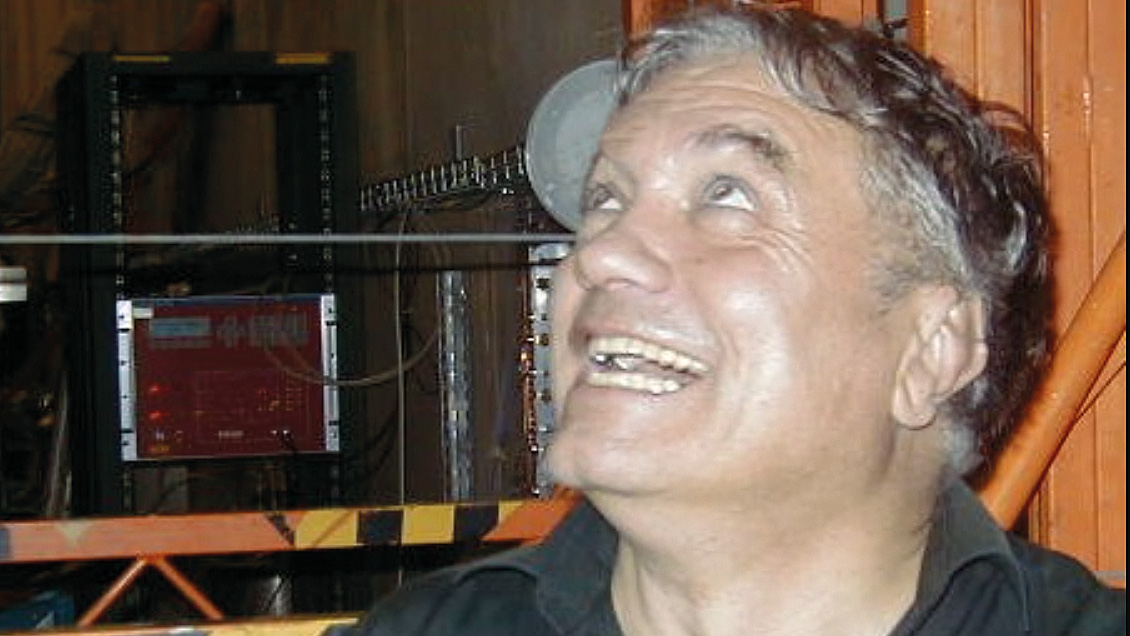
Alain Magnon, a well-known French nuclear physicist and long-serving spokesperson of the COMPASS collaboration at CERN (2003–2010), passed away on 18 March 2022. Retired from IRFU CEA Saclay for more than 10 years, he remained an enthusiastic COMPASS member, valuably participating in the activities of the Illinois and Matrivani groups. In recent years he was an active contributor to the Physics Beyond Colliders working group and to the MUonE project at CERN. 

After graduating as an engineer from the École centrale des arts et manufactures in Paris in the late 1960s, Alain joined the nuclear physics division at Saclay where he worked on the first prototypes of multi-wire proportional chambers. Interested in continuing his career as a nuclear physicist, he later moved to the University of Chicago to carry out his PhD thesis work on the hyperfine structure of muonium, under the supervision of Val Telegdi. 

Returning to Saclay, Alain played a leading role in measurements of the muon lifetime and capture rates, resulting in one of the most precise determinations of the Fermi weak-coupling constant. These measurements were later extended to both positive and negatively charged muons using an ultra-pure liquid hydrogen target. Mastering advanced cryogenic and vacuum technologies, Alain worked hard to reduce the impurity level of the target to negligible values. He also participated in one of the earliest measurements of the pion electromagnetic radius in coincidence (e, e′π) experiments. Later, Alain contributed to one of the first experiments on parity-violation at the MIT–Bates accelerator under the direction of Vernon Hughes. As a member of the (e, e′p) group at Saclay, he devoted great efforts to measuring the proton form factor within the 40Ca nucleus, providing evidence that the bound nucleon form factor has the same Q2 dependence as that of the free nucleon. 

At the beginning of the 1990s, Alain switched to high-energy muon scattering. He made important contributions to the SMC polarised target and served as the contact for the collaboration. Later, he became one of the founding members of the COMPASS experiment. As head of the Saclay group, he proposed and led the project for the construction of large-sized drift chambers. He also coordinated the crucial Saclay–CERN work to repair and test the COMPASS large-acceptance superconducting magnet. Project and group leader, accomplished detector expert and tenacious spokesperson, Alain Magnon played an essential role in the success of COMPASS as a unique experiment and as a renowned international collaboration.

All of his colleagues and friends will miss Alain and his rigorous and resolute approach to instrumentation and scientific research.

Research across borders

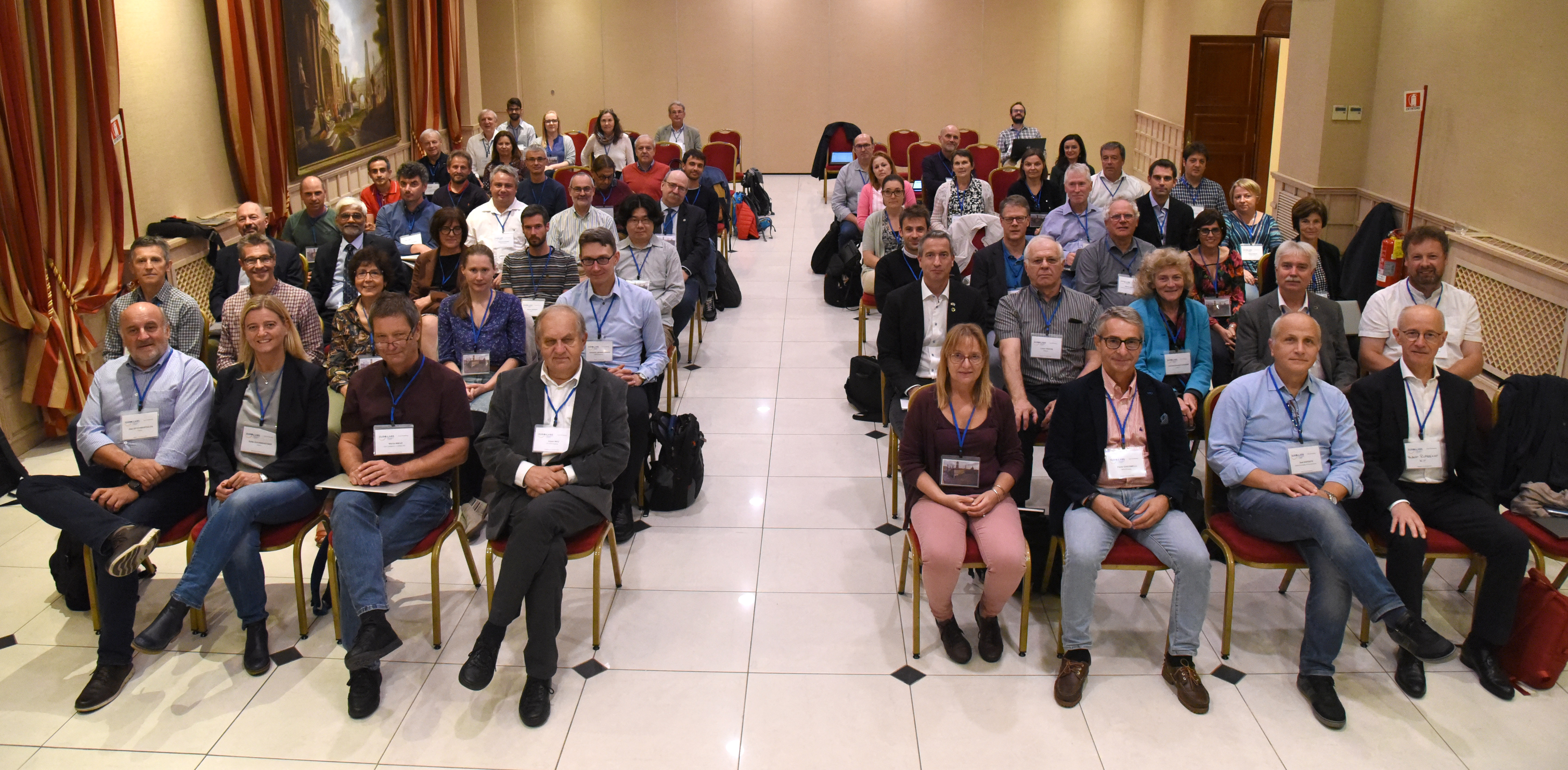
kick off meeting euro lab 2

European Laboratories for Accelerator Based Sciences (EURO-LABS) aims to provide unified transnational access to leading research infrastructures across Europe. Taking over from previously running independent programmes, it brings together the nuclear physics, the high-energy accelerator, and the high-energy detector R&D communities. With 33 partners from European countries, EURO-LABS forms a large network of laboratories and institutes ranging from modest sized test infrastructures to large-scale ESFRI facilities such as SPIRAL2.  Its goal is to enable research at the technological frontiers in accelerator and detector development and to open wider avenues in both basic and applied research in diverse topics, from optimal running of reactors to mimicking reactions in the stars. Within this large network, EURO-LABS will ensure diversity and actively support researchers from different nationalities, gender, age, grade, and variety of professional expertise.

Sharing information to support users at test facilities is pivotal. Targeted improvements such as new isotope-enriched targets for high-quality standard medical radioisotope production, improved beam- profile monitors, or magnetic-field measurement instruments in cryogenic conditions will further enhance the capabilities of  facilities to address the challenges of the coming decades. Through an active and open data management plan following the FAIR principle, EURO-LABS will act as a gateway for information to facilitate research across disciplines and provide training for young researchers.

Funded by the European Commission, EURO-LABS started on 1 September and will run until August 2026. At the kick off meeting, held in Bologna from 3 to 5 October, presentations offered a detailed overview of the research infrastructures and facilities providing particle and ion beams at energies from meV to GeV. Exchanges during the meeting gave participants a view of the strengths and synergies on offer, planting the seeds for fruitful collaborations.

Prospects for testing and developing techniques for present and future accelerators were among the highlights of the meeting. In the high-energy accelerator sector, this requires state of the art test benches for cryogenic equipment such as magnets, superconducting cavities and associated novel materials, electron and plasma beams, as well as specialised test-beam facilities. Facilities at CERN, DESY and PSI, for example, allow the study of performances and radiation effects on detectors for the HL-LHC and beyond while also enabling nuclei to be explored under extreme conditions. Benefiting from past experiences, a streamlined procedure for handling transnational-access applications to all research infrastructures across the different fields of EURO-LABS was defined.

On the last day of the meeting, the consortium’s governing board, chaired by Edda Gschwendtner (CERN), met for the first time. The governing board further appointed Navin Alahari (GANIL, France) as EURO-LABS scienfitic coordinator, Paolo Giacomelli (INFN-BO, Italy) as project corodinator, Maria Colonna (INFN-LNS, Italy), Ilias Efhymiopoulos (CERN) and Marko Mikuz (Univ.Lubljana, Slovenia) as deputy scientific coordinator and work-package and Maria J G Borge (CSIC, Spain) and Adam Maj (IFJ, Poland) as work-package leaders.

With all facilities declaring their readiness to receive the first transnational users, the next annual meeting will be hosted by IFJ-PAN in Krakow, Poland.


Nobel recognition for quantum pioneers

Nobel winners 2022

Announced on 4 October, the 2022 Nobel Prize in Physics has been awarded to Alain Aspect, John Clauser and Anton Zeilinger for groundbreaking experiments with entangled photons that open a path to advanced quantum technologies. Working independently in the 1970s and 1980s, their work established the violation of Bell inequalities – as formulated by the late CERN theorist John Bell – and pioneered the field of quantum information science.

First elucidated by Schrödinger in 1935, entanglement sparked a long debate about the physical interpretation of quantum mechanics. Was it a complete theory, or was the paradoxical correlation between entangled particles due to hidden variables that dictate in which state an experiment will find them? In 1964 John Bell proposed a theorem, known as Bell’s inequalities, that allowed this question to be put to the test. It states that if hidden variables are in play, the correlation between the results of a large number of measurements will never exceed a certain value; conversely, if quantum mechanics is complete, this value can be exceeded, as measured experimentally.

John Clauser (J F Clauser & Associates, US) was the first to investigate Bell’s theorem experimentally, obtaining measurements that clearly violated a Bell inequality and thus supported quantum mechanics. Alain Aspect (Université Paris-Saclay and École Polytechnique, France) put the findings on even more solid ground by devising ways to perform measurements of entangled pairs of photons after they had left their source, thus ruling out the effects of the setting in which they were emitted. Using refined tools and a long series of experiments, Anton Zeilinger (University of Vienna, Austria) used entangled states to demonstrate, among other things, quantum teleportation. 

These delicate, pioneering experiments not only confirmed quantum theory, but established the basis for a new field of science and technology that has applications in computing, communication, sensing and simulation. In 2020 CERN joined this rapidly growing global endeavour with the launch of the CERN Quantum Technology Initiative. 

Foundational work in quantum-information science was also the subject of the 2023 Breakthrough Prize in Fundamental Physics, announced in September, for which Charles H Bennett (IBM), Gilles Brassard (Montréal), David Deutsch (Oxford) and Peter Shor (MIT) will receive $3 million each.

DESY’s innovation ecosystem delivers impact for industry

Collaboration, applied research services and innovation networks: these are the reference points of an evolving business development strategy that’s building bridges between DESY’s large-scale research infrastructure and end-users across European industry. The goal: to open up the laboratory’s mission in basic science to support technology innovation and, by extension, deliver at-scale economic and societal impact. 

As a German national laboratory rooted in physics, and one of the world’s leading accelerator research centres, DESY’s scientific endeavours are organised along four main coordinates: particle physics, photon science, astroparticle physics and the accelerator physics division. Those parallel lines of enquiry, pursued jointly with an established network of regional and international partners, make DESY a magnet for more than 3000 guest scientists from over 40 countries every year. 

In the same way, the laboratory is a coveted research partner for industry and business, its leading-edge experimental facilities offering a unique addition to the R&D pipeline of Europe’s small and medium-sized enterprises as well as established technology companies. 

Technology transfer pathways

Industry collaboration with DESY is nothing if not diverse, spanning applied R&D and innovation initiatives across topics such as compact next-generation accelerator technologies, advanced laser systems for quality control in semiconductor-chip production, and the 3D printing of custom resins to create parts for use in ultrahigh-vacuum environments. While such cooperative efforts often involve established companies from many different industries, partners from academic science play an equally significant role – and typically with start-up or technology transfer ambitions as part of the mix. 

This is the case for an envisaged spin-off project in which scientists from the University of Hamburg and DESY are working together on a portable liquid biopsy device for medical diagnostics applications (for example, in cancer screening and treatment evaluation). Reciprocity is the key to success here: the university researchers bring their background in nanoanalytics to the project, while DESY physicists contribute deep domain knowledge and expertise on the development of advanced detector technologies for particle physics experiments. As a result, a prototype test station for high-sensitivity in-situ analysis is now in the works, with the interaction of the nanochannels and the detector in the test device representing a significant R&D challenge in terms of precision mechanics (while the DESY team also provides expertise in pattern recognition to accelerate the readout of test results).

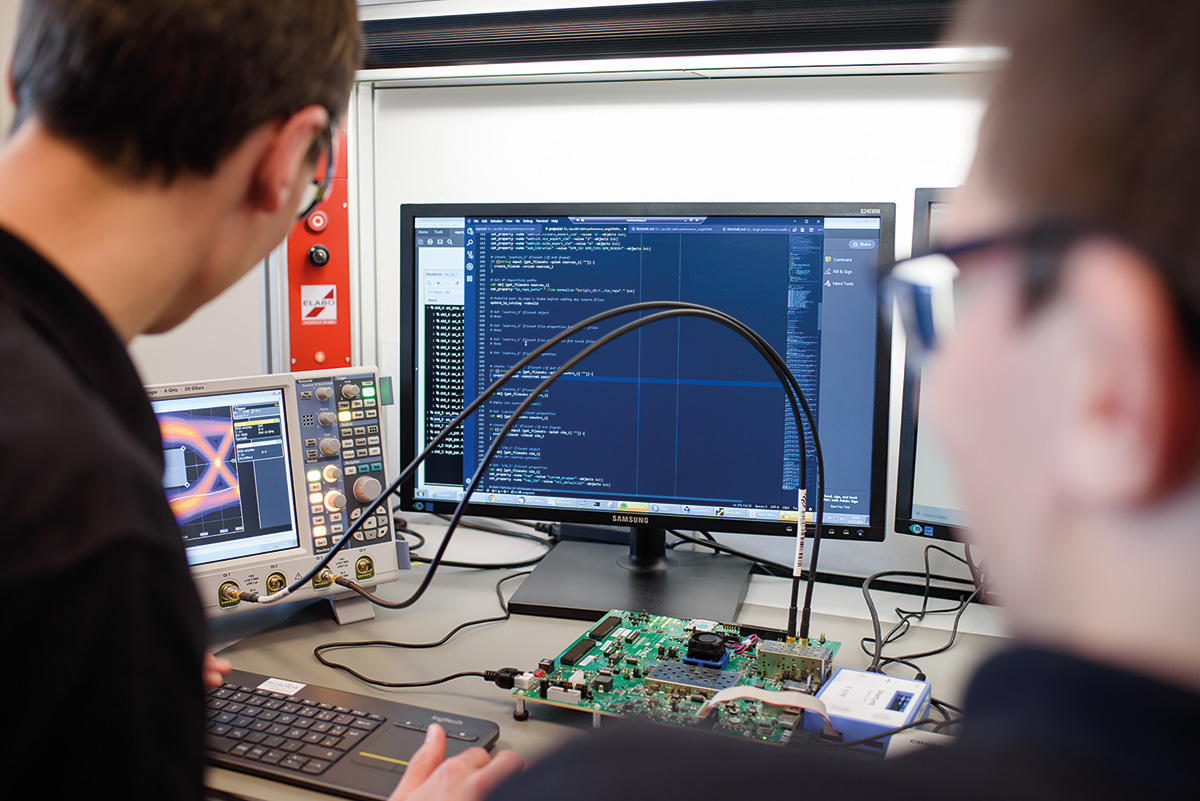
Elsewhere, DESY’s MicroTCA Technology Lab (TechLab) represents a prominent case study of direct industry collaboration, fostering the uptake of the MicroTCA.4 open electronics standard for applications in research and industry. Originally developed for the telecommunications market, the standard was subsequently adapted by DESY and its network of industrial partners – among them NAT (Germany), Struck (Germany) and CAENels (Italy) – for deployment within particle accelerator control systems (enabling precision measurements of many analogue signals with simultaneous high-performance digital processing in a single controller). 

DESY’s MicroTCA Technology Lab

As such, MicroTCA.4 provides a core enabling technology in the control systems of the European X-ray Free Electron Laser (European XFEL), which runs over a 3.4 km span from DESY’s Hamburg location to the main European XFEL campus in the town of Schenefeld. Another bespoke application of the standard is to be found in the ground-based control centre of the Laser Interferometer Space Antenna (LISA), a space-based gravitational wave detector jointly developed by NASA and the European Space Agency. 

Underpinning this technology transfer success is a parallel emphasis on knowledge transfer and education. This is the reason why TechLab, which sits as part of the business development office at DESY, offers a programme of annual workshops and seminars for current and prospective users of MicroTCA.4. The long-term vision, moreover, is to develop a commercially self-sustaining TechLab spin-off based on the development and dissemination of MicroTCA into new applications and markets. 

Industry services to fast-track innovation

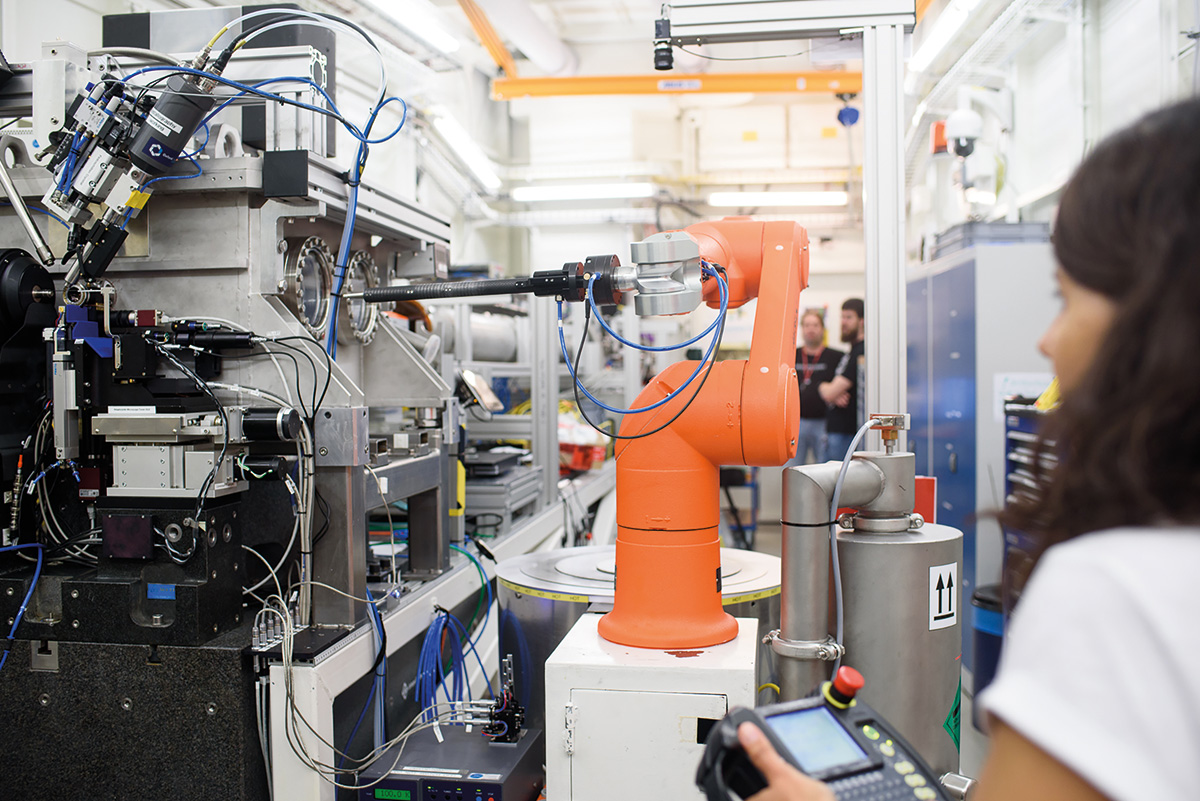
One of the principal drivers of industrial engagement with DESY is the laboratory’s PETRA III synchrotron light source (comprising a 2.3 km-circumference storage ring and 25 experimental beamlines). This high-brilliance X-ray facility is exploited by academic and industrial scientists to shed light on the structure and behaviour of matter at the atomic and molecular level across a range of disciplines – from clean-energy technologies to drug development and healthcare, from structural biology and nanotech to food and agricultural sciences.   

DESY photon scientists and engineers ensure that industrial users are in a position to maximise the return on their PETRA III beam time

Operationally, DESY photon scientists and engineers ensure that industrial users are in a position to maximise the return on their PETRA III beam time, offering a portfolio of services that includes feasibility studies, sample preparation, execution of measurements, as well as downstream analysis of experimental data. Industry customers can request proprietary access to PETRA III via the business development office (under a non-disclosure agreement if necessary), while clients do not even need to come to DESY themselves, with options for a mail-in sample service or even remote access studies in certain circumstances. Publication is not required under this access model, though discounted fees are available to industry users willing to publish a “success story” or scientific paper in partnership with DESY. 

Magnetron-sputtering deposition system

Alongside the proprietary route, companies are able to access PETRA III beam time through academic partners. This pathway is free of charge and based on research proposals with strong scientific or socioeconomic impact (established via a competitive review process), with a requirement that results are subsequently published in the formal scientific literature. Notwithstanding the possibilities offered by DESY itself, the laboratory’s on-campus partners – namely the Helmholtz Centre Hereon and the European Molecular Biology Laboratory (EMBL) – use PETRA III to deliver a suite of dedicated services that help industry customers address diverse problems in the applied R&D pipeline. 

The German biotech company BioNTech is a case in point. Best known for its successful mRNA vaccine against SARS-Cov-2 infections, BioNTech conducted a programme of X-ray scattering experiments at EMBL’s PETRA III beamline P12. The results of these investigations are now helping the company’s scientists to better package mRNA within nanoparticles for experimental vaccines and drugs. Along an altogether different R&D track, PETRA III has helped industry users gain novel insights into the inner life of conventional AAA batteries – studies that could ultimately lead to products with significantly extended lifetimes. Using non-invasive X-ray diffraction computer tomography, applied under time-resolved conditions, the studies revealed aspects of the battery ageing process by examining phase transformations in the electrodes and electrolyte during charging and discharge. 

Building an innovation ecosystem 

While access to DESY’s front-line experimental facilities represents a game-changer for many industry customers, the realisation of new commercial products and technologies does not happen in a vacuum. Innovators, for their part, need specialist resources and expert networks to bring their ideas to life – whether that’s in the form of direct investment, strategic consultancy, business and entrepreneurship education, or access to state-of-the-art laboratories and workshops for prototyping, testing, metrology and early-stage product qualification. 

PETRA III beam time

DESY is single-minded in its support for this wider “innovation ecosystem”, with a range of complementary initiatives to encourage knowledge exchange and collaboration among early-career scientists, entrepreneurs and senior managers and engineers in established technology companies. The DESY Start-up Office, for example, offers new technology businesses access to a range of services, including management consultancy, business plan development and networking opportunities with potential suppliers and customers. There’s also the Start-up Labs Bahrenfeld, an innovation centre and technology incubator on the DESY Hamburg campus that provides laboratory and office space to young technology companies. The incubator’s current portfolio of 16 start-ups reflects DESY’s pre-eminence in lasers, detectors and enabling photonic technologies, with seven of the companies also targeting applications in the life sciences. 

A more focused initiative is the CAROTS 2.0 Startup School, which provides scientists with the core competencies for running their own scientific service companies (intermediary providers of analytical research services to help industry make greater use of large-scale science facilities like DESY). Longer term, the DESY Innovation Factory is set to open in 2025, creating an ambitious vehicle for the commercial development of novel ideas in advanced materials and the life sciences, while fostering cooperation between the research community and technology companies in various growth phases. There will be two locations, one on the DESY campus and one in the nearby innovation and technology park Vorhornweg.

Basic science, applied opportunities

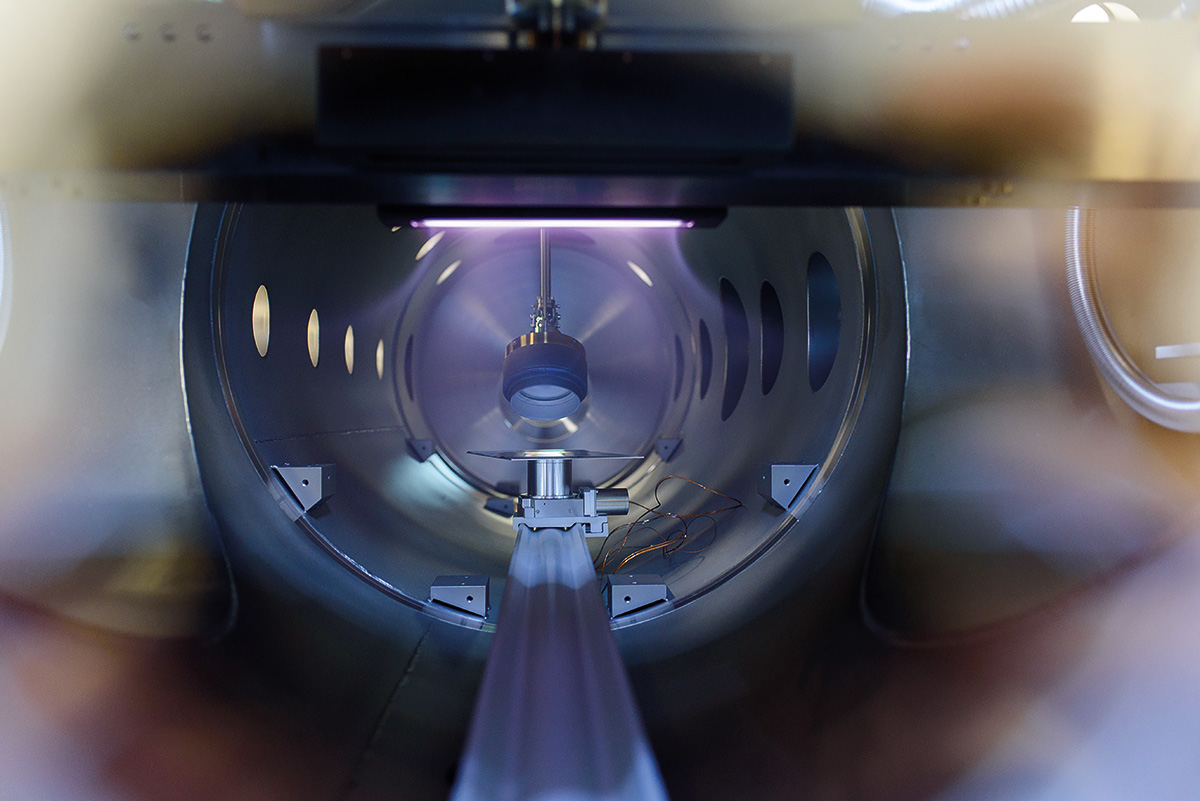
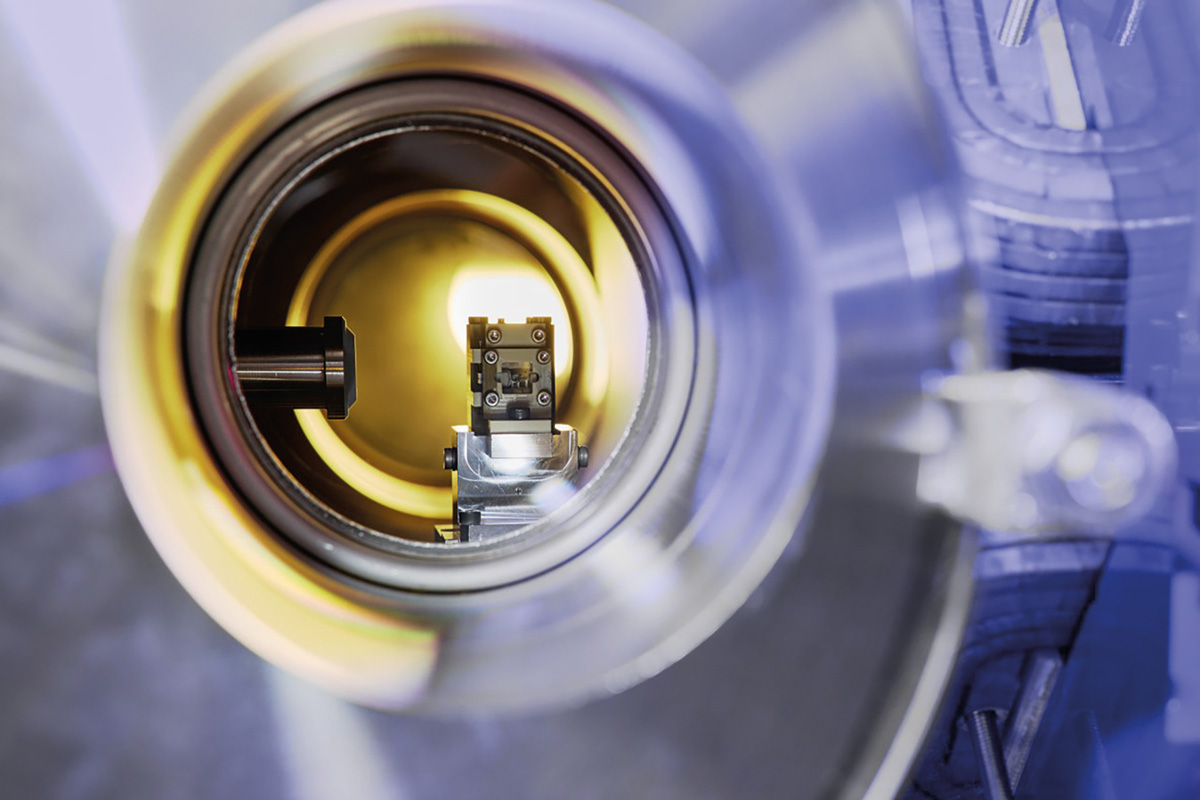
If the network effects of DESY’s innovation ecosystem are a key enabler of technology transfer and industry engagement, so too is the relentless evolution of the laboratory’s accelerator R&D programme. Consider the rapid advances in compact plasma-based accelerators, offering field strengths in the GV/m regime and the prospect of a paradigm shift to a new generation of user-friendly particle accelerators – even potentially “bringing the accelerator to the problem” for specific applications. With a dedicated team working on the miniaturisation of particle accelerators, DESY is intent on maturing plasma technologies for its core areas of expertise in particle physics and photon science while simultaneously targeting medical and industrial use-cases from the outset.

A laser plasma subsystem under vacuum

Meanwhile, plans are taking shape for PETRA IV and conversion of the PETRA storage ring into an ultralow-emittance synchrotron source. By generating beams of hard X-rays with unprecedented coherence properties that can be focused down to the nm regime, PETRA IV will provide scientists and engineers with the ultimate 3D process microscope for all manner of industry-relevant problems – whether that’s addressing individual organelles in living cells, following metabolic pathways with elemental and molecular specificity, or observing correlations in functional materials over mm length scales and under working conditions. 

Fundamental science never stops at DESY. Neither, it seems, do the downstream opportunities for industrial collaboration and technology innovation.

bright-rec iop pub iop-science physcis connect