Sustainable HEP 2024, the third online-only workshop on sustainable high-energy physics, convened more than 200 participants from 10 to 12 June. Emissions in HEP are principally linked to building and operating large accelerators, using gaseous detectors and using extensive computing resources. Over three half days, delegates from across the field discussed how best to participate in global efforts at climate-crisis mitigation.
HEP solutions
There is a scientific consensus that the Earth has been warming consistently since the industrial revolution, with the Earth’s surface temperature now about 1.2 °C warmer than in the late 1800s. The Paris Agreement of 2015 aims to limit this increase to 1.5 °C, requiring a 50% cut in emissions by 2030. However, the current rise in greenhouse-gas emissions far exceeds this target. The relevance of a 1.5 °C limit is underscored by the fact that the difference between now and the last ice age (12,000 years ago) is only about 5 °C, explained Veronique Boisvert (Royal Holloway) in her riveting talk on the intersection of HEP and climate solutions. If temperatures rise by 4 °C in the next 50 years, as predicted by the Intergovernmental Panel on Climate Change’s high-emissions scenario, it could cause disruptions beyond what our civilisation can handle. Intensifying heat waves and extreme weather events are already causing significant casualties and socio-economic disruptions, with 2023 the warmest year on record since 1850.
Masakazu Yoshioka (KEK) and Ben Shepherd (Daresbury) delved deeply into sustainable accelerator practices. Cement production for facility construction releases significant CO2, prompting research in material sciences to reduce these emissions. Accelerator systems consume significant energy, and if powered by electricity grids coming from grid fossil fuels, they increase the carbon footprint. Energy-saving measures include reducing power consumption and recovering and reusing thermal energy, as demonstrated by CERN’s initiative to use LHC cooling water to heat homes in Ferney-Voltaire. Efforts should also focus on increasing CO2 absorption and fixation in accelerator regions. Such measures can be effective – Yoshioka estimated that Japan’s Ichinoseki forest can absorb more CO2 annually than the construction emissions of the proposed ILC accelerator over a decade.
Suzanne Evans (ARUP) explained how to perform lifecycle assessments of carbon emissions to evaluate environmental impacts. Sustainability efforts at C3, CEPC, CERN, DESY and ISIS-II were all presented. Thomas Roser (BNL) presented the ICFA strategy for sustainable accelerators, and Jorgen D’Hondt (Vrije Universiteit Brussel) outlined the Horizon Europe project Innovate for Sustainable Accelerating Systems (CERN Courier July/August 2024 p20).
Gaseous detectors contribute significantly to emissions through particle detection, cooling and insulation. Ongoing research to develop eco-friendly gas mixtures for Cherenkov detectors, resistive plate chambers and other detectors were discussed at length – alongside an emphasis from delegates on the need for more efficient and leak-free recirculating systems. On the subject of greener computing solutions, Loïc Lannelongue (Cambridge) emphasised the high-energy consumption of servers, storage and cooling. Collaborative efforts from grassroots movements, funding bodies and industry will be essential for progress.
Stopping global warming is an urgent task for humanity
Thijs Bouman (Groningen) delivered an engaging talk on the psychological aspects of sustainable energy transitions, emphasising the importance of understanding societal perceptions and behaviours. Ayan Paul (DESY) advocated for optimising scientific endeavours to reduce environmental impact, urging a balance between scientific advancement and ecological preservation. The workshop concluded with an interactive session on the “Know Your Footprint” tool by the Young High Energy Physicists (yHEP) Association, facilitated by Naman Bhalla (Freiburg), to calculate individual carbon impacts (CERN Courier May/June 2024 p66). The workshop also sparked dynamic discussions on reducing flight emissions, addressing travel culture and the high cost of public transport. Key questions included the effectiveness of lobbying and the need for more virtual meetings.
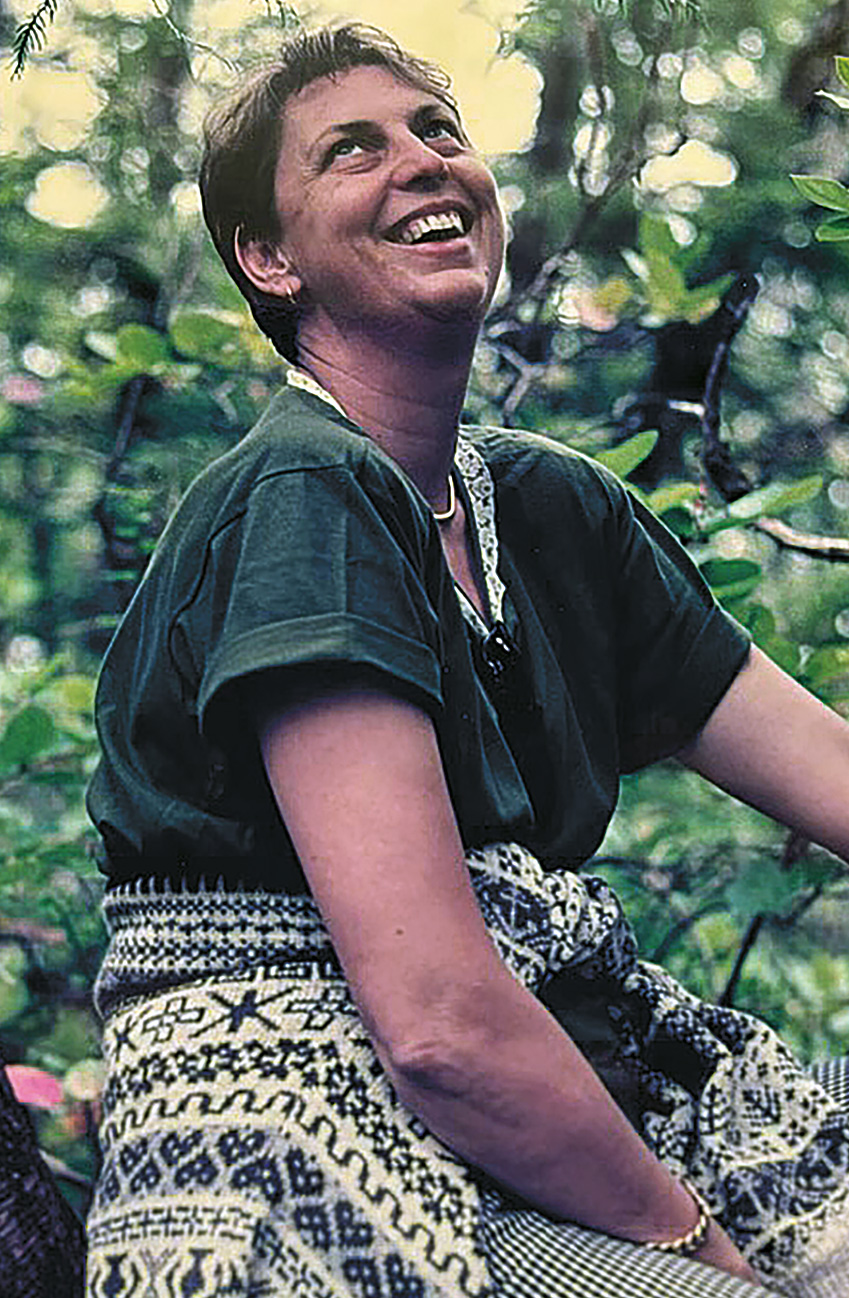
Jyoti Parikh, a recipient of the Nobel Peace Prize awarded to Intergovernmental Panel on Climate Change authors in 2007 and member of India’s former Prime Minister’s Council on Climate Change, presented the keynote lecture on global energy system and technology choices. While many countries aim to decarbonise their electricity grids, challenges remain. Green sources like solar and wind have low operating costs but unpredictable availability, necessitating better storage and digital technologies. Parikh emphasised that economic development with lower emissions is possible, but posed the critical question: “Can we do it in time?”
Stopping global warming is an urgent task for humanity. We must aim to reduce greenhouse-gas emissions to nearly zero by 2050. While collaboration within local communities and industries is imperative; and individual efforts may seem small, every action is one step toward global efforts for our collective benefit. Sustainable HEP 2024 showcased innovative ideas, practical solutions and collaborative efforts to reduce the environmental impact of HEP. The event highlighted the community’s commitment to sustainability while advancing scientific knowledge.
Cristiana Peroni, former team leader of the Torino group of the CMS collaboration, passed away on 19 June 2024.
Peroni obtained her degree in physics in 1974 at the University of Torino. She worked at an experiment on low-energy proton–antiproton collisions at the CERN Proton Synchrotron, before joining the European Muon Collaboration and, later, the New Muon Collaboration. After this, she moved to ZEUS at DESY and then CMS at the LHC, and was appointed full professor at the University of Torino in 2001.
Thanks to Cristiana’s initiative, in collaboration with Fabrizio Gasparini (project manager of the drift-tube project of CMS’s muon system), the Torino group joined the CMS collaboration in the late 1990s. The group took responsibility for the construction of the MB4 muon chambers, together with groups at Padua, Madrid and Aachen, which were responsible for the construction of the MB3, MB2 and MB1 layers of CMS’s drift-tube system, respectively.
At the same time, Cristiana started a collaboration with the JINR–Dubna group led by Igor Golutvin to realise a critical part of the system: the deposition of the field electrodes on the aluminium planes that form the structural element of the chambers. This was a very successful collaboration, in spite of the crucial issues related to complex logistics, which worked extremely well, guaranteeing the construction of the system within the required timeframe. Alongside hardware commitments, the team coordinated by Cristiana took on important roles of responsibility in the physics groups of the collaboration (in particular in the Higgs sector), and soon saw its expansion with the addition and merger of other groups in Torino, which added activities related to the tracker, electromagnetic calorimeter and precision proton spectrometer.
“Cris” was a determined and capable leader, highly appreciated for the attention she always paid to the professional growth of her collaborators, the career development of early-stage researchers, as well as the team building and mutual support that made her group united and coherent.
In the last part of her professional life, Cris turned her attention to research in medical physics, leaving the management of the CMS group to her collaborators, and carrying out research on hadron therapy. In this field, not only did she establish a new course on medical physics at Torino, but she was instrumental to the CNAO hadron-therapy facility in Pavia, which has been treating cancer patients for more than a decade.
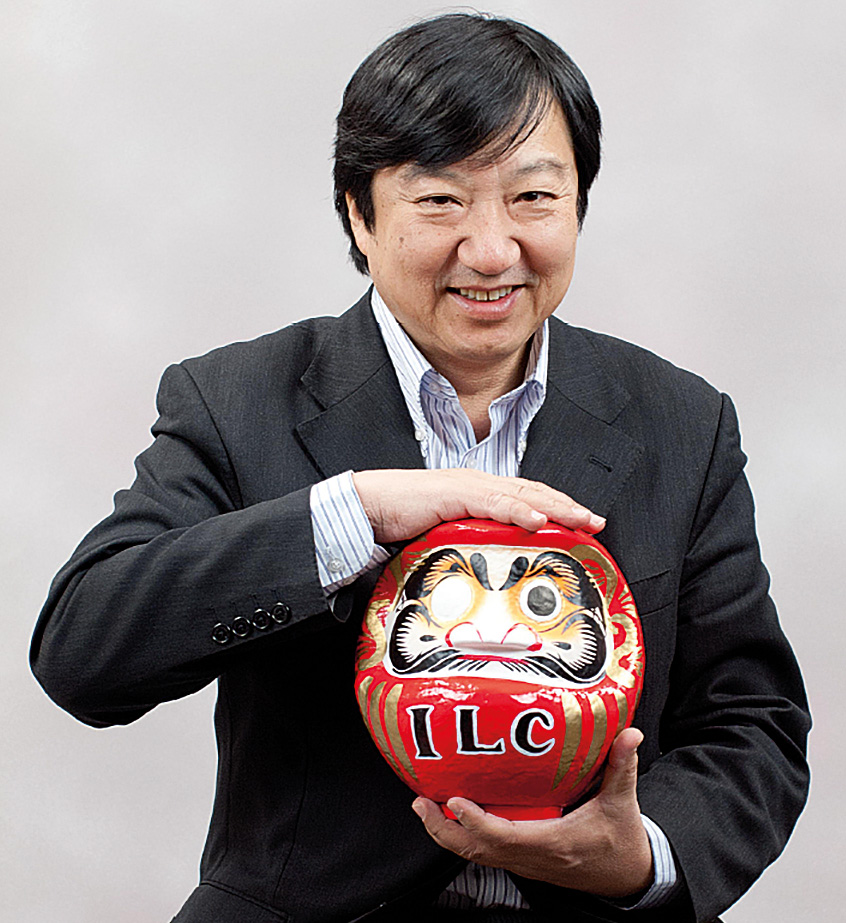
Sachio Komamiya, a prominent figure in the Japanese and International Linear Collider communities, passed away on 5 June 2024 at the age of 71.
Born in Yokohama, Japan in 1952, Komamiya graduated from the University of Tokyo in 1976. He remained there as a graduate student, under the mentorship of Masatoshi Koshiba. Komamiya began his diverse international career by proposing an experiment using the PETRA electron–positron collider at DESY in collaboration with Heidelberg University and the University of Manchester. This collaboration led to the JADE experiment. Koshiba’s laboratory took charge of developing the lead–glass electromagnetic shower detector, which operated reliably and contributed to the discovery of gluons.
After obtaining his PhD for his work at DESY, Komamiya took up a postdoc position at the University of Heidelberg, joining the group of Joachim Heintze. He quickly integrated himself into the group and to the JADE collaboration in general, and was one of the first to perform searches for supersymmetric particles – his enthusiasm for this type of analysis earning him the nickname “SachiNo”.
In 1986 Komamiya’s interest in the highest-energy experiments led him to SLAC as a staff physicist. The construction of the SLAC Linear Collider (SLC) – the first linear collider – was underway. The SLC was a single-pass collider that used a linac to accelerate both electrons and positrons, a design that was highly complex. Komamiya worked on developing the arcs that bent the beams at the end of the linac, which was one of the most complicated parts of the machine. Physics measurements at the SLC started in 1988 with the Mark II detector, and in 1990 Komamiya moved to Europe to join the OPAL experiment at the Large Electron Positron Collider.
Komamiya returned to Japan in 1999 and became a director of the International Center for Elementary Particle Physics at the University of Tokyo in 2000. While leading research and experiments there, he led Japan’s high-energy physics community, serving four terms as the chairman of the Japan Association of High Energy Physics and as a Japanese representative for the International Committee for Future Accelerators from 2000. His leadership and extensive international experience have been precious in advancing the International Linear Collider (ILC) project. In December 2012, a technical design report for the ILC was completed. Shortly afterwards, the ILC project was reorganised under the umbrellas of the Linear Collider Collaboration (LCC), led by Lyn Evans for project development, and the Linear Collider Board, which oversaw the LCC’s activity and was chaired by Komamiya.
Komamiya was eager to see the ILC become Japan’s first globally hosted project. He served as a diplomat to advance this vision, and was calm and patient when explaining to others the often-complex relations involved. Sachio thus fulfilled a critical and essential role bridging science and politics – a talent that, alongside his physics expertise, will be sorely missed.
Hans Joachim Specht, one of the founders of ultra-relativistic heavy-ion physics and a pioneering figure in hadron cancer therapy, passed away on 20 May 2024 at the age of 87. A graduate of the University of Munich and ETH Zurich, and full professor at the University of Heidelberg for more than 30 years, his career was distinguished by important contributions across a spectrum of scientific domains.
Hans started his academic career in atomic and nuclear physics in Munich, under the guidance of Heinz Maier-Leibnitz. A highlight was the discovery and precise measurement of shape isomerism in heavy nuclei. His observation of distinct rotational bands in plutonium-240 showed, for the first time, that nuclei can be in a strongly deformed cigar-shaped state shortly before fission, confirming the concept of a “double-humped” fission barrier. In Munich, and later in Heidelberg, he developed several innovative large-scale detectors for fission fragments and reaction products of heavy-ion collisions, becoming one of the leading experimentalists in the new field of heavy-ion physics, with experiments at the MPI for Nuclear Physics in Heidelberg and at the newly founded GSI in Darmstadt.
In the early 1980s, Hans reoriented his research towards the higher energies available at CERN. His contributions and advocacy, alongside a handful of other enthusiastic proponents, were instrumental in establishing CERN’s ultra-relativistic heavy-ion programme at the SPS, which was approved in 1984. He became the spokesperson of a first-generation heavy-ion experiment (Helios/NA34-2), initiator and spokesperson of a second-generation experiment (CERES/NA45), and a crucial supporter of the third-generation ALICE experiment at the LHC.
Hans was a brilliant experimentalist with a keen eye for cutting-edge detector concepts and how to apply them in a minimalistic approach. This was apparent in his masterpiece, the dilepton experiment CERES, which used a “hadron blind” double Cherenkov detector and a specially crafted magnetic field configuration to pick out and measure the rare electrons from the haystack of hadrons.
Initially with CERES, and later as a leading force within NA60, Hans succeeded in detecting, for the first time, thermally produced lepton pairs in heavy-ion collisions; the original discovery with NA45 remains one of the most cited papers from the SPS heavy-ion programme. The high-precision measurements at NA60 of what is arguably one of the most challenging signals (the Planck-like spectrum of thermal radiation at higher masses), and the precise characterisation of the in-medium modification of the ρ meson at lower masses, proved to be crucial in establishing the existence and properties of quark–gluon plasma. The enduring quality and relevance of these measurements remain unsurpassed almost two decades later.
Throughout his career, Hans held numerous positions in the realm of science policy at a variety of German and international research institutes. At CERN, he served as chair of the PSCC committee and as a member of the SPC. He was also a founding member of the first board of directors of the theory institute ECT* in Trento, a place that held special significance for him.
Hans was a brilliant experimentalist with a keen eye for cutting-edge detector concepts
As scientific director of GSI from 1992 to 1999, Hans set the course for the development and application of a groundbreaking innovation in radiation medicine: ion-beam cancer therapy. A pilot project at GSI for the irradiation of tumours with carbon-12 ions successfully treated 450 patients and led to the establishment of the Heidelberg Ion-Beam Therapy Center, the first European ion-beam therapy facility. Reflecting on his achievements, he was most proud of his contributions to ion-beam therapy. Additionally, Hans initiated discussions on the long-term future of GSI, which eventually led to the proposal for the international FAIR facility.
Hans also had a profound interest in the intersection of physics, music and neuroscience, collaborating with Hans-Günter Dosch on understanding perception of music and its physiological bases. This transdisciplinary approach produced highly cited publications on the differences in the auditory cortex between musicians and non-musicians, expanding the boundaries of how we understand the brain and its response to music.
Hans was an outstanding teacher, a prolific mentor, a successful science manager, but foremost, he was someone who profoundly loved physics, with a relentless drive to follow wherever his interests and research would lead him. His frequent and spirited commutes between Heidelberg and CERN in his iconic green Lotus Elan will be fondly remembered. His critical guidance and profound questions will be deeply missed by all who had the privilege of knowing him.
Werner Beusch, who played a pioneering role in the OMEGA spectrometer at CERN, passed away after a short illness on 4 May 2024.
A student of Paul Scherrer at ETH Zurich, Werner obtained his PhD in 1960 with a thesis on two-photon transitions in barium-137 and moved to CERN, joining the “Groupe Chambre Wilson” (a collaboration of teams from CERN, ETH Zurich and Imperial College London). Around that time, cloud chambers were being replaced with spark chambers. Werner, already very experienced in electronics despite his young age, designed and built the entire trigger system for spark chambers from scratch using discrete components (NIM modules were not yet available at the time!).
In the late 1960s Werner started working on the OMEGA project – a high-aperture electronic spectrometer to be installed on a PS beam line in the West Area. The spectrometer was envisioned to operate as a facility, with a standard suite of detectors that could be complemented by experiment-specific apparatus provided by the individual collaborations. This was achieved by a large (3 m diameter) superconducting magnet equipped with spark chambers, a triggering system and data acquisition. The original programme included missing-mass experiments, the study of baryon-exchange processes and leptonic hyperon decays, and experiments with hyperon beams and with polarised targets. After a few years, interest moved to new topics, such as photoproduction, charm production and QCD studies.
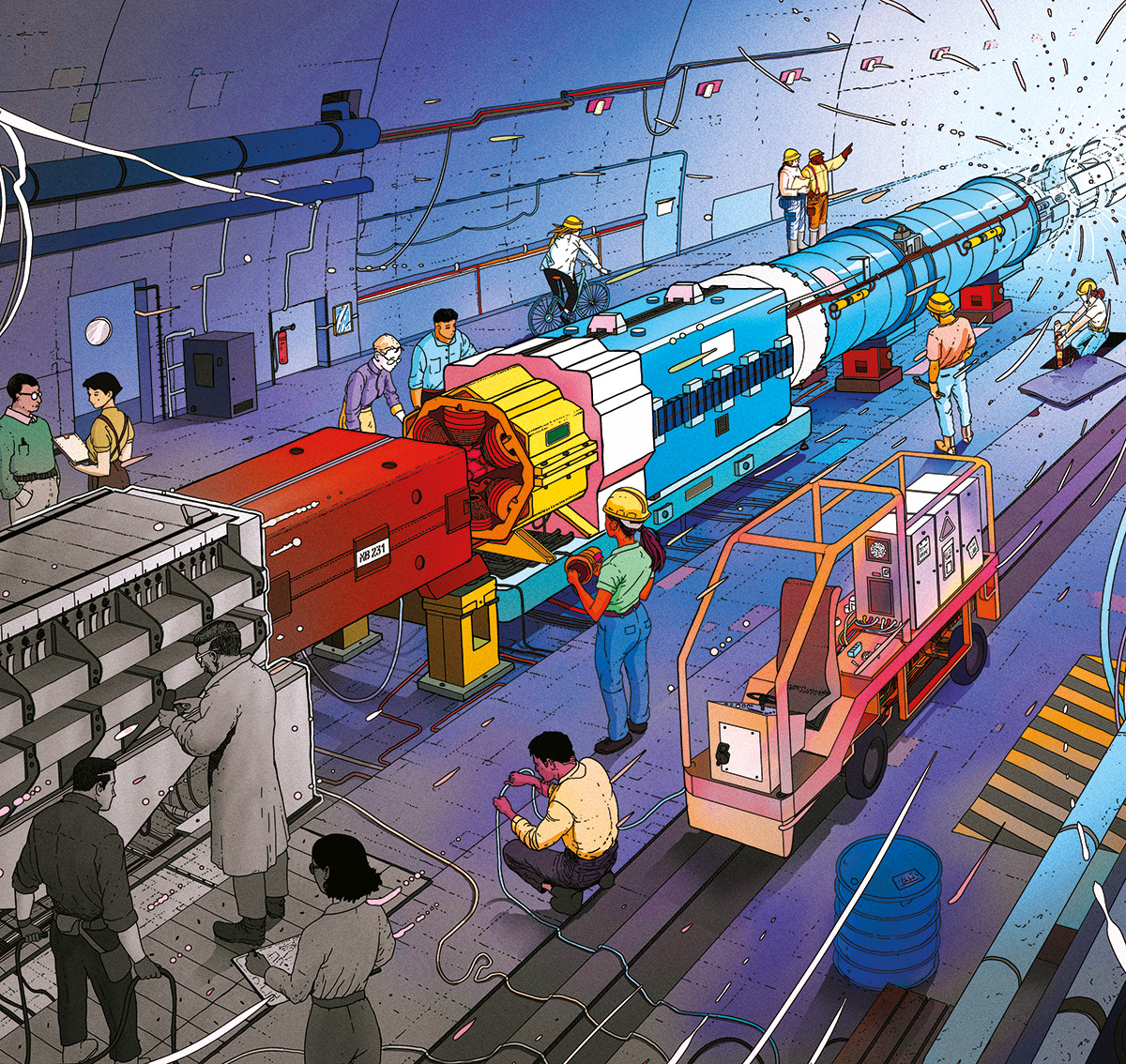
In 1976 the OMEGA spectrometer was moved to its final position in the West Area on a beam line from the newly built SPS. In 1979, under Werner’s supervision, the spectrometer – until then equipped with spark chambers and plumbicon cameras – was instrumented with the new, much faster and higher resolution multi-wire proportional chambers. The refurbished OMEGA quickly became the go-to facility for a wide range of experiments. Over the years, under Werner’s stewardship, the facility was continuously upgraded with new equipment such as drift chambers, ring-imaging Cherenkov detectors, silicon microstrips and silicon pixel detectors (which were deployed at OMEGA for the first time). Triggering and data acquisition were also continuously updated such that, throughout its 25-year lifetime, OMEGA remained at the forefront of technology. It hosted some 50 experiments, with achievements ranging from its essential role in the establishment of non-qq mesons, to the detection of a (so-far unexplained) excess in the production of soft photons, to the observation of clear violations of factorisation in charm hadroproduction. The OMEGA scientific programme culminated in a key contribution to the discovery of quark–gluon plasma (QGP), with the detection of the signature enhancement pattern of strange and multi-strange hadrons in lead–lead collisions.
Werner retired from CERN in 1995, one year before OMEGA was closed, not because it had reached its time (QGP studies, then in full blossom, had to be hastily moved to the North Area), but to make room for an assembly and test facility for the LHC magnets. Throughout its lifetime, Werner truly was the “soul” of the OMEGA experiment, always present and ready to help. Swapping from one layout to the next (and from one experimental group to the next) was the standard way of operating, and Werner and his team had the heavy responsibility of keeping the spectrometer in good shape and guaranteeing a prompt and efficient restart of the experiments. Werner’s kind and thoughtful attitude was key to this and the many other OMEGA successes. His impassioned, matter-of-fact and selfless way of doing science influenced generations of physicists whose careers were forged at OMEGA. Werner coming into the control room and offering a basket of fruits from his garden remains vivid in the memory. We miss him dearly.
Olav Ullaland, a brilliant detector physicist who spent his career at CERN, passed away on 16 June 2024.
Olav obtained his degree in particle physics at the University of Bergen in 1971. After a short period at Rutherford Appleton Laboratory in the UK, he went to CERN as a fellow in 1973, following which he was awarded a staff contract. He worked as a detector physicist at CERN until he retired in 2009, remaining active for several years as an emeritus. One of his last scientific articles dates from 2020.
Alongside detector R&D, Olav participated in several key CERN experiments. For the Split Field Magnet Detector, located at CERN’s Intersecting Storage Rings, he was in charge of the multi-wire proportional chambers and worked on the prototype of a novel electromagnetic calorimeter that was later adopted by the DELPHI experiment.
After contributing to the UA1 upgrade, he was asked to take a leading role in the complex barrel ring-imaging Cherenkov (RICH) project of DELPHI, which was the first attempt to integrate an imaging Cherenkov detector into a cylindrical collider experiment. The challenges were immense, as it was necessary to operate a gas and liquid radiator, together with a photosensitive gas, at different temperatures in a confined space. Thanks to Olav’s perseverance and the loyalty he inspired in his team, he was able to bring the apparatus to a level where it could be used in physics analysis, for example in the tagging of strange jets from Z and W decays. This was a critical milestone in the history of RICH detectors.
Around 1997 Olav joined LHCb and became a leader in the international effort to make its two RICH detectors a reality. Thanks to his deep knowledge of the many facets of detector physics and techniques, and his ability to remain calm, he and his team managed to find solutions to potential showstoppers. It is testament to Olav’s efforts that the particle identification system of LHCb works so impressively in the study of CP violation and heavy-flavour rare decays. In addition, Olav was the LHCb resource coordinator for several years, taking impeccable control of delicate LHCb financial matters at the beginning of the experiment operations. His expertise in leading many project reviews and trouble-shooting several wide-ranging detector subsystems was also in high demand both within and outside LHCb.
Olav was a wonderful collaborator. He was passionate in his support of students and fellows, and encouraged young people to give presentations and international talks, always graciously stepping away from the limelight himself. His dedication to student training was highlighted by his running of the CERN summer student programme, with both lectures and laboratory courses.
For Olav, work did not finish at CERN, but would be continued in any possible meeting place. These unconventional settings provided a conducive atmosphere to explore, discuss and challenge new projects and ideas, with the goal of promoting cohesion in a critical, constructive and friendly fashion.
Olav Ullaland was not only an outstanding researcher, but also a unique human being who left a deep impression on all those with whom he came into contact. We will never forget him.
Arnau Brossa Gonzalo, a postdoctoral researcher at the Galician Institute of High Energy Physics (IGFAE) working on the LHCb experiment, died in Santiago on 21 July 2024 following complications from a climbing accident.
Arnau obtained his degree in physics at the University of Barcelona in 2016, specialising in theoretical physics. He continued there for his master’s in astrophysics, particle physics and cosmology, with a thesis on the LHCb experiment.
In 2017 he embarked on his PhD studies in particle physics at the University of Warwick. His thesis, entitled “First observation of B0→ D*(2007)0K+π– and B0s→ D*(2007)0K–π+ decays in LHCb”, won the Springer Thesis Prize for outstanding PhD research. This was the first LHCb measurement of B decays involving fully reconstructed neutral D*mesons, which are particularly challenging due to the soft neutral particles emitted in the D*→ Dπ0 and D*→ Dγ decays. These modes are nonetheless extremely important to understand as they are backgrounds to a wide range of other studies, including those used for precision measurements of the CKM angle γ.
Following the completion of his PhD, Arnau joined the LHCb group at IGFAE in 2022 to work further on the LHCb experiment, first as a postdoctoral researcher and later as a Juan de la Cierva researcher. He then joined the lepton-flavour-universality group at IGFAE, taking on a leading role in the measurement of the ratios of semileptonic-decay branching fractions to final states with tau leptons relative to muons, denoted R(D) and R(D*). Arnau had rapidly established himself as an expert in this area, and in early 2024 he had taken on convenership of the LHCb subgroup that was dedicated to this and to similar charged-current lepton-flavour-universality tests.
Arnau’s warmth, kindness, dedication, intelligence and competence will be deeply missed by his many friends at the institute in Santiago and in the LHCb collaboration.
Robert Aymar, CERN Director General from January 2004 to December 2008, passed away on 23 September at the age of 88. An inspirational leader in big-science projects for several decades, including the International Thermonuclear Experimental Reactor (ITER), his term of office at CERN was marked by the completion of construction and the first commissioning of the Large Hadron Collider (LHC). His experience of complex industrial projects proved to be crucial, as the CERN teams had to overcome numerous challenges linked to the LHC’s innovative technologies and their industrial production.
Robert Aymar was educated at Ecole Polytechnique in Paris. He started his career in plasma physics at Commissariat à l’Energie Atomique (CEA), since renamed Commissariat à l’Energie Atomique et aux Energies Alternatives, at the time when thermonuclear fusion was declassified and research started on its application to energy production. After being involved in several studies at CEA, Aymar contributed to the design of the Joint European Torus, the European tokamak project based on conventional magnet technology, built in Culham, UK in the late 1970s. In the same period, CEA was considering a compact tokamak project based on superconducting magnet technology, for which Aymar decided to use pressurised superfluid helium cooling — a technology then recently developed by Gérard Claudet and his team at CEA Grenoble. Aymar was naturally appointed head of the TORE SUPRA tokamak project, built at CEA Cadarache from 1977 to 1988. The successful project served inter alia as an industrial-size demonstrator of superfluid helium cryogenics, which became a key technology of the LHC.
Robert Aymar set out to bring together the physics of the infinitely large and the infinitely small
As head of the Département des Sciences de la Matière at CEA from 1990 to 1994, Robert Aymar set out to bring together the physics of the infinitely large and the infinitely small, as well as the associated instrumentation, in a department that has now become the Institut de Recherche sur les Lois Fondamentales de l’Univers. In that position, he actively supported CEA-CERN collaboration agreements on R&D for the LHC and served on many national and international committees. In 1993 he chaired the LHC external review committee, whose recommendation proved decisive in the project’s approval. From 1994 to 2003, he led the ITER engineering design activities under the auspices of the International Atomic Energy Agency, establishing the basic design and validity of the project that would be approved for construction in 2006. In 2001, the CERN Council called on his expertise once again by entrusting him to chair the external review committee for CERN’s activities.
When Robert Aymar took over as Director General of CERN in 2004, the construction of the LHC was well under way. But there were many industrial and financial challenges, and a few production crises still to overcome. During his tenure, which saw the ramp-up, series production and installation of major components, the machine was completed and the first beams circulated. That first start-up in 2008 was followed by a major technical problem that led to a shutdown lasting several months. But the LHC had demonstrated that it could run, and in 2009 the machine was successfully restarted. Robert Aymar’s term of office also saw a simplification of CERN’s structure and procedures, aimed at making the laboratory more efficient. He also set about reducing costs and secured additional funding to complete the construction and optimise the operation of the LHC. After retirement, he remained active as scientific advisor to the head of the CEA, occasionally visiting CERN and the ITER construction site in Cadarache.
Robert Aymar was a dedicated and demanding leader, with a strong drive and search for pragmatic solutions in the activities he undertook or supervised. CERN and the LHC project own much to his efforts. He was also a man of culture with a marked interest in history. It was a privilege to serve under his direction.
The third update of the European strategy for particle physics, launched by the CERN Council on 21 March, is getting into its stride. At its June session, the Council elected former ATLAS spokesperson Karl Jakobs (University of Freiburg) as strategy secretary and established a European Strategy Group (ESG), which is responsible for submitting final recommendations to Council for approval in early 2026. The aim of the strategy update, states the ESG remit, is to develop “a visionary and concrete plan that greatly advances human knowledge in fundamental physics through the realisation of the next flagship project at CERN”.
“Given the long timescales involved in building large colliders, it is vital that the community reaches a consensus to enable Council to take a decision on the next collider at CERN in 2027/2028,” Jakobs told the Courier. To reach that consensus it is important that the whole community is involved, he says, emphasising that, compared to previous strategy updates, there will be more opportunities to provide input at different stages. “There is excellent progress with the LHC and no new indication that would change our physics priorities: understanding the Higgs boson much better and exploring further the energy frontier are key to the next project.”
The European strategy for particle physics is the cornerstone of Europe’s decision-making process for the long-term future of the field. It was initiated by the CERN Council in 2005, when completing the LHC was listed as the top scientific priority, and has been updated twice. The first strategy update, adopted in 2013, continued to prioritise the LHC and its high-luminosity upgrade, and stated that Europe needed to be in a position to propose an ambitious post-LHC accelerator project at CERN by the time of the next strategy update. The second strategy update, completed in 2020, recommended an electron–positron Higgs factory as the highest priority, and that a technical and financial feasibility study for a next-generation hadron collider should be pursued in parallel.
Significant progress has been made since then. A feasibility study for the proposed Future Circular Collider (FCC) at CERN presented a mid-term report in March 2024, with a final report expected in spring 2025 (CERN Courier March/April 2024 pp25–38). There is also a clearer view of the international landscape. In December 2023 the US “P5” prioritisation process stated that the US would support a Higgs factory in the form of an FCC-ee at CERN or an International Linear Collider (ILC) in Japan, while also exploring the feasibility of a high-energy muon collider at Fermilab (CERN Courier January/February 2024 p7). Shortly afterwards, a technical design report for the proposed Circular Electron Positron Collider (CEPC) in China was released (CERN Courier March/April 2024 p39). The ILC project has meanwhile established an international technology network in a bid to increase global support.
Alternative scenarios
In addition to identifying the preferred option for the next collider at CERN, the strategy update is expected to prioritise alternative options to be pursued if the chosen preferred plan turns out not to be feasible or competitive. “That we should discuss alternatives to the chosen baseline is important to this strategy update,” says Jakobs. “If the FCC were chosen, for example, a lower-energy hadron collider, a linear collider and a muon collider are among the options that would likely be considered. However, in addition to differences in the physics potential we have to understand the technical feasibility and the timelines. Some of these alternatives may also require an extension of the physics exploitation at the HL-LHC.”
Given the long timescales involved in building large colliders, it is vital that the community reaches a consensus
The third strategy update will also indicate physics areas of priority for exploration complementary to colliders and add other relevant items, including accelerator, detector and computing R&D, theory developments, actions to minimise environmental impact and improve the sustainability of accelerator-based particle physics, initiatives to attract, train and retain early-career researchers, and public engagement.
The particle-physics community is invited to submit written inputs by 31 March 2025 via an online portal that will appear on the strategy secretariat’s web page. This will be followed by a scientific open symposium from 23 to 27 June 2025, where researchers will be invited to debate the future orientation of European particle physics. A “briefing book” based on the input and discussions will then be prepared by the physics preparatory group, the makeup of which was to be established by the Council in September before the Courier went to press. The briefing book will be submitted to the ESG by the end of September 2025 for consideration during a five-day-long drafting session, which is scheduled to take place from 1 to 5 December 2025. To allow the national communities to react to the submissions collected by March 2025 and to the content of the briefing book, they are offered further opportunities for input both ahead of the open symposium (with a deadline of 26 May 2025) and ahead of the drafting session (with a deadline of 14 November 2025). The ESG is expected to submit the proposed strategy update to the CERN Council by the end of January 2026.
“The timing is well chosen because at the end of 2025 we will have a lot of the relevant information, namely the final outcome of the FCC feasibility study plus, on the international scale, an update about what is going to happen in China,” says Jakobs. “The national inputs, whereby national communities are also invited to discuss their priorities, are considered very important and ECFA has produced guidelines to make the input more coherent. Early-career researchers are encouraged to contribute to all submissions, and we have restructured the physics preparatory group such that each working group has a scientific secretary who is an early-career researcher. We look forward to a very fruitful process over the forthcoming one and a half years.”
In January 1962, CERN was for the first time moving from machine construction to scientific research with the machines. Director-General Victor Weisskopf took up the pen in the first CERN Courier after a brief hiatus. “This institution is remarkable in two ways,” he wrote. “It is a place where the most fantastic experiments are carried out. It is a place where international co-operation actually exists.”
A new generation of early-career researchers (ECRs) shares his convictions. Now, as then, they do much of the heavy lifting that builds the future of the field. Now, as then, they need resilience and vision. As Weisskopf wrote in these pages, the everyday work of high-energy physics (HEP) can hide its real importance – its romantic glory, as the renowned theorist put it. “All our work is for an idealistic aim, for pure science without commercial or any other interests. Our effort is a symbol of what science really means.”
As CERN turns 70, the Courier now hands the pen to the field’s next generation of leaders. All are new post-docs. Each has already made a tangible contribution and earned recognition from their colleagues. All, in short, are among the most recent winners of the four big LHC collaborations’ thesis prizes. Each was offered carte blanche to write about a subject of their choosing, which they believe will be strategically crucial to the future of the field. Almost all responded. These are their viewpoints.
I come from Dallas, Texas, so the Superconducting Super Collider should have been in my backyard as I was growing up. By the late 1990s, its 87 km ring could have delivered 20 TeV per proton beam. The Future Circular Collider could deliver 50 TeV per proton beam in a 91 km ring by the 2070s. I’d be retired before first collisions. Clearly, we need an intermediate-term project to keep expertise in our community. Among the options proposed so far, I’m most excited by linear electron–positron colliders, as they would offer sufficient energy to study the Higgs self-coupling via di-Higgs production. This could be decisive in understanding electroweak symmetry breaking and unveiling possible Higgs portals.
A paradigm shift for accelerators might achieve our physics goals without a collider’s cost scaling with its energy. A strong investment in collider R&D could therefore offer hope for my generation of scientists to push back the energy frontier. Muon colliders avoid synchrotron radiation. Plasma wakefields offer a 100-fold increase in electric field gradient. Though both represent enormous challenges, psychologists have noted an “end of history” phenomenon, whereby as humans we appreciate how much we have changed in the past, but underestimate how much we will change in the future. Reflecting on the past physics breakthroughs galvanises me to optimism: unlocking the next chapter of physics has always been within the reach of technological innovation. CERN has been a mecca for accelerator applications in the last 70 years. I’d argue that a strong increase in support for novel collider R&D is the best way to carry this legacy forwards.
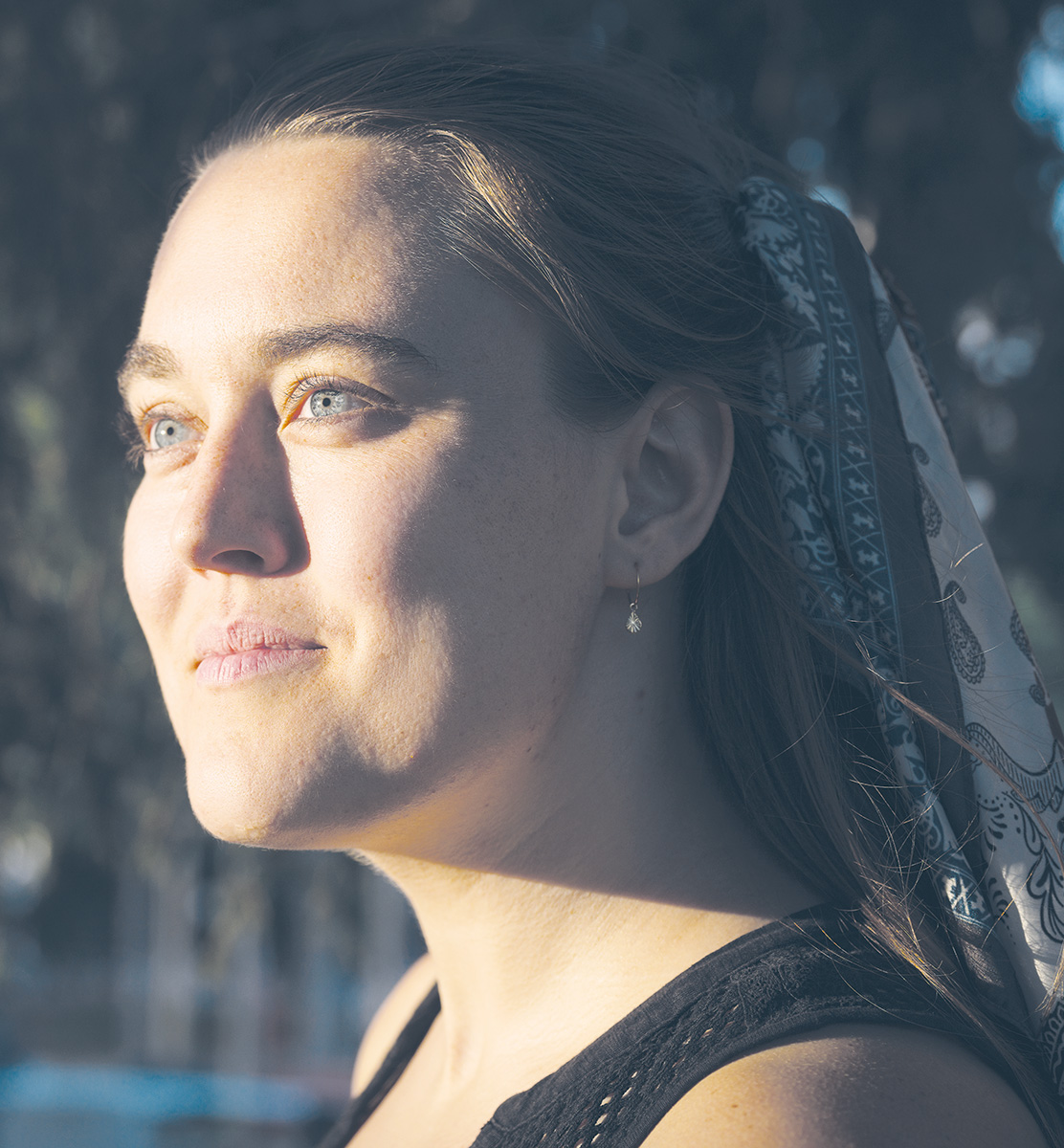
Nicole Hartmanis a post-doc at the Technical University of Munich and Origins Data Science Lab. She was awarded a PhD by Stanford University for her thesis “A search for non-resonant HH → 4b at √s = 13 TeV with the ATLAS detector – or – 2b, and then another 2b… now that’s the thesis question”.
This job is a passion and a privilege, and ECRs devote nights and weekends to our research. But this energy should be handled in a more productive way. In particular, technical work on hardware and software is not valued and rewarded as it should be. ECRs who focus on technical aspects are often forced to divide their focus with theoretical work and data analysis, or suffer reduced opportunities to pursue an academic career. Is this correct? Why shouldn’t technical and scientific work be valued in the same way?
I am very hopeful for the future. In recent years, I have seen improvements in this direction, with many supervisors increasingly pushing their students towards technical work. I expect senior leadership to make organisational adjustments to reward and value these two aspects of research in exactly the same way. This cultural shift would greatly benefit our physics community by more efficiently transforming the enthusiasm and hard work of ECRs into skilled contributions to the field that are sustained over the decades.
Alessandro Scarabottois a postdoctoral researcher at Technische Universität Dortmund. He was awarded a PhD by Sorbonne Université, Paris, for his thesis “Search for rare four-body charm decays with electrons in the final state and long track reconstruction for the LHCb trigger”.
Big companies’ energy usage is currently skyrocketing to fuel their artificial intelligence (AI) systems. There is a clear business adaptation of my research on fast, energy-saving AI triggers, but I feel completely unable to make this happen. Why, as a field, are we unable to transfer our research to industry in an effective way?
While there are obvious milestones for taking data to publication, there is no equivalent for starting a business or getting our research into major industry players. Our collaborations are incubators for ideas and people. They should implement dedicated strategies to help ECRs obtain the funding, professional connections and business skills they need to get their ideas into the wider world. We should be presenting at industry conferences – both to offer solutions to industry and to obtain them for our own research – and industry sessions within our own conferences could bring links to every part of our field.
Most importantly, the field should encourage a revolving door between academia and industry to optimise the transfer of knowledge and skills. Unfortunately, when physicists leave for industry, slow, single-track physics career progressions and our focus on publication count rather than skills make a return unrealistic. There also needs to be a way of attracting talent from industry into physics without the requirement of a PhD so that experienced people can start or return to research in high-profile positions suitable for their level of work and life experience.
Christopher Brown is a CERN fellow working on next-generation triggers. He was awarded a PhD by Imperial College London for his thesis “Fast machine learning in the CMS Level-1 trigger for the High-Luminosity LHC”.
I feel a strong sense of agency regarding the future of our field. The upcoming High-Luminosity LHC (HL-LHC) will provide a wealth of data beyond what the LHC has offered, and we should be extremely excited about the increased discovery potential. Looking further ahead, I share the vision of a future Higgs factory as the next logical step for the field. The proposed Future Circular Collider is currently the most feasible option. However, the high cost and evolving geopolitical landscape are causes for concern. One of the greatest challenges we face is retaining talent and expertise. In the US, it has become increasingly difficult for researchers to find permanent positions after completing postdocs, leading to a loss of valuable technical and operational expertise. On a positive note, our field has made significant strides in providing opportunities for students from underrepresented nationalities and socioeconomic backgrounds – I am a beneficiary of these efforts. Still, I believe we should intensify our focus on supporting individuals as they transition through different career stages to ensure a vibrant and diverse future workforce.
Prajita Bhattarai is a research associate at SLAC National Accelerator Laboratory in the US. She was awarded her PhD by Brandeis University in the US for her thesis “Standard Model electroweak precision measurements with two Z bosons and two jets in ATLAS”.
Particle physics and cosmology capture the attention of nearly every inquisitive child. Though large collaborations and expensive machines have produced some of humankind’s most spectacular achievements, they have also made the field inaccessible to many young students. Making a meaningful contribution is contingent upon being associated with an institution or university that is a member of an experimental collaboration. One typically also has to study in a country that has a cooperation agreement with an international organisation like CERN.
If future experiments want to attract diverse talent, they should consider new collaborative models that allow participation irrespective of a person’s institution or country of origin. Scientific and financial responsibilities could be defined based on expertise and the research grants of individual research groups. Remote operations centres across the globe, such as those trialled by CERN experiments, could enable participants to fulfil their responsibilities without being constrained by international borders and travel budgets; the worldwide revolution in connectivity infrastructure could provide an opportunity to make this the norm rather than the exception. These measures could provide equitable opportunities to everyone while simultaneously maximising the scientific output of our field.
Spandan Mondal is a postdoctoral fellow at Brown University in the US. He was awarded a PhD by RWTH Aachen in Germany for his thesis on the CMS experiment “Charming decays of the Higgs, Z, and W bosons: development and deployment of a new calibration method for charm jet identification”.
Young scientists often navigate complex career paths, where the pressure to produce consistent publishable results can stifle creativity and discourage risk taking. Traditionally, young researchers are evaluated almost solely on achieved results, often leading to a culture of risk aversion. To foster a culture of innovation we must shift our approach to research and evaluation. To encourage bold and innovative thinking among ECRs, the fuel of scientific progress, we need to broaden our definition of success. European funding and grants have made strides in recognising innovative ideas, but more is needed. Mentorship and peer-review systems must also evolve, creating an environment open to innovative thinking, with a calculated approach to risk, guided by experienced scientists. Concrete actions include establishing mentorship programmes during scientific events, such as workshops and conferences. To maximise the impact, these programmes should prioritise diversity among mentors and mentees, ensuring that a wide range of perspectives and experiences are shared. Equally important is recognising and rewarding innovation. This can be achieved by dedicated awards that value originality and potential impact over guaranteed success. Celebrating attempts, even failed ones, can shift the focus from the outcome to the process of discovery, inspiring a new generation of scientists to push the boundaries of knowledge.
Francesca Ercolessi is a post-doc at the University of Bologna. She was awarded a PhD by the University of Bologna for her thesis “The interplay of multiplicity and effective energy for (multi) strange hadron production in pp collisions at the LHC”.
ECR colleagues are deeply passionate about the science they do and wish to pursue a career in our field – “if possible”. Is there anything one can do to better support this new generation of physicists? In my opinion, we have to address the scarcity of permanent positions in our field. Short-term contracts lead to risk aversion, and short-term projects with a high chance of publication increase your employment prospects. This is in direct contrast to what is needed to successfully complete ambitious future projects this century – projects that require innovation and out-of-the-box thinking by bright young minds.
In addition, employment in fundamental science is more than ever in direct competition with permanent jobs in industry. For example, machine learning and computing experts innovate our field with novel analysis techniques, but end up ultimately leaving our field to apply their skills in permanent employment elsewhere. If we want to keep talent in our field we must create a funding structure that allows realistic prospects for long-term employment and commitment to future projects.
Florian Jonas is a postdoctoral scholar at UC Berkeley and LBNL. He was awarded a PhD by the University of Münster for his thesis on the ALICE experiment “Probing the initial state of heavy-ion collisions with isolated prompt photons”.
The two great challenges of our time are data taking and data analysis. Rare processes like the production of Higgs-boson pairs have cross sections 10 orders of magnitude smaller than their backgrounds – and during HL-LHC operation the CMS trigger will have to analyse about 50 TB/s and take decisions with a latency of 12.5 μs. In recent years, we have made big steps forward with machine learning, but our techniques are not always up to speed with the current state-of-the-art in the private sector.
To sustain and accelerate our progress, the HEP community must be more open to new sources of funding, particularly from private investments. Collaborations with tech companies and private investors can provide not only financial support but also access to advanced technologies and expertise. Encouraging CERN–private partnerships can lead to the development of innovative tools and infrastructure, driving the field forward.
The recent establishment of the Next Generation Trigger Project, funded by the Eric and Wendy Schmidt Fund for Strategic Innovation, represents the first step toward this kind of collaboration. Thanks to overlapping R&D interests, this could be scaled up to direct partnerships with companies to introduce large and sustained streams of funds. This would not only push the boundaries of our knowledge but also inspire and support the next generation of physicists, opening new tenured positions thanks to private funding.
Jona Motta is a post-doc at Universität Zürich. He was awarded a PhD by Institut Polytechnique de Paris for his thesis “Development of machine learning based τ trigger algorithms and search for Higgs boson pair production in the bbττ decay channel with the CMS detector at the LHC”.
The proposed Future Circular Collider presents a formidable challenge. Every aspect of its design, construction, commissioning and operations would require extensive R&D to achieve the needed performance and stability, and fully exploit the machine’s potential. The vast experience acquired at the LHC will play a significant role. Knowledge must be preserved and transmitted between generations. But the loss of expertise is already a significant problem at the LHC.
The main reason for young scientists to leave the field is the lack of institutional support: it’s hard to count on a stable working environment, regardless of our expertise and performance. The difficulty in finding permanent academic or research positions and the lack of recognition and advancement are all viewed as serious obstacles to pursuing a career in HEP. In these conditions, a young physicist might find competitive sectors such as industry or finance more appealing given the highly stable future they offer.
It is crucial to address this problem now for the HL-LHC. Large HEP collaborations should be more supportive to ensure better recognition and career advancement towards permanent positions. This kind of policy could help to retain young physicists and ensure they continue to be involved in the current HEP projects that would then define the success of the FCC.
Hassnae El Jarrari is a CERN research fellow in experimental physics. She was awarded a PhD by Université Mohammed-V De Rabat for her thesis “Dark photon searches from Higgs boson and heavy boson decays using pp collisions recorded at √s = 13 TeV with the ATLAS detector at the LHC and performance evaluation of the low gain avalanche detectors for the HL-LHC ATLAS high-granularity timing detector”.
The main challenge for the future of large-scale HEP experiments is reducing our environmental impact, and raising awareness is key to this. For example, before running a job, the ALICE computing grid provides an estimate of its CO2-equivalent carbon footprint, to encourage code optimisation and save power.
I believe that if we want to thrive in the future, we should adopt a new way of doing physics where we think critically about the environment. We should participate in more collaboration meetings and conferences remotely, and promote local conferences that are reachable by train.
I’m not saying that we should ban air travel tout court. It’s especially important for early-career scientists to get their name out there and to establish connections. But by attending just one major international conference in person every two years, and publicising alternative means of communication, we can save resources and travel time, which can be invested in our home institutions. This would also enable scientists from smaller groups with reduced travel budgets to attend more conferences and disseminate their findings.
Luca Quaglia is a postdoctoral fellow at the Istituto Nazionale di Fisica Nucleare, Sezione di Torino. He was awarded his PhD by the University of Torino for his thesis “Development of eco-friendly gas mixtures for resistive plate chambers”.
With both computing and human resources in short supply, funds must be invested wisely. While scaling up infrastructure is critical and often seems like the simplest remedy, the human factor is often overlooked. Innovative ideas and efficient software solutions require investment in training and the recruitment of skilled researchers.
This investment must start with a stronger integration of software education into physics degrees. As the boundaries between physics and computer science blur, universities must provide a solid foundation, raise awareness of the importance of software in HEP and physics in general, and promote best practices to equip the next generation for the challenges of the future. Continuous learning must be actively supported, and young researchers must be provided with sufficient resources and appropriate mentoring from experienced colleagues.
Software skills remain in high demand in industry, where financial incentives and better prospects often attract skilled people from academia. It is in the interest of the community to retain top talent by creating more attractive and secure career paths. After all, a continuous drain of talent and knowledge is detrimental to the field, hinders the development of efficient software and computing solutions, and is likely to prove more costly in the long run.
Joshua Beirer is a CERN research fellow in the offline software group of the ATLAS experiment and part of the lab’s strategic R&D programme on technologies for future experiments. He was awarded his PhD by the University of Göttingen for his thesis “Novel approaches to the fast simulation of the ATLAS calorimeter and performance studies of track-assisted reclustered jets for searches for resonant X → SH → bbWW* production with the ATLAS detector”.
HEP is at an exciting yet critical inflection point. The coming years hold both unparalleled opportunities and growing challenges, including an expanding arena of international competition and the persistent issue of funding and resource allocation. In a swiftly evolving digital age, scientists must rededicate themselves to public service, engagement and education, informing diverse communities about the possible technological advancements of HEP research, and sharing with the world the excitement of discovering fundamental knowledge of the universe. Collaborations must be strengthened across international borders and political lines, pooling resources from multiple countries to traverse cultural gaps and open the doors of scientific diplomacy. With ever-increasing expenses and an uncertain political future, scientists must insist upon the importance of public research irrespective of any national agenda, and reinforce scientific veracity in a rapidly evolving world that is challenged by growing misinformation. Most importantly, the community must establish global priorities in a maturing age of precision, elevating not only new discoveries but the necessary scientific repetition to better understand what we discover.
The most difficult issues facing HEP research today are addressable and furthermore offer excellent opportunities to develop the scientific approach for the next several decades. By tackling these issues now, scientists can continue to focus on the mysteries of the universe, driving scientific and technological advancements for the betterment of all.
Ezra D. Lesser is a CERN research fellow working with the LHCb collaboration. He was awarded his PhD in physics by the University of California, Berkeley for his thesis: Measurements of jet substructure in pp and Pb–Pb collisions at √sNN = 5.02 TeV with ALICE”.
ECRs must drive the field’s direction by engaging in prospect studies for future experiments, but dedicating time to this essential work comes at the expense of analysing existing data – a trade-off that can jeopardise our careers. With most ECRs employed on precarious two-to-four year contracts, time spent on these studies can result in fewer high-profile publications, making it harder to secure our next academic position. Another important factor is the unprecedented timescales associated with many prospective futures. Those working on R&D today may never see the fruits of their labour.
Anxieties surrounding these issues are often misinterpreted as disengagement, but nothing could be further from the truth. In my experience, ECRs are passionate about research, bringing fresh perspectives and ideas that are crucial for advancing the field. However, we often struggle with institutional structures that fail to recognise the breadth of our contributions. By addressing longstanding issues surrounding attitudes toward work–life balance and long-term job stability – through measures such as establishing enforced minimum contract durations, as well as providing more transparent and diverse sets of criteria for transitioning to permanent positions – we can create a more supportive environment where HEP thrives, driven by the creativity and innovation of its next generation of leaders.
Savannah Clawson is a postdoctoral fellow at DESY Hamburg. She was awarded her PhD by the University of Manchester for her thesis “The light at the end of the tunnel gets weaker: observation and measurement of photon-induced W+W– production at the ATLAS experiment”.
To provide the best experiences, we use technologies like cookies to store and/or access device information. Consenting to these technologies will allow us to process data such as browsing behavior or unique IDs on this site. Not consenting or withdrawing consent, may adversely affect certain features and functions.
Functional
Always active
The technical storage or access is strictly necessary for the legitimate purpose of enabling the use of a specific service explicitly requested by the subscriber or user, or for the sole purpose of carrying out the transmission of a communication over an electronic communications network.
Preferences
The technical storage or access is necessary for the legitimate purpose of storing preferences that are not requested by the subscriber or user.
Statistics
The technical storage or access that is used exclusively for statistical purposes.The technical storage or access that is used exclusively for anonymous statistical purposes. Without a subpoena, voluntary compliance on the part of your Internet Service Provider, or additional records from a third party, information stored or retrieved for this purpose alone cannot usually be used to identify you.
Marketing
The technical storage or access is required to create user profiles to send advertising, or to track the user on a website or across several websites for similar marketing purposes.