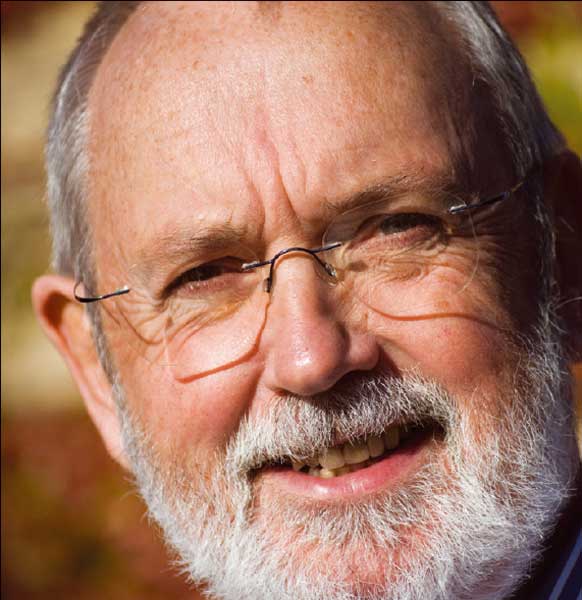
Frank Close is a prolific author – Neutrino, Antimatter, Nothing, The New Cosmic Onion, Void, The Particle Odyssey, Lucifer’s Legacy and more, have already appeared this century. The Infinity Puzzle is his ingenious name for the vital but recondite procedure called “renormalization” in physics-speak, but his latest book covers much more ground than just this.
Setting off to trace the evolution of quantum field theory in the 20th century, Close needs to run, leaping from Niels Bohr to Paul Dirac without pausing at Erwin Schrödinger and Werner Heisenberg. However, he occasionally pauses for breath: his descriptions of difficult ideas such as gauge invariance and renormalization are themselves valuable. Equally illuminating are the vivid portraits of some of the players, many major – Abdus Salam, Sheldon Glashow, Gerard ’t Hooft and John Ward – as well as others, such as Ron Shaw, who played smaller roles. Other key contributors, notably Steven Weinberg, appear on the scene unheralded.
The core of the book is the re-emergence in the 1960s of field theory, which had lapsed into disgrace after its initial triumph with quantum electrodynamics. Its new successes came with a unified electroweak theory and with quantum chromodynamics for the strong interactions.
Embedded in this core is a scrutiny of spontaneous symmetry breaking as a physics tool. Here Close presents the series of overlapping contributions that led to the emergence of what is now universally called the “Higgs mechanism”, together with the various claims and counterclaims.
Electroweak unification gained recognition through the Nobel Prize in Physics twice: in 1979 with Glashow, Salam and Weinberg; and in 1999 with ’t Hooft and Martinus Veltman. Having assigned credit where he sees fit, Close also confiscates much of that accorded to Salam, stressing the latter’s keen ambition and political skills to the detriment of enormous contributions to world science. (His International Centre for Theoretical Physics in Trieste was launched with initial support from IAEA, not from UNESCO, as stated in the book.)
In this electroweak saga, Close gives an impression that understanding weak interactions was at the forefront of people’s minds in the mid-1960s, when many were, in fact, initially blinded by the dazzle of group theory for strong interactions and the attendant quark picture. In those days, spontaneous symmetry breaking became muddled with ideas of approximate symmetries of strong interactions. Many struggled to reconcile the lightness of the pion with massless Goldstone bosons. Close mentions Weinberg’s efforts in this direction and the sudden realization that he had been applying the right ideas to the wrong problem.
As the electroweak theory emerged, its protagonists danced round its renormalization problems, whose public resolution came in a 1971 presentation in Amsterdam by ’t Hooft, carefully stage-managed by Veltman, which provides a dramatic prologue to the book. For the strong interactions, Close sees Oxford with Dick Dalitz as a centre of quark-model developments but there was also a colourful quark high priest in the form of Harry Lipkin of the Weizmann Institute.
With the eponymous puzzle resolved, the book concludes with discoveries that confirmed the predictions of field theory redux and the subsequent effort to build big new machines, culminating in the LHC at CERN. The book’s end is just as breathless as its beginning.
The Infinity Puzzle is illustrated with numerous amusing anecdotes, many autobiographical. It displays a great deal of diligent research and required many interviews. At some 400 pages, it is thicker than most of Close’s books. Perhaps this is because there are really two books here. One aims at the big audience that wants to understand what the LHC is and what it does, and will find the detailed field-theory scenarios tedious. On the other hand, those who will be enlightened, if not delighted, by this insight will already know about the LHC and not need explanations of atomic bar codes.
During its December meetings, CERN Council announced that an Open Symposium will be held in Cracow on 10–13 September 2012 for the purpose of updating the European Strategy for Particle Physics. Council adopted Europe’s current strategy for the field in July 2006 with an understanding that it be brought up to date at appropriate intervals of typically five years.
The Open Symposium is part of a process designed to get the maximum input from the particle-physics community, as well as from other stakeholders both inside and outside Europe, as Europe’s strategy forms part of a global whole. Opinion will be solicited from the individual scientists who carry out the research, the communities that stand to benefit and the research ministries that will foot the bill. With help from the local organizing committee, the Open Symposium will be arranged by a preparatory group appointed by Council and provide an opportunity for the global particle-physics community to express its views on the scientific objectives of the strategy.
Submissions will be solicited for written statements from individual physicists, groups of scientists representing specific interests – such as an experiment or a topic of theoretical research – together with contributions from institutions and organizations, such as funding agencies and science ministries. After discussion in the Open Symposium, these statements will be made available to the European Strategy Group tasked by Council with drafting the updated strategy document under the chair of the Scientific Secretary of the Strategy Session of Council.
Council will discuss the draft of the updated European strategy in March 2013 and will hold a special session in Brussels in early summer 2013 to adopt the updated strategy. It is also expected that the update of the strategy will become an agenda item for the EU Council of Ministers meeting to be held at the same time.
• Further information on the update of the European Strategy of Particle Physics, including announcements and details for participation at the Open Symposium, may be found as it becomes available at https://europeanstrategygroup.web.cern.ch/EuropeanStrategyGroup/.
At its 161st meeting at CERN on 16 December, the CERN Council unanimously voted to admit the Republic of Serbia to associate membership as the pre-stage to membership of CERN. This status will come into force following the signing of the related agreement by the two parties and notification to CERN of ratification by the Serbian parliament.
Serbian scientists have an involvement with CERN that dates back to the origins of the organization: Yugoslavia was a founder member state of CERN in 1954 and remained a member state until 1961. Serbian physicists have long been active in the ISOLDE facility and through the 1980s and 1990s were active in the DELPHI experiment at the Large Electron–Positron collider.
Serbia formally came back into the fold through a co-operation agreement in 2001, leading to involvement in the ATLAS and CMS experiments at the LHC. Serbian industry participated in the construction of both detectors and the country is also active in Grid computing.
Following notification of ratification, Serbia will join Israel as an associate member state of CERN. After a maximum period of five years, Council will decide on the admission to full membership.
Beam diagnostics, beam-profile measurements and quality-assurance methods are of the utmost importance for every accelerator or facility, and especially for radiotherapy beams. While researchers strive for better instruments and methods, industrial companies look towards the research community for turning clever ideas and working prototypes into commercial products with improved accuracy and efficacy.
To foster the transfer of technologies based on high-energy physics, the HEPTech network has launched a series of workshops called “Industry – Academia matching events”. These include summary talks from both industry and the research community, with a poster gallery and live demonstrations. These are aimed at maximizing contact and collaboration between industrial companies and those researchers active in a particular field. The first event, on silicon photomultipliers, was held in February 2011 (p33).
The second event, on the technology and the opportunities for beam instrumentation and measurement, took place on 10–11 November. It was held at GSI Darmstadt, home to much of the early work on heavy-ion radiotherapy. Some 84 participants, including representatives from 18 industrial companies, gathered at the new GSI Conference Building. The next event is planned to take place at DESY this spring and will focus on position-sensitive silicon detectors. It will be organized by the collaboration for Advanced European Infrastructures for Detectors and Accelerators (AIDA) with the support of HEPTech.
Gloom and despondency about the economic climate fill the newspapers to saturation point. The eurozone is, once again, destined to fragment and disappear – there is a depressingly strong sensation that many people never wanted it to thrive in the first place and would be delighted (not openly of course) should it disappear. Interestingly, the issue of the real climate has fallen off the radar screens for the moment. There is no doubt that these issues and many others – most notably the atrocious inequality of living standards worldwide – are of immense importance as we enter another new year. As one year follows another, are we, as a society, content to accept that these problems are insoluble and, if not, how are we – international scientists, engineers and administrators – able to contribute best?
In my view there is a strong element of lack of confidence floating around but confidence is what is needed now. Science has, in the past and increasingly so today, often been the source of inspiration, meaning and confidence in people’s lives. The moon landing is an obvious example – vision creates the confidence and the confidence creates the reality. The all-important and necessary details follow from the vision and not the other way around as many people today believe.
When we stand back and look at big-science facilities today we are justified in feeling awed. The LHC has been a lesson in determination and belief. Well done to all! The space telescopes as well as the ground-based telescopes provide breathtaking images and insights, and move the whole human race away from superstition towards a more realistic and healthy view of our place in the universe.
Today, the fragmentation of science into different disciplines, which was very evident in the second and third quarters of the previous century, is in reverse. Collaboration across these boundaries is today evident and productive, and this will surely continue. When I went to the Institut Laue-Langevin in Grenoble in 1999 I came into contact with the incipient grouping of the then seven large European science laboratories, which became EIROforum. Not the snappiest name in the universe, it has to be said, but a surprisingly effective and egalitarian organization in which not only the minnows certainly benefited but also the big-hitters gained. In many ways the international organizations mirror the national/international dilemma of the EU’s Directorate-General for Research and there was a natural affinity, which opened doors, increased influence and created togetherness between the different players. I was a big fan of EIROforum and remain so. It has added an extra dimension.
However, the European Spallation Source (ESS), which I now head up, is not yet ready to join this group of eight laboratories. The ESS sits plum in the middle of the size-scale between the cosmic scale of the telescopes and the submicroscopic scale of the LHC; it deals with materials science in all of its complexity and in all of its diversity. The ESS is not yet operational and it will not be such until the end of this decade when it will be the world’s most intense source of slow neutrons for the investigation of materials – from bio membranes and drug-delivery mechanisms to magnetic structures and metallurgical properties. But, crucially, the ESS is driven by the same engine that drives the LHC: a high-intensity proton linear accelerator, with its superconducting niobium accelerating cavities. And collaboration between the ESS and CERN is thriving.
Costs are important, however, and the spending of taxpayers’ contributions to scientific endeavours carries with it immense responsibility. This also, it must be said, applies to the spending of investors’ contributions in private companies. Not before time it is becoming increasingly recognized that there are not two distinct colours of money in our economies. The capital cost of the ESS (€1.5 bn) could be funded comfortably from the bonuses awarded to US bankers – for 24 days! (All in 2008 values.)
To put this figure into context with other public building projects – the proposed 160 km high-speed rail link between London and Birmingham is expected to cost €20 bn. Travellers would barely have reached the outskirts of London before the cash registers had exceeded the €1.5 bn figure for the ESS.
So let us keep matters in perspective and press our governments to stand by their promises made in Lisbon in 2000 and in Barcelona to lift the percentage of European GDP spent on science from the 1.85% then to 3% (by 2010). The figure remains below 1.9% today. Science has a role in society!
By John Marburger Cambridge University Press
Hardback: £17.99 $29
E-book: $23
This is easily the best introduction to quantum theory and particle physics that I have ever seen. The book is remarkable both for what it covers and for what it does not. Unlike many recent popular books, this one avoids references to unproven hypotheses such as grand unification, supersymmetry, strings and extra dimensions. The total space devoted to these ideas is under two pages. Rather, the book describes the story of the development of physical theory from Newtonian mechanics through the changes that were required by relativity and quantum mechanics. It continues all the way through to a lucid description of the Standard Model, nuclear physics and the periodic table and conveys tremendous excitement at how far physics has advanced while sticking to what is really known. It presents a clear and deep account of the physicist’s view of the basic bits that make up the world and how they interact.
The author provides a great deal of mathematical detail, but this never requires anything beyond what would be expected of a high-school student or first-year university undergraduate. Even concepts such as complex numbers, vectors, matrices and Hilbert space are introduced just enough to make the basic ideas clear without getting bogged down in detail. If I hadn’t just read the book, I would have doubted that such a presentation would even be possible.
Each chapter has detailed notes and references at the end. These could easily lead a serious reader a good way into an undergraduate physics education. Without “dumbing things down”, the mathematical concepts are presented with clear physical insight and motivated by their necessity to understand observed reality.
One caveat is that there is little detail on experiments, but I think this sacrifice is worthwhile to maintain focus and keep the book to under 300 readable pages. Certainly the key role played by experiments in physics is made extremely clear. Perhaps the best single overall feature of the book from the view of a practicing particle physicist, is that you can give it to any bright person to give them a good idea of the field and not have them wondering which parts correspond to tested ideas and which are purely speculative.
Many friends and colleagues have asked me to point them to something that could give them a clear picture of what’s actually known and this is, in every way, just the sort of book I’ve wanted. Sadly, the author died this past July after having been director of Brookhaven National Laboratory and also director of the Office of Science and Technology Policy under US President George W Bush. I’d like to think of the book as a parting gift to those he left behind. He has done a real service to all of us in the field and I recommend the book heartily to everyone. I’ll certainly be buying quite a few for Christmas.
By Giovanni Vignale Oxford University Press
Hardback: £16.99 $22
Most things in life are not “invariants”. Consider two identical glasses of good wine. A thirsty person quickly drinks the first one and then complains about the ensuing headache. The other glass has its aromas and textures slowly appreciated, mixed with the whispering sounds of waves breaking on a nearby shore, dimly illuminated by the crimson shades of the late afternoon sun – still bright but so tired from the long day’s journey that its descent behind the shallow mountains can be directly followed, triggering an everlasting memory associating the wine’s flavours with a pleasant feeling. The Beautiful Invisible is a truly remarkable opus, better appreciated if read in a slow and relaxed mood, savouring each sentence, each paragraph. I wonder if I have ever read another book with so few misprints, unclear sentences, or misplaced arguments. Each word is the right word, in the right place. And yet, as if to disturb the poet Stefan Mallarmé (“We do not write poems with ideas, but with words”), the continuum of great ideas is, at least for physicists, what makes this book such a wonderful “poem”.
Giovanni Vignale, besides being a professor at the University of Missouri and a condensed-matter theorist, is a connoisseur of literature, art, theatre and cinema, and seems to have spent plenty of time in transatlantic flights to conceive this “travel guide”. It takes the interested reader through a journey of invisible fields and virtual characters, intertwined with the reality of surreal but beautiful landscapes, surpassing the most imaginative creations of the human mind. As every condensed-matter theorist knows, “more is different”, and if you dive into this book, your mind will be filled with much more than just physics. Saint-Exupery, Musil, Bulgakov, Borges, García Márquez, Elliot, Poe, Shakespeare, Magritte, Vermeer and many others will walk along with you on this path to enlightenment. Some of the scenery is impressive and breathtaking. Maxwell’s discovery of electromagnetic waves by a purely theoretical argument, Dirac’s bringing together of quantum mechanics and special relativity, and other magnificent viewpoints welcome you along this incredible journey, which connects mechanics, thermodynamics, relativity, electrodynamics and quantum mechanics and ends on superconductivity – “one of the highest achievements of the physics of the 20th century” – a natural stop for a book published in 2011.
Along the way, casually dropped here and there by the side of the path, you might find some pearls of wisdom: “we must already know what we are looking for, in order to see it”; “theory grows at the confluence of fantasy and truth”; “there is no better way to test a theory than to apply it to a scenario different from the one that initially prompted its development”. We are also reminded of the fascinating and paradoxical mysteries of quantum mechanics: “there is nothing I can say to demystify it, words attempt the task and come back defeated”. And we are given some good advice: “complex calculations often simplify dramatically when approached from the right angle”; “different representations stimulate our imagination in different ways, producing vastly different results”; certain issues are “ignorable in the limit of interest”. At the end, after almost 300 pages, the pilgrim is offered some final take-home souvenirs: “there are no final truths at the frontier, only an inexhaustible activity that creates and continuously destroys its own creations”, “the search for the truth has more value than the truth itself”.
Vignale shows, convincingly, that no one should think that physicists are any less imaginative than novelists or poets. In summary, this book is the best Christmas reading for physicists this year (even better than Dirac’s Principles of Quantum Mechanics), at least for physicists who manage to relax for a week or two. I will surely enjoy reading it again, some day. But first I would like to follow up some of the many “suggestions for further reading”. Maybe I will start by reminding myself of Le Petit Prince: “anything essential is invisible to the eye and one sees clearly only with the heart”.
By Peter Ginter, Rolf-Dieter Heuer, Franzobel Edition Lammerhuber
Hardback: €64
This large-format, lavishly produced volume in its psychedelic slipcase is a fitting celebration of the “world machine” that is the LHC. To describe it as a coffee-table book is to demean it. Long after the LHC has been superseded, it will remain as a beautiful record of the astonishing complexity and achievement of what currently hums and whirls beneath placid Swiss and French fields.
LHC is built around the photographs of Peter Ginter, master of the demanding craft – and art – of photographing technology and industry. The pictures are complemented by an interview with Rolf-Dieter Heuer, director-general of CERN, and an essay by Franzobel (pseudonym of the Austrian writer Stefan Griebl). Together with the explanatory picture captions, the text (in English, German and French) builds up to provide an excellent layperson’s introduction to the LHC, how it works and what it aims to achieve.
The book divides into sections on the collider, the four big detectors (ALICE, ATLAS, CMS, LHCb), event displays and computing (“from www to grid”), together with a brief history of CERN and the LHC project.
The photographs are magnificent. To any child or adult unfamiliar with particle physics, and even to people who visit CERN frequently or work there every day, they reveal the LHC and its detectors as a soaring pinnacle of research, built with the precision, coordination and search for truth that informed the great medieval cathedrals, updated to the 21st century.
One photograph shows four Russian workmen perched on a mound of artillery shell casings; a second shows the brass from the casings turned into a wheel of giant golden segments arranged like the iris diaphragm of a camera; and a third shows this huge “wheel” – designed to cause showers of secondary particles after an initial collision – being installed as one of the elements of the CMS detector.
And there is more. A physicist abseils into the gleaming innards of LHCb, like a mountaineer into a crevasse. Pakistani workmen pose beside one of the “feet” on which the 14,000 tonne CMS will sit. Engineers are dwarfed as one of the giant coils of the ATLAS toroid is manoeuvred into position. ALICE’s innermost detector gleams with myriad silicon faces like a futuristic Fabergé egg.
This book is a great photographic feat by Ginter; the result of endless visits to CERN over many years. Each picture has been planned, negotiated, composed and lit, representing many hours of work and inspiration.
Edition Lammerhuber has produced a magnificent volume to the highest publishing standards. Everyone concerned with or interested in CERN should have a copy. I also urge the publishers to produce an e-book version that could reach a mass audience worldwide. These pictures would look glorious on a tablet computer.
It has now been a full publishing year for the new-look design of CERN Courier. The dynamic layout, features and wide-ranging articles in 2011, as well as the lively covers, have all been well received by readers in the particle-physics community.
Now we would like your help to make CERN Courier magazine and the preview-courier.web.cern.ch website even better. This is your chance to tell us what you think and give us your suggestions and wish lists.
This year marks the 100th anniversary of the first International Women’s Day and, appropriately, the awarding in December 1911 of a second Nobel prize to Marie Curie. No other woman physicist has achieved such worldwide acclaim, and although there have been a number of high-flyers they remain relatively unknown. One such person is Zehui He (Zah-Wei Ho), who worked at the Curie Institute in Paris in the 1940s before becoming a leading figure in nuclear physics in her own country of China.
Zehui was born in 1914 in Suzhou, on the lower reaches of the Yangtze River, into a family of eight children where culture and learning were as important for the girls as for the boys. After studying at a school for girls (which had been established by her maternal grandmother) and succeeding in a national competition, she was admitted to the physics department of the Tsinghua University, Peking (now Beijing), in 1932. In a class of 28 there were 10 women, and the head of the department strongly discouraged all of them from pursuing a career in physics, a common habit at the time (not only in China). However, he did not succeed with Zehui, and she came out top of the 10 students – including two other women – who graduated in 1936.
Some of the professors, Zehui later recalled, did appreciate her talent and pushed her towards a stimulating final research project on “A voltage stabilizer of electric current used in laboratories”. Yet, afterwards, like the other female graduates she was offered no support when looking for somewhere to continue her studies or to work. It was thanks again to her persistence, as well as to a fund granted by her native Shanxi Province, that she was able to go to Germany to pursue a doctoral degree at the Technical Physics Department of the Technische Hochschule in Berlin. Sanqiang Qian (San-Tsiang Tsien), who was also at the top of Zehui’s class in 1936, after working in the institute of physics in Peking for a year, went to Paris in 1937 to the laboratory of Irène Curie (Marie’s daughter) and her husband Frédéric Joliot. He obtained his doctorate there in 1940 with a thesis on “Étude des collisions des particules α avec les noyaux d’hydrogène” supervised by the Joliot-Curies.
In Berlin, meanwhile, Zehui pursued a doctorate in experimental ballistics with a thesis on “A new precise and simple method of measuring the speed of flying bullets”. By then it was 1940 and the Second World War had begun. Zehui was stuck in Germany, but she found work in Berlin with the Siemens Company and did research on magnetic materials from 1940 to 1942. However, during her studies Zehui had stayed at the home of Friedrich Paschen, well known for spectroscopy and the eponymous hydrogen series and line-splitting in a strong magnetic field. The Paschen family loved Zehui as one of their own, and Paschen introduced her to his friend Walther Bothe, director of the Physics Institute of the Kaiser Wilhelm Institute for Medical Research in Heidelberg. There, Zehui converted to basic research in nuclear physics.
Given the time (1943) and the place (soon to be not far from the war’s front line), it was an improbable scenario. Bothe, one of the principals of the German Uranium Project, had returned to basic research in Heidelberg, where in December 1943 the 10 MeV cyclotron came into operation – the first in Germany. While Bothe used counters and electronics to study cosmic rays and radioactive nuclei, his colleague Heinz Maier-Leibnitz built a cloud chamber and, together with Bothe and Wolfgang Gentner, in 1940 published the Atlas of Typical Cloud Chamber Images – a reference for identifying scattered particles.
Zehui worked with Maier-Leibnitz on building a second cloud chamber to study positron–electron collisions, using positrons from the decays of artificially produced radioactive isotopes, with a view to checking the validity of Homi Bhabha’s and Bothe’s calculations based on Paul Dirac’s theory. The advantage with respect to electron–electron elastic collisions was the lack of ambiguity between recoil and scattered particles, allowing a separation between events of large and small energy-exchange. The experiment, which used positrons from a source of 52Mn, also allowed a cross-check of Hans Bethe’s calculation of the ratio of annihilation to elastic cross-sections.
Breakthrough
The first ever picture of a positron–electron scatter was shown at the cosmic-ray conference in Bristol in September 1945 and mentioned in a report on the meeting published in November (Nature 1945). In all, Zehui measured 178 elastic collisions from 2774 positrons and found that: “In the first approximation, there is a general agreement between the theoretical and the experimental curves [for the number of collisions]. But it seems that in the case of strong energy exchange (A> 0.6), for which the measurements are more precise, the experimental values are higher than the theoretical ones” (Ho 1947). She also observed three annihilation events, as expected from Bethe’s calculations.
The results were widely disseminated. On 5 April 1946, a paper on the measurements was read by R W Pohl in Gottingen, then on 15 April by Joliot in Paris. In July 1946, Sanqiang Qian presented the work at the International Conference on Fundamental Particles and Low Temperatures in Cambridge; and a letter, sent at around the same time to Physical Review, was published in August that year (Ho 1946).
Sanqiang and Zehui proved the existence of ternary fission from the measurement of fission traces
Meanwhile, Zehui had moved from Heidelberg to Paris, where she rejoined her classmate Sanqiang, marrying him in the spring of 1946. From 1946 to 1948 she worked at the Nuclear Chemistry Laboratory of Collège de France and the Curie Laboratory of the Institut du Radium. Continuing the research she had started in Germany and using a cloud chamber with a long time sensitivity, as developed by Joliot, Zehui measured the spectrum of positrons and gammas from the decays of 34Cl and 18F, and also confirmed her previous result on positron–electron collisions. However, the discrepancy with the theory at large-energy transfer was not observed by others.
Working with Sanqiang and two PhD students – R Chastel and L Vigneron – Zehui went on to study the fission processes induced by slow neutrons, using nuclear emulsions loaded with uranium. After the discovery of fission in 1938 it was generally believed that the nucleus of a heavy atom splits into two lighter nuclei. However, with these experiments Sanqiang and Zehui proved the existence of ternary fission from the measurement of fission traces; they also explained the mechanism of such a reaction and predicted the mass spectrum of the fragments (Tsien et al. 1947). Zehui also made the first observation of quaternary fission in November 1946. Ternary fission was not understood by the physics community until the late 1960s, and multifission not verified until the 1970s.
In May 1948 Zehui returned to China with her husband and their six-month-old daughter. (A second daughter was born in 1949 and a son in 1951.) The couple’s involvement in science became deeply intertwined with the history of their country, echoing the farewell advice of the Joliot-Curies that they should “serve science, but science must serve the people”.
Zehui was immediately recruited as the only full-time research fellow in the Atomic Research Institute of the National Peking Research Academy. After the founding of the People’s Republic of China in 1949 she became a research fellow (1950–1958) at the Modern Physics Institute of the Chinese Academy of Sciences (CAS) and then research fellow (1958–1973) and deputy director (1963–1973) of the Atomic Energy Institute. Following the establishment of the Institute of High-Energy Physics (IHEP) at the CAS in 1973, she moved there as a research fellow and deputy director (1973–1984). She was elected a member of the academy in the Mathematics and Physics Division in 1980 and was also a standing member of the Chinese Space-Science Society.
Focusing on nuclear research
In all of her administrative positions, Zehui’s constant preoccupation was to develop her country’s nuclear research, almost from scratch to the current achievements. In 1956, for example, her group succeeded in making nuclear emulsions of a quality comparable to the most advanced in the world, mainly with respect to the ones sensitive to protons, alpha particles and fission fragments.
An important change took place in 1955 when the Chinese government decided to move into nuclear energy. Sanqiang took on major responsibilities in setting up a nuclear industry and by 1958, with help from the Soviet Union, the first Chinese nuclear reactor and a cyclotron had started operation. Zehui led the Neutron Physics Research Division of the Modern Physics Institute (later renamed Atomic Energy Institute) and made important contributions to the establishment of basic laboratory infrastructure, the design and manufacture of measuring instruments, and the development of various types of equipment.
Around 1966, Zehui disappeared from public view as a result of the Cultural Revolution. This was over by 1978, when for the first time in more than 30 years she visited Germany as a member of a government delegation. Around the same time, Sanqiang led a Chinese delegation to visit CERN – where the Super Proton Synchrotron had recently become operational – and later to the US and many other countries, working hard to promote international scientific collaboration.
In the wake of that effort, the Beijing Electron–Positron Collider was initiated, achieving its first collisions on 16 October 1988. Meanwhile, Zehui, in charge of the Cosmic Ray and Astrophysics Division of IHEP, promoted research in these fields. Under her initiation and fostering, the former cosmic-ray research division of IHEP built – through domestic and international collaborations – nuclear emulsion chambers installed at the highest altitude in the world (5500 m) on Kam-Pala mountain in Tibet. Also, starting from scratch, the division launched scientific balloons of increasing size near Beijing. In parallel, following the launch of the first Chinese satellite in 1970, the technology was developed to detect hard X-rays in space. As before, under Zehui’s direction and influence, generations of young researchers rapidly grew up to become the key figures in nuclear and space science in China.
Zehui He died in June 2011, nearly 20 years after Sanqiang Qian (1913–1992). She had continued to work full time until late in life, maintaining the high standards that she had always cherished. She loved her country and science; to both she is now an icon.
To provide the best experiences, we use technologies like cookies to store and/or access device information. Consenting to these technologies will allow us to process data such as browsing behavior or unique IDs on this site. Not consenting or withdrawing consent, may adversely affect certain features and functions.
Functional
Always active
The technical storage or access is strictly necessary for the legitimate purpose of enabling the use of a specific service explicitly requested by the subscriber or user, or for the sole purpose of carrying out the transmission of a communication over an electronic communications network.
Preferences
The technical storage or access is necessary for the legitimate purpose of storing preferences that are not requested by the subscriber or user.
Statistics
The technical storage or access that is used exclusively for statistical purposes.The technical storage or access that is used exclusively for anonymous statistical purposes. Without a subpoena, voluntary compliance on the part of your Internet Service Provider, or additional records from a third party, information stored or retrieved for this purpose alone cannot usually be used to identify you.
Marketing
The technical storage or access is required to create user profiles to send advertising, or to track the user on a website or across several websites for similar marketing purposes.