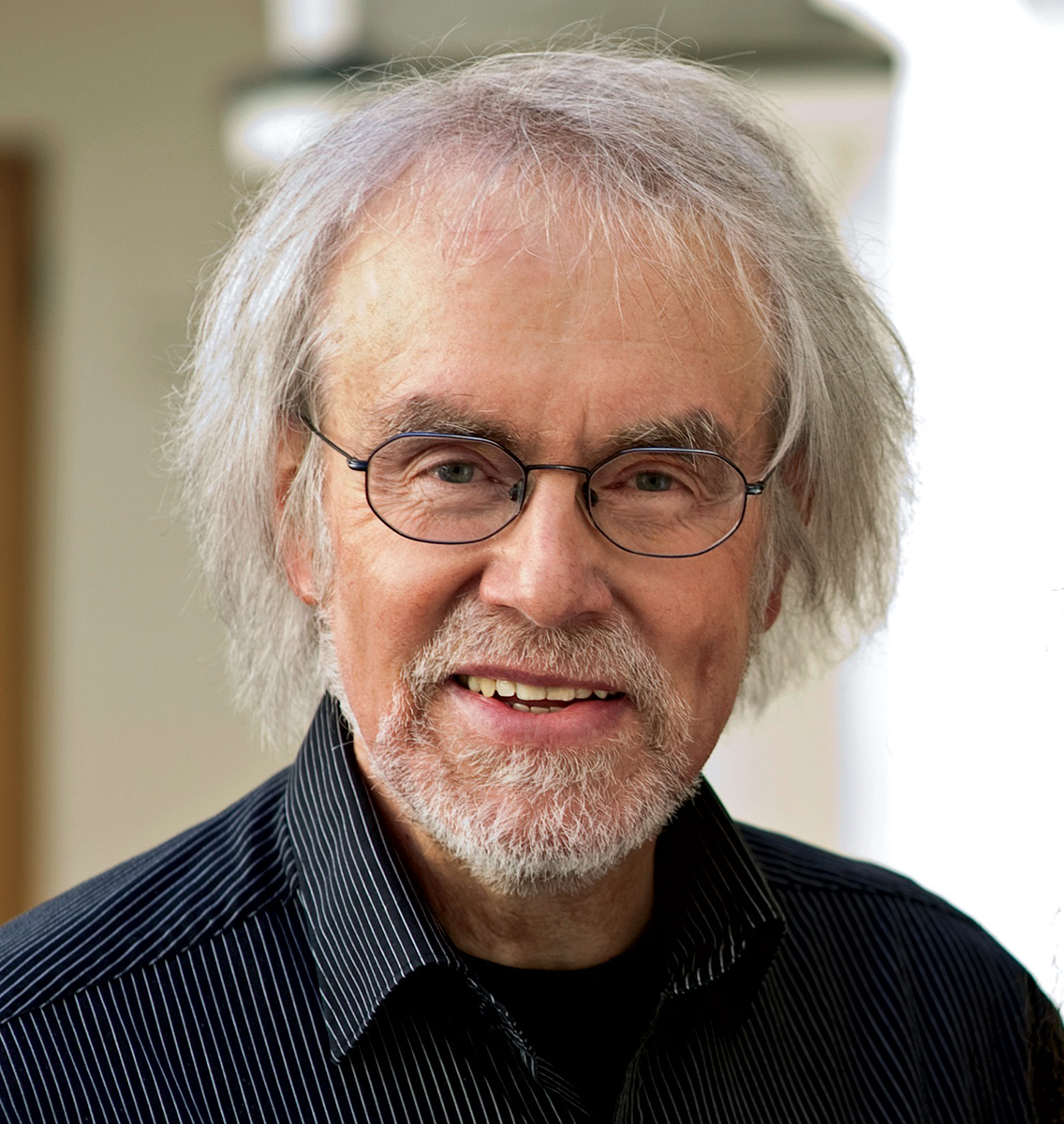
On 12 December, the CERN Council unanimously decided to appoint Fabiola Gianotti as Director-General (DG) of CERN for a second term of office of five years, with effect from 1 January 2021. “I am deeply grateful to the CERN Council for their renewed trust,” she said in a statement. “The following years will be crucial for laying the foundations of CERN’s future projects and I am honoured to have the opportunity to work with the CERN Member States, Associate Member States, other international partners and the worldwide particle-physics community.” Gianotti, who is CERN’s first female DG, has been a research physicist at CERN since 1994 and was ATLAS spokesperson from March 2009 to February 2013 during the discovery of the Higgs boson.
Andrzej Buras of the Technical University of Munich has been awarded the Max Planck Medal by the German Physical Society for his outstanding contributions to applied quantum field theory, especially in flavour physics and quantum chromodynamics.
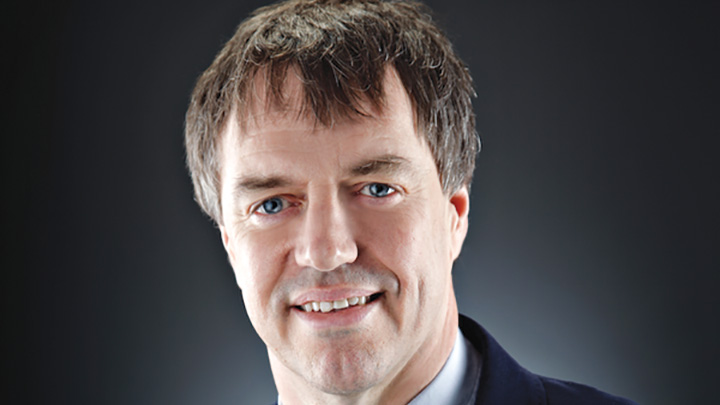
Astroparticle physicist Nigel Smith has been appointed to a three-year extension as executive director of SNOLAB in Canada. Smith, who has been in the role since 2009, agreed to remain in position until 31 December 2022, with a search for a successor being revisited during 2020.
The 2019 Benjamin Y H Liu Award of the American Association for Aerosol Research, which recognises outstanding contributions to aerosol instrumentation and experimental techniques, has been awarded to CERN’s Jasper Kirkby for his investigations into atmospheric new-particle and cloud formation using the unique CLOUD experiment at CERN, which he originated. The award committee described CLOUD as “arguably the most effective experiment to study atmospheric nucleation and growth ever designed and constructed, really by a country mile”, and said of Kirkby: “His irrepressible will and determination have adapted the culture of ‘big science’ at CERN to a major atmospheric science problem. Along the way, Jasper has also become a world-class aerosol scientist.”
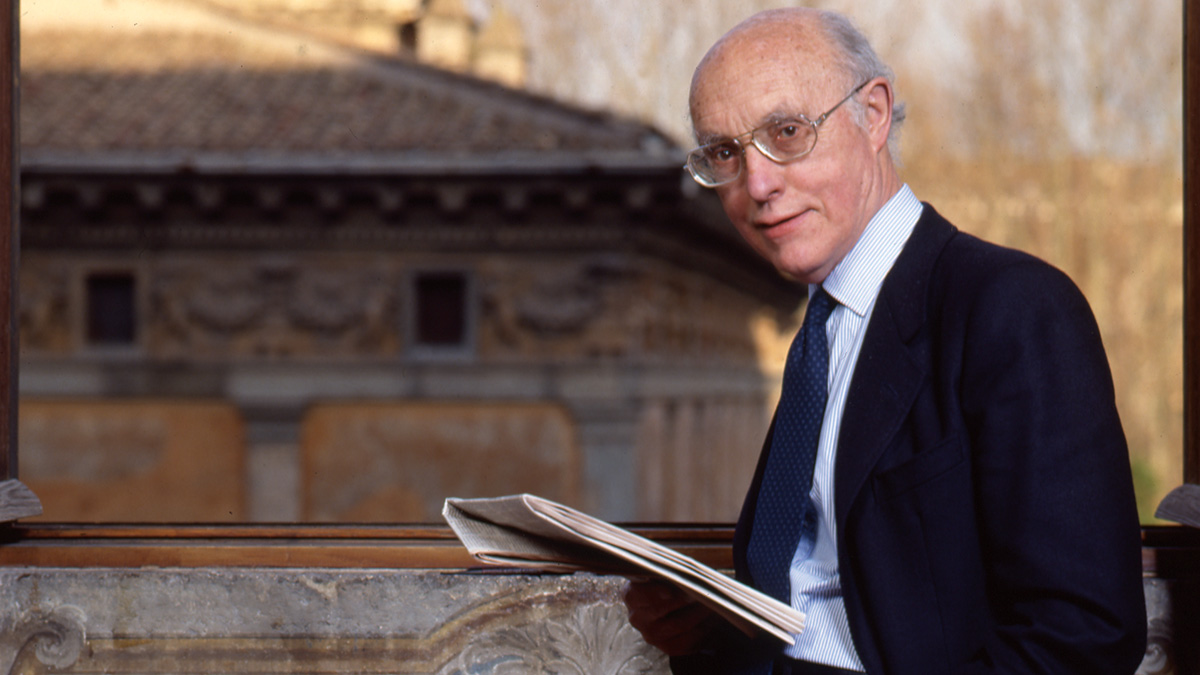
Luigi Radicati, one of the eminent Italian theoretical physicists of the past century, passed away on 23 August 2019 in his home in Pisa, about 50 days before his 100th birthday.
Born in Milan, Radicati received his laurea in physics from the University of Torino under the supervision of Enrico Persico in 1943, and became the assistant professor of Eligio Perucca at Torino Polytechnic in 1948. In between this, during the Second World War he was also a member of a partisan division fighting against German occupation.
The years 1951–1953, which Radicati spent as a research fellow at the University of Birmingham in the group of Rudolf Peierls, had a major impact on his training. Then, in 1953 Radicati became a professor of theoretical physics, first at the University of Naples and two years later at the University of Pisa. In 1962 Radicati was finally called to the Scuola Normale Superiore (SNS) in Pisa as one of two professors in the “Classe di scienze”, the other being the great mathematician Ennio De Giorgi. Radicati remained at SNS until 1996, acting as vice-director between 1962 and 1964, and director between 1987 and 1991.
Luigi Radicati can be remembered for two main reasons: the special role that he attributed to symmetries; and the broadness of his interests in physics, as in the relations between physics and other disciplines. His most important and well known physics results stem from the early 1960s. After working with Paolo Franzini to show evidence for SU(4) symmetry in the classification of nuclear states, introduced by Wigner in 1937, in 1964 Radicati proposed, together with Feza Gürsey, the enlargement of SU(4) to SU(6) as a useful symmetry of hadrons. Gell-Mann had introduced the SU(3) symmetry in 1962 and at the beginning of 1964 had proposed, simultaneously with George Zweig, the notion of quarks. The SU(6)-subgroup SU(3) × SU(2) puts together Gell-Mann’s SU(3) with the spin SU(2) symmetry, thus unifying in single multiplets the pseudo-scalar together with the vector mesons and the J = 1/2 together with the J = 3/2 baryons. At a deeper level, SU(6) gave momentum to view the quarks as real entities obeying peculiar statistics, preliminary to the introduction of colour.
In the latter part of the 1960s Radicati began turning his attention to astrophysics, gravity, plasma physics and statistical physics. Here it is worth mentioning the long-lasting collaboration with Emilio Picasso, which started in 1977 during a discussion in the CERN cafeteria: the use of a gravitational-wave detector consisting of a system of two radio-frequency cavities, coupled to create a two-level system with a tunable difference between their oscillation frequencies.
Radicati’s collaborations brought frequent visits of eminent physicists to Pisa, among them Freeman Dyson, Feza Gürsey, T D Lee, Louis Michel, Rudolf Peierls, David Speiser and John Wheeler. Most of all, Radicati played a prominent role in bringing from CERN to the SNS Gilberto Bernardini, who acted as SNS director from 1964 to 1977, and Emilio Picasso, who was SNS director from 1992 to 1996.
Radicati was a member of the Accademia Nazionale dei Lincei from 1966, named Chevalier de la Légion d’Honneur and Doctor Honoris Causa at the École Normale in Paris in 1994, and was awarded the honour of Cavaliere di Gran Croce of the Italian Republic in 2004. During his career, he also translated and introduced important physics books into Italy, including The Meaning of Relativity by Albert Einstein, A History of Science by William Dampier and Quantum Mechanics by Leonard Schiff.
Luigi Radicati is survived by his wife and four of his sons.
Jean-Pierre Blaser, a former director of the Swiss Institute of Nuclear Research (SIN), passed away in his home in Switzerland on 29 August 2019 at the age of 96.
In 1948 Blaser finished his physics studies at ETH Zurich, going on to participate in the development of a cyclotron at ETH built by Paul Scherrer during the Second World War. From 1952–1955 he carried out experiments with mesons at the synchrocyclotron in Pittsburgh before becoming director of the observatory in Neuchâtel from 1955–1959. In 1959 he was appointed as Scherrer’s successor and inherited from him the planning group for a new cyclotron. Originally, Scherrer wanted to copy the 88-inch cyclotron at Berkeley and use it for research in nuclear physics, but Blaser wanted something more ambitious. After receiving advice from accelerator experts at CERN, among them Pierre Lapostolle, he proposed a 500 MeV cyclotron for the production of mesons.
The key for such a meson factory was to extract the high-intensity proton beam with very low losses. The leader of Blaser’s cyclotron group, Hans Willax, realised that a conventional cyclotron would have high losses at extraction and in 1962 had the brilliant idea to break up the cyclotron magnets into separate sectors to leave space for high-voltage cavities. Blaser immediately supported the idea and pushed to get this expensive project approved by the Swiss government. Against all odds and against some strong opposition, he finally succeeded. In 1968 he founded SIN in Villigen and was its director for the next 20 years.
In a last-minute decision, based on results of CERN experiments which showed that the production of pions would strongly increase with energy, the energy of the SIN cyclotron was increased from 500 to 590 MeV. Even top accelerator specialists like the late Henry Blosser had doubts that the SIN crew would reach the ambitious design goal of a 100 μA beam current. But Blaser and Willax were convinced, anticipating that the original 72 MeV injector cyclotron would be the limiting factor and eventually would have to be replaced. In January 1974 the first protons were extracted from the ring, and at the end of 1976 the design current of 100 μA was reached. More highlights followed, right up to 2009 with 2.4 mA protons at 590 MeV and a new world record of 1.4 MW in average beam power achieved – a record that still holds today. These results gave Blaser great satisfaction, even after his retirement in 1990. Before that date he initiated in 1988 the new Paul Scherrer Institute (PSI), a combination of SIN and the neighbouring reactor institute EIR.
From the start of the accelerator project, Blaser saw the potential of particle beams to irradiate tumours. The first step, for which a superconducting solenoid was constructed, was to use pions for the treatment of deep-seated tumours. In 1984 the irradiation of eye tumours started, using protons, and to date more than 7000 patients have been treated. Later, a new superconducting cyclotron was acquired and two more gantries are now in operation. Blaser strongly supported all activities in the medical application of cyclotrons, and gave his advice to a new cyclotron project in South Africa – becoming elected as a foreign associate of the Royal Society of South Africa for his efforts.
Jean-Pierre Blaser was blessed with great intuition based on a thorough knowledge of the basic laws of physics. He was open to new and unconventional ideas and he fully motivated young scientists with his trust in their abilities. In his free time he enjoyed exploring the landscapes of Switzerland either by foot or as a pilot with a light aeroplane. But his top priority was his family. He enjoyed enormously the company of his wife Frauke, their two daughters Claudine and Nicole, and their four grandchildren. In Jean-Pierre, his family and the accelerator community loses a great personality.
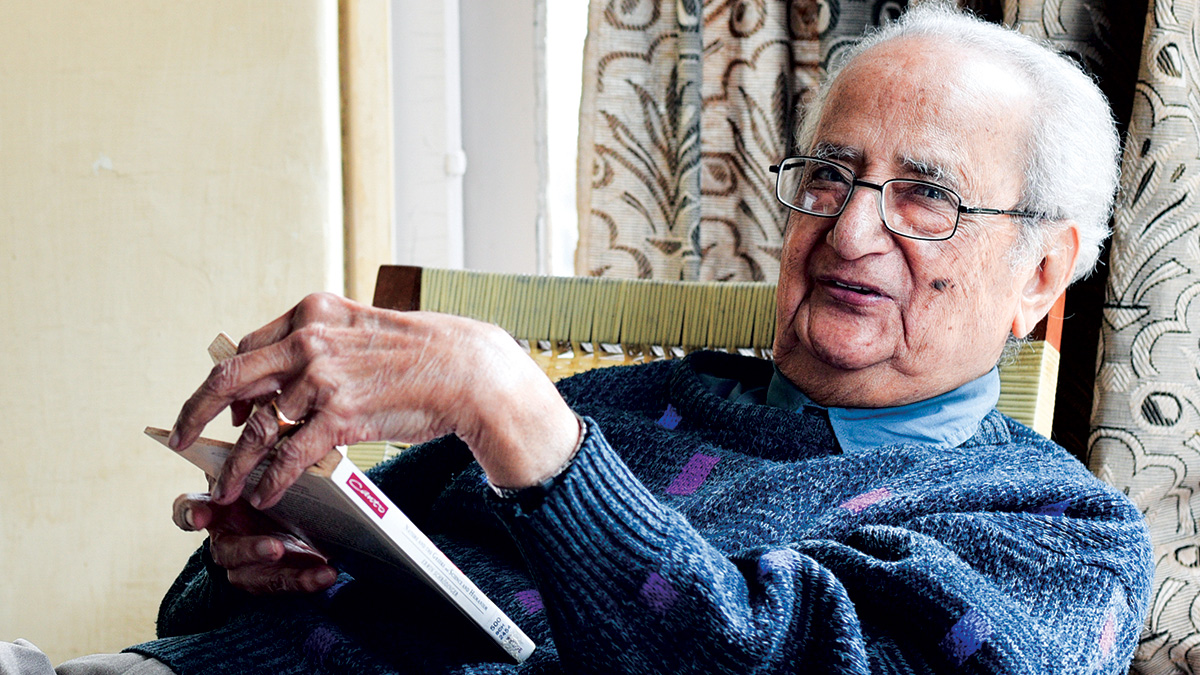
Badanaval Venkatasubba Sreekantan, a pioneering cosmic-ray physicist and a member of Homi Bhabha’s team of scientists, who played an important role in the development of post-colonial Indian science, died at his home in Bangalore on 27 October 2019.
Sreekantan was born on 30 June 1925 near Mysore in South India. After receiving his master’s degree in physics in 1947 with a specialisation in wireless technology from Mysore University, he joined the Indian Institute of Science at Bengaluru as a research scholar, where he heard about Bhabha and his newly formed Tata Institute of Fundamental Research (TIFR) in Mumbai. Attracted by Bhabha’s charisma, he joined TIFR in July 1948 and began a long, illustrious scientific career of almost 44 years.
In 1951 Bhabha sent Sreekantan down the deep Champion Reef Gold Mine at Kolar Gold Fields (KGF) near Bengaluru to measure the flux of cosmic-ray muons at varying depths. This pioneering initiative not only earned Sreekantan a PhD but also paved the way for setting up a deep underground laboratory. A series of follow-up experiments at KGF, carried out during the early 1960s, extended his previous measurements of muon intensity to the deepest level available; finally, after reaching a depth of 2700 m, recording no muons after two months of exposure. Sreekantan and his collaborators realised that such a deep underground site with minimal cosmic-ray muon background would be an ideal site to detect atmospheric neutrinos. A series of seven neutrino telescopes were quickly set up at a depth of 2300 m and in early 1965 they recorded the first atmospheric-neutrino event, contemporaneously with the detection from another underground neutrino experiment set up by Fred Reines in a South African mine. It was an important milestone, given how important the study of neutrinos underground would later become.
During early 1980s Sreekantan and his collaborators built two detectors, one at a depth of 2300 m and the other at 2000 m, to study the stability of the proton. These two experiments ran for more than a decade and put strong limits on the proton lifetime. He was also instrumental in starting a high-altitude cosmic-ray laboratory at Udhagamandalam (Ooty) in the State of Tamil Nadu to study the hadronic components of cosmic-ray showers.
Sreekantan quickly recognised the importance of the emerging field of X-ray astronomy for probing high-energy processes in the universe. In 1967 he started balloon-borne experiments to study cosmic X-ray sources and built a strong group that went on to develop expertise in the fabrication of highly sophisticated X-ray detectors for space-borne astronomy missions. The multi-wavelength astronomy observatory Astrosat, launched by the Indian Space Research Organisation in September 2015, is a testimony to the strength of the group. A very high-energy gamma-ray observation programme using the atmospheric Cherenkov technique, which was started by Sreekantan and his collaborators in Ooty in the 1970s, is being continued in Ladakh with a low-energy threshold.
Sreekantan became director of TIFR in 1975, and over the next 12 years steered the institute with distinction and left a rich legacy of high-quality research programmes as well as several new TIFR centres and field stations. In 1992, after a long and eventful scientific carrier at TIFR, Sreekantan moved to Bengaluru and was offered a chair at the newly created National Institute of Advance Studies. His research interest shifted from physical sciences to the philosophical aspects of science and in particular to the abstract topic of consciousness and its scientific and philosophical basis. He remained an alert and active researcher and was engaged in his academic activities with great eagerness until the very end. His death marks the end of a glorious chapter of experimental cosmic-ray research in India.
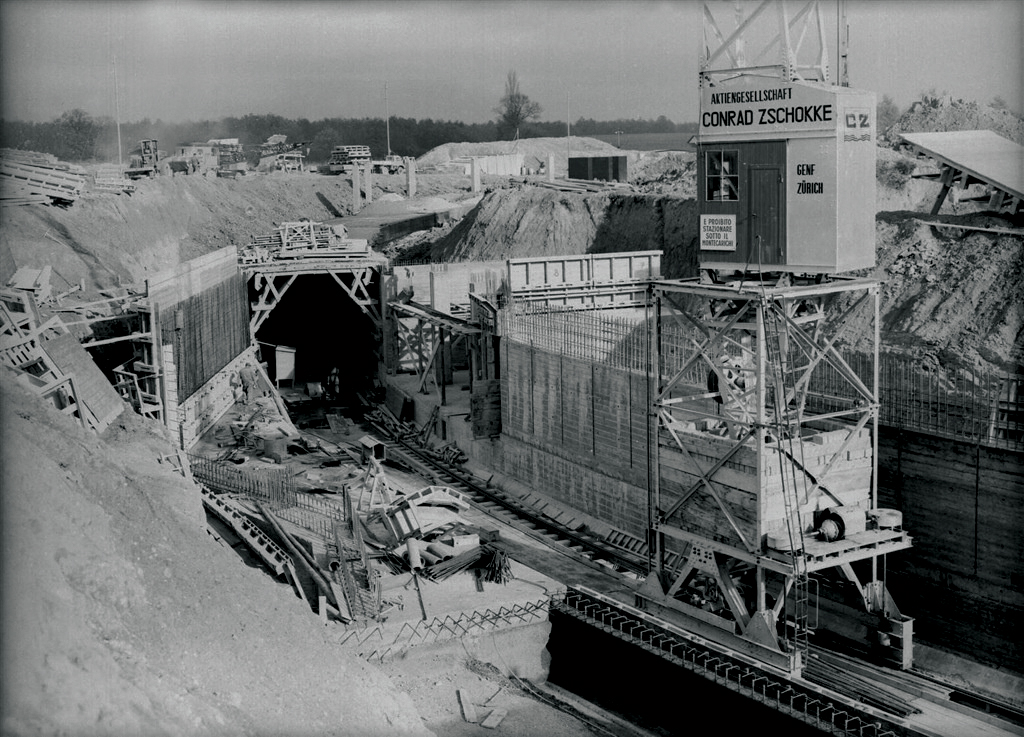
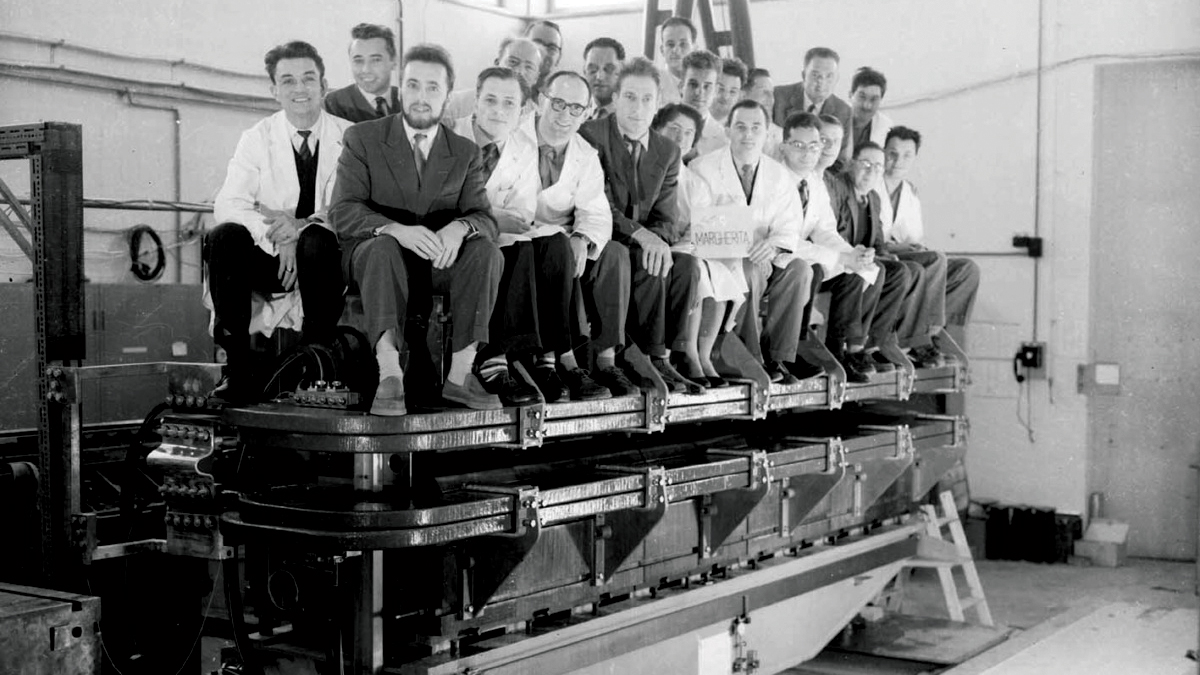
On 24 November 1959, CERN’s Proton Synchrotron (PS) first accelerated beams to an energy of 24 GeV. 60 years later, it is still at the heart of CERN’s accelerator complex, delivering beams to the fixed-target physics programme and the LHC with intensities exceeding the initial specifications by orders of magnitude. To celebrate the anniversary a colloquium was held at CERN on 25 November 2019, with PS alumni presenting important phases in the life of the accelerator.
The PS and its sister machine, Brookhaven’s Alternating Gradient Synchrotron, are the world’s oldest accelerators
The PS is CERN’s oldest operating accelerator, and, together with its sister machine, the Alternating Gradient Synchrotron (AGS) at Brookhaven National Laboratory in the US, one of the two oldest still operating accelerators in the world. Both designs are based on the innovative concept of the alternating gradient, or strong-focusing, principle developed by Ernest Courant, Milton Stanley Livingston, Hartland Snyder and John Blewett. This technique allowed a significant reduction in the size of the vacuum chambers and magnets, and unprecedented beam energies. In 1952 the CERN Council endorsed a study for a synchrotron based on the alternating-gradient principle, and construction of a machine with a design-energy range from 20 to 30 GeV was approved in October 1953. Its design, manufacture and construction took place from 1954 to 1959. Protons made first turns on 16 September 1959, and on 24 November beam was accelerated beyond transition and to an energy of 24 GeV. On 8 December the design energy of 28.3 GeV was reached and the design intensity exceeded, at 3 × 10¹⁰ protons per pulse.
The PS has proven to be a flexible design, with huge built-in potential. Though the first experiments were performed with internal targets, extractions to external targets were soon added to the design, and further innovative extraction schemes were added through the years. On the accelerator side, the intensity was progressively ramped up, with the commissioning of the PS Booster in 1972, the repeated increase of the injection energy, and many improvements in the PS itself. Through the years more and more users requested beam from the PS, for example the EAST area, antiproton physics, and a neutron time-of-flight facility.
With the commissioning of the ISR, SPS, LEP and LHC machines, the PS took on a new role as an injector of protons, antiprotons, leptons and ions, while continuing its own physics programme. A new challenge was the delivery of beams for the LHC: these beams need to be transversely very dense (“bright”), and have a longitudinal structure that is generated using the different radio-frequency systems of the PS, with the PS thereby contributing its fair share to the success of the LHC. And there are more challenges ahead. The LHC’s high-luminosity upgrade programme demands beam parameters out of reach for today’s injector complex, motivating the ambitious LHC Injectors Upgrade Project. Installations are now in full swing, and Run 3 will take CERN’s PS into a new parameter regime and into another interesting chapter in its life.
The LHC will restart in May 2021, marking the beginning of Run 3, announced the CERN management on 13 December. Beginning two months after the initially planned date, Run 3 will be extended by one year, until the end of 2024, to maximise physics data taking. Then, during long-shutdown three between 2025 and mid-2027, all of the equipment needed for the high-luminosity configuration of the LHC (HL-LHC) and its experiments will be installed. The HL-LHC is scheduled to come into operation at the end of 2027 and to run for up to a decade. Its factor-five or more increase in levelled luminosity is driving ambitious detector upgrade programmes among the LHC experiments. The experiments are replacing numerous components, even entire subdetectors, often working at the limits of current technology, to increase their physics reach. The extra time incorporated into the new schedule will enable the collaborations to ready themselves for Run 3 and beyond.
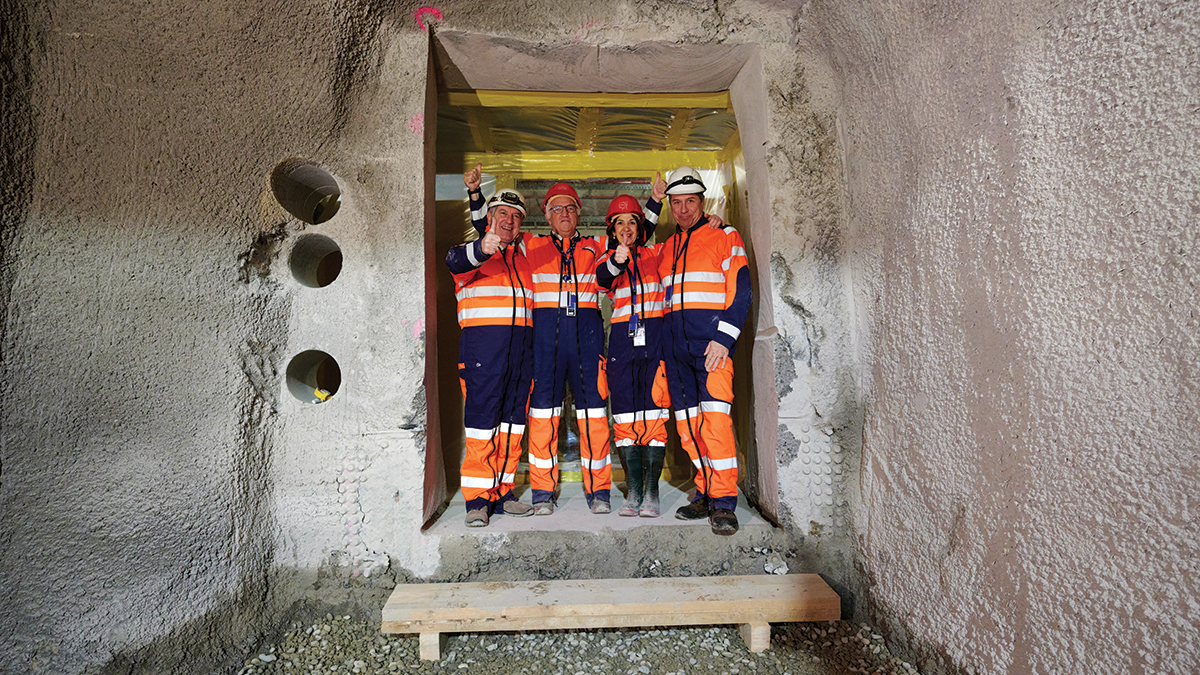
Since the start of long-shutdown two in December 2018, extensive upgrades of CERN’s accelerator complex and experiments have been taking place. The pre-accelerator chain is being entirely renovated as part of the LHC Injectors Upgrade project, and new equipment is being installed in the LHC, while development of the HL-LHC’s Nb3Sn magnets continues above ground. On the morning of 13 December, civil engineers made the junction between the underground facilities at Points 1 and 5 of the accelerator – linking the HL-LHC to the LHC, and marking the latest project milestone (see image).
“The HL-LHC is in full swing and the machine and civil engineering is on track,” says Lucio Rossi, HL-LHC project leader. “The schedule is drawn up in a global way, taking into account every aspect of the machine, experiment and infrastructure readiness, entirely with the aim to maximise the physics. The overall HL-LHC timetable is flexible in the sense that it will depend on actual results.”
Hard-scattering processes in hadronic collisions generate parton showers – highly collimated collections of quarks and gluons that subsequently fragment into hadrons, producing jets. In ultra-relativistic nuclear collisions, the parton shower evolves in a hot and dense quark–gluon plasma (QGP) created by the collision. Interactions of the partons with the plasma lead to reduced parton and jet energies, and modified properties. This phenomenon, known as jet quenching, results in the suppression of jet yields – a suppression that is hypothesised to depend on the structure of the jet. High-momentum shower components with a large angular separation are resolved by the medium, however, it is thought that the plasma has a characteristic angular scale below which they are not resolved, but interact as a single partonic fragment.
Using 5.02 TeV lead–lead collision data taken at the LHC in 2018 and corresponding pp data collected in 2017, ATLAS has measured large-radius jets by clustering smaller-radius jets with transverse momenta pT > 35 GeV. (This procedure suppresses contributions from the underlying event and excludes soft radiation, so that the focus remains on hard partonic splittings.) The sub-jets are further re-clustered in order to obtain the splitting scale, √d12, which represents the transverse momentum scale for the hardest splitting in the jet – a measure of the angular separation between the high-momentum components.
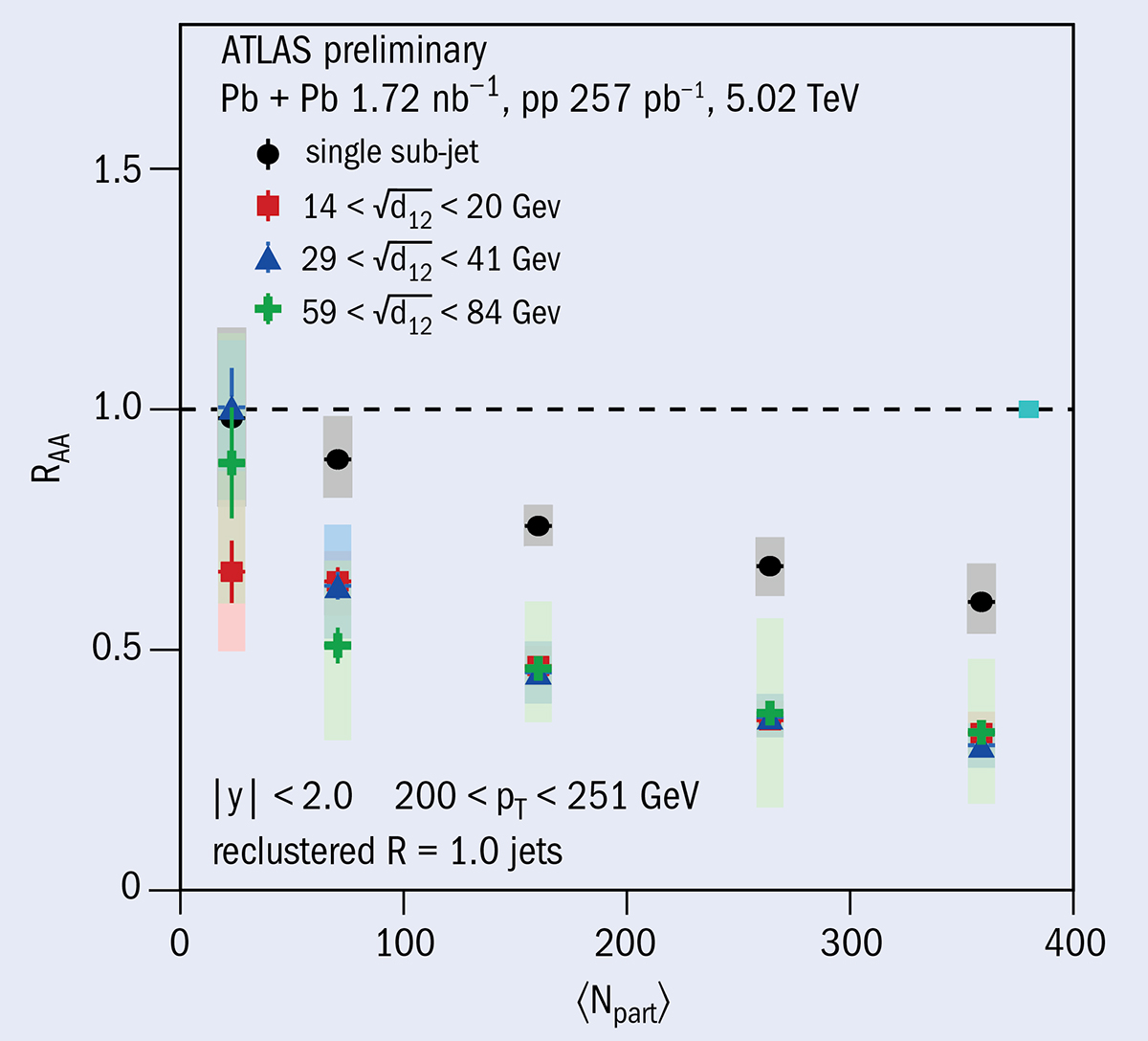
ATLAS has investigated the effect of the splitting scale on jet quenching using the nuclear modification factor (RAA), which is the ratio between the jet yields measured in lead–lead and pp collisions, scaled by the estimated average number of binary nucleon–nucleon collisions. An RAA value of unity indicates no suppression in the QGP, whereas a value below one indicates a suppressed jet yield. The measurement is corrected for background fluctuations and instrumental resolution via an unfolding procedure.
The figure shows RAA for large-radius jets as a function of the average number of participating nucleons – a measure of the centrality of the collision, as glancing collisions involve only a handful of nucleons, whereas head-on collisions involve a large fraction of the 207 or so nucleons in each lead nucleus. RAA is presented separately for large-radius jets with a single isolated high-momentum sub-jet and for those with multiple sub-jets in three intervals of the splitting scale √d12. As expected, jets are increasingly suppressed for more head-on collisions (figure 1). More pertinently to this analysis, and for all centralities, yields of large-radius jets that consist of several sub-jets are found to be significantly more suppressed than those that consist of a single small-radius jet. This observation is qualitatively consistent with the hypothesis that jets with hard internal splittings lose more energy, and provides a new perspective on the role of jet structure in jet suppression. Further progress will require comparison with theoretical models.
To provide the best experiences, we use technologies like cookies to store and/or access device information. Consenting to these technologies will allow us to process data such as browsing behavior or unique IDs on this site. Not consenting or withdrawing consent, may adversely affect certain features and functions.
Functional
Always active
The technical storage or access is strictly necessary for the legitimate purpose of enabling the use of a specific service explicitly requested by the subscriber or user, or for the sole purpose of carrying out the transmission of a communication over an electronic communications network.
Preferences
The technical storage or access is necessary for the legitimate purpose of storing preferences that are not requested by the subscriber or user.
Statistics
The technical storage or access that is used exclusively for statistical purposes.The technical storage or access that is used exclusively for anonymous statistical purposes. Without a subpoena, voluntary compliance on the part of your Internet Service Provider, or additional records from a third party, information stored or retrieved for this purpose alone cannot usually be used to identify you.
Marketing
The technical storage or access is required to create user profiles to send advertising, or to track the user on a website or across several websites for similar marketing purposes.