Comsol -leaderboard other pages

Topics

Lessons in leadership

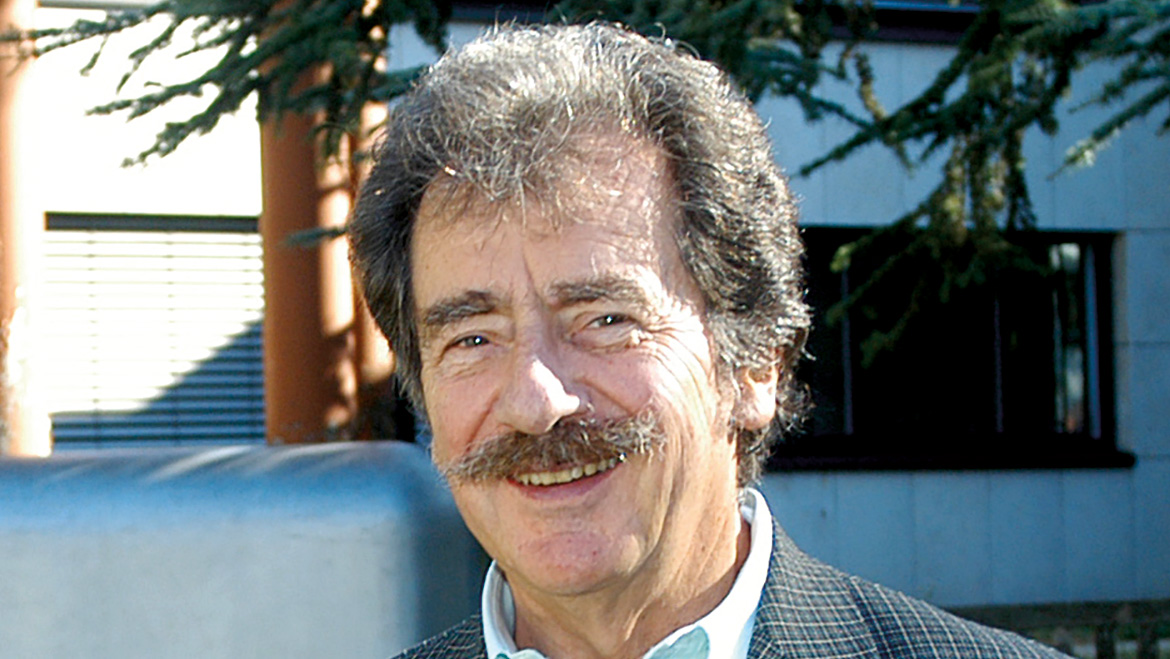
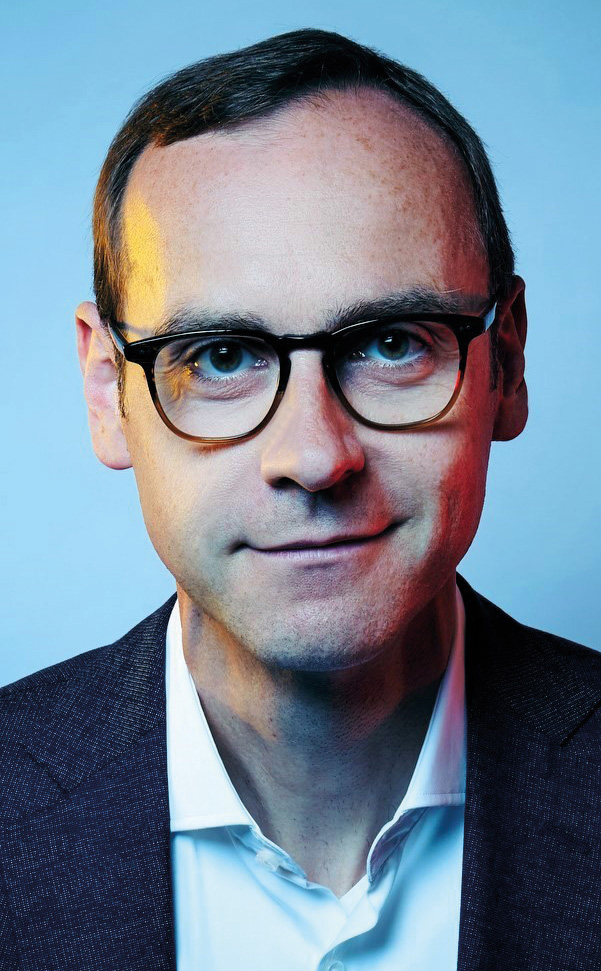
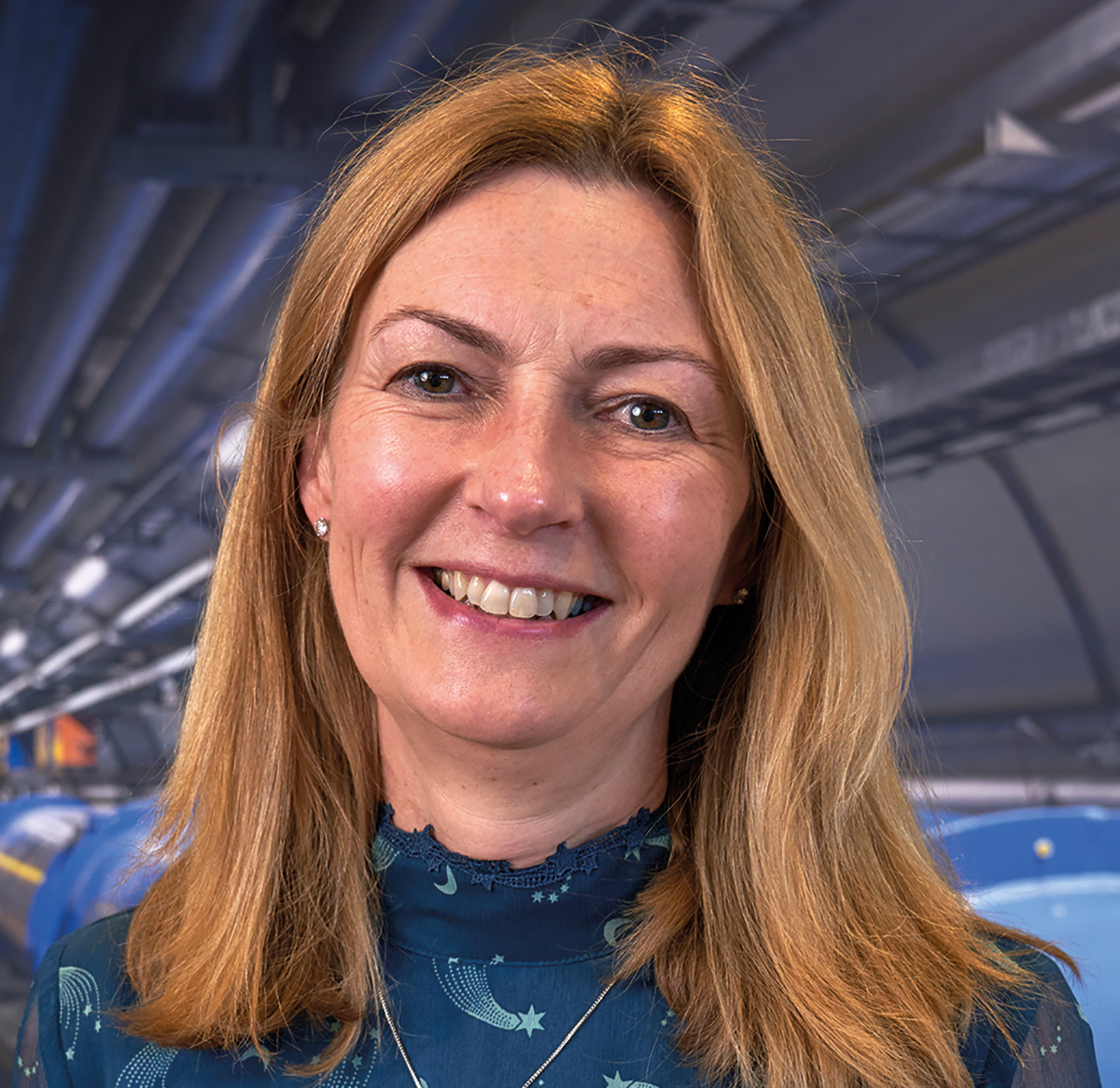
Ian Shipsey

What drew you to particle physics?

Ever since I was an undergraduate, I wanted to know why there was a lot more matter in the universe than antimatter – an asymmetry that permits us to exist. My thesis was on CP violation in the kaon system as part of the NA31 experiment at CERN. I had the opportunity to help build a muon detector and we found the first evidence that matter and antimatter behave differently as they disintegrate; subsequently established with greater significance by NA48 and by KTeV at Fermilab. NA31 was a wonderfully nurturing environment with many brilliant physicists. Like many European students at that time, I was strongly encouraged to head to the US for post-PhD finishing school and decided to join the CLEO experiment at the Cornell Electron Storage Ring (CESR) – for two reasons: first, CLEO studied beauty quarks, which were expected to have much larger CP violating effects than kaons; and second because I had fallen in love with a student (now my wife, Daniela Bortoletto) working on CLEO whom I had met at CERN. CLEO was another astonishingly nurturing environment. I joined Purdue University as an assistant professor just a couple of years after arriving in the US.

How did you make the transition to the LHC experiments?

While I’d help build the CLEO muon spectrometer and worked on analyses,  there was an expectation to work on a far-future project as well. I set up a fledgling research group to develop micro pattern gas detectors (MPGDs) for the SDC collaboration at the Superconducting Super Collider (SSC). Fairly quickly we concluded that silicon microstrip and pixel detectors were a better technology choice for this application, but then, in 1993, the SSC was cancelled and a lot of people went towards the LHC. I was invited to join ATLAS due to my MPGD expertise, but I decided to focus on CLEO and the surety of great physics results, which were needed to win tenure. Shortly afterwards, with CLEO colleagues, I received a large grant to build a silicon vertex detector for CLEO III, which was commissioned successfully in 2000. Almost immediately I and my group were invited to join CMS to help build the forward silicon pixel detector. After the pixel detector was installed I was asked to co-lead the LHC Physics Center (LPC) at Fermilab. Then the LHC began operation and I moved to CERN, serving also as the co-convener of the CMS quarkonia working group. The atmosphere at CERN was electric and analysing those first LHC data was one of the most exciting moments of my career. CMS has been a wonderful, supportive environment in which to learn and grow as a physicist. Then, in 2013, I took up a position at Oxford, which is a founding member of ATLAS. I joined ATLAS in 2016 and brought with me experience with muons, silicon and data analysis. It’s very exciting to be part of ATLAS and the collaboration has been very welcoming.

What attracted you to work on the Vera C Rubin Observatory?

The Rubin Observatory is a ground-based 8.4 m, 10 square-degree field-of-view telescope that will see more of the universe at optical wavelengths in its first month of operation than all previous telescopes combined. Scheduled to start in late 2022, (but delayed by COVID-19 situation), it will revolutionise astronomical observations by conducting the Legacy Survey of Space and Time – an optical survey of faint astronomical objects across the entire sky every three nights, enabling precision dark-energy measurements, studies of dark matter and opening a movie-like window on objects that change or move on rapid timescales. I have been a member since 2007, when I was asked to help out in the pitch to the US Department of Energy (DOE) to participate in the project. The scope of particle physics was broadening and the US national laboratories engaged in particle physics had significant capabilities, for example in silicon detector construction, that were an excellent match to the technical challenges of building the Rubin Observatory’s 3 Gigapixel CCD camera. We met healthy scepticism at DOE, given the completely unknown nature of dark energy. From a science perspective we found two lines of argument were useful. First, the job of particle physicists is to understand the fundamental nature of energy, matter, space and time, and in so doing to understand the origin, evolution and fate of the universe. Second, by analogy to the Higgs field and Higgs boson, the cosmological observations are consistent with dark energy being a scalar field, which if correct implies an associated scalar particle. The pitch was successful and the DOE approved funding for the construction of the CCD camera. Soon after arriving at Oxford I was asked to help make the case for UK participation in the project. Like everyone else in the Rubin Observatory community, I am eagerly anticipating first data.

Did you plan to enter scientific management?

I had no plan to be involved in scientific management of any kind! At around the time I joined CMS a few of us had been developing the idea to transform CLEO and CESR into a machine that would preferentially produce charm quarks rather than beauty quarks to test ultra-precise lattice-QCD predictions used by B-physics experiments to extract CKM matrix elements. When getting the idea funded I became the public face of the experiment, and around that time I was also elected by the collaboration to be co-spokesperson.

CLEO experiment

As CLEO entered its twilight phase, the success of the LPC led to me being elected chairperson of the CMS collaboration board in 2012. I was also elected chair of the APS division of particles and fields. Moving back to Europe I was elected head of the Oxford particle-physics group in 2014 and I was elected head of the physics department in 2018. Throughout this entire period, leadership roles have occupied about 50% of my working day, which has meant that to get research done I tend to be connected to my laptop until the early hours on most days. Fortunately, five to six hours of sleep each night is sufficient. I have also been blessed with wonderful colleagues, students, postdocs, and administrative support. In my opinion the best leaders are those people who don’t want to be leaders per se, and I think I was selected for this reason. Particle physics is a team effort, quite distinct to the way an army or a corporation is organised. Our leaders are not generals or CEOs, but colleagues called to serve for a time before returning to the rank and file.

How did you wind up leading the quantum-sensor programme for the UK’s Quantum Technologies initiative?

In 2017 the DOE invited me and a colleague to articulate the case for quantum sensing in particle physics. We co-organised a workshop bringing together many disparate communities from which an influential whitepaper (arXiv.org:1803.11306) emerged and contributed to the creation of a new DOE-funded quantum-sensing programme in 2018. I then conducted a similar activity in the UK at the invitation of the Science and Technology Facilities Council (STFC), bringing together the particle-physics and particle-astrophysics community with the atomic, molecular and optical and condensed-matter communities to form a Quantum Sensing for Fundamental Physics (QSFP) consortium, targeting strategic UK government funding to support interdisciplinary research. STFC announced around £40M for the programme in September 2019 and a call for proposals led to the identification of seven projects for funding, for which an official announcement is imminent. I am a member of one of them: AION (the Atom Interferometer Observatory Network).

What is driving current interest in quantum technologies?

The birth of quantum mechanics nearly 100 years ago has led to the information and communication technology that is now central to modern civilisation – sometimes referred to as the first quantum revolution. But none of the existing technologies use any of the iconic characteristics of quantum mechanics such as the uncertainty principle, superposition states, macroscopic quantum interference, or two-particle quantum entanglement. Second-generation quantum technology that exploits these phenomena is just coming online.

NA31 was a wonderfully nurturing environment with many brilliant physicists

Most well-known is quantum computing, which exhibits extraordinary capabilities and is steadily entering the scientific and corporate marketplaces. As humankind harnesses the characteristics of quantum mechanics and gains mastery over them we will witness the second quantum revolution that will transform our society in as profound a way as the first quantum revolution did. It is no different to the transistor in the 1950s: if people told you back then that transistors could change your life, no one would have believed you; now we have a billion of them in a smart phone. So we can start to harness (crudely) phenomena such as entanglement and the promise is that over the next 20–30 years we can put this technology in your phone. We can’t even begin to think what that would enable because it’s beyond our imagination. Think quantum internet, quantum liquid crystals and quantum artificial neural networks.

What do quantum technologies offer high-energy physics?

A revolution in the theory and tools of quantum mechanics has produced new sensitive measurement techniques that allow measurements to be made near the intrinsic noise limits imposed by the uncertainty principle, as well as enabling new capabilities in sensitivity, resolution and robustness. This can now be harnessed to accelerate searches for new physics including, for example, dark matter, hidden dark sectors and electric dipole moments. For decades, one way that we’ve hunted for dark-matter particles is with large detectors via nuclear recoils, but the allowable mass ranges from 10-22 eV to the Planck scale, which demands new detection technologies. Related fields that will also be impacted by quantum sensing are gravitational wave cosmology, astrophysics and fundamental tests of quantum mechanics. Quantum computing, along with traditional high-performance computing and advances in machine learning and artificial intelligence, will be absolutely necessary to analyse HL-LHC data. Quantum communication is also key to this.

What can high-energy physics contribute to quantum technologies?

Bringing the unique resources and expertise of the particle-physics community to bear on the development of quantum sensors will lead to rapid technology advances. For example, Fermilab develop high-Q superconducting RF cavities. Some searches for ultra-light dark matter use these.

Our leaders are not generals or CEOs, but colleagues called to serve for a time before returning to the rank and file

Additionally, they provide a high-coherence environment for qubits used as detectors, isolating them from a noisy environment. CERN, as the premier particle-physics laboratory in the world, will also find ways to contribute. In quantum sensing, CERN can help with its deep shafts potentially suited to atom interferometry. Several fledgling  efforts exist, and collaboration can be enhanced by structures and funding and a world lab that brings people together from a wide range of disciplines.

How has becoming profoundly deaf at the age of 29 affected your career?

I was eight-months married and had just been appointed assistant professor when suddenly I fell very ill and was diagnosed with a rare cancer of the blood and bone marrow called acute myeloid leukemia, which few people at that time survived. I underwent intense chemotherapy, which weakened my immune system and caused me to fall into a coma. The hair cells in my cochlea were destroyed as a result of the antibiotics that were medically necessary to keep me safe until my own immune system had returned, rendering me permanently deaf. I was taught to lip read but I didn’t learn to sign because in general physics is not a culture where it is used. I also didn’t develop deaf speak. However, without hearing it was a slow process to communicate. There was immense support from my colleagues at Cornell and Persis Drell, who is now Provost at Stanford, was essential in taking it to the next level because she suggested she write down what people said. Others quickly followed suit, allowing me to communicate instantly for the first time. In 2003 I had a cochlear implant installed. When I couldn’t hear, I was treated completely like everyone else. I didn’t sense any discrimination. It taught me to be positive and to believe in myself and in life. Belief is important in everything we do both as individuals and as scientific institutions. Believing a 100 km circumference future circular collider is possible is a prerequisite for it to happen – and I believe!
Brüning takes hi-lumi helm

Oliver Brüning

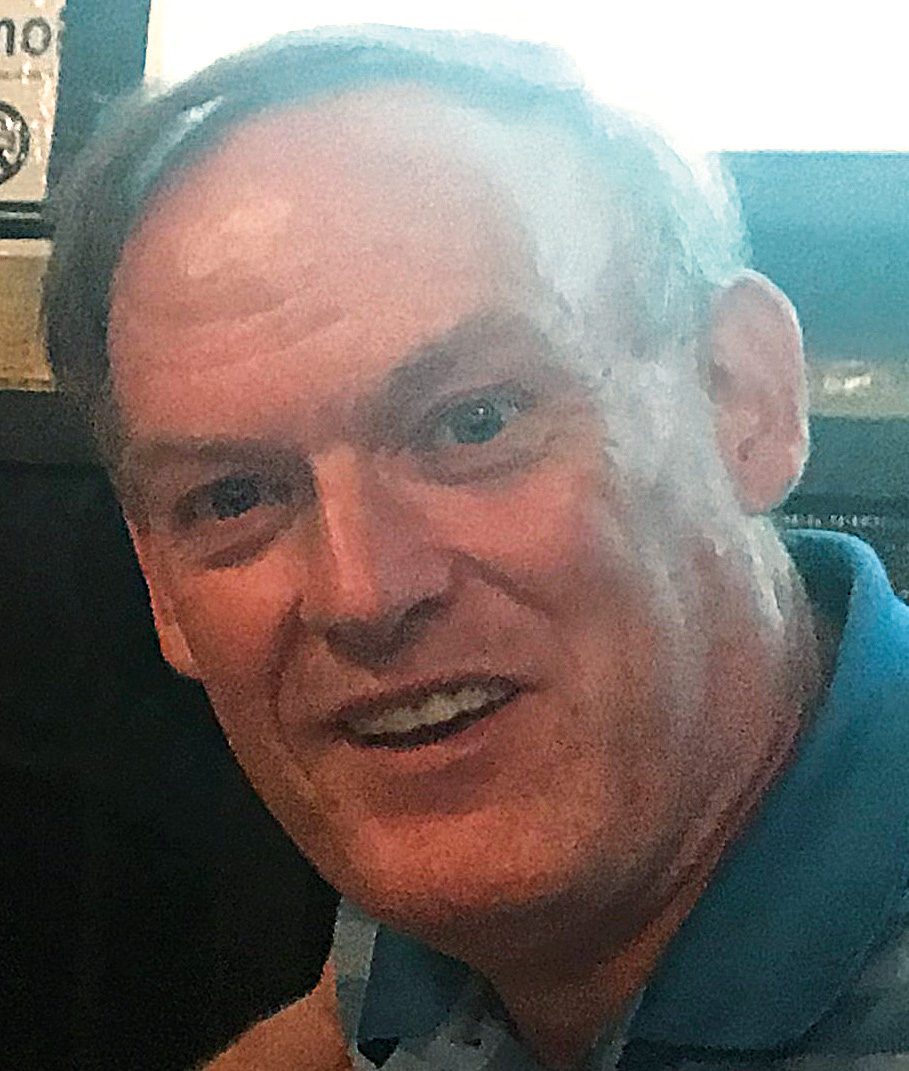
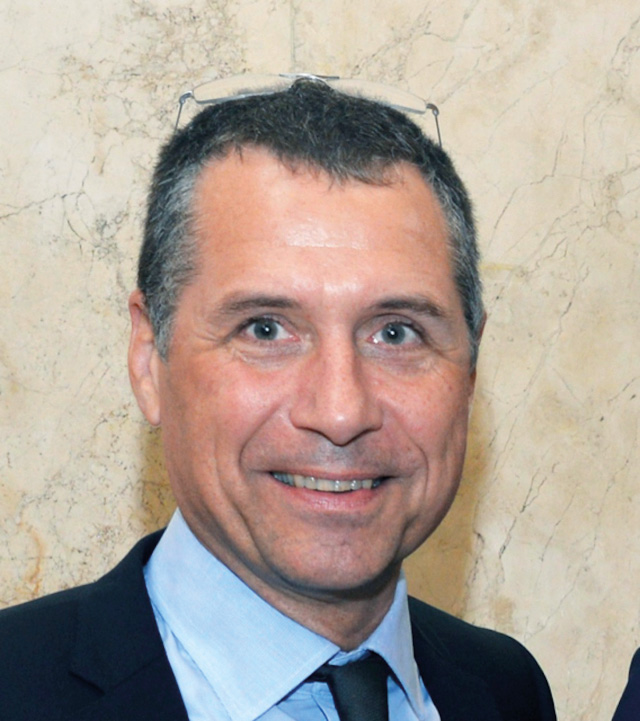
CERN’s Oliver Brüning has succeeded Lucio Rossi, who retires this year, as project leader for the High-Luminosity LHC (HL-LHC). Brüning, who completed his PhD on particle dynamics at HERA, joined CERN in 1995 one year after the LHC was approved. He has been at the forefront of accelerator and beam physics ever since, being one of the initial six machine coordinators during the LHC start-up and leading the LHC full-energy exploitation study from 2015–2019. Among the next significant steps for the HL-LHC are the testing of the first triplet quadrupole prototype, and the RF-dipole crab cavities in the SPS.

Yeck to lead EIC

Jim Yeck

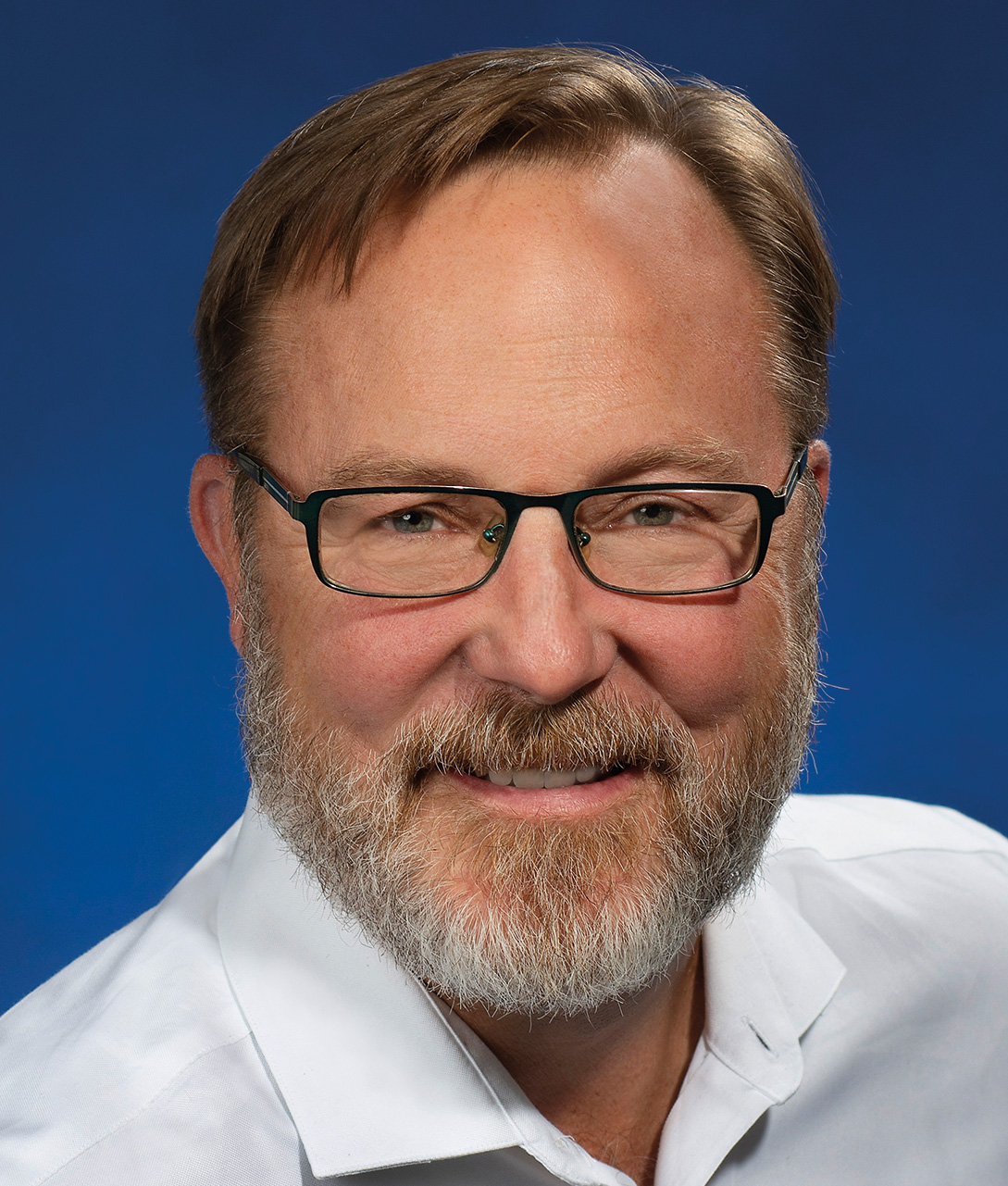
Brookhaven National Laboratory (BNL) has appointed Jim Yeck as the project director for the Electron–Ion Collider (EIC), which will open new vistas on the properties and dynamics of quarks and gluons. Yeck has held leading roles in BNL’s Relativistic Heavy Ion Collider and National Synchrotron Light Source II, the US hardware contribution to the LHC project, and the IceCube neutrino observatory. He was also former director general of the European Spallation Source. Yeck will head a newly created EIC directorate at BNL, working in partnership with Jefferson Laboratory and others. The EIC is scheduled to begin operations at BNL at the end of the decade.

Henri Laporte 1928–2020

Henri Laporte

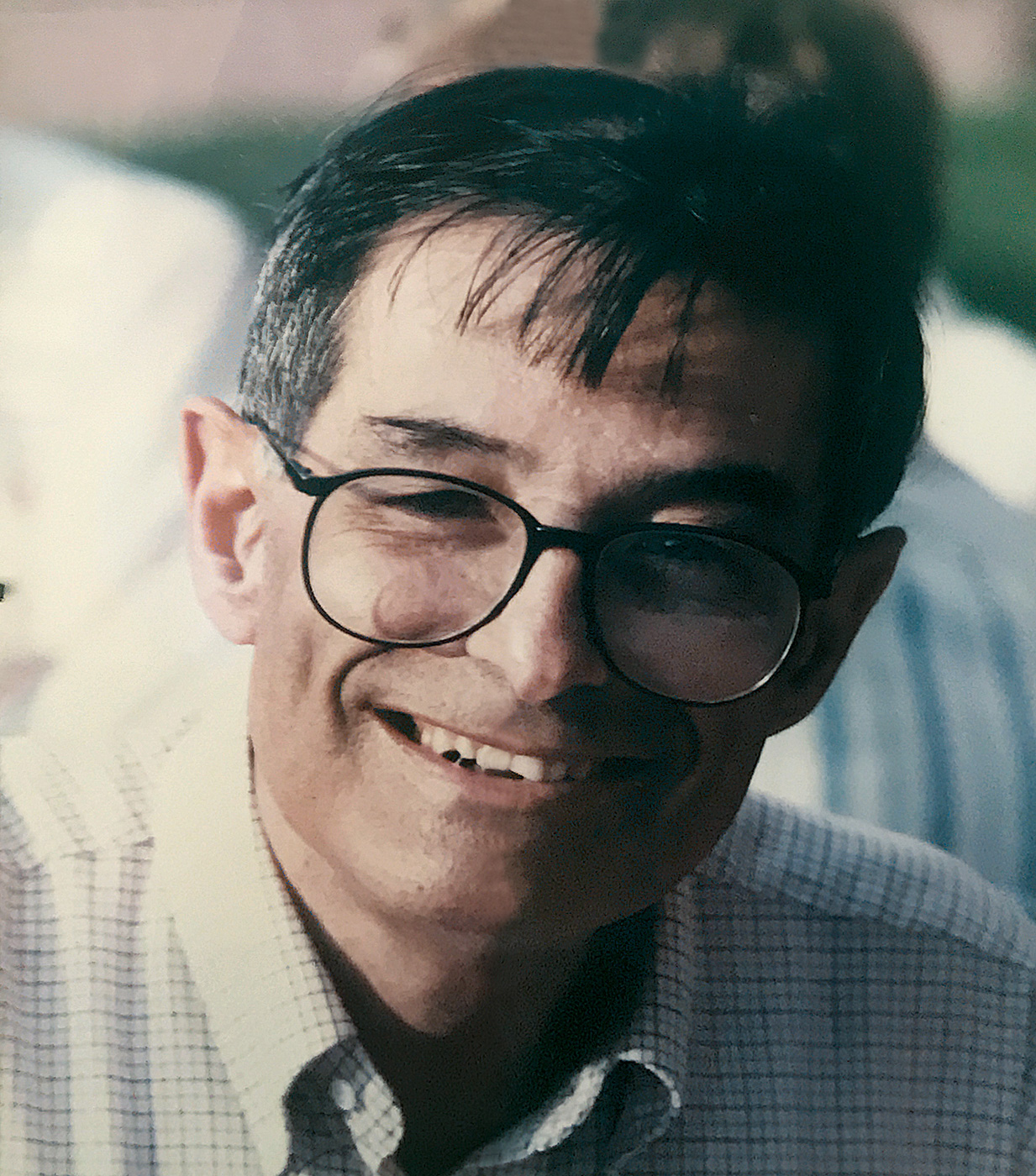
Henri Laporte, who led the civil-engineering work for the Large Electron Positron collider (LEP) at CERN, passed away on 18 May. Built in the 1980s, LEP was the biggest construction project for fundamental research ever undertaken and included the construction of the 27 km-circumference tunnel that now houses the LHC.

A native of Sète in the south of France, Laporte graduated from the École Polytechnique and École des Ponts et Chaussées, and began his career in marine engineering in the early 1950s. He was appointed as chief engineer, first for the construction of the port of Oran and then the Toulon naval base, before moving to French Polynesia in 1963 to preside over the extension of the Port of Papeete. In 1967 he was recruited by CERN to lead the technical services and buildings division.

Known for his relentless work ethic, expertise and authority, Laporte joined LEP at the start of the 1980s and was given responsibility for the hugely ambitious civil-engineering project by project leader Emilio Picasso. Before excavation could begin, however, CERN had to get the local authorities on board as the tunnel would pass underneath about 10 Swiss and French communes, and nine sites would be built on the surface. Under Robert Lévy-Mandel, who was in charge of the impact study, dozens of consultation meetings were held. Laporte shone on these occasions thanks to his oratory and interpersonal skills.

The flagship construction project began in 1983 with the excavation of 18 shafts, followed by the excavation of the tunnel itself. Three tunnel-boring machines were required to dig out 23 km’s worth of earth under the plain. Explosives were used to excavate the section of the tunnel below the Jura mountains due to fears that a geological incident could halt the progress of the machines. And such an incident did indeed occur in 1986, when high-pressure inflows of water flooded the tunnel, causing delays to the project. Laporte’s expertise and leadership were decisive in the response to this incident and throughout the project as a whole. It was a regular occurrence for him to arrive on site any time of day or night to study damage and take urgent decisions. In 1988 the tunnel was finally completed.

But the main tunnel represented less than half the total excavation work, as the ring is punctuated with access shafts, caverns and service tunnels. In addition, around 80 buildings were built on the surface. Jean-Luc Baldy, who managed the surface work, and Michel Mayoud, who was in charge of the crucial work of the surveyors, remember the trust that Laporte placed in them, giving them considerable room for manoeuvre.

Once the construction work had been completed, CERN became entangled in protracted legal proceedings involving the consortium of companies that had carried out the work. Laporte spent several years working with the CERN legal service, once more demonstrating his trademark persistence. At the arbitration tribunal, Laporte distinguished himself not only for his technical knowledge, but also his talent as an actor and his humour. He retired in 1993 and devoted himself to numerous intellectual and artistic pursuits.

Henri Laporte was a man of great curiosity and was highly knowledgeable in many fields. He will be remembered as a charismatic man, with a firm hand and great tenacity, but also someone who exuded a contagious joviality and always showed compassion towards his colleagues.

Claude Détraz 1938–2020

Claude Détraz

Claude Détraz was born on 20 March 1938 in Albi, in the south of France. He graduated from the École Normale Supérieure and began his research career at CNRS in 1962, studying atomic nuclei. Détraz then joined the Institut de Physique Nucléaire d’Orsay, founded by Irène and Frédéric Joliot Curie, which has recently been merged with its neighbouring laboratories in Orsay to form the Laboratoire de Physique des 2 Infinis Irène Joliot-Curie (IJCLab).

At CERN’s Proton Synchrotron (PS), in collaboration with Robert Klapisch’s team, he contributed to the discovery of the first evidence of deformation in exotic nuclei at a shell closure. Drawing on these results, he became convinced that the beams at the Grand Accélérateur National d’Ions Lourds (GANIL) laboratory in Caen could also become a unique tool in this field.

As director of GANIL from 1982 to 1990, he launched several research projects on exotic nuclei. The legacy of these projects is still with us today and will continue into the future. Détraz was one of the main founders of NuPECC (the Nuclear Physics European Collaboration Committee) and was its first chair from 1989 to 1992, cementing its position as the main coordinating committee for nuclear physics in Europe.

In 1991 Détraz became a technical adviser in the office of the French minister for research, Hubert Curien. Through his involvement with decision-making bodies at all levels in France, Détraz made a major contribution to ensuring that the LHC project was approved in 1994. For example, he played a key role in Curien’s appointment as president of the CERN Council, a position from which he was able to exert a major influence in the final phases of the decision. As director of IN2P3 at CNRS from 1992 to 1998, he helped to provide the impetus, first with Robert Aymar and then with Catherine Cesarsky of the CEA, to France’s wholehearted participation in the LHC adventure.

Détraz made a major contribution to ensuring that the LHC project was approved in 1994

In 1999 Luciano Maiani, CERN Director-General at that time, appointed Détraz as director of research, jointly with Roger Cashmore, until 2003. This was a period filled with important events for CERN, including the shutdown of LEP, the excavation of new caverns for the LHC and the start of a project to send neutrinos from CERN to the underground laboratory at Gran Sasso, to which Claude contributed substantially.

Throughout his career Détraz promoted and supported interaction between scientific disciplines. As a nuclear physicist he established strong links with particle physics. He was also one of the architects of the emergence of astroparticle physics, and received multiple honours both in France and abroad.

Détraz was a great scientist and a true visionary, who played a major role in nuclear and particle physics in France and Europe. As well as being a brilliant scientist and occupying several high-level positions, Claude was a true “Enlightenment. man” of great culture and finesse. He was a shining light of our generation.

CERN and quantum technologies

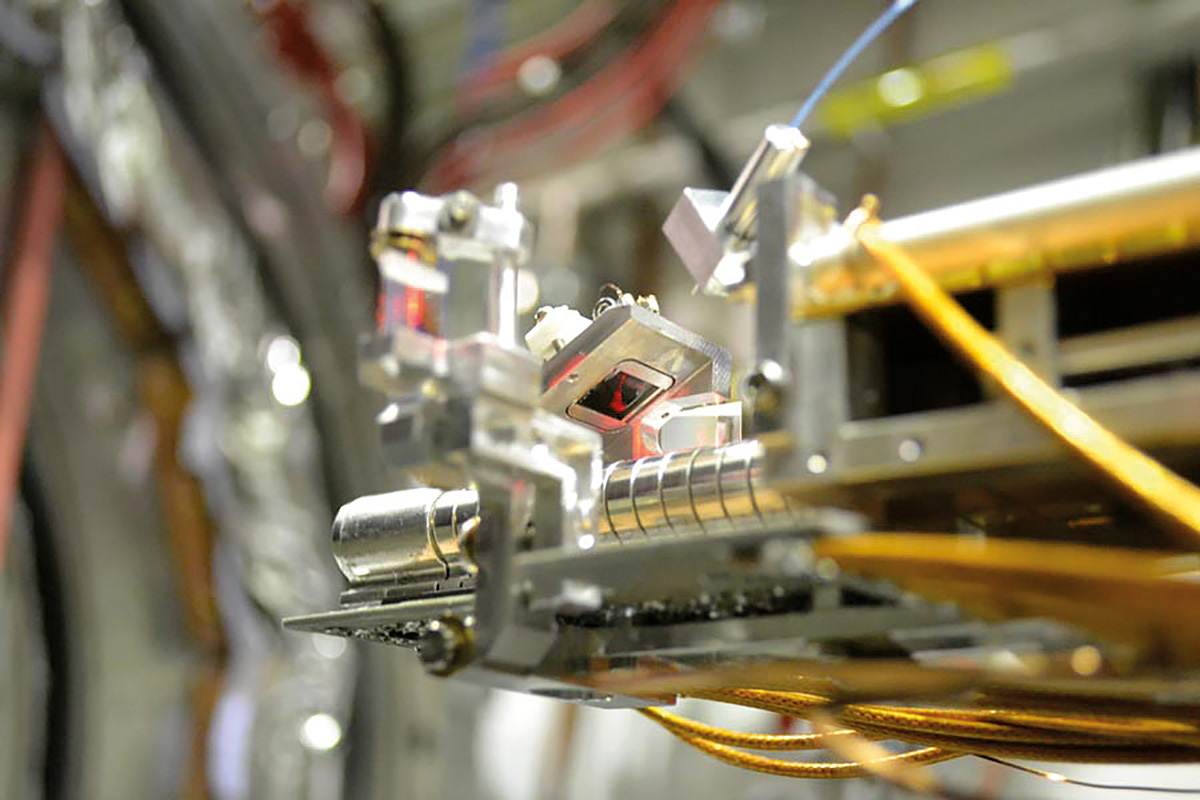
AEGIS experiment

Quantum technologies, which exploit inherent phenomena of quantum mechanics such as superposition and entanglement, have the potential to transform science and society over the next five to 10 years. This is sometimes described as the second quantum revolution, following the first that included the introduction of devices such as lasers and transistors over the past half century. Quantum technologies (QTs) require resources that are not mainstream today. During the past couple of years, dedicated support for R&D in QTs has become part of national and international research agendas, with several major initiatives underway worldwide. The time had come for CERN to engage more formally with such activities.

Following a first workshop on quantum computing in high-energy physics organised by CERN openlab in November 2018, best-effort initiatives, events and joint pilot projects have been set up at CERN to explore the interest of the community in quantum technologies (in particular quantum computing), as well as possible synergies with other research fields. In June, CERN management announced the CERN quantum technology initiative. CERN is in the unique position of having in one place the diverse set of skills and technologies – including software, computing and data science, theory, sensors, cryogenics, electronics and material science – necessary for a multidisciplinary endeavour like QT. CERN also has compelling use cases that create ideal conditions to compare classic and quantum approaches to certain applications, and has a rich network of academic and industry relations working in unique collaborations such as CERN openlab.

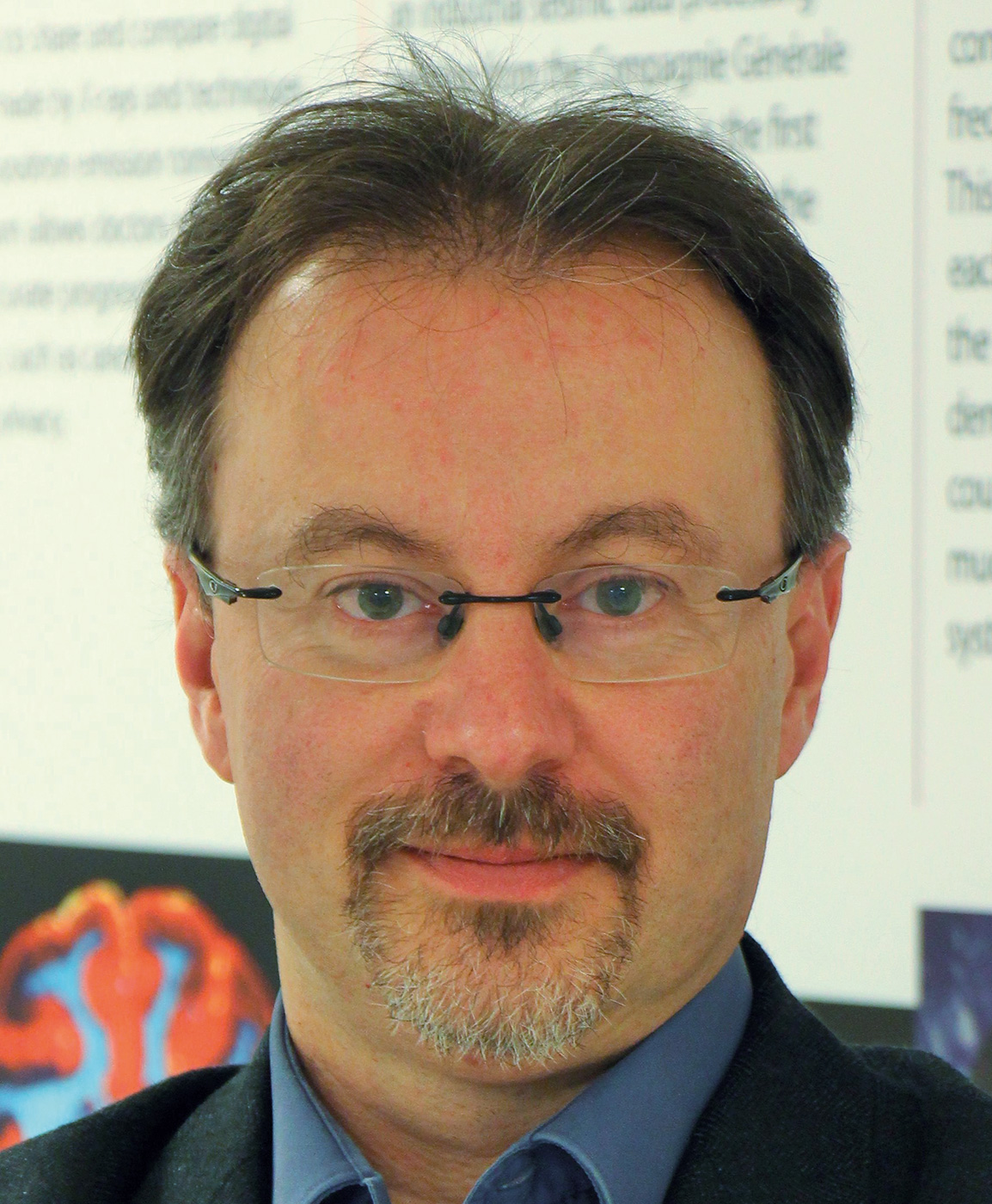
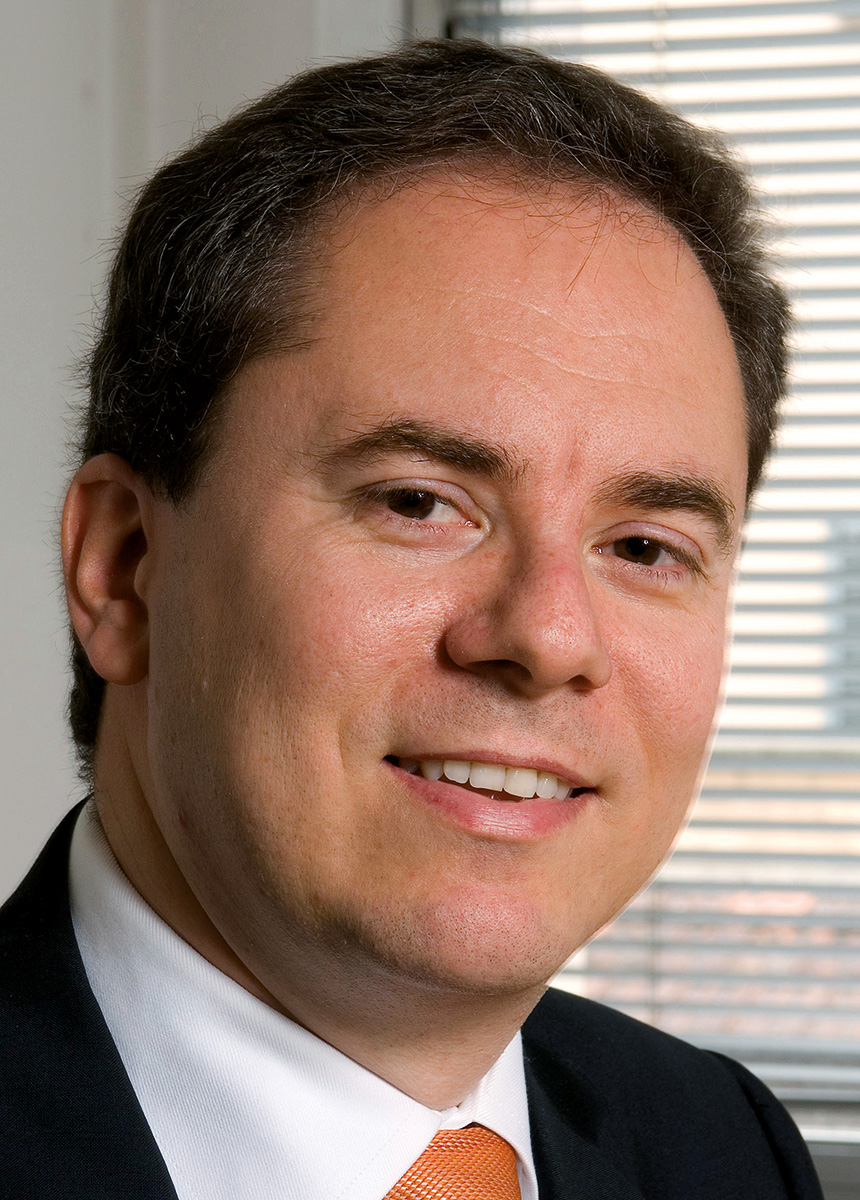
Alberto Di Meglio

Today, QT is organised into four main domains. One is computing, where quantum phenomena such as superposition are used to speed up certain classes of computational problems beyond the limits achievable with classical systems. A second is quantum sensing and metrology, which exploits the high sensitivity of coherent quantum systems to design new classes of precision detectors and measurement devices. The third, quantum communication, whereby single or entangled photons and their quantum states are used to implement secure communication protocols across fibre-optic networks, or quantum memory devices able to store quantum states. The fourth domain is quantum theory, simulation and information processing, where well-controlled quantum systems are used to simulate or reproduce the behaviour of different, less accessible, many-body quantum phenomena, and relations between quantum phenomena and gravitation can be explored – a topic at the heart of CERN’s theoretical research programme. There is much overlap between these four domains, for example quantum sensors and networks can be brought together to create potentially very precise, large-scale detector systems.

Over the next three years, the quantum technology initiative will assess the potential impact of QTs on CERN and high-energy physics on the timescale of the HL-LHC and beyond. After establishing governance and operational instruments, the initiative will work to define concrete R&D objectives in the four main QT areas by the end of this year. It will also develop an international education and training programme in collaboration with leading experts, universities and industry, and identify mechanisms for knowledge sharing within the CERN Member States, the high-energy physics community, other scientific research communities and society at large. Graduate students will be selected in time for the first projects to begin in early 2021.

Joint initiatives

A number of joint collaborations are already being created across the high-energy physics community and CERN is involved in several pilot investigation projects with leading academic and research centres. On the industry side, through CERN openlab, CERN is already collaborating on quantum-related technologies with CQC, Google, IBM and Intel. The CERN quantum technology initiative will continue to forge links with industry and collaborate with the main national quantum initiatives worldwide.

Quantum technologies have the potential to transform science and society over the next five to 10 years

By taking part in this rapidly growing field, CERN not only has much to offer, but also stands to benefit directly from it. For example, QTs have strong potential in supporting the design of new sophisticated types of detectors, or in tackling the computing workloads of the physics experiments more efficiently. The CERN quantum technology initiative, by helping structure and coordinate activities with our community and the many international public and private initiatives, is a vital step to prepare for this exciting future.

Growing the high-energy network

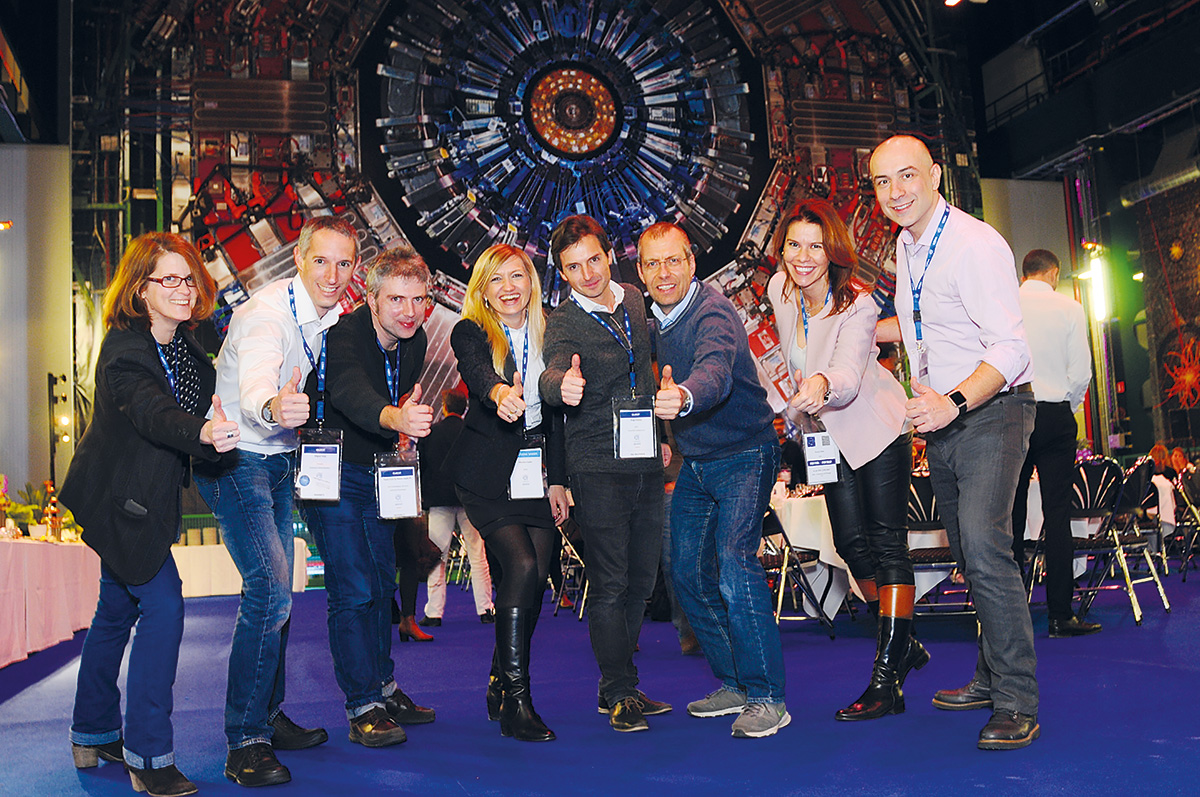
CERN Alumni First Collisions event

Since its launch in June 2017, the CERN Alumni Network has attracted more than 6300 members located in more than 100 countries. Predominantly a young network, with the majority of its members aged between 25 and 39, CERN alumni range between their early 20s up to those who are over 75. After a professional experience at CERN, be it as a user of the lab, as an associate, a student, a fellow or a staff member, our alumni venture into diverse careers in many different fields, such as computer software, information technology and services, mechanical or industrial engineering, electric/electronic manufacturing, financial services and management consulting.

The network was established to enable our alumni to maintain an institutional link with the organisation, as well as to demonstrate the positive impact of a professional CERN experience on society. Though most CERN alumni remain in high-energy physics research or closely related fields, those who wish to use their skills elsewhere, especially early-career members, will find active support in the Alumni Network.

The alumni.cern platform (also available as an app on Android and iOS) provides members with access to an exclusive and powerful network that can be leveraged as required, whether at the start of a career or later when the desire to give back to CERN is there. The platform facilitates different groups, including regional groups, interest groups (such as entrepreneurship and finance) and groups for managing the alumni of the CERN scientific collaborations. Events and selected news articles are also posted on the alumni.cern platform, and members can also benefit from messaging.

A key appeal of the platform is its jobs board, where both alumni and companies can post job opportunities free of charge. Since its launch more than 500 opportunities have been posted with 260 applications submitted directly via the platform, mostly in fields such as engineering, software engineering and data science. Several CERN alumni have found their next position thanks to the network, either directly via job postings or through networking events.

A notable success has been a series of “Moving out of Academia” networking events that showcase sectors into which CERN alumni migrate. Over the course of one afternoon, around half a dozen alumni are invited to share their experiences in a specific sector. Events devoted to finance, industrial engineering, big data, entrepreneurship and, most recently, medical technologies, have proved a great success. The alumni provide candid and pragmatic advice about working within a specific field, how to market oneself and discuss the additional skills that are advisable to enter a certain sector. These events attract more than 100 in-person participants and many more via webcast.

The Office for Alumni Relations has recently launched its first global CERN alumni survey to understand the community better and identify problems it can help to solve. The survey results will soon be shared with registered members, helping us to continue to build a vibrant and supportive network for the future.

Rachel Bray Office for CERN Alumni Relations.

Markus Pflitsch
Founder and CEO of Terra Quantum

Markus Pflitsch

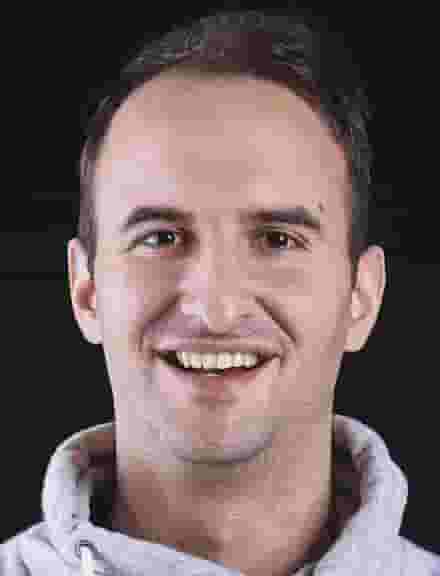
Markus joined CERN as a summer student in 1996, working on the OPAL experiment at LEP. Eager to tackle other professional challenges, upon graduating he accepted an internship with the Boston Consulting Group. “On my first day I found myself surrounded by Harvard MBAs in sleek suits, wondering what we would have in common,” he says. “I think there are two very clear reasons why companies are so keen to employ people from CERN. Number one, you develop extremely strong and structured analytical skills, and this is coupled with the second reason: a CERN experience provides you with a deep passion to perform.” In 2001 Markus returned to Germany as director of corporate development with Deutsche Bank. He enjoyed a meteoric rise in the world of finance, moving to UniCredit/HypoVereinsbank as managing director in 2005, and then to Landesbank Baden-Württemberg (LBBW), first as head of corporate development and subsequently CEO of LBBW Immobilien GmbH. The global financial crisis in 2009 led him to pursue a more entrepreneurial role, and he moved into marketing, becoming CFO and managing director of Avantgarde. After six successful years he sought some major life changes, taking three months off and discovering a passion for hiking. In 2018 Markus founded Terra Quantum to develop quantum computing. He describes it as his proudest career achievement to date, taking him back to his lifelong interest in quantum physics. “CERN gave me so much!” he says. “Recently I brought 70 entrepreneurs to CERN and they were blown away by their visit. Not only were they impressed that CERN is seeking answers to the most profound and relevant questions, but the sheer scale of project management of such a gigantic endeavour left them in complete awe.”

Maria Carmen Morodo Testa
Launch range programmatic support officer at ESA

Maria Carmen Morodo Testa

After completing her studies as a telecommunications engineer at the Polytechnic University in Barcelona, Carmen joined a multinational company in the agro-food sector specialising in automation and control systems, whilst studying for an MBA. On the university walls she spotted an advert for a staff position at CERN, which corresponded almost word for word to the position she held at the time, but in a completely different sector: CERN’s cooling and ventilation group. “So, why not?” she thought. “At CERN, I discovered the importance of being open to different paths and different ways of thinking.” In 2004, five years in to her position and with a “reasonable prospect” but no confirmation of a permanent contract, she began to think about the future. “I decided that it would be either CERN or a sister international organisation that would also give me the opportunity to take ownership of my work and shape it.” She sent a single application for an open position in the launcher department of the European Space Agency (ESA), and was successful. “I didn’t know of course if I was making a good choice and I was afraid of closing doors. But, my interest was already piqued by the launchers!” Carmen joined ESA at an exciting time, when Ariane 5 was preparing for flight. She trained on the job, largely thanks to a “work-meeting” technique that allows small teams to be fast and share knowledge and experience effectively on a specific objective, and is currently working on the Ariane 6 design project. “I do not hesitate to change positions at ESA, taking into account my technical interests, without giving too much importance to opportunities for hierarchical promotion.”

Alessandro Pasta
General manager at Diagramma

Alessandro Pasta

In 1987, then 18 year-old Alessandro was selected to take part in a physics school hosted by the Weizmann Institute of Science in Israel. His mentor Eilam Gross sparked a passion for particle physics, and Alessandro arrived at CERN in 1991 as a summer student working on micro strip gas avalanche chambers for a detector to be installed in the DELPHI experiment at LEP. His contract was extended to enable him to complete his work, and he returned to CERN in 1992 to work on DELPHI. After three glorious years, his Swiss scholarship was replaced by an Italian one with a much lower salary. A desire to buy a house and start a family forced him to consider other avenues, drawing on his hobby of computer programming. “I had a number of ongoing consultancies with external companies so I switched my hobby for my job and physics became my hobby!” Alessandro returned to Italy in 1995 as a freelance software developer designing antennas. In 1999 he joined Milan software company Diagramma, and transitioned from telecommunications to car insurance – where he was tasked with developing tools to enable customers to enter their data online and obtain the best tariff. “Nowadays, this is quite commonplace, but at the time such software did not exist,” he says. Alessandro is now general manager of Diagramma, which is developing AI algorithms to increase the efficiency of its products. He values his particle-physics experience more than ever: “It wasn’t enough to know the physics and think logically, I also had to think differently, laterally one could say. I learnt how to solve problems using an innovative approach. Having worked at CERN, I know how multi-talented these people are and I am very keen to employ such talent in my company.”

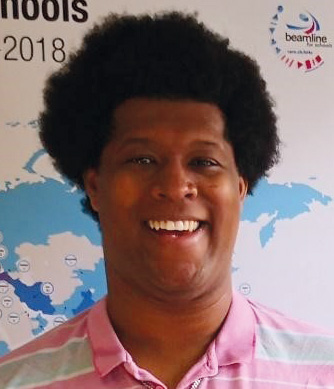
Stephen Turner
Electrical/electronic engineer at STFC

Stephen Turner

Following a Master’s degree in electrical and electronic engineering at the University of Plymouth in the UK, Stephen started working for the UK Science and Technology Facilities Council (STFC), where he sought a three-month placement as part of their graduate scheme. Having contacted an STFC scientist with CERN links “who knew someone, who also knew someone” at CERN – a scientist supporting the Beamline for Schools competition – Stephen secured his placement in the autumn of 2017. As a member of the support-scientists team, his role was to help characterise the detectors and prepare the experimental area for the students, enabling him to combine his passion for education and outreach with technical experience, where he would gain precious knowledge that could be put to use in his current role at the ISIS neutron and muon source at the Rutherford Appleton Laboratory. “My experience at CERN provided me with the bigger picture of how such user facilities are run,” he says. Whilst at Plymouth, Stephen was also involved in Engineers Without Borders UK, which works with non-governmental organisations in developing countries on projects including water sanitation and hygiene, building techniques and clean energy. Although he now has a full time job, Stephen is still an active volunteer, and his interests in public engagement and international development brought him back to CERN in 2018 to share knowledge on target manufacturing and testing with the CERN mechanical and materials engineering group. “Lots of variety, public engagement and outreach were part of the job’s remit and it has kept its promises, he says. “There are not many companies that can offer this!”

John Murray
Private investor and synthetic-biology consultant

John Murray

John arrived at CERN in 1985 as a PhD student on the L3 experiment at LEP. Every day was a new experience, he says. “My absolute favourite thing was spending time with the summer students, out on the patio of Restaurant 1 in the evenings, just chatting. Everyone was so curious and knowledgeable.” Despite the fulfilment of his experience, he decided to pursue a career in finance, reckoning it was a game he could “win”. He found his first job on Wall Street thanks to a book he had read about option pricing, realising that the equations were similar to those of quantum field theory, only easier. His employer, First Boston, soon gave him responsibility for investing the firm’s capital, and by the late 1990s he was a hedge-fund manager at Goldman Sachs. Realising that the investment world was about to go digital, he started his own company, building computer models that could predict market inefficiencies and designing trading strategies. “Finance textbooks said these sorts of things were impossible, but they were all written before the markets went digital,” he says. In recent years, John has turned his attention to synthetic biology, where he invests in and advises start-up companies. Biology is following a similar path to finance 30 years ago, he says, and the pace of progress is going to accelerate as the field becomes more quantitative. In 2018 John offered to co-found the New York group of the CERN Alumni Network. “I loved the time I spent at CERN and the energy of its people. In setting up the New York group, I want to recreate that atmosphere. I also hope to help young alumni at the beginning of their careers. I hope we can help our younger members avoid making the same mistakes we did!”

Anne Richards
CEO at a private finance services company

Anne Richards

Anne came to CERN as a summer student in 1984 and fell in love with the international environment, leading her to apply for a fellowship where she worked on software and electronics for LEP. At the end of the fellowship, she was faced with a choice. “I was surrounded by these awesomely brilliant, completely focused physicists who were willing to dedicate their lives to fundamental research. And much as I loved to be amongst them and was proud of my equipment being installed in the accelerator, I didn’t feel I had the same passion they did. I was still seeking something else.” She returned to the UK and joined a technology consultancy firm in Cambridge where she had the opportunity to run a variety of different small-scale projects. “I really enjoyed that variety, I think that was what I was seeking,” she says. “Now I know that at CERN there are varied jobs one person can do, but at that time perhaps I wasn’t mature enough to realise that.” Today, she works in investment and finance, and has actively sought out roles that allow her to travel and work with people from different places. But a return visit to CERN in 2011 added another career dimension. “A fantastically positive change had happened in my lifetime: the appreciation of the importance of science by wider society. It was time to think how to capitalise on this and help society become more engaged directly with us.” The answer was the CERN & Society Foundation, of which Anne was appointed chair and that has seen CERN proactively engage with society, leading to the future Science Gateway project dedicated to education and outreach. “When we started the foundation in 2014 we did not know how incredibly successful it was going to be. The major part of this success comes from the interest and engagement we have had from alumni.”

Bartosz Niemczura
Software engineer, Facebook

Bartosz Niemczura

Bartosz graduated with a Master’s degree in computer science from AGH University of Science and Technology in 2012. The following year he became a CERN technical student working on databases in CERN’s IT department. It was his first professional experience, and he was immediately captivated by the field of data security. Deciding to enter into a career in the area, he then applied for positions elsewhere, leading to a six-month research internship at IBM Zurich, participating in the Great Minds Programme. “My project focused on big-data analysis, an activity very closely related to my CERN project. I probably wouldn’t have been selected for the internship if I hadn’t had the CERN experience,” he explains. “It’s not just about the experience, but also the CERN reputation and prestige.” Working in a global environment with more than 20 international students was also extremely valuable. Since 2015 Bartosz has been working as a software engineer for Facebook’s product security team in Silicon Valley. “Despite the culture being slightly different at Facebook compared to CERN, I still apply the same approach I learnt at CERN,” he says. “Having learnt to communicate with people from other countries, this is highly useful for me in my current position as I now find it easier to make connections. It’s important not to close yourself off in your office. Go out and talk to people, those who have lots of experience, or who are working on something different from you, ask questions, make connections!”

Maaike Limper
Data engineering and web portal specialist at Swiss Global Services

Maaike Limper

Following a PhD on ATLAS, Maaike became a CERN openlab fellow in 2012. There was a lot to learn in moving from physics to IT, she says. “You need to understand how technology actually works: how it stores your data as bytes on the disk or how your computations can optimise the CPU usage.” Until last year, Maaike was head of aviation surface performance at Inmarsat, investigating solutions to allow aircraft passengers to have a reliable internet connection. One of her challenges was to put data from all the systems involved in passenger internet connectivity, such as ground control, satellites and aircraft together and understand where outages were experienced and why.” As a particle physicist, by contrast, Maaike was dealing with “very specific issues and no longer felt challenged”. She also didn’t warm to the ruthless competition she encountered, especially when the first LHC data were being collected and the normal collaborative spirit was slightly set aside. In her new career, which recently saw her join Swiss Global Services as a data-engineering specialist, she feels she is the expert. “I like the fact that I am constantly kept busy, challenged and, sometimes, very much stressed!” However, her particle-physics training had a useful impact on her career. “At CERN, we are very good at developing our own tools and we don’t just expect there to be a ready-made product on the market.” And Maaike is proud that the detector she worked on sits at the centre of the ATLAS experiment. “I was there, checking that each optical cable was producing the right sound once connected and that everything was working as expected. So actually, yes, a little piece of my heart is there, deep inside ATLAS.”

Panayotis Spentzouris
Head of Fermilab’s Quantum Science Program

Panayotis Spentzouris

Panayotis’s affiliation with CERN began in 1986 as an associate physicist working on a prototype of a detector for the DELPHI experiment at LEP. He moved to the US in 1990 and started a PhD, continuing his research at Fermilab, first as a Columbia University postdoc and then a junior staff scientist. Of his time at CERN he recalls the challenging experience of working for a multi-institutional, multicultural and multinational collaboration of many people of different cultures. “I remember it being a great experience with exposure to many wonderful things from machine shops to computers and scientific collaborations. It was also whilst at CERN that my first ever paper was published, when DELPHI started taking data, around 1990 I think – I was absolutely thrilled. Even though, somewhere in the middle of my career, I ended up doing a lot of computational physics, CERN is where I began my career as an experimentalist and I am always grateful for that.” He did not want to leave fundamental research, and today Panayotis is a senior scientist at Fermilab. In 2014 he was head of Fermilab’s scientific computing division and since 2018 has led Fermilab’s Quantum Science Program, which includes simulation of quantum field theories, teleportation experiments and applying qubit technologies to quantum sensors in high-energy physics experiments. Shortly afterwards, he presented the Fermilab programme to CERN openlab’s “Quantum computing for high-energy physics” event. “Coming back to CERN was actually strange, because everything had changed so much that I needed to follow signs to find my way to the cafeteria!” He would also like to see Fermilab establish an alumni network of its own. “It is good to have a sense of community, especially during difficult times when you need your community to stand up in support of your organisation.”

Cynthia Keppel
Professor, Hampton University

Cynthia Keppel

Having attended a small liberal arts college in the US where the focus was on philosophy, Thia found herself a bit frustrated. “We would discuss deep questions at length in class, and I would think:’ Can’t we test something?’ Physics seemed to be a place where people were striving to provide concrete answers to big questions, so I looked for summer internships in physics, and to my surprise I got one.” She wound up working with a group of plasma physicists who wanted an “artsy” person to make a movie visualising the solar magnetic flux cycle. “I liked learning the physics, I liked being sent off on my own, and it turned out I even liked the programming.” She went on to do a PhD in nuclear physics at SLAC and continued her research at JLab where, one night, while working late on a scintillating fibre-type particle detector, she realised that a colleague in the lab across from her was building the same type of detector – but for a project in medical instrumentation. They started to collaborate, and a few years later Thia founded the Center for Advanced Medical Instrumentation at Hampton University. More than a dozen patented technologies later, they were contacted by Hampton University’s president about proton therapy and realised that they had the know-how to build their own proton-therapy centre, which ended up being one of the largest in the world. “Having directed the centre from the start, Thia preferred the period of building, instrumenting and commissioning the facility over that of clinical operations. So she decided to set up a consulting company, which has so far helped to start 16 proton-therapy centres. “I think that my discourse-based philosophy education has been a help in learning to express ideas clearly and succinctly to people,” she says. “If you’re going to irradiate people, you must explain carefully and well why that’s a beneficial thing. Once you’re used to explaining things in plain language to potential patients or the public, you can give the same talk in a boardroom.”

This final case study is based on an article in APS Careers 2020, produced in conjunction with Physics World. All other articles are drawn from the CERN Alumni Network.

George Trilling: 1930–2020

George Trilling

George Trilling passed away in Berkeley, California, on 30 April at the age of 89. Born in Poland, he completed his PhD at Caltech in 1955 and two years later joined the University of Michigan. In 1960 he joined the faculty at the University of California, Berkeley and the scientific staff at what is now called the Lawrence Berkeley National Laboratory (LBNL). He followed Don Glaser, whose invention of the bubble chamber provided a new way to view particle interactions, and teamed up with Gerson Goldhaber.

The Trilling–Goldhaber group used bubble chambers developed at Berkeley to study K-meson interactions. In the early 1970s the group joined SLAC colleagues led by Burt Richter and Martin Perl to build the Mark-I detector for the SPEAR electron–positron collider. The Mark-I collaboration went on to discover the J/ψ resonance, charmed particles and the tau lepton. Beginning in the 1980s, the group continued their collaboration with SLAC to construct the Mark- II detector, which was first installed at SPEAR, and later moved to the higher energy PEP collider, where it enabled the measurement of the lifetime of the B meson among other important results.

George was a key figure in the many US studies in the 1980s that led to the successful proposal for the Superconducting Super Collider (SSC). He served on the SSC board of overseers and helped foster the early SSC design phase at LBNL. He initiated and led the Solenoidal Detector Collaboration, the first major experiment approved for the SSC in 1990. Despite retiring in 1994, he was instrumental in helping to organise and negotiate the US participation in the LHC. 

Throughout his career, George was asked to take on important leadership roles. At the age of 38 he became chair of the UC Berkeley physics department. From 1984 to 1987 he was director of the physics division at LBNL, where he guided a major evolution towards precision semiconductor detectors – still a dominant theme at the lab today. Work on pixel detectors for the SSC, custom ASIC design, the Microsystems Lab and the CDF silicon vertex detector all began under his leadership. The Berkeley group is now a major participant in the ATLAS collaboration at the LHC. 

A member of the National Academy of Sciences, in 2001 George served as president of the American Physical Society. He also chaired innumerable national panels, committees and task forces. We shall miss him greatly.

Brookhaven launches electron-ion collider

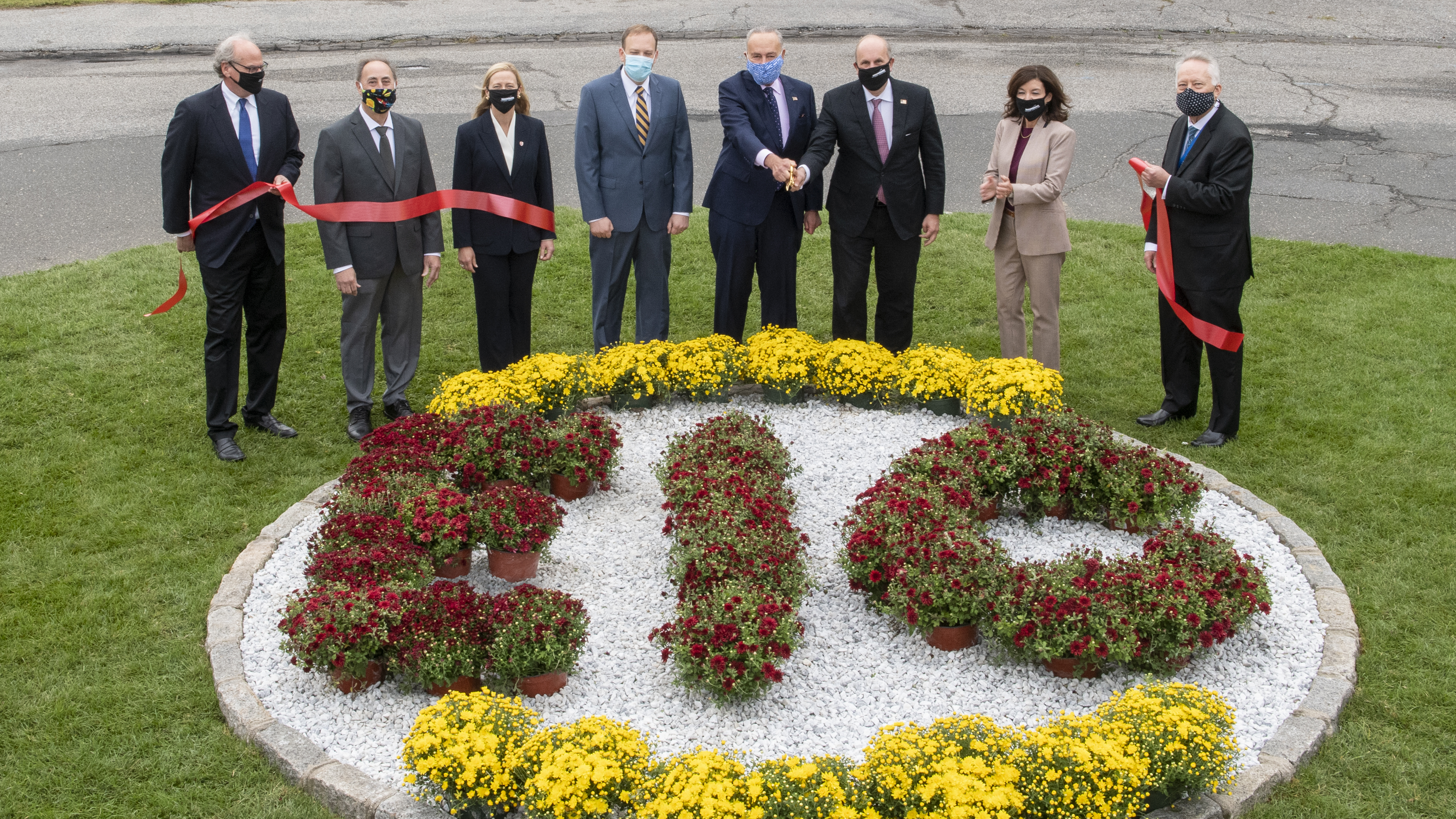
On 18 September, Brookhaven National Laboratory (BNL) officially launched the Electron-Ion Collider (EIC) — a 3.9 km-circumference collider which, once completed, will open new vistas on the properties and dynamics of quarks and gluons. The event saw elected officials from the states of New York and Virginia, in addition to senior academic representatives from BNL and beyond, voice their support for the $1.7-2.7 billion EIC, which will be built at BNL over the next decade and require the lab’s Relativistic Heavy-Ion Collider (RHIC) to be reconfigured to include a new electron storage ring to facilitate electron–ion collisions.

This project is a win-win both for scientific development and the New York economy

Andrew Cuomo

“COVID-19 has shown us how critically important it is to invest in our scientific infrastructure so we’re ready for future crises, and New York is already investing significant resources to make it a hub for scientific innovation and research,” said New York State Governor Andrew Cuomo. “The state’s $100 million investment in [the EIC] is part and parcel with that commitment, and this project is a win-win both for scientific development and the New York economy.”

The design, construction and operation of the EIC will be completed in partnership with the Thomas Jefferson National Accelerator Facility (Jefferson Laboratory). In June, BNL appointed Jim Yeck — who has held leading roles in RHIC, the IceCube neutrino observatory and the European Spallation Source — as the project director for the EIC. Yeck will head a newly created EIC directorate at BNL, working in partnership with Jefferson Laboratory and other collaborators.

“The Electron-Ion Collider, a one of a kind facility in nuclear research, is becoming a reality, and I can tell you that this news was received with great enthusiasm and excitement by the European nuclear and particle-physics communities,” said CERN Director-General Fabiola Gianotti in a video message.

Weinberg on astrophysics

Typical introductions to astrophysics range from 500 to over 1000 pages. This trend is at odds with many of today’s students, who prepare for examinations using search engines and are often put off by ponderous treatises. Steven Weinberg’s new book wisely goes in the opposite direction. The 1979 Nobel laureate, and winner last week of a special Breakthrough prize in fundamental physics, has written a self-contained and relatively short 214-page account of the foundations of astrophysics, from stars to galaxies. The result is extremely pleasant and particularly suitable for students and young practitioners in the field.

Weinberg Lectures on Astrophysics

Instead of building a large treatise, Weinberg prioritises key topics that appeared in a set of lectures taught by the author at the University of Texas at Austin. The book has four parts, which deal with stars, binaries, the interstellar medium and galaxies, respectively. The analysis of stellar structure starts from the study of hydrostatic equilibrium and is complemented by various classic discussions including the mechanisms for nuclear energy generation and the Hertzsprung-Russell diagram. In view of the striking observations in 2015 by the LIGO and Virgo interferometers, the second part contains a dedicated discussion of the emission of gravitational waves by binary pulsars and coalescing binaries.

As you might expect from the classic style of Weinberg’s monographs, the book provides readers with a kit of analytic tools of permanent value. His approach contrasts with many modern astrophysics and particle-theory texts, where analytical derivations and back-of-the-envelope approximations are often replaced by numerical computations which are mostly performed by computers. By the author’s own admission, however, this book is primarily intended for those who care about the rationale of astrophysical formulas and their applications.

Weinberg’s books always stimulate a wealth of considerations on the mutual interplay of particle physics, astrophysics and cosmology

This monograph is also a valid occasion for paying tribute to a collection of classic treatises that inspired the current astrophysical literature and that are still rather popular among the practitioners of the field. The author reveals in his preface that his interest in stellar structure started many years ago after reading the celebrated book of Subrahmanyan Chandrasekhar (An introduction to Stellar Structure), which was reprinted by Dover in the late fifties. Similarly the discussions on the interstellar medium are inspired by the equally famous monograph of Lyman Spitzer Jr. (Physical Processes in the Interstellar medium 1978, J. Wiley & Sons). For the benefit of curious and alert readers, these as well as other texts are cited in the essential bibliography at the end of each chapter.

Steven Weinberg’s books always stimulate a wealth of considerations on the mutual interplay of particle physics, astrophysics and cosmology, and the problems of dark matter, dark energy, gravitational waves and neutrino masses are today so interlocked that it is quite difficult to say where particle physics stops and astrophysics takes over. Modern science calls for multidisciplinary approaches, and while the frontiers between the different areas are now fading away, the potential discovery of new laws of nature will not only proceed from concrete observational efforts but also from the correct interpretation of the existing theories. If we want to understand the developments of fundamental physics in coming years, Lectures on Astrophysics will be an inspiring source of reflections and a valid reference.

bright-rec iop pub iop-science physcis connect