Comsol -leaderboard other pages

Topics

LHCb experiment meets theory

The 2022 edition of the yearly workshop “Implications of LHCb measurements and future prospects” from 19 to 21 October at CERN was already the 12th instance in a series of meetings between LHCb and the theory community. The large attendance, with 294 people registered, reflects the excitement of both the experimental and theory community for the physics case of LHCb. In several plenary streams the newest experimental and theoretical developments were presented in mixing and CP violation, flavour changing neutral and charged currents, QCD spectroscopy and exotic hadrons, electroweak physics (now yearly rotating with the stream on fixed target and heavy ion physics) as well as in the newly established stream on model building for flavour physics. The workshop was preceded by “Theory Lectures” about CP violation. This is a new initiative that will henceforth be held yearly in conjunction with the Implications Workshop on various topics of interest.

implications_workshop_2022

The conference opened with an overview of the LHCb experiment, where the first milestones of the Upgrade I commissioning were presented. The new fully software trigger scheme of LHCb, with the highest data processing scheme of any LHC experiment, has been successfully implemented for the full LHCb detector.

The hot-off-the-press result on the simultaneous determination of the ratios R(D*)= BR(B→D*τντ)/BR(B→D*μνμ) and R(D)= BR(B→D0τντ)/BR(B→D0μνμ) was shown. This result, which superseded the previous LHCb measurement, is 1.9 σ away from the Standard Model (SM) expectation. Another highlight was the first observation of the decay Λ0b→Λ+cτντ, and its use to test lepton flavour universality using the ratio of the tauonic to muonic decay, R(Λ+c), which is yet in agreement with the SM. The newest precision extractions of the moduli of the Cabibbo-Kobayashi-Maskawa (CKM) matrix elements |Vcb| and |Vub| were discussed, showing that the long-standing puzzle of inclusive versus exclusive measurements keeps being a hot topic with many upcoming developments in the near future.

Within the mixing and CP violation (CPV) stream, a major highlight was the measurement of the time-integrated CP asymmetry in Do→K+K decays, leading to the first determination of the direct CP asymmetries in both Do→K+K and Do→π+π in the latter case constituting the first evidence for CPV in a single charm decay. These results led to exciting discussions about the size of U-spin breaking and possible underlying mechanisms. A new theoretical methodology for the derivation of amplitude U-spin sum rules was presented, making sum rules feasible for any system at any order in the expansion in the symmetry-breaking terms.

Further major results were the determination of the charm mixing parameters
yCP-yCP, very large local CP asymmetries seen in B+→h+h’ h’+ (with h,h’=π,K), as well as a new simultaneous determination of the weak phase γ together with charm mixing and decay parameters. On the theory side, it was also presented the completion of the next-to-next-to-leading order (NNLO) QCD calculation of the width difference of Bos mesons, allowing for an improved comparison with the corresponding experimental results.

The versatility of LHCb was showcased by covering rare beauty, kaon and charm decays, along with new tests on lepton-flavor universality violation

The rare decays session again showcased the versatility of LHCb by covering rare beauty, kaon and charm decays, including the most recent results on lepton-flavor universality violation. Recent progress on handling QCD corrections of b→sℓ+, which are important for the interpretation of the B anomalies, were presented, and it was shown a new method for the extraction of CKM matrix elements using time-dependent kaon decays. Lots of future opportunities lie in the measurements of rare charmed baryon decays which are very little probed so far.

New exciting results were shown in the spectroscopy stream, where one new pentaquark and three new tetraquark states were presented, showing the leading contribution of LHCb to the discovery of exotics and yet-not-understood states. Progress on QCD predictions along with new data-driven and machine-learning based methods were discussed.

The BSM session gave a great overview of a diverse range of beyond-the-SM models including leptoquarks, Z’ models, axion-like particles (ALPs) as well as models with extra dimensions. Importantly, these models induce correlations between the B anomalies and other anomalies like g-2 or the Cabibbo angle anomaly. Complementary and partially competitive constraints on the viable model space come from direct searches and high-pT observables.

Interesting discussions took place in the electroweak precision-measurements session, where the LHCb W-boson mass measurement was presented, which is in line with the world average and in tension with the recent precise CDF measurement at the 4σ level. This measurement will soon be complemented with the full Run 2 dataset.

The workshop closed with a grand overview given in the keynote talk by Alexander Lenz. The next instance of the Implications Workshop will take place at CERN in October 2023.

Kurt Gottfried 1929–2022

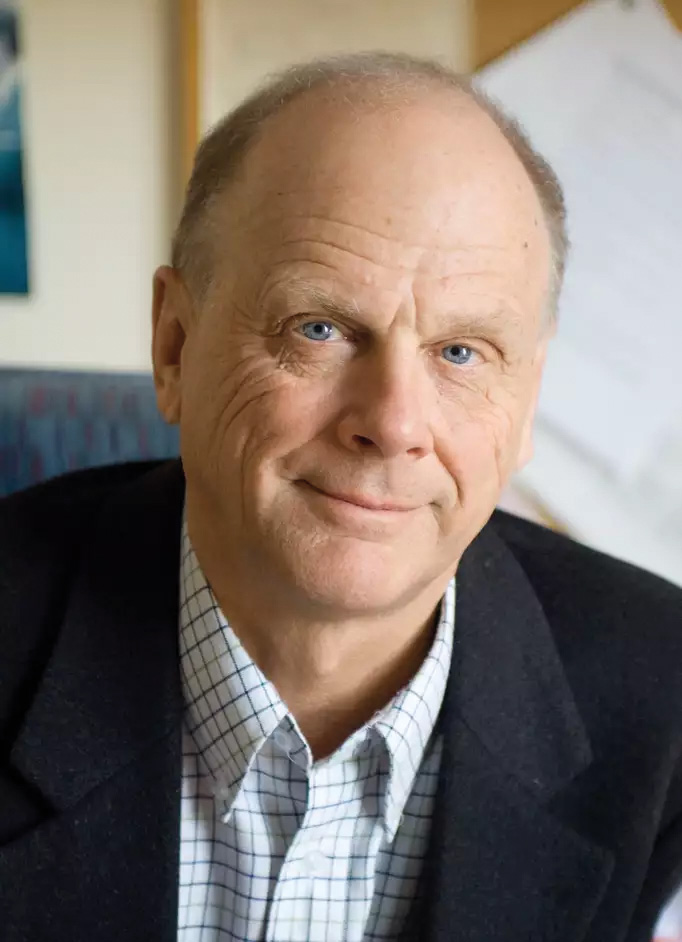
Kurt Gottfried

Kurt Gottfried, professor emeritus at Cornell University and co-founder of the Union of Concerned Scientists (UCS), passed away on 25 August 2022 at the age of 93. Throughout his career, he encouraged fellow scientists to hold their leaders to account on topics ranging from nuclear arms control to human rights and scientific integrity. 

Gottfried was born in Vienna, Austria in 1929, fleeing the country with his family when he was nine years old after their home was raided on Kristallnacht, and eventually immigrating to Montreal, Canada. He graduated from McGill University, earned a PhD in theoretical physics from MIT in 1955 and was a junior fellow at Harvard. In 1964 he became a physics professor at Cornell and remained affiliated with the university until his death. He also served on the senior staff of CERN, as a chair of the division of particles and fields of the American Physical Society, and as a member of the American Academy of Arts and Sciences, and the Council on Foreign Relations. 

Well known for his work in high-energy theo­retical physics and the foundations of quantum mechanics, Gottfried worked with David Jackson in the 1960s on the production and decay of unstable resonances in hadronic collisions using the density-matrix approach. He proposed the Gottfried sum rule for deep inelastic scattering and is also known for his work in the 1970s on charmonium. Along with Tung-Mow Yan, he authored the classic work Quantum Mechanics: Fundamentals, originally published in 1966.

In 1969, deeply concerned about what he saw as the growing threat to civilisation from the unchecked exploitation of scientific knowledge for military purposes, Gottfried co-founded UCS with his friend and future Nobel laureate Henry Kendall. His many years of leadership and guidance helped expand the scope of the organisation’s work from research on nuclear power and weaponry, to climate change, agriculture, transportation and renewable energy. Even in retirement, Gottfried continued to advise UCS scientists on policy and strategy, and to inspire the organisation with his passionate sense of urgency about its work.

In the 1980s, working with Hans Bethe and Richard Garwin, Gottfried drew attention and acclaim to UCS by demonstrating the infeasibility of the “Star Wars” missile defence programme. He authored numerous scholarly articles on missile defence, space weapons, nuclear weapons and cooperative security, and reached an even wider audience with his articles and op-eds on these topics. He also authored or co-authored three books – The Fallacy of Star Wars (1984), Crisis Stability and Nuclear War (1988) and Reforging European Security: From Confrontation to Cooperation (1990) – and contributed chapters to several others.

Throughout his life, Gottfried also used his standing to advocate for the free practice of science. In addition to his work with UCS, he was deeply engaged in campaigns in support of scientists in the former Soviet Union and South America who were imprisoned for expressing views in conflict with the dogmas of authoritarian rulers. In 2016, citing his long and distinguished career as a “civic scientist”, the American Association for the Advancement of Science awarded Gottfried its Scientific Freedom and Responsibility Award.

As current UCS board chair Anne Kapuscinski noted, Kurt was the epitome of a concerned scientist and an inspiration to all of us. We will miss his passion, kindness, dedication and integrity, and we will strive to honour his lifelong dedication to building a safer world.

Superconducting detector magnets for the future

The Superconducting Detector Magnets Workshop, co-organised by CERN and KEK, was held at CERN from 12 to 14 September in a hybrid format. Joining were 90 participants from 36 different institutes and companies, with 57 on-site and 33 taking part remotely.

The workshop aimed to bring together the physics community, detector magnet designers and industry to exchange ideas and concepts, foster collaboration, and to discuss the needs and R&D development goals for future superconducting detector magnets. A key goal was to address the issue of the commercial availability of aluminium-stabilised Nb-Ti/Cu conductor technology.

Fifteen physics-experiment projects, which had either been approved or are in the design phase, presented their needs and plans for superconducting detector magnets. These experiments covered a wide range of physics programmes for existing and future colliders, non-colliders and a space-based experiment. The presented projects showed a strong demand for aluminium-stabilised Nb-Ti/Cu conductor technology. Other conductor technologies that were featured during the workshop included cable-in-conduit technology (CICC) and aluminium-stabilised high-temperature-superconducting (HTS) technology.

Presentations by leading industrial partners showed that the industrial capability to produce superconducting detector magnets does exist, as long as a suitable conductor is available. It was also shown that aluminium-stabilised Nb-Ti/Cu conductors are currently not commercially available, although an R&D effort is currently on-going with IHEP in China. In particular, the co-extrusion process needed to clad the Nb-Ti/Cu Rutherford cable with aluminium is a key missing ingredient in industry. At the same time, the presentations showed that other ingredients, such as Nb-Ti/Cu wire production, the cabling of strands into a Rutherford cable, the high-purity aluminium stabiliser itself and the technique for welding-on of aluminium-alloy reinforcements for high-strength conductors, are still available.

The main conclusion of the workshop was that, given the need for aluminium-stabilised Nb-Ti/Cu conductors for future superconducting detector magnet projects, it is important that the commercial availability of this conductor is re-established, which would require a leading effort from international institutes through collaboration and cooperation with industry. This world-leading effort will advance technologies to be transferred openly to industry and other laboratories. Of particular importance is the co-extrusion technology needed to bond the aluminium stabiliser to the Rutherford cable. Hybrid-structure technology through electron- beam welding or other approaches to maximise the performance of an Al-stabilised superconductor combined with high-strength Al-alloy is needed for high-stress detector magnets. Back-up solutions such as copper-coated and soldered aluminium stabilisers, copper-based stabilisers and CICC should also be considered. In the long term, aluminium-stabilised HTS technology will be important for specific detector-magnet applications.

The workshop was received with strong interest and enthusiasm, and it is expected that another will be organised in one to two years, depending on the progress being made.

The power of polarisation for FCC-ee physics

Evolution of beam energy at LEP

The FCC-ee, a proposed 91 km future circular collider at CERN foreseen to begin operations in the 2040s, would deliver enormous samples of collision data at a wide range of energies, allowing for ultra-precise studies of the Higgs, W and Z bosons, and the top quark. For example, when running at the Z resonance the FCC-ee will produce – in little more than one minute – a data set the same size as that the LEP collider accumulated in the 1990s during its entire period of operation. For this reason, unlocking the full potential of FCC-ee data will require exquisite systematic control at a level far beyond that achieved at previous colliders.

A beautiful and unique attribute of circular e+e colliders is that the beams can naturally acquire transverse polarisation, and the precession frequency of the polarisation vector divided by the circulation frequency around the ring is directly proportional to the beam energy. This property allows the energy to be determined with very high precision through applying an oscillating magnetic field which, when in phase with the precession, depolarises the beams. This technique of resonant depolarisation underpins the precise knowledge of the mass and other properties of many particles that now serve as “standard candles”.

A key example is the measurement of the mass and width of the Z boson, and associated electroweak observables, which was the major achievement of the LEP programme. FCC-ee offers the possibility of improving the precision of these measurements by a factor of around 500 – a gigantic advance in precision that will allow for ultra-sensitive tests of the self-consistency of the Standard Model, and provide excellent sensitivity to new heavy particles that may affect the measurements through quantum corrections or mixing. Achieving the best possible knowledge of the collision energy is essential to accomplish this programme, and was the focus of the second FCC Energy Calibration, Polarization and Mono-chromatisation (EPOL) workshop held at CERN from 19 to 30 September, which was a follow-up to the first workshop that took place in 2017.

The two-week workshop was attended by more than 100 accelerator physicists, particle physicists and engineers from around the world; some remote and others participating in person. Presentations focused not only on the challenges at the FCC-ee, but also encompassed activities and initiatives at other facilities. The first week highlighted the plans for polarimetry measurements at the future Electron Ion Collider in the US. Complementary projects were presented from SuperKEKb in Japan, where the accelerator is stress-testing many aspects of the FCC-ee design, CEPC in China and other machines around the world.

Earth tides

The collision-energy calibration is a central consideration in the design and proposed operation strategy of the FCC-ee, in contrast to LEP where it was essentially an afterthought. At LEP, resonant depolarisation measurements were performed in dedicated calibration periods a few times per year. At FCC-ee these measurements will take place continually. This is essential, as a hard-learned lesson from LEP is that the beam energy is not constant, but varies throughout a fill, and also evolves over longer timescales. The gravitational pull of the moon distorts the tunnel in “Earth tides”, and modifies the relative trajectory of the beam through the quadrupole magnets, leading to energy changes that at LEP were around 10 MeV over a few hours during Z running, but will be 20 times larger at FCC-ee. Seasonal changes in the water level of Lac Leman lead to similar effects. At FCC-ee these distortions will be combatted by continuous adjustment of the radio frequency (RF) cavities, as is now routinely done in the LHC.

Additional challenges that were discussed in the workshop included the requirements on the laser polarimeters that will monitor the polarisation levels of the e+ and e beams, the shifts in collision energy that will occur at each interaction point through the combined effect of synchrotron radiation and the boost provided by the RF system, as well as spurious dispersions folded with collision offsets. Here the project will benefit from the considerable progress achieved since LEP in both the reliability and precision of beam position and dispersion measurements. A particular highlight of the discussions was an agreement that it will be feasible to perform resonant depolarisation measurements at higher energies for use in the determination of the mass of the W boson, which was not possible at LEP, allowing this important parameter of nature to be measured around a factor 20–40 times better than at present.

The workshop concluded with a list of future tasks to be tackled and open questions. These questions will be addressed as part of the ongoing FCC Feasibility Study, with updates planned for the mid-term review, scheduled for the middle of 2023, and the final report in 2025.

Donald Hill Perkins 1925–2022

Don Perkins

UK experimental particle physicist Don Perkins, who played a significant role in shaping the field from the 1940s onwards, passed away on 30 October at the age of 97. 

After graduating from Imperial College, London, Perkins obtained a PhD under the supervision of George Paget Thomson, recipient of the 1937 Nobel Prize in Physics. As part of his thesis work, he took a photographic emulsion – a new medium for particle detection at the time – onto a Royal Air Force transport plane to record cosmic rays at altitude. This resulted in what was later recognised to be the first observation of the pion, published in Nature in 1947.

In 1951 Perkins joined another Nobel laureate, Cecil Powell, in Bristol where, working with Peter Fowler, he discovered some of the decay properties of pions. This involved touring some of the world’s mountain tops with photographic emulsions, as well as sending them into the stratosphere on balloons. As a result of their studies, Perkins and Fowler were the first to suggest that irradiation with negatively charged pions might be used to treat cancer. In 1965 Perkins moved to the University of Oxford where, under the overall leadership of Denys Wilkinson, he established a world-leading particle-physics group. One year later he was elected a Fellow of the Royal Society. In 1991 he received the Royal Medal of the Royal Society, among many honours that would crown his long career. 

As modern electronic counters and bubble chambers began to replace emulsion techniques, Perkins worked at CERN, where in 1973 he contributed to the seminal discovery of neutral currents with the Gargamelle bubble chamber. Thirty years later, in characteristic style and peppered with anecdotes, Perkins recounted the story of the neutral-current discovery in this magazine (CERN Courier Commemorative Issue Willibald Jentschke June 2003 p15). 

In the late 1960s, when the scattering of electrons off protons in experiments at SLAC had established that the proton is not elementary, Perkins realised that neutrino scattering could give complementary information that helped prove the existence of fractionally charged quarks. He was also an early supporter of quantum chromodynamics, which explained why quarks are confined inside hadrons. 

As the 1970s progressed, Perkins became increasingly interested in proton decay, and was a leading advocate of the Soudan-II experiment in the US. Although Soudan-II never saw evidence of proton decay, the experiment made important contributions to advancing the field of neutrino physics.

Over his long career, Perkins’ brilliance benefitted generations of physics students, many of whom were drawn to particle physics through his textbook Introduction to High Energy Physics, first published in 1972 based on his undergraduate lectures and now in its fourth edition. Besides his experimental and theoretical contributions, Perkins was active in the governance of particle physics, having chaired both the nuclear physics board of the UK’s former Science and Engineering Research Council and CERN’s Scientific Policy Committee. He was a member of many international advisory committees and strategy meetings, including one in 1979 that led to the construction of the HERA electron–proton collider at DESY.

A charismatic and influential figure, his wisdom, delivered in a northern English accent and accompanied by his distinctive laugh, will be greatly missed by his many friends and colleagues.

Back on TOP in Durham

After two online editions during the Covid pandemic, this year the annual TOP conference returned to an in-person format. The 2022 edition took place in the historic city of Durham in the UK from 4 to 9 September and attracted more than 100 participants.

The LHC collaborations that study the top quark presented a wealth of recent results based on Run 2 data, many of which were shown for the first time, and even included a measurement with the very first data collected in Run 3. CMS and ATLAS presented new top-quark mass results, new measurements of top-quark production asymmetries, new cross-section measurements as well as searches for new production and decay modes, both within and beyond the Standard Model (SM). These included ttW and four top-quark production, and processes involving flavour-changing-neutral-current interactions that could produce sizable rates beyond the SM prediction.

Earlier this year, CMS released a preliminary mass measurement that profiles all uncertainties, including a finely split set of signal-modelling uncertainties based on variations of Monte Carlo generators. To account for the limited statistical power for some of these variations, this precision analysis implements a fully consistent treatment of the resulting fluctuations leading to a 380 MeV uncertainty. ATLAS presented a top-quark mass measurement of 172.63 ± 0.20 (stat) ± 0.67 (syst) ± 0.37 (recoil) GeV. The last uncertainty represents the ambiguity in assigning the recoil of gluon emissions in the top-quark decay chain that was neither considered in Run 1 analyses nor in the CMS measurement and requires further studies. The large difference in the modelling uncertainties assigned by both collaborations underlines the importance to overcome the limitations of Monte Carlo generators for these precision measurements.

Run 2 of the LHC opens up new production processes that could not be probed at the Tevatron or in Run 1. Recently, ATLAS announced the observation of the rare production process of a single top quark and a photon, thus completing the list of associated top-quark production processes with SM gauge bosons. CMS followed with a brand-new analysis of the four top-quark production process, the rarest process accessible by the LHC to date. Together with combined ATLAS analyses, there is now very strong evidence that this elusive process exists. While most results in the classical top-quark pair and single-top production modes agree very well with the SM predictions, slight excesses are seen in several rare production modes, such as ttW and four-top production. None of these excesses are statistically significant, but they form an interesting pattern that requires experimental results and theory predictions to be considered extra carefully, while keeping an eye open for more exotic explanations.

Theory ahead

Theory contributions at TOP 2022 revolved around two major themes: precision calculations and beyond-SM models. For the former, several groups presented new calculations that enable a more precise comparison of measurements with SM predictions. These calculations provide an integrated treatment of the top-quark and boson decays, including off-shell effects, which are small in the total cross section, but which can be significantly enhanced locally in some corners of phase space. Including these effects is therefore relevant for the highest-precision differential measurements at the LHC. For the second theme, the most popular approach is to expand around the SM with minimal model dependence using effective field theory. This is complemented by more focussed efforts in concrete new-physics scenarios, including composite Higgs (and top) models as well as leptoquarks. A dedicated theory mini-workshop discussed the interplay of top-quark measurements with results in flavour physics.

Perhaps the most exciting result, the first at Run 3, was presented by CMS. On 5 July, just two months before the conference, the LHC switched back on after a three-year shutdown and started to produce the first proton-proton collisions at a record centre-of-mass energy of 13.6 TeV. Stretching over the next few years, Run 3 will increase the size of available datasets involving top quarks by a factor of three to four. Both ATLAS and CMS made a tremendous effort to prepare the detectors, to collect and check the quality of the data, and to provide preliminary calibrations for leptons and jets. In a race against the clock, CMS isolated the top-quark pair production process in the data collected in July and August in time for the conference. Even at this very early stage, the data are understood well enough that a cross-section measurement with a total uncertainty below 8% was possible by making use of the top-quark events themselves to calibrate most of the relevant experimental uncertainties in situ.

With these first results showing that the LHC and the experiments are smoothly operating, TOP22 kicks off the Run 3 top-quark physics programme. We can look back on a very exciting edition of the TOP conference and look forward to meeting again in Michigan in 2023.

Keeping research infrastructures safe

ITSF_report_2022

Safety is a priority for CERN. It spans all areas of occupational health and safety, including the protection of the environment and the safe operation of facilities. Continuous exchanges with similar research infrastructures on best practices and techniques ensures that CERN maintains the highest standards. From 25 to 28 October, more than 100 people from CERN and research institutes worldwide gathered in the Globe of Science and Innovation at CERN for the International Technical Safety Forum (ITSF). This key conference in matters of health and safety is a forum for exchanging new ideas, processes, procedures and technologies in personnel, environmental and equipment safety among a variety of high-energy physics, synchrotron and other research infrastructures.

It is a pleasure to share new ways of thinking and acting in matters of occupational health & safety and environmental protection

Yves Loertscher

“In its 25-year existence, the Forum has evolved with the times, all the while increasing its attractiveness for experts to share their knowledge, experience and challenges,” says Ralf Trant of the CERN technology department. “The scope has broadened from high-energy physics to a wider range of disciplines and participating institutes, in Europe and beyond with Asian labs joining in addition to American institutes, who have been involved since the beginning.”

Opening the event, Benoît Delille, head of the CERN Health, Safety & Environment (HSE) unit, noted: “For colleagues from different institutes who visit CERN for the first time, it is an occasion for us to share the values on which this Organization is built, that we are proud of, and also how we make them come to life through the prism of Safety.” A first session on environmental protection and sustainability saw CERN share its approach to minimise its environmental footprint in key domains, alongside a presentation from the European Spallation Source (ESS) on environmental management during its post-construction phase. Sessions including continuous improvements in health & safety, fire safety, equipment certification, incidents and lessons learned, risk assessment and technical risks unfolded during the week, ending with new projects and challenges, safety culture and behaviour and safety training.

“Listening to your colleagues from other research institutes informing about occurred events, lessons learned and recent developments in safety assessment is the pure essence of ITSF,” said Peter Jakobsson, head of environment, safety, health & quality at ESS and member of the ITSF organising committee, who chaired the “Incidents and lessons learned” session. “We openly share information in different subject safety areas such as fire hazards, handling of chemicals and inspection of pressurised equipment. In doing so, we all learn from each other to create a safe work environment for our staff and scientific users: a true sign of the safety culture that we all strive for.”

In addition to a rich programme of presentations, the event featured an interactive fire workshop in which participants shared ongoing projects and challenges related to fire safety in accelerator facilities. CERN also shared its experiences of the fire-induced radiological integrated assessment (FIRIA) project whose objective is to develop a general methodology for assessing the fire-related risks present in CERN’s facilities and provide a forum to keep experts connected and updated. Participants also enjoyed visits of the installations, complemented with a tour of the CERN safety training centre in Prévessin on the final day.

“This event gave us the possibility to share our knowledge through presentations but also through networking breaks, visits and social events,” said Yves Loertscher, head of the CERN HSE occupational health & safety group and organiser of this year’s ITSF event. “After a break of almost three years owing to the pandemic, it is a pleasure to interact directly with peers again and share new ways of thinking and acting in matters of occupational health & safety and environmental protection”.

A celebration for Gabriele Veneziano

Gabriele Veneziano

On 7 September colleagues and friends of Gabriele Veneziano gathered at CERN for an informal celebration of the renowned theorist’s 80th birthday. While a visitor in the CERN theory division (TH) in 1968, Veneziano wrote a paper “Construction of a crossing-simmetric, Regge-behaved amplitude for linearly rising trajectories”. It was an attempt to explain the strong interaction, but ended up marking the beginning of string theory. During the special TH colloquium, talks by Paolo Di Vecchia (NBI&Nordita), Thibault Damour (IHES) and others explored this and numerous other aspects of Veneziano’s work, much of which was undertaken during his 30 year-long career at CERN. Concluding the day’s proceedings, Veneziano thanked his mentors, CERN TH and chance – “the chance of having lived through one of most interesting periods in the history of physics… during which, through a wonderful cooperation between theory and experiment, enormous progress has been made in our understanding of nature at its deepest level.”

JENAS picks up the pace in Spain

The second joint ECFA (European Committee for Future Accelerators), NuPECC (Nuclear Physics European Collaboration Committee) and APPEC (AstroParticle Physics European Consortium) symposium, JENAS, was held from 3 to 6 May in Madrid, Spain. Senior and junior members of the astroparticle, nuclear and particle-physics communities presented their challenges and discussed common issues with the goal of achieving a more comprehensive assessment of overlapping research topics. For many of the more than 160 participants, it was their first in-person attendance at a conference after more than two years due to the COVID-19 pandemic.

Focal point

The symposium began with the research highlights and strategies of the three research fields. A major part of this concerned the progress and plans of the six joint projects that have emerged since the first JENAS event in 2019: dark matter (iDMEu initiative); gravitational waves for fundamental physics; machine-learning optimised design of experiments; nuclear physics at the LHC; storage rings to search for charged-particle electric dipole moments; and synergies between the LHC and future electron–ion collider experiments. The discussions on the joint projects were complemented by a poster session where young scientists presented the details of many of these activities.

The goal was achieving a more comprehensive assessment of overlapping research topics

Detector R&D, software and computing, as well as the application of artificial intelligence, are important examples where large synergies between the three fields can be exploited. On detector R&D there is interest in collaborating on important research topics such as those identified in the 2021 ECFA roadmap on detector R&D. In this roadmap, colleagues from the astro­particle and nuclear-physics communities were involved. Likewise, the challenges of processing and handling large datasets, distributed computing, as well as developing modern analysis methods for complex data analyses involving machine learning, can be addressed together.

Overview talks and round-table discussions related to education, outreach, open science and knowledge transfer allowed participants to emphasise and exchange best practices. In addition, the first results of surveys on diversity and the recognition of individual achievements in large collaborations were presented and discussed. For the latter, a joint APPEC–ECFA–NuPECC working group has presented an aggregation of best practices already in place. A major finding is that many collaborations have already addressed this topic thoroughly. However, they are encouraged to further monitor progress and consider introducing more of the best practices that were identified.  

Synergy

One day was dedicated to presentations and closed-session discussions with representatives from both European funding agencies and the European Commission. The aim was to evaluate whether appropriate funding schemes and organisational structures can be established to better exploit the synergies between astroparticle, nuclear and particle physics, and thus enable a more efficient use of resources. The positive and constructive feedback will be taken into account when carrying out the common projects and towards the preparation of the third JENAS event, which is planned to take place in about three years’ time.

An Infinity of Worlds

An Infinity of Worlds

Cosmology, along with quantum mechanics, is probably among the most misunderstood physics topics for the layperson. Many misconceptions exist, for instance whether the universe had a beginning or not, what the cosmic expansion is, or even what exactly is meant by the term “Big Bang”. Will Kinney’s book An Infinity of Worlds: Cosmic Inflation and the Beginning of the Universe clarifies and corrects these misconceptions in the most accessible way.

Kinney’s main aim is to introduce cosmic inflation – a period of exponential expansion conjectured to have taken place in the very early universe – to a general audience. He starts by discussing the Standard Model of cosmology and how we know that it is correct. This is done most successfully and in a very succinct way. In only 24 pages, the book clarifies all the relevant concepts about what it means for the universe to expand, its thermal history and what a modern cosmologist means by the term Big Bang.

The book continues with an accessible discussion about the motivation for inflation. There are plenty of comments about the current evidence for the theory, its testability and future directions, along with discussions about the multiverse, quantum gravity, the anthropic principle and how all these combine together.

A clear understanding

There are two main points that the author manages to successfully induce the reader to reflect on. The first is the extreme success of the cosmic microwave background (CMB) as a tool to understand cosmology: its black-body spectrum established the Big Bang; its analysis demonstrated the flatness of the universe and its dark contents and motivated inflation; its fluctuations play a large part in our understanding of structure formation in the universe; and, along with the polarisation of the CMB, photons provide a window into the dynamics of inflation. Kinney notes that there are also plenty of features that have not been measured, which are especially important for inflation, such as the B-modes of the CMB and primordial gravitational waves, meaning that CMB-related observations have a long way to go.

The second main point is the importance of a clear understanding of what we know and what we do not know in cosmology. The Big Bang, which is essentially the statement that the universe started as a hot plasma of particles and cooled as it expanded, is a fact. The evidence, which goes well beyond the observation of cosmic expansion, is explained very well in Kinney’s book. Beyond that there are many unknowns. Despite the excellent motivation for and the significant observational successes of inflationary models, they are yet to be experimentally verified. It is probably safe to assume, along with the author, that we will know in the future whether inflation happened or not. Even if we establish that it did and understand its mechanism, it is not clear what we can learn beyond that. Most inflationary models make statements about elements, such as the inflationary multiverse, that in principle cannot be observed.

Steven Weinberg once commented that we did not have to wait to see the dark side of the moon to conclude that it exists. Whether this analogy can be extended successfully to include inflation or string theory is definitely debatable. What is certain, however, is that there will be no shortage of interesting topics and discussions in the years to come about cosmology and fundamental physics in general. Kinney’s book can serve as a useful introduction for the general public, but also for physics students and even physicists working in different fields. As such, this book is a valuable contribution to both science education and dissemination.

bright-rec iop pub iop-science physcis connect