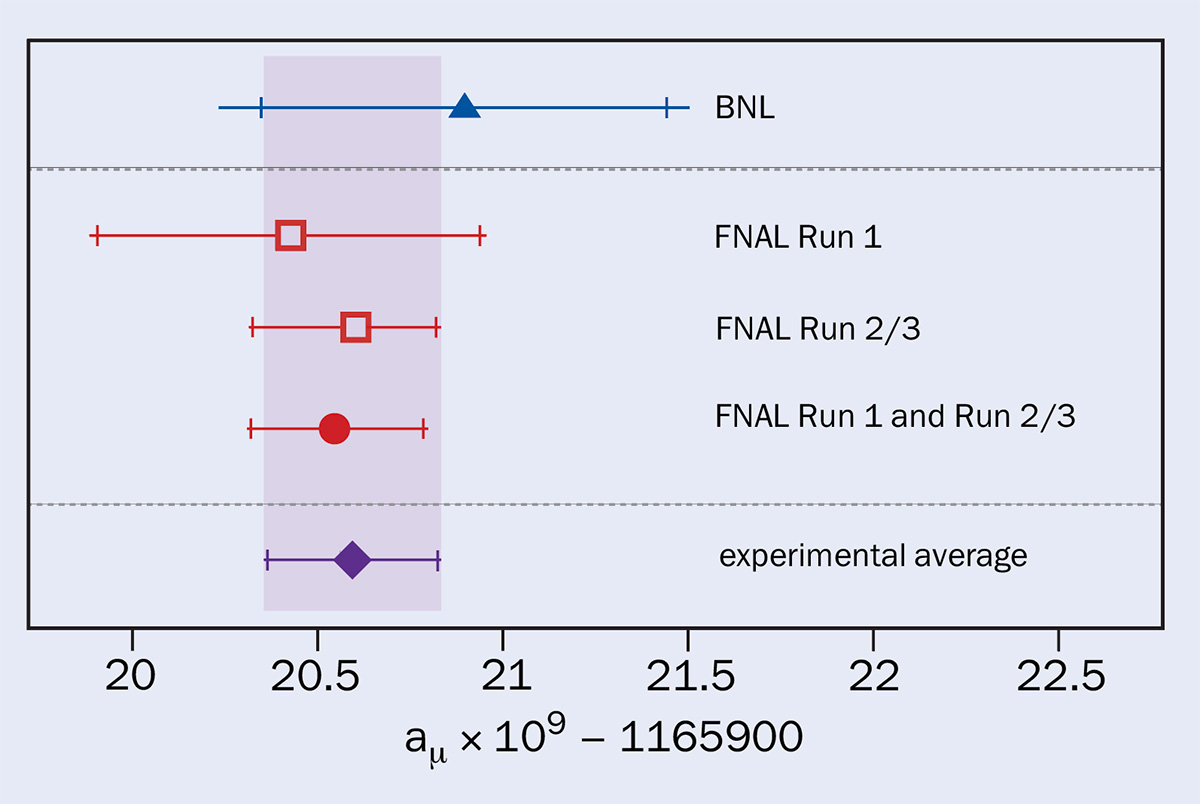
On 10 August, the Muon g-2 collaboration at Fermilab presented its latest measurement of the anomalous magnetic moment of the muon aμ. Combining data from Run 1 to Run 3, the collaboration found aμ = 116 592 055 (24) × 10–11, representing a factor-of-two improvement on the precision of its initial 2021 result. The experimental world average for aμ now stands more than 5σ above the Standard Model (SM) prediction published by the Muon g-2 Theory Initiative in 2020. However, calculations based on a different theoretical approach (lattice QCD) and a recent analysis of e+e– data that feeds into the prediction are in tension with the 2020 calculation, and more work is needed before the discrepancy is understood.
The anomalous magnetic moment of the muon aμ = (g-2)/2 (where g is the muon’s gyromagnetic ratio) is the difference between the observed value of the muon’s magnetic moment and the Dirac prediction (g = 2) due to contributions of virtual particles. This makes measurements of aμ, which is one of the most precisely calculated and measured quantities in physics, an ideal testbed for physics beyond the SM. To measure it, a muon beam is sent into a superconducting storage ring reused from the former g-2 experiment at Brookhaven National Laboratory. Initially aligned, the muon spin axes precess as they interact with the magnetic field. Detectors located along the ring’s inner circumference allow the precession rate and thus aμ to be determined. Many improvements to the setup have been made since the first run, including better running conditions, more stable beams and an improved knowledge of the magnetic field.
The new result is based on data taken from 2019 and 2020, and has four times the statistics compared to the 2021 result. The collaboration also decreased the systematic uncertainty to levels beyond its initial goals. Currently, about 25% of the total data (Run 1–Run 6) has been analysed. The collaboration plans to publish its final results in 2025, targeting a precision of 0.14 ppm compared to the current 0.2 ppm. “We have moved the accuracy bar of this experiment one step further and now we are waiting for the theory to complete the calculations and cross-checks necessary to match the experimental accuracy,” explains collaboration co-spokesperson Graziano Venanzoni of INFN Pisa and the University of Liverpool. “A huge experimental and theoretical effort is going on, which makes us confident that theory prediction will be in time for the final experimental result from FNAL in a few years from now.”
The theoretical picture is foggy. The SM prediction for the anomalous magnetic moment receives contributions from the electromagnetic, electroweak and strong interactions. While the former two can be computed to high precision in perturbation theory, it is only possible to compute the latter analytically in certain kinematic regimes. Contributions from hadronic vacuum polarisation and hadronic light-by-light scattering dominate the overall theoretical uncertainty on aμ at 83% and 17%, respectively.
To date, the experimental results are confronted with two theory predictions: one by the Muon g-2 Theory Initiative based on the data-driven “R-ratio” method, which relies on hadronic cross-section measurements, and one by the Budapest–Marseille–Wuppertal (BMW) collaboration based on simulations of lattice QCD and QED. The latter significantly reduces the discrepancy between the theoretical and measured values. Adding a further puzzle, a recently published value of hadronic cross-section measurements by the CMD-3 collaboration that contrasts with all other experiments narrows the gap between the Muon g-2 Theory Initiative and the BMW predictions (see p19).
“This new result by the Fermilab Muon g-2 experiment is a true milestone in the precision study of the Standard Model,” says lattice gauge theorist Andreas Jüttner of CERN and the University of Southampton. “This is really exciting – we are now faced with getting to the roots of various tensions between experimental and theoretical findings.”
Milos Lokajicek, a long-time employee of the division of elementary particle physics of the Institute of Physics of the Czech Academy of Sciences, passed away in June at the age of 70. Milos was involved in almost all the key experiments in which the Czech particle-physics community participated, especially in the collection and processing of experimental data.
Milos began his career in the 1980s on an experiment at the Serpukhov accelerator in the former USSR, investigating proton–antiproton and later deuteron–antideuteron collisions in the Ludmila hydrogen bubble chamber. After obtaining his PhD in 1984, while still at JINR Dubna, he was also involved in the DELPHI experiment at LEP, which played a key role in the Czech Republic’s entry into CERN in 1993.
After returning to the Institute of Physics, he was at the origin of the participation of Czech physicists in the ATLAS experiment at the LHC, the construction of which was approved in 1994. Together with other staff of the Institute of Physics and colleagues from Charles University, he initiated the construction of the ATLAS TileCal hadron calorimeter and built a laboratory for the assembly and testing of the calorimeter submodules in the former garage of the Institute of Physics.
Since his participation in the Ludmila and DELPHI experiments, Milos focused on data processing. Already in the mid-1990s, he had built a computer farm for data processing and modelling at the Institute of Physics, which today serves several large experiments.
In 1997, together with colleagues from Charles University and the Czech Technical University, he initiated the group’s participation in the D0 experiment at the Tevatron, Fermilab. Participation in this experiment was important for the training of young physicists in ATLAS, the construction of which was beginning at that time. After the Tevatron was decommissioned in 2011, Milos obtained funding for the Fermilab–CZ research infrastructure in 2016 with a gradual transition to the neutrino-physics programme. He worked on the NOvA experiment and also used his experience and contacts at CERN for the future DUNE experiment.
The reach of Milos’s work extends far beyond his home institute. Within the Czech Republic, it was the coordination of the activities of Czech institutions in Fermilab and the development of data processing. He was also a long-standing member of the Committee for Cooperation of the Czech Republic with CERN. His international reputation is documented by numerous memberships in steering committees of experiments and projects, and a number of conferences he co-organised. Among the most important are ACAT 2014, CHEP2009, DØ Week 2008 and ATLAS Week 2003.
Milos’s collegiality and friendship will be missed by all of us.
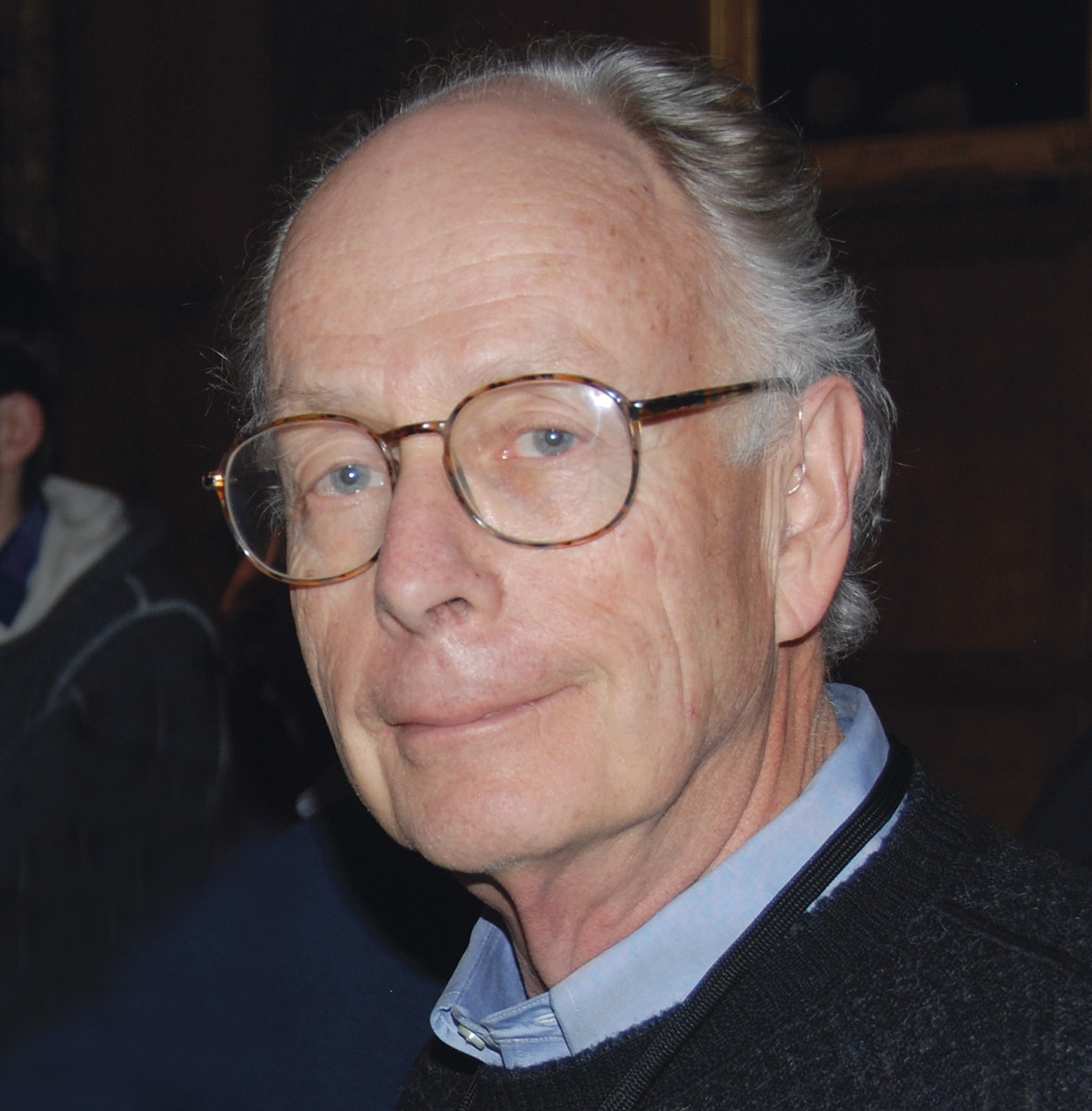
James Burkett Hartle passed away on 17 May in Zurich at the age of 83. Known as the father of quantum cosmology, Jim made landmark contributions to our understanding of the origin of the universe.
Born in Baltimore, Maryland, Jim obtained his undergraduate degree in physics at Princeton University, where he was mentored by John Wheeler. He attended graduate school at Caltech where he worked under Murray Gell-Mann, earning his PhD in 1964 with a dissertation entitled The complex angular momentum in three-particle potential scattering.
After graduating, Jim briefly taught at Princeton before joining the faculty at the University of California, Santa Barbara (UCSB) in 1966. Excited by the discoveries of pulsars, quasars and the cosmic microwave background radiation, Jim turned away from particle physics. In the late 1960s he wrote a series of influential papers, one with Kip Thorne, on the dynamics of rotating neutron stars. The pair organised regular gatherings between their research groups, which turned into the Pacific Coast Gravity Meetings that still run today.
In 1971 Jim used a Sloan Fellowship to go to the University of Cambridge, where he was immersed in the emerging fields of relativistic astrophysics and cosmology. There he met Stephen Hawking, with whom he developed a remarkable long-term collaboration. Two of their papers became classics: one, in 1976, introduced the Hartle–Hawking quantum state for matter outside a black hole, which is fundamental to black-hole thermodynamics and inspired the so-called Euclidean approach to quantum gravity; the other, in 1983, put forward the Hartle–Hawking “no-boundary” wave function of the universe, showing for the first time how the conditions at the Big Bang could be determined by physical theory.
Except for a brief appointment at the University of Chicago, Jim spent his entire career at UCSB, an environment he found congenial, supportive and inspiring. Jim was a wise and caring mentor to countless young scientists and, though reluctant to venture into the public arena, he also did much to forge a strong physics community. In 1979 he cofounded the Institute for Theoretical Physics (now the Kavli Institute for Theoretical Physics) at Santa Barbara, a mecca for physicists ever since.
The Hartle–Hawking wave function not only revolutionised quantum cosmology but also raised tantalising new questions. Jim began to think more deeply about what it entails to apply quantum mechanics to the universe as a whole. Throughout the 1990s, he and Gell-Mann developed the consistent-histories formulation of quantum mechanics, which clarified the physical nature of the branching process in Everettian quantum mechanics and was sufficiently general to describe single closed systems.
While part of some extraordinary collaborations, Jim was also an independent thinker. About one-third of his publications are beautifully written single-author papers often touching on seemingly intractable questions, far from current fashions and approached with enormous care and open-mindedness. In 2003 Jim published Gravity: An Introduction to Einstein’s General Relativity, a textbook gem with a minimum of new mathematics and a wealth of illustrations that made Einstein’s theory accessible to nearly all physics majors.
Jim retired in 2005, to focus on physics. In 2006 he became an external professor at the Santa Fe Institute, collaborating with Gell-Mann during summer visits. That year also marks the start of my own collaboration with Jim. We took up quantum cosmology again and became immersed in some of the field’s heated debates. Unperturbed, Jim set out the beacons. Often, we would be joined by Hawking, who by then had great difficulties communicating, to flesh out the predictions of the no-boundary wave function. Studying the role of the observer in a quantum universe, we were led to a top-down approach to cosmology in which quantum observations retroactively determine the outcome of the Big Bang, thereby realising an old vision of Wheeler’s.
Few scholars ventured as deeply into the fundamentals of physics as Jim did. A selection of his reflections on the deeper nature of physical theory were published in 2021 in The Quantum Universe: Essays on Quantum Mechanics, Quantum Cosmology, and Physics in General. With characteristic humility, however, Jim reminded us that he didn’t have a philosophical agenda.
Despite suffering the devastations of Alzheimer’s disease, physics remained the driving force in Jim’s life until the very end. Yet his intellectual curiosity stretched much further. He was a polymath and an eclectic reader whose interests ranged from Middle Eastern and Mayan archaeology, to American colonial history, Russian literature and eccentric 19th-century religious female figures. Above all, Jim was an exceptionally generous, wise, humble and gentle man.
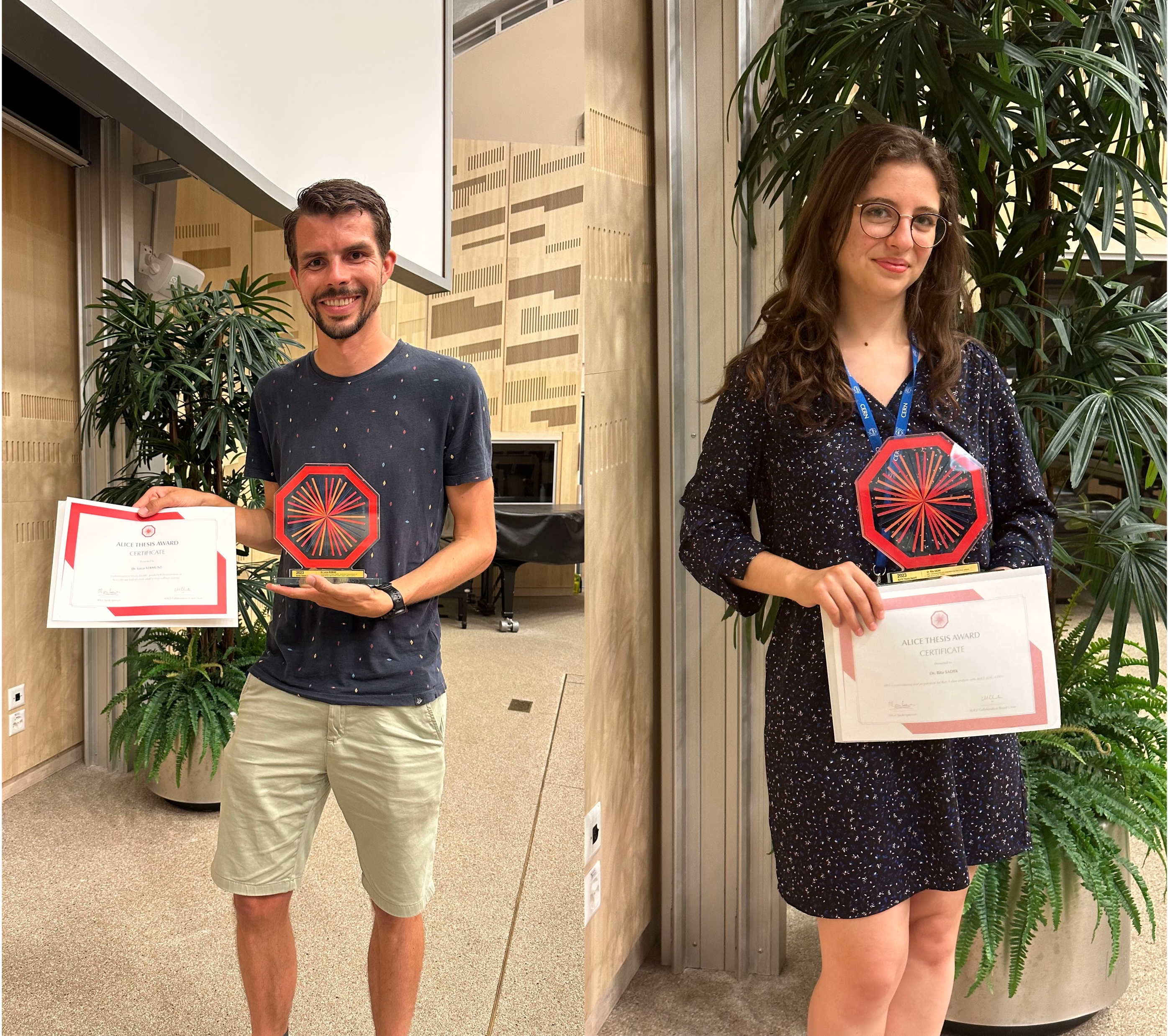
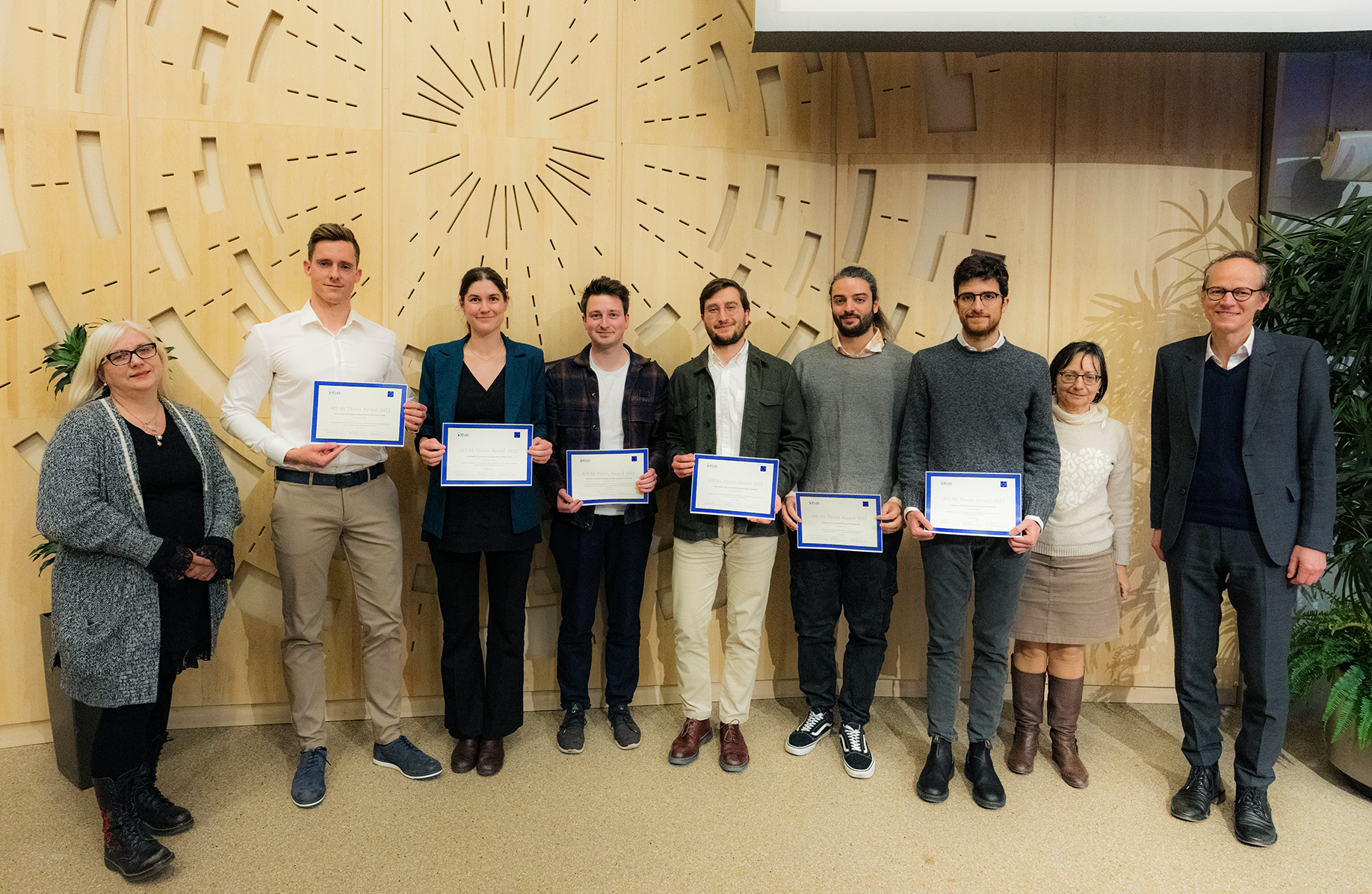
Every year the ALICE, ATLAS, CMS and LHCb collaborations award outstanding PhD students, who worked on the experiments, with the thesis prizes. Over the past months 15 early-career researchers have been recognised for their contributions during the collaborations’ meeting weeks.
On 7 June, the LHCb collaboration honoured PhD students who made exceptional contributions to the collaboration with their theses. Saverio Mariani (Universita di Firenze; CERN) was awarded for his work on fixed-target physics with the LHCb experiment, using proton-helium collision data to understand antiproton production in cosmic rays. Peter Svihra (University of Manchester; CERN) was recognised for detector R&D towards a silicon-pixel detector for the upgraded LHCb detector.
Collision – Stories from the Science of CERN is a highly readable anthology built on the idea of teaming up great writers with great scientists. There are 13 stories in all, each accompanied by an afterword from a member of the particle physics community. The authors are a very diverse bunch, so there’s something for everyone – from exploring the nature of symmetry through the mirror of human interaction, to imagined historical encounters and, inevitably, the apocalyptic: we humans have always ventured into the unknown with trepidation.
Being of the same vintage as the BBC’s Dr Who, I was pleased to discover that the first story was penned by one of the programme’s most successful showrunners, Steven Moffat. Although I found myself doubting the direction of travel after the opening paragraphs, I enjoyed the destination. It was a good start, and it established a standard that the book maintains to the very last word.
In Adam Marek’s story, I found myself listening along to protagonist Brody Maitland’s selection of music for his appearance on BBC Radio 4’s Desert Island Disks, something of a national institution in the UK. This story also contains the wonderful line: “we live in a world where it is more impressive to have millions of followers than to lift the stone of the universe and reveal the deep mysteries scurrying beneath it.” How true that is in a world of diminishing attentions spans.
Broadcaster and journalist Bidisha Mamata provides a welcome commentary on contemporary global politics. An unscrupulous leader manipulates an ambitious individual in a bid to undermine the global order. Sound familiar? In this case, the individual concerned is a CERN scientist, the reputation at stake, CERN’s, and the tool to achieving that goal the creation of a locally apocalyptic event. Politically spot on. Scientifically wide of the mark.
Post-apocalyptic scenarios make other appearances, though in these cases it’s what happens next that’s important. Stephen Baxter’s AI protagonist guides us through millennia of human stupidity, while Lillian Weezer imagines what might happen if people unearthed the LHC in some post-apocalyptic world.
Prometheus and Frankenstein make their appearances in Margaret Drabble’s wonderfully erudite tale set at CERN in the 2050s. Desiree Reynolds imagines a delicious encounter that never happened between CERN’s first Director General, Felix Bloch, and the American writer and civil rights activist James Baldwin. Would they have gelled? I’d like to think so. There’s a cautionary tale from Courttia Newland about AI, which draws the conclusion that whatever form intelligence may take, life, of a kind, will go on and the laws of the universe will remain the same. Ian Watson’s joyous facility with words puts a smile on your face from the first line of his galaxy-skipping parable. You’ll have to read it for yourself to find out whether he leaves you smiling at the end.
A recurring theme is the parallel between life and physics: Poet Lisa luxx, for example, entwines forces at work in nature with those between people, while Lucy Caldwell examines notions of uncertainty in life and physics in a story set in her native city Belfast. Peter Kalu applies a similar principle to computer security, with a cautionary yet warming tale about a side-channel attack of sorts.
Enough of the stories, what about the afterwords? Peter Dong’s comment leaves you wanting to sit in on his physics classes, while Jens Vigen gives a thoughtful account of the origins of CERN. Kirstin Lohwasser does a fine job of bringing Bidisha’s science back to the realms of reality. Tessa Charles is bullish about the FCC, currently at the feasibility stage. Michael Davis gives a glimpse of the vast industry that is modern day computer security.
Anyone that has juggled particle physics and parenting will identify with Luan Goldie’s story, which is accompanied by a heartfelt paean to CERN by one who has done just that. “Life is work and work is life,” says Carole Weydert, concluding with the words: “CERN. Grey. But sparkling.”
Andrea Bersani introduces us to the speculations that distorted spacetime allow, while Andrea Giammanco does a similar job for the dark sector. Daniel Cervenkov discusses CP violation, while Joe Haley ponders the development of ideas over time: Newton subsumed by Einstein, the Standard Model by something yet to be found. Gino Isidori, for his part, takes us on a brief guided tour of a metastable universe. John Ellis’s pairing with Stephen Baxter is particularly successful. The writer’s central story, which spans millennia and civilisations resonates well with the theoretical physicist’s daily work of examining Gauguin’s questions: “D’où venons nous, Que sommes nous, Où allons nous.”
All in all, the book makes for a varied, thought provoking and engaging read. As with the Arts at CERN programme, it demonstrates that creativity is not the preserve of the arts or of science, and that great things can happen when the two collide.
There’s no typical working day – though there are typical working periods that shape my schedule. These could be programmed stops of the accelerator complex versus regular operations; launching new projects or commissioning new systems; issuing calls for equipment tenders; or following up with our industry contractors. The common threads in each case include clear objective setting, cascaded communication, high-level problem-solving and effective decision-making – all aligned within a well-defined strategy to ensure the long-term success of the engineering department.
How do you measure success?
Operationally, the engineering management team is trying to maximise workflow and process efficiencies, ensure the successful execution of projects and drive continuous improvement across many different areas – infrastructure management, documentation, safety systems and programme coordination, among others. Innovation is another priority to maintain our position at the forefront of engineering practice, working with industry partners across Europe and further afield as well as our colleagues from other departments at CERN.
What characteristics do you prioritise – individually and collectively – within the engineering department?
CERN is all about cross-disciplinary collaboration and relentless innovation – and especially so for the engineering department, which has a broad remit to support the accelerators, experimental programmes as well as tertiary infrastructure systems (such as cooling, ventilation, transport, handling, electricity, access and alarms). Put simply, the collision of ideas and perspectives from different disciplines leads to breakthrough thinking and innovative solutions.
A case in point: the integration of mechanical design, mechanical engineering and materials science within the department promotes knowledge transfer and a more holistic approach to problem-solving. Our experts in materials science, for example, work closely with the team responsible for CERN’s superconducting magnets – supporting consolidation activity and projects such as the HL-LHC and FCC. It’s a win-win in every case. That same openness underpins ongoing R&D partnerships with laboratories like the ITER nuclear fusion facility in southern France and Italy’s National Institute for Nuclear Physics (INFN), with whom we are performing design studies for medical applications and muon colliders.
Presumably the HL-LHC work programme is top of your agenda for the foreseeable future?
That’s correct. Implementing the necessary infrastructure upgrades for the HL-LHC and the twin experimental programmes is a significant undertaking. This includes planning, designing and executing construction projects to support the future demands of the facility. Managing these projects effectively over the next two years will help to alleviate the workload during Long Shutdown 3 and ensure a seamless transition to research operations again in 2029.
Within the context of the HL-LHC – also more broadly – how does CERN optimise its engagement with industry suppliers?
Building a mutual value proposition is the key to establishing strong and long-term relationships with industry. The engineering department aims to lead by example in this regard and demonstrate how collaboration with our equipment suppliers underpins shared success – increased market exposure, access to cutting-edge R&D, and opportunities for joint technology and process innovation. Consider our ambitious partnership with ABB Motion, a technology leader in digitally enabled motor and drive solutions to support a low-carbon future.
A mandate for engineering excellence
CERN’s engineering department provides the competencies, infrastructure systems and technical coordination required for the design, installation, operation, maintenance and dismantling phases of the CERN accelerator complex and its experimental facilities. Core activities include:
• Operation, maintenance and consolidation of infrastructure systems for cooling, ventilation, transport, handling, electricity, access and alarms.
• Design and installation of infrastructure systems for new facilities.
• Mechanical engineering and materials expertise for the design, prototyping, manufacture and assembly of accelerator and detector components/subsystems.
• Coordination for the technical stops and shutdowns in the accelerators and experiments as well as support for day-to-day operations.
Specifically, we are working together to optimise the laboratory’s cooling and ventilation infrastructure, with the aim of reducing energy consumption across the campus. In this way, CERN’s cooling and ventilation system is being equipped with smart sensors, which convert traditional motors, pumps, mounted bearings and gearing into an intelligent network of wirelessly connected devices. These devices will collect data to develop “digital twins” of selected cooling and ventilation units, allowing for the creation of energy-saving scenarios. Longer term, the plan is to disseminate the project outcomes publicly, so that industry and large-scale research facilities can apply the lessons we learn on energy-efficiency.
What are the main challenges facing the engineering department on an operational level?
The core systems for CERN’s accelerator and experiment complex are our number-one priority on a day-to-day basis. In short, that means proactive monitoring, maintenance and troubleshooting to minimise downtime and ensure smooth operations. Equally, the engineering management team also needs to be proactive in addressing challenges related to ageing equipment – planning ahead for system upgrades or replacement to avoid disruption to CERN’s research programme.
That forward-looking mindset comes with a sustained focus on technology and workflow innovation, integrating new tools, software and methodologies into our engineering processes to boost productivity, efficiency and safety. Underpinning it all, we work incredibly hard to scale the talent pipeline, attracting and retaining the brightest and best engineering talent – from junior technicians right through to senior management – and ensuring that all staff have opportunities for professional development.
On that last point: why should early-career scientists and engineers consider CERN as their preferred career pathway?
Big science endeavours like CERN have a lot to offer the early-career professional in terms of impactful and fulfilling work at the frontier of science and technology. Collaborating within multidisciplinary teams, for example, requires creative problem-solving, critical thinking and a willingness to embrace new ideas and learning – all of which are enhanced by working alongside experienced scientists, engineers and technicians from diverse disciplines. Ultimately, collaborations established at large-scale facilities like CERN can open doors to new opportunities in academia, industry and government agencies, providing adaptable and ambitious engineers with a solid platform for future career development.
With hindsight, what do you know today that you wish you had known when you started out in your career?
One of the biggest lessons I’ve learned along the way is to embrace new opportunities with confidence. I switched relatively early in my career from technical roles into engineering management – though for some time I was not at ease with the transition, wondering if it was the right choice. Nowadays, I can see that the move outside my comfort zone – far away from all those beautiful mathematical formulae – opened up new perspectives, new ways of working and helped me to build resilience. Over time, this all translated into greater versatility, so I became more confident and capable at navigating unfamiliar situations. The key take-away: trust in your abilities and remember that every role on the career journey offers valuable learning experiences and insights.
The UK Atomic Energy Authority (UKAEA) is busy shaping a quiet revolution in advanced materials research as part of its fusion R&D roadmap. The goal: to fast-track development of next-generation reactor materials that can withstand the “triple-whammy” of tritium fuel permeation (into “first-wall” components), transmutation (induced radioactivity) and atomic displacement effects (mechanical damage) – all of which represent potential show-stoppers when it comes to the UK’s strategic objective of delivering fusion power into the electricity grid by the middle of the century.
In a signal of intent, the UKAEA completed a £10 million extension of its Materials Research Facility (MRF) at Culham Science Centre, Oxfordshire, at the end of last year. The investment doubled the size of MRF, providing an additional 12 shielded research rooms (used to house high-end analytical instrumentation) and more than 250 m2 of radioactive-capable laboratory space(to investigate enhanced neutron-tolerant materials).
Operationally, a key driver for MRF is the realisation of radiation-hardened materials and platform technologies for the so-called Spherical Tokamak for Energy Production (STEP), a UK prototype fusion energy plant targeting operation in 2040 and, thereafter, a sustainable pathway to commercially viable nuclear fusion (see “Back to basics on STEP”). That’s an ambitious timeline – and one currently preoccupying the project team sweating the details for STEP’s four-year, £220 million design phase (due for completion by mid-2024).
Back to basics on STEP
• In the prototype STEP power plant (artist rendering shown above), nuclear fusion will be realised in a spherical tokamak device that uses superconducting magnets to confine and control a hot plasma of fusion fuels in a torus configuration.
• At the heart of it all is the fusion reaction between deuterium and tritium nuclei, yielding one helium nucleus, one neutron and, in the process, liberating huge amounts of thermal energy for electricity production. STEP is aiming to generate 100 MW of net electricity as the demonstration of a commercially relevant plant.
• While most of today’s experimental fusion devices – including JET at Culham and the work-in-progress ITER project in southern France – are built in the shape of a ring doughnut, STEP’s spherical plant will be shaped more like a cored apple. This spherical tokamak design is expected to minimise STEP’s physical footprint, improve operating efficiency, as well as potentially reduce capital and running costs.
With this in mind, the MRF offers a focal point for R&D collaboration, bringing together academic and industrial researchers, as well as experimentalists and modellers, to address materials gaps in the STEP programme and to foster innovative approaches to materials qualification for fusion. By extension, the MRF also provides workers with specialist experience to support users with their sample preparation and analysis, plus logistics advice for the transport of radioactive materials.
A case study in this regard is the £2 million MRF FaSCiNATe initiative (or, to give it its full name – Facility for the Structural Characterisation of materials for Nuclear Applications operating at high Temperatures). Headed up by UKAEA in partnership with the University of Oxford and the University of Birmingham, FaSCiNATe provides what UKAEA claims is “a unique and complementary suite of scientific instruments” to characterise the thermal stability of microstructural damage in neutron-irradiated materials and the associated effects on mechanical properties.
Specifically, FaSCiNATe focuses on the materials defects resulting from irradiation damage: what strain they create (as measured by high-temperature X-ray diffraction), what energy they store (using high-vacuum differential scanning calorimetry), and what influence they have on mechanical behaviour at the micron scale (using an in situ mechanical test stage mounted inside an electron microscope).
“The FaSCiNATe instruments are integrated in shielded environments and equipped with robotic sample mounting systems to remotely insert and retrieve radioactive samples,” explains Andy London, scientific lead for active testing at MRF. “Being able to predict materials degradation under neutron irradiation will help us to extend the lifetime of existing nuclear reactors as well as inform the materials requirements of future fission and fusion reactors.”
The in situ load frame, for example, enables researchers to observe how materials deform at fusion-relevant operational temperatures (–160 to 1000 °C), yielding insights for designer materials that prevent the accumulation of more serious damage. Meanwhile, the heating of defective materials can actually cause atoms to rearrange and therefore “heal” some of the irradiation damage, releasing energy in the process. High-vacuum differential scanning calorimetry is able to quantify these energy changes as a function of temperature, while X-ray diffraction tracks the evolution of defect strain at the atomic scale as it recovers with increasing temperatures.
CERN’s commitment to superconducting radio-frequency (SRF) technologies goes back a long way – spanning more than four decades of sustained investment in infrastructure, applied R&D, device- and systems-level innovation, as well as international collaboration with academic and industry partners. If that’s the headline, though, what’s next for CERN’s SRF programme?
A recap of CERN’s SRF achievements is instructive at this point before unpacking the longer-term R&D and innovation roadmap. For starters, SRF cavities – a workhorse technology for frontier accelerators in particle physics, nuclear physics and materials science – were instrumental in pushing CERN’s Large Electron-Positron (LEP) collider to new energy regimes. Through the late 1990s, a total of 288 SRF cavities – each comprising a thin film of superconducting niobium sputtered onto a copper cavity – were installed in LEP-II, providing up to 7 MV/m of accelerating gradient and allowing the machine to eventually reach a centre-of-mass energy of 209 GeV (versus 91 GeV for the original LEP machine). At the start of the millennium, LEP-II was the most powerful SRF installation worldwide.
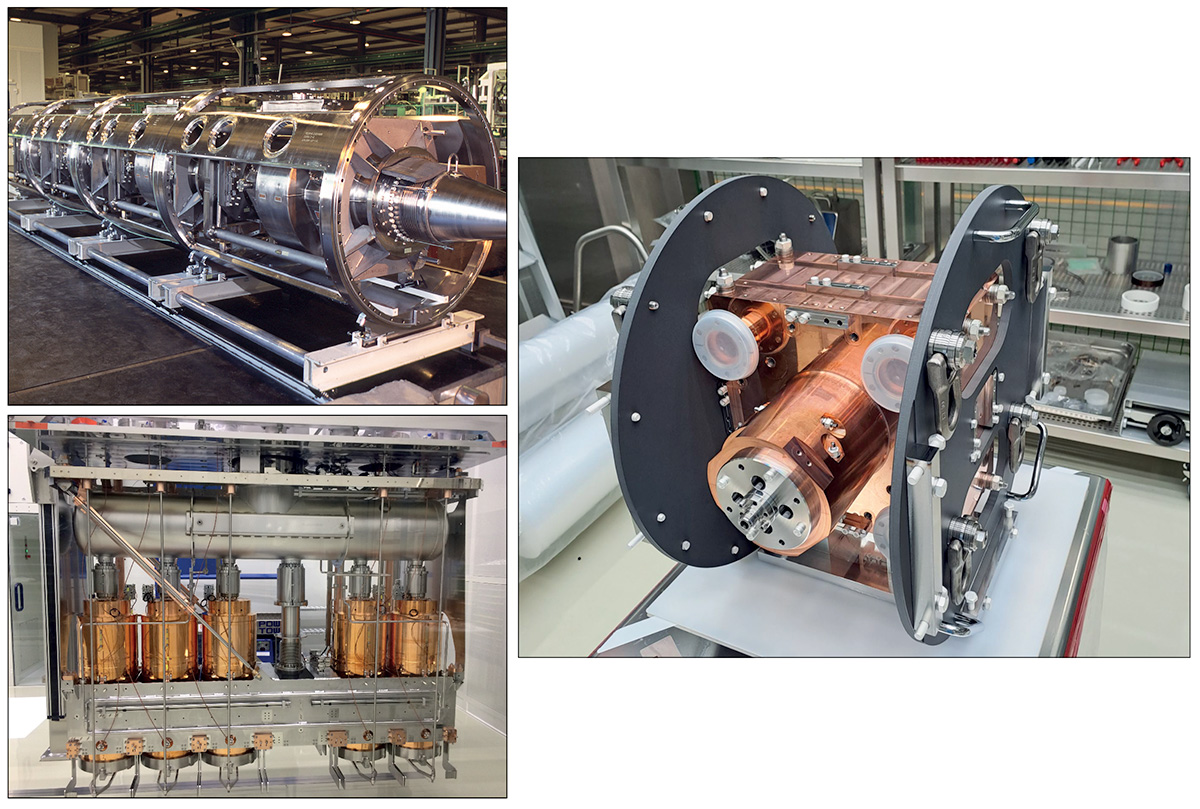
Fast forward to 2010 and the advent of the HIE-ISOLDE project, the “high-intensity and energy” upgrade to CERN’s radioactive beam facility, which unlocked further investment in the SRF programme. Operationally, HIE-ISOLDE was all about increasing the energy of ISOLDE’s radionuclide beams from 3 MeV/u up to 10 MeV/u through the construction of a superconducting post-accelerator – necessitating, in turn, the design, processing and testing of bulk-niobium SRF cavities along with improved coating performance for thin-film niobium–copper SRF cavities.
CERN engineers duly developed a full prototype of the 100 MHz coated quarter-wave cavities for HIE-ISOLDE before spinning out the technology to industry. Subsequently, however, several of the outsourced cavities exhibited performance limitations, linked to a welding seam in a cavity region with high surface currents. To address this problem, CERN’s RF team came up with an innovative work-around that proved to be crucial in pushing the performance envelope of thin-film SRF cavities.
Put simply, the HIE-ISOLDE cavity was redesigned in such a way that it could be machined out of a single piece of copper with no welds. After coating with niobium and subsequent testing in 2017, the new-look cavity yielded unprecedented surface peak fields of over 60 MV/m and a Q value of 109 at 2.3 K. These figures of merit – well above the qualification target of approximately 30 MV/m (Q = 5 × 10⁸) – gave a clear direction for further R&D on thin-film cavities on seamless copper substrates, with four cryomodules (each containing five SRF cavities) later installed as part of the HIE-ISOLDE upgrade. Significantly, this was also the first time that a “production” cavity using thin-film niobium on copper gave comparable results to bulk-niobium cavities, the performance of which had seen rapid advances over the previous decade as a result of the collective R&D effort geared towards the International Linear Collider (ILC).
Crab cavities in the HL-LHC
Right now, front-and-centre on the SRF technology roadmap is the HL-LHC project, an ambitious undertaking to increase the integrated luminosity by a factor of 10 beyond the LHC’s design value and, in so doing, open up new opportunities for fundamental physics from 2030 onwards. Once operational, the HL-LHC will use superconducting bulk-niobium “crab cavities” to optimise the bunch crossing at the particle interaction points – thereby increasing and “levelling” the luminosity of the proton–proton collisions. This is achieved by turning the particle bunches slightly before collision and then returning them to their original orientation after the interaction (see “Crafted collisions”).
At ATLAS and CMS, there will be two 400 MHz crab cavities deployed for each beam on each side of the experiments – i.e. a total of 16 cavities (eight cryomodules) will be installed during Long Shutdown 3 (LS3), starting in 2026. As the beampipes for the colliding beams are only 194 mm apart, an ultracompact cavity design is necessary to produce the required kick voltage of 3.4 MV per cavity. An intensive R&D effort – involving a network of international partners and funding sources – resulted in two final designs, one for horizontal crabbing (RF dipole, RFD) and one for vertical crabbing (double quarter-wave, DQW). These advanced cavity shapes are roughly four times more compact versus the elliptical LHC accelerating cavities and, as such, present significant challenges in terms of their fabrication.
To test the envisaged technical concepts – and, by extension, demonstrate the crabbing of a proton beam – CERN’s RF development team carried out a beam test of two DQW cavities in the Super Proton Synchrotron (SPS) back in 2018 (CERN Courier May 2018 p18). After construction and processing at CERN, the cavities were subsequently assembled into a cryomodule at the SM18 test facility (a dedicated CERN site for evaluation of superconducting magnets and SRF cavities).
To maximise workflow efficiency, the SPS test stand has a movable platform for the cryomodule, which is connected with flexible elements to the SPS beampipe. This arrangement makes it possible to move the cavities in and out of the beam and thereby reduce the impact on regular SPS operation. The beam tests validated not only the crabbing effect on the circulating proton beam, but also the design and engineering choices for these new cryomodules.
It’s worth noting that the streamlined prototyping of the SPS DQW cryomodule was only possible thanks to CERN’s ongoing investment in SRF R&D and expertise. At a more granular level, that translates into a portfolio of core skillsets spanning niobium-sheet forming and welding; niobium surface chemistry with buffered chemical processing and electropolishing; surface cleaning with high-pressure ultrapure water; assembly of cavities in ISO4 clean rooms; preparation and conducting of cold tests at 2 K; as well as the clean assembly of cavity strings and their integration into full cryomodules with cutting-edge alignment precision.
Collaborate, innovate, accelerate
Following the verification of the underlying technical concepts, CERN established a network of international collaborations for an initial consignment of 10 cryomodules for the HL-LHC plus a spare DQW module and spare RFD module. Division of labour is key here, with German manufacturer RI Research Instruments handling the fabrication and chemical processing of the DQW cavities. After cold-testing the bare cavities at CERN, they are sent back to RI to be equipped with a helium tank and cold magnetic shields, which are provided by Daresbury Laboratory in the UK as part of a joint effort between CERN and the UK’s Science and Technology Facilities Council (STFC).
These so-called “jacketed” cavities return to CERN for another round of cold-testing before being fitted with higher-order-mode (HOM) RF couplers, manufactured in the CERN workshops. Once the performance of the now “dressed” cavities is validated, they are assembled into cryomodules at Daresbury before coming back to CERN for cold-test validation and installation.
Meanwhile, the production of RFD modules takes place in North America as part of the US HL-LHC Accelerator Upgrade Project (AUP) collaboration. In terms of specifics: Fermilab has contracted the Italian manufacturer Zanon for production of bare cavities, with the laboratory retaining responsibility for the chemical treatments, cold magnetic shields, helium vessel and HOM couplers. Fermilab scientists also conduct the cold-tests for the bare, jacketed and dressed cavities. Once the cavities reach the desired performance level, they are shipped to TRIUMF in Canada for re-testing and assembly into cryomodules.
Ensuring this complex collective endeavour remains on track is no small challenge, requiring implementation of well-defined technical interfaces and rigorous performance monitoring while also keeping tabs on day-to-day project scheduling, transportation and thorny logistics issues (including Brexit-related paperwork). More broadly, it’s worth noting that the experience gained from prototyping the crab cavities and cryomodules at CERN has enabled the RF team to establish a stringent quality-assurance system, subsequently shared with all our collaborators to ensure standardised production processes, workflows and system integration.
RF power sources for future accelerators
Alongside the broad-scope R&D efforts around SRF cavity surface losses, parallel work programmes are under way at CERN to increase the efficiency of the RF power sources. As discussed in the main text, the FCC-ee beam needs to receive 100 MW from the RF power system just to compensate for synchrotron radiation losses. The actual required RF power budget therefore increases to 148 MW (including 2 MW for the booster RF) given the anticipated FCC-ee RF power estimation efficiencies of 80%, 90% and 95% for klystrons, klystron modulators and RF distribution, respectively.
Today, however, klystron efficiency is in the region of 55% (which would mean 215 MW for the FCC-ee RF system). Pushing on to that 80% target specification falls within the remit of CERN’s RF group and its focused R&D effort to increase the RF efficiency of high-power klystrons. By applying modern electron-beam dynamics techniques and in-house developed 3D simulation codes (KLYC), the team has already demonstrated tangible results. Last year, for example, the first CERN-designed, high-efficiency klystron was built by Canon and reached exactly the predicted efficiency (53.3%) for a pulsed X-band system (CERN Courier September/October 2022 p39).
For FCC-ee, an advanced, two-stage multibeam klystron for the 400 MHz system is also under development in collaboration with industry partners. The goal is 80% efficiency with much reduced high-voltage requirements (60 kV instead of 110 kV) and a much smaller footprint (2.5 m total length instead of approximately 5.5 m).
Alongside the technology innovation on klystrons, CERN’s RF group is engaged on several other fronts – whether pushing the efficiencies of solid-state based amplifiers or making simple, cost-efficient inductive output tube (IOT)-based amplifiers. The in-house RF team also allocates considerable time and resource – spanning R&D, testing and implementation – to realise power couplers with unprecedented power delivery to the cavities; new tuning mechanisms for the SRF cavities; RF feedback systems and controllers; as well as simulation codes to model longitudinal beam dynamics.
Looking ahead, the next milestone for the HL-LHC crab cavity programme is the testing of the first RFD module in the SPS. Currently, this module is being assembled at Daresbury Laboratory and will be delivered to CERN in September 2023, after which it will be cold-tested in SM18 prior to installation in the SPS during the 2023/24 year-end technical stop.
While the crab-cavity programme will keep CERN’s RF team occupied until the conclusion of LS3 in 2028, preparations are already under way for the 2030s and beyond. Right now, there is a consensus that the next major collider after the LHC will be a lepton machine focused on precision measurements of the Higgs boson. In the case of a circular collider, this will necessitate a powerful RF system to attain collision energies surpassing those achieved by LEP. Two potential candidates are the electron-positron Future Circular Collider (FCC-ee), which would require over 1000 SRF cavities, and a muon collider with more than 3000 SRF cavities (for a 10 TeV centre-of-mass scenario). Meanwhile, a linear collider such as the proposed 500 GeV ILC would necessitate over 7000 SRF cavities.
Progressions of power
Regardless of the eventual scenario, it is evident that the RF system poses a significant technological challenge, with most options involving deployment of SRF cavities at levels an order of magnitude greater than those used in LEP. With rising electricity prices, and growing calls for operational sustainability within high-energy physics, CERN has an obligation to pursue all means of reducing the power consumption of the next big collider. In this context, the CERN RF group is prioritising two strategic R&D objectives: to reduce the surface losses of superconducting cavities while engaging in higher-efficiency RF power generation.
It’s instructive to consider CERN’s SRF strategy in the context of the FCC-ee – and specifically, the potential impact of reduced cavity losses on FCC-ee power consumption and how that is shaping SRF R&D priorities. The present FCC-ee scenario foresees four main stages of operation at increasing centre-of-mass energies, enabling precision measurements of the Z boson (91 GeV), W boson (161 GeV), Higgs boson (250 GeV) and the top quark (365 GeV). The high beam currents needed to support Z and W physics enforce the use of low-frequency cavities (400 MHz) to control the beam-excited HOM power. This means single-cell 400 MHz cavities were chosen for the Z, which will be exchanged for two-cell 400 MHz cavities for the W. At the same time, the booster accelerator will be equipped with 800 MHz five-cell cavities. The number of cryomodules will then increase progressively when moving to the H and ttbar scenarios.
According to projections, the total power consumption of the FCC-ee ttbar scenario is estimated at 384 MW. Within this budget, 148 MW will be needed for the RF power system and 47.5 MW for the associated cryogenics systems. The RF component is dominated by the synchrotron losses (100 MW), which need to be compensated, and the efficiency of the RF power system to generate this power and transfer it to the beam. The cryogenic budget, on the other hand, is related to the surface resistance of the SRF cavities. The maths is simple enough: decrease the SRF surface resistance by a factor of two – and the power consumption of the cryogenic system falls by a factor of two (which, in turn, would cut the size of the cryogenic plant by half).
Is such an outcome realistic, though? The current stated R&D goal for 400 MHz FCC-ee cavities is an approximately 30% reduction of surface losses (versus the LHC cavities) together with a doubling of the accelerating gradient. It’s an ambitious goal and, as such, CERN RF engineers are applying the lessons learned from the HIE-ISOLDE project, where the use of seamless cavity substrates made it possible to increase the peak fields in the cavity while lowering surface losses.
Testing, iteration, continuous improvement
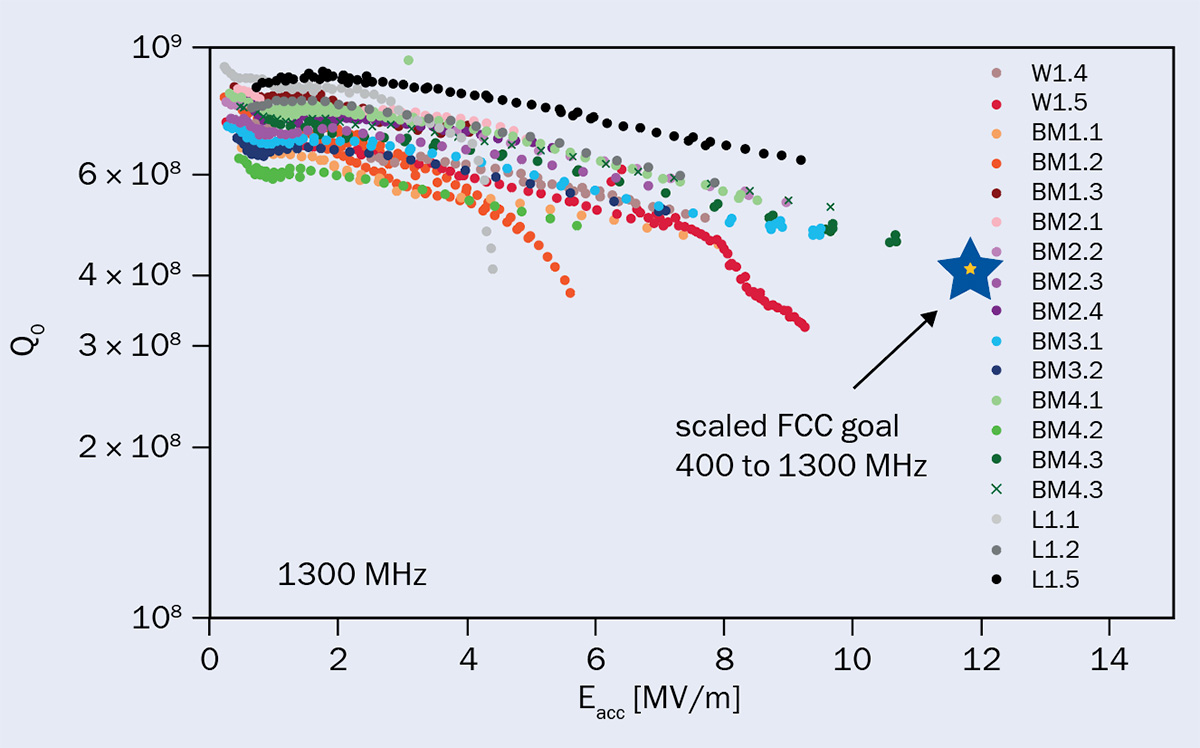
Proof-of-principle tests to date required seamless elliptical cavities, with the CERN workshop able to machine such cavities out of bulk copper pieces, while the technology department’s vacuum group pioneered a method using electroforming. (In the latter, copper is deposited onto an aluminium mandrel, with the aluminium subsequently dissolved to leave behind only the deposited copper layer.) Both approaches were used to make small (scaled) 1.3 GHz cavities, which were then chemically polished and coated using high-power impulse magnetron sputtering (HIPIMS), a specialised method for physical vapour deposition of thin films.
The figure on page 22 (“Numbers game”) shows the results of the first cold tests as well as the target value for the FCC-ee 400 MHz cavities (the latter scaled, in Q value, to be comparable to the 1.3 GHz cavity results). What’s evident from the data is that the seamless coated cavities have clear potential to reach the FCC-ee performance goal – though it’s worth emphasising that these are simplified test cavities without power couplers and without HOM couplers (plus these cavities are around three times smaller in diameter versus the 400 MHz cavities foreseen for FCC-ee).
Qualifiers notwithstanding, these results constitute the first significant step forward in thin-film SRF cavity performance since LEP – underpinned by the enhanced HIPIMS coatings, the use of seamless cavity substrates, and the precision control of cavity surface states during chemistry, coating and cold testing. In terms of next steps, CERN’s R&D effort will focus on further improvements in quality factor (inversely proportional to the surface resistance); extending the field reach (so far limited by the experimental set-up, and not by the properties of the test cavities); and the scale-up to much larger cavities.
The challenges posed by cavity size are twofold: on the one hand, to ensure equal film quality over several square metres of inner surface; on the other, to find a fabrication method that avoids a welding seam at the equator of the cavities. All elliptical cavities built today – whether coated cavities or bulk niobium – are assembled from pre-shaped half-cells. While small 1.3 GHz cavities are straightforward to machine out of a bulk piece of copper, this method quickly becomes uneconomical when considering 400 MHz FCC-type cavities.
For this reason, CERN has initiated a collaboration with KEK in Japan to explore the potential for seamless cavity fabrication via hydroforming (an advanced die-molding process that relies on highly pressurised fluids to shape metals). While the initial results are encouraging, a lot of prototyping and subsequent coating tests will be needed to develop this technology into a process that can be scaled and industrialised. If successful, the hope is that SRF cavity substrates could ultimately be produced like bodywork pieces for cars – and at a fraction of today’s fabrication costs.
Another active area of SRF R&D – and the focus of an ongoing CERN collaboration with Fermilab – involves the 800 MHz multicell bulk-niobium cavities foreseen in the FCC-ee baseline scenario. Over the past decade, Fermilab has pioneered advanced surface treatment methods (such as nitrogen doping or infusion) along with various temperature treatments to tailor the surface resistance of 1.3 GHz bulk-niobium cavities for specific applications.
There’s been significant progress in lowering the surface resistance and the technology has found initial application in the SRF cavities of the Linac Coherent Light Source (LCLS-II) at SLAC in California (with the cavities first being treated and then assembled into cryomodules at Fermilab). In line with the requirements for its Proton Improvement Plan (PIP-II), an ambitious upgrade of the Fermilab accelerator complex, the US laboratory has also started to apply its surface tailoring methods to larger cavities (650 MHz) and, as part of this effort, is keen to include FCC-ee prototypes.
The outer limits
To push beyond the performance limits of today’s coated or bulk-niobium cavities, CERN, Fermilab and other partner laboratories are evaluating new superconducting materials that operate at higher cryogenic temperatures. CERN, for its part, is making sample tests with thin Nb3Sn or Vn3Si layers on copper, while Fermilab scientists are creating a thin layer of Nb3Sn on pure niobium surfaces. The physics is compelling: if the 800 MHz cavities can operate at 4.2 K instead of 2 K with the same surface resistance, the aggregate cryogenic power consumption will be cut by two-thirds.
Along another coordinate, unprecedented accelerating gradients can theoretically be achieved by having multi-layered films on top of niobium or copper cavities, with researchers at CEA in France reporting significant progress with the deposition of single atomic layers onto substrates. In short, with the help of targeted R&D, this looks like a promising path to reducing the SRF surface resistance by 50% on average, though success will ultimately depend on the availability of skilled manpower, state-of-the-art materials processing infrastructure as well as precise diagnostics to evaluate SRF performance.
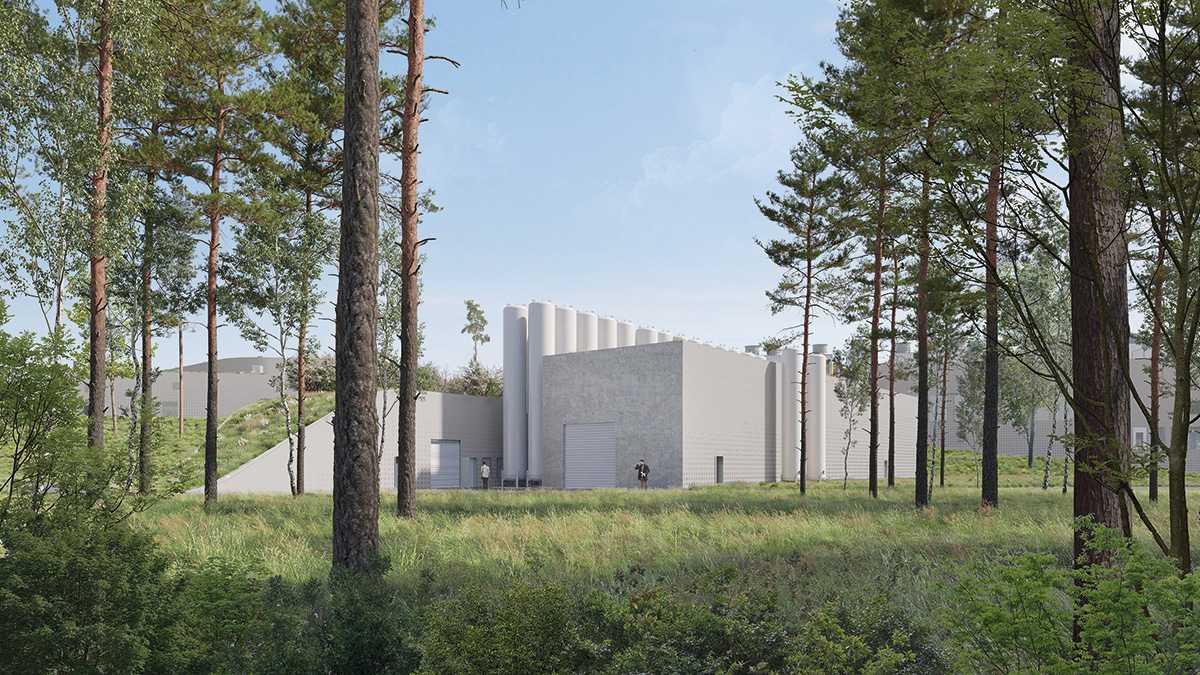
With this in mind, CERN’s RF group has proposed the construction of a dedicated SRF infrastructure next to the SM18 facility. The new building will provide almost 5000 m2 of space for advanced cavity chemistry as well as clean rooms, cryomodule assembly area and materials cleaning facilities. A full integration study and cost estimate is now complete and the project is under consideration for inclusion in CERN’s next Medium-Term Plan (2023–26).
The future’s bright, it seems, for CERN’s SRF technology programme.
Addendum: In addition to the ongoing collaborative fabrication effort regarding the crab cavities and associated cryomodules, it’s important to highlight the crucial role of the preceding R&D phase. Here, with the financial support of the US LHC Accelerator Research Programme (predecessor of the US HL-LHC Accelerator Upgrade Project), Old Dominion University, JLAB, SLAC and BNL – working together with CERN – designed, developed, prototyped and tested the two crab-cavity types and their HOM damping schemes. Furthermore, we acknowledge support for the R&D effort from UK-STFC and KEK. In the run-up to the FCC R&D effort, and under the US-CERN agreement, JLAB also designed, manufactured and tested the first five-cell 802 MHz bulk niobium cavity, which reached excellent performance with record Q0 value of 3×10¹⁰ at 27 MV/m acceleration gradient at 2 K in this frequency regime.
The first detection of gravitational waves in 2015 stands as a confirmation of Einstein’s prediction in his general theory of relativity and represents one of the most significant milestones in contemporary physics. Not only that, direct observation of gravitational ripples in the fabric of space-time opened up a new window on the universe that enables astronomers to study cataclysmic events such as black-hole collisions, supernovae and the merging of neutron stars. The hope is that the emerging cosmological data sets will, over time, yield unique insights to address fundamental problems in physics and astrophysics – the distribution of matter in the early universe, for example, and the search for dark matter and dark energy.
By contrast, an altogether more down-to-earth agenda – Beampipes for Gravitational Wave Telescopes 2023 – provided the backdrop for a three-day workshop held at CERN at the end of March. Focused on enabling technologies for current and future gravitational-wave observatories – specifically, their ultrahigh-vacuum (UHV) beampipe requirements – the workshop attracted a cross-disciplinary audience of 85 specialists drawn from the particle-accelerator and gravitational-wave communities alongside industry experts spanning steel production, pipe manufacturing and vacuum technologies (CERN Courier July/August 2023 p18).
If location is everything, Geneva ticks all the boxes in this regard. With more than 125 km of beampipes and liquid-helium transfer lines, CERN is home to one of the world’s largest vacuum systems – and certainly the longest and most sophisticated in terms of particle accelerators. All of which ensured a series of workshop outcomes shaped by openness, encouragement and collaboration, with CERN’s technology and engineering departments proactively sharing their expertise in vacuum science, materials processing, advanced manufacturing and surface treatment with counterparts in the gravitational-wave community.
Measurement science
To put all that knowledge-share into context, however, it’s necessary to revisit the basics of gravitational-wave metrology. The principal way to detect gravitational waves is to use a laser interferometer comprising two perpendicular arms, each several kilometres long and arranged in an L shape. At the intersection of the L, the laser beams in the two branches interact, whereupon the resulting interference signal is captured by photodetectors. When a gravitational wave passes through Earth, it induces differential length changes in the interferometer arms – such that the laser beams traversing the two arms experience dissimilar path lengths, resulting in a phase shift and corresponding alterations in their interference pattern.
Better by design: the Einstein Telescope beampipes
The baseline for the Einstein Telescope’s beampipe design studies is the Virgo gravitational-wave experiment. The latter’s beampipe – which is made of austenitic stainless steel (AISI 304L) – consists of a 4 mm thick wall reinforced with stiffener rings and equipped with an expansion bellows (to absorb shock and vibration).
While steel remains the material of choice for the Einstein Telescope beampipe, other grades beyond AISI 304L are under consideration. Ferritic steels, for example, can contribute to a significant cost reduction per unit mass compared to austenitic stainless steel, which contains nickel. Ferrite also has a body-centred-cubic crystallographic structure that results in lower residual hydrogen levels versus face-centred-cubic austenite – a feature that eliminates the need for expensive solid-state degassing treatments when pumping down to UHV.
Options currently on the table include the cheapest ferritic steels, known as “mild steels”, which are used in gas pipelines after undergoing corrosion treatment, as well as ferritic stainless steels containing more than 12% chromium by weight. While initial results with the latter show real promise, plastic deformation of welded joints remains an open topic, while the magnetic properties of these materials must also be considered to prevent anomalous transmission of electromagnetic signals and induced mechanical vibrations.
Along a related coordinate, CERN is developing an alternative solution with respect to the “baseline design” that involves corrugated walls with a thickness of 1.3 mm, eliminating the need for bellows and reinforcements. Double-wall pipe designs are also in the mix – either with an insulation vacuum or thermal insulators between the two walls.
Beyond the beampipe material, studies are exploring the integration of optical baffles, which intermittently reduce the pipe aperture to block scattered photons. Various aspects such as positioning, material, surface treatment and installation are under review, while the transfer of vibrations from the tunnel structure to the baffle represents another line of enquiry.
With this in mind, the design of the beampipe support system aims to minimise the transmission of vibrations to the baffles and reduce the frequency of the first vibration eigen mode within a range where the Einstein Telescope is expected to be less sensitive. Defining the vibration transfer function from the tunnel’s near-environment to the beampipe is another key objective, as are the vibration levels induced by airflow in the tunnel (around the beampipe) and stray electromagnetic fields from beampipe instrumentation.
Another thorny challenge is integration of the beampipes into the Einstein Telescope tunnel. Since the beampipes will be made up of approximately 15 m-long units, welding in the tunnel will be mandatory. CERN’s experience in welding cryogenic transfer lines and magnet junctions in the LHC tunnel will be useful in this regard, with automatic welding and cutting machines being one possible option to streamline deployment.
Also under scrutiny is the logistics chain from raw material to final installation. Several options are being evaluated, including manufacturing and treating the beampipes on-site to reduce storage needs and align production with the pace of installation. While this solution would reduce the shipping costs of road and maritime transport, it would require specialised production personnel and dedicated infrastructure at the Einstein Telescope site.
Finally, the manufacturing and treatment processes of the beampipes will have a significant impact on cost and vacuum performance – most notably with respect to dust control, an essential consideration to prevent excessive light scattering due to falling particles and changes in baffle reflectivity. Dust issues are common in particle accelerators and the lessons learned at CERN and other facilities may well be transferable to the Einstein Telescope initiative.
These are no ordinary interferometers, though. The instruments operate at the outer limits of measurement science and are capable of tracking changes in length down to a few tens of zeptometres (10–21 m), a length scale roughly 10,000 times smaller than the diameter of a proton. This achievement is the result of extraordinary progress in optical technologies over recent decades – advances in laser stability and mirror design, for example – as well as the ongoing quest to minimise sources of noise arising from seismic vibrations and quantum effects.
With the latter in mind, the interferometer laser beams must also propagate through vacuum chambers to avoid potential scattering of the light by gas molecules. The residual gas present within these chambers introduces spatial and temporal fluctuations in the refractive index of the medium through which the laser beam propagates – primarily caused by statistical variations in gas density.
As such, the coherence of the laser beam can be compromised as it traverses regions characterised by a non-uniform refractive index, resulting in phase distortions. To mitigate the detrimental effects of coherence degradation, it is therefore essential to maintain hydrogen levels at pressures lower than 10–9 mbar, while even stricter UHV requirements are in place for heavier molecules (depending on their polarisability and thermal speed).
Now and next
Right now, there are four gravitational-wave telescopes in operation: LIGO (across two sites in the US), Virgo in Italy, KAGRA in Japan, and GEO600 in Germany (while India has recently approved the construction of a new gravitational-wave observatory in the western state of Maharashtra). Coordination is a defining feature of this collective endeavour, with the exchange of data among the respective experiments crucial for eliminating local interference and accurately pinpointing the detection of cosmic events.
Meanwhile, the research community is already planning for the next generation of gravitational-wave telescopes. The primary objective: to expand the portion of the universe that can be comprehensively mapped and, ultimately, to detect the primordial gravitational waves generated by the Big Bang. In terms of implementation, this will demand experiments with longer interferometer arms accompanied by significant reductions in noise levels (necessitating, for example, the implementation of cryogenic cooling techniques for the mirrors).
Two leading proposals are on the table: the Einstein Telescope in Europe and the Cosmic Explorer in the US. The latter proposes a 40 km long interferometer arm with a 1.2 m diameter beampipe, configured in the traditional L shape and across two different sites (as per LIGO). Conversely, the former proposes six 60° Ls in an underground tunnel laid out in an equilateral triangle configuration (10 km long sides, 1 m beampipe diameter and with a high- and low-frequency detector at each vertex).
For comparison, the current LIGO and Virgo installations feature arm lengths of 4 km and 3 km, respectively. As a result, the anticipated length of the vacuum vessel for the Einstein Telescope is projected to be 120 km, while for the Cosmic Explorer it is expected to be 160 km. In short: both programmes will require the most extensive and ambitious UHV systems ever constructed.
Extreme vacuum
At a granular level, the vacuum requirements for the Einstein Telescope and Cosmic Explorer assume that the noise induced by residual gas is significantly lower than the allowable noise budget of the gravitational interferometers themselves. This comparison is typically made in terms of amplitude spectral density. A similar approach is employed in particle accelerators, where an adequately low residual gas density is imperative to minimise any impacts on beam lifetimes (which are predominantly constrained by other unavoidable factors such as beam-beam interactions and collimation).
The specification for the Einstein Telescope states that the contribution of residual gas density to the overall noise budget must not exceed 10%, which necessitates that hydrogen partial pressure be maintained in the low 10–10 mbar range. Achieving such pressures is commonplace in leading-edge particle accelerator facilities and, as it turns out, not far beyond the limits of current gravitational-wave experiments. The problem, though, comes when mapping current vacuum technologies to next-generation experiments like the Einstein Telescope.
In such a scenario, the vacuum system would represent one of the biggest capital equipment costs – on a par, in fact, with the civil engineering works (the main cost-sink). As a result, one of the principal tasks facing the project teams is the co-development – in collaboration with industry – of scalable vacuum solutions that will enable the cost-effective construction of these advanced experiments without compromising on UHV performance and reliability.
Follow the money
It’s worth noting that the upward trajectory of capital/operational costs versus length of the experimental beampipe is a challenge that’s common to both next-generation particle accelerators and gravitational-wave telescopes – and one that makes cost reduction mandatory when it comes to the core vacuum technologies that underpin these large-scale facilities. In the case of the proposed Future Circular Collider at CERN, for instance, a vacuum vessel exceeding 90 km in length would be necessary.
Of course, while operational and maintenance costs must be prioritised in the initial design phase, the emphasis on cost reduction touches all aspects of project planning and, thereafter, requires meticulous optimisation across all stages of production – encompassing materials selection, manufacturing processes, material treatments, transport, logistics, equipment installation and commissioning. Systems integration is also paramount, especially at the interfaces between the vacuum vessel’s technical systems and adjacent infrastructure (for example, surface buildings, underground tunnels and caverns). Key to success in every case is a well-structured project that brings together experts with diverse competencies as part of an ongoing “collective conversation” with their counterparts in the physics community and industrial supply chain.
Within this framework, CERN’s specialist expertise in managing large-scale infrastructure projects such as the HL-LHC can help to secure the success of future gravitational-wave initiatives. Notwithstanding CERN’s capabilities in vacuum system design and optimisation, other areas of shared interest between the respective communities include civil engineering, underground safety and data management, to name a few.
Furthermore, such considerations align well with thelatest update of the European strategy for particle physics – which explicitly prioritises the synergies between particle and astroparticle physics – and are reflected operationally through a collaboration agreement (signed in 2020) between CERN and the lead partners on the Einstein Telescope feasibility study – Nikhef in the Netherlands and INFN in Italy.
In this way, CERN is engaged directly as a contributing partner on the beampipe studies for the Einstein Telescope (see “Better by design: the Einstein Telescope beampipes”). The three-year project, which kicked off in September 2022, will deliver the main technical design report for the telescope’s beampipes. CERN’s contribution is structured in eight work packages, from design and materials choice to logistics and installation, including surface treatments and vacuum systems.
CERN teams are engaged directly on the beampipe studies for the Einstein Telescope
The beampipe pilot sector will also be installed at CERN, in a building previously used for testing cryogenic helium transfer lines for the LHC. Several measurements are planned for 2025, including tests relating to installation, alignment, in-situ welding, leak detection and achievable vacuum levels. Other lines of enquiry will assess the efficiency of the bakeout process, which involves the injection of electrical current directly into the beampipe walls (heating them in the 100–150 °C range) to minimise subsequent outgassing levels under vacuum.
Given that installation of the beampipe pilot sector is time-limited, while details around the manufacturing and treatment of the vacuum chambers are still to be clarified, the engagement of industry partners in this early design stage is a given – an approach, moreover, that seeks to replicate the collaborative working models pursued as standard within the particle-accelerator community. While there’s a lot of ground to cover in the next two years, the optimism and can-do mindset of all participants at Beampipes for Gravitational Wave Telescopes 2023 bodes well.
The Facility for Antiproton and Ion Research (FAIR) in Darmstadt, Germany, represents an ambitious reimaginingof the GSI Helmholtz Center for Heavy Ion Research, one of Europe’s leading accelerator research laboratories. When it comes online for initial user experiments in 2027, FAIR will provide scientists from around the world with a multipurpose accelerator complex that’s built to address a broad-scope research canvas – everything from hadron physics, nuclear structure and astrophysics to atomic physics, materials science and radiation biophysics (as well as downstream applications in cancer therapy and space science).
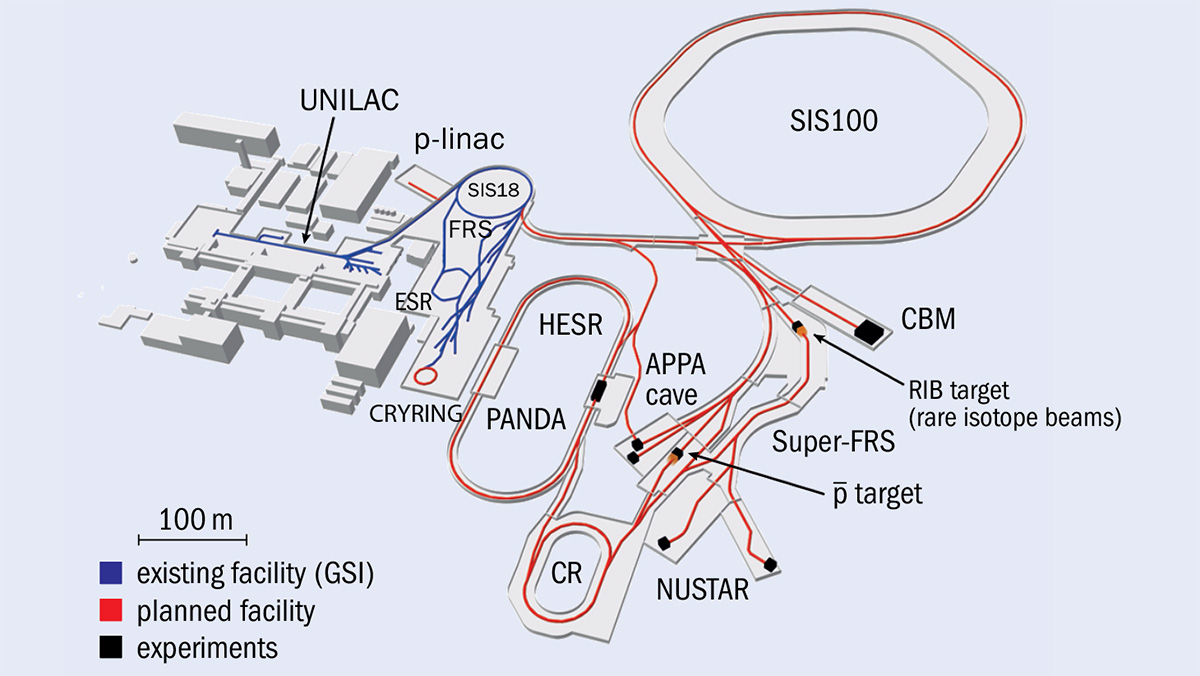
At the schematic level, FAIR will generate primary beams – from protons up to uranium ions – as well as secondary beams of antiprotons and rare isotopes. As such, the accelerator facility is optimised to deliver intense and energetic beams of particles to different production targets. The resulting beams will subsequently be steered to various fixed-target experiments or injected into specialist storage rings for in-ring experiments with high-quality beams of secondary antiprotons or radioactive ions.
Underpinning all this experimental firepower are FAIR’s main building blocks: the fast-ramping SIS100 synchrotron, which provides intense primary beams; the Super Fragment Separator (Super-FRS), which filters out the exotic ion beams; and the storage rings (see “From here to FAIR”, below). Meanwhile, the existing GSI accelerators (UNILAC and SIS18) will serve as injectors and pre-accelerators for SIS100, while a new proton linac will provide high-intensity injection into the synchrotron chain. Here Holger Kollmus and Marion Kauschke – head and deputy head, respectively, of the GSI/FAIR cryogenics programme – tell CERN Courier how the laboratory’s cryogenic infrastructure and specialist expertise at ultralow temperatures are fundamental to FAIR’s long-term scientific mission.
Let’s start with the basics. How has the cryogenics programme at GSI evolved as FAIR moves from concept to reality?
HK: While cryogenics does not have an extensive back-story at GSI – only two large-scale experiments have deployed superconducting magnets to date – the strategic decision to build FAIR put ultralow-temperature technology at the heart of GSI’s development roadmap. Consider the requirement for specialist infrastructure to provide at-scale testing of FAIR’s superconducting magnets. A case in point is the Prototype Test Facility (PTF) which, between 2005 and 2012, was used to evaluate five candidate magnet designs. One of these prototypes, the so-called first-of-series (FOS) magnet, was subsequently specified for the SIS100 ring (110 dipole magnets in total, with two spares).
It soon became clear, however, that the PTF’s single test stand was not fit-for-purpose to validate all of the magnets within a reasonable timeframe. Instead, that task was allocated to the Series Test Facility (STF), which came onstream in 2013 with cryogenic plant and equipment provided by Swiss manufacturer Linde Kryotechnik. Informed by lessons learned on the PTF, the STF maximised throughput and workflow efficiency for large-scale testing of the SIS100 dipole magnets.
How did you realise STF workflow efficiencies?
MK: Custom building design and layout are key, with a slide system for the superconducting magnets under test, a bellows-free mounting and accessible interfaces between the feed box, magnet and end box. The feed box and end box enclose the superconducting magnet on both sides for testing, with the former additionally supplying the magnet with liquid helium coolant and electrical current. The liquid helium keeps the magnet at a constant 4.5 K, while shielding (maintained between 50–80 K) reduces any heating of the cryogenically cooled magnet (the so-called “cold mass”).
At the same time, the compressor and STF cold box for the liquid helium are physically separated in an adjacent building, thereby minimising noise and vibration levels in the test environment. The cryogenic distribution system is installed on a gallery to enhance staff access between the four test stands, while the cold box itself has a cooling power of 800 W at 4–5 K, 2000 W at 50–80 K and a liquefaction capacity of 6 g/s.
All of the SIS100 dipoles have now been tested in the STF, with the facility’s four test stands allowing for “four-stroke” operation. Put simply: on one test stand, the magnet is assembled; the second is in cool-down; the third is cold and the magnet is under test; and the fourth is in warm-up mode. This resulted in each magnet being in the STF hall for about a month, with delivery of one new magnet each week. Worth noting as well that if any magnets had failed under test – though none did – they would have been taken to the PTF without interrupting the “assembly-line” work.
Does that mean the PTF and STF will now be decommissioned?
MK: The R&D activity at the PTF and STF is far from over. One dipole magnet is undergoing endurance testing in the PTF, while the STF is being used to test SIS100 quadrupole modules as well as prototypes of other SIS100 and Super-FRS components (such as the transfer lines needed to distribute liquid helium from source and feed boxes for the SIS100 and Super-FRS). When testing at the STF is complete – most likely in 2028 – two of the four test benches will be dismantled and part of the hall will be repurposed for a superconducting CW linac (to be cryogenically supplied by the STF).
Presumably, the GSI cryogenics team engages with other large-scale facilities to enhance its R&D and test capabilities?
HK: That’s correct. The testing of superconducting magnets requires technical personnel with specialist domain knowledge and expertiseto measure and validate magnetic and electrical properties; provide the cryogenic supply within certain temperature/pressure limits; as well as to measure the magnet calorimetrically (for example, with regard to its heat load).
CERN, as a pioneer in superconducting magnets for high-energy physics, is one of our main technology partners. As such, the superconducting magnets for the Super-FRS – dipoles as well as multiplets – are undergoing acceptance testing at CERN on their way to Darmstadt from the manufacturers in Italy, France and Spain. Another joint effort is focused on FAIR’s cryogenic machine control, transferring established solutions for the control of valves, temperature/pressure sensors and a range of other subsystems using the CERN software UNICOS.
So collaboration and knowledge exchange are fundamental to project delivery?
HK: Partnership with other cryogenics groups across Europe underpins our deployment model. The equipment needed for local cryogenic distribution to the magnets, for example, is provided by an in-kind contribution from Wroclaw University of Science and Technology (WUST) – tapping into the Polish team’s work on other large-scale cryogenics projects including the European Spallation Source (ESS) in Sweden and the European XFEL here in Germany. Another strategic R&D partner is the Test Facility for large Magnet and superconducting Line (TFML) in Salerno, Italy. Part of the Istituto Nazionale di Fisica Nucleare (INFN), the TFML’s refrigeration capacity and testing facility are available for SIS100 quadrupole testing, thereby opening up test capacity at GSI for other cryogenic components/subsystems such as feed boxes and current lead boxes. The latter enable the warm-to-cold transition for the electrical current, on the way from the “warm” power converter to the “cold” magnets.
Where are the big crunch-points for cryogenic cooling within FAIR?
HK: The SIS100 and the Super-FRS are the principal consumers in terms of FAIR’s cryogenic cooling capacity – each with a cold connection to a single large refrigeration plant called CRYO2. The SIS100 (with a circumference of 1100 m) is characterised by high dynamic-load changes with a duration of several hours. In terms of design, the ring comprises an array of dipole and quadrupole magnets in a configuration that exploits an internally cooled superconducting cable (with the superconducting strands cooled using two-phase helium).
Operationally, the SIS100 magnets have to be ramped during the acceleration of the heavy ions, with the ramp and repetition rate adapted to the ions and experimental set-up to yield different heat loads at the 4 K level. The change between these different cycles should be as short as possible (of the order of less than one hour), with control of the supply pressure inducing different helium flows for the magnet cooling.
Meanwhile, the Super-FRS (at 350 m long) will contain 1500 tons of cold mass that must be cooled in a realistic timeframe (typically one month). A dedicated cool-down and warm-up unit (CWU), using liquid nitrogen as coolant for a helium circuit, is pivotal in this regard and fulfils the Super-FRS requirements with respect to maximal cool-down rates and temperature differences.
What are the challenges of integrating FAIR’s cryogenic infrastructure with the existing GSI facilities?
MK: FAIR’s main cryogenic supply building comprises two independent halls, each having its own foundations. The front hall – which houses the cold box, distribution lines and cryogenic gas management – connects to the SIS100 tunnel via pillars and an arrangement that’s designed to avoid any movement of the transfer line supplying supercritical helium to SIS100. Whereas the rear section – which houses the compressor station – sits on a “floating foundation”, essentially decoupled from the cold-box hall to minimise the impact of any resulting ground-based vibration on the SIS100 ring.
FAIR’s central cryogenic plant, CRYO2, is already installed and will provide a cryogenic capacity of 14 kW at 4–5 K and 50 kW at 50–80 K. Those figures of merit will ultimately enable parallel and independent operation across FAIR’s main cryogenic consumers – servicing, for example, the varying heat loads of SIS100 (for operation of different machine cycles) as well as accommodating the large cold mass of the Super-FRS (and its liquefaction requirements). Campus-wide, the cold helium is transported to the FAIR machines by a 1.5km long distribution system, the installation of which is well under way.
At the heart of CRYO2 is a helium refrigerator in tandem with oil-cooled screw compressors. To optimise long-term adaptation to load changes, the mass flow-rate of coolant will be regulated in near-stepless fashion using a variable-frequency driver for the compressors. The compressor station itself is set up from five compressor skids, each having its own oil system and including a rough separation of more than 99% of the oil from the process gas. The rest of the oil is separated on the high-pressure side before the gas enters the cold box. As the CWU operates independently from the CRYO2 plant, this compressor has its own oil removal system.
A host of other design issues have also come into play, so adaptability is key. For starters, given that FAIR is situated in a wooded recreation area for neighbouring communities, the height of the helium storage tanks is limited to the height of the average tree in the vicinity. In the same way, FAIR’s cryo buildings will integrate seamlessly with their surroundings – with the use of roof greening, for example, and a window-free design to cut out light pollution. Energy efficiency is also a priority, with the heat that’s generated during the cryogenic compression process to be recovered and used for heating in other parts of the FAIR facility, while active noise mitigation of the air-conditioning systems will minimise disturbance to wild animals.
How is the roll-out of FAIR’s cryogenic plant progressing?
HK: The installation of the cryogenic supply infrastructure in the cryogenic building will be finished this autumn, with the supporting infrastructure – including the electrical supply and cooling water – to be in place before spring 2025. Commissioning of the full cryogenic supply system is scheduled to complete by the end of 2025, with the first experiments at FAIR using superconducting technology to follow in 2027.
To provide the best experiences, we use technologies like cookies to store and/or access device information. Consenting to these technologies will allow us to process data such as browsing behavior or unique IDs on this site. Not consenting or withdrawing consent, may adversely affect certain features and functions.
Functional
Always active
The technical storage or access is strictly necessary for the legitimate purpose of enabling the use of a specific service explicitly requested by the subscriber or user, or for the sole purpose of carrying out the transmission of a communication over an electronic communications network.
Preferences
The technical storage or access is necessary for the legitimate purpose of storing preferences that are not requested by the subscriber or user.
Statistics
The technical storage or access that is used exclusively for statistical purposes.The technical storage or access that is used exclusively for anonymous statistical purposes. Without a subpoena, voluntary compliance on the part of your Internet Service Provider, or additional records from a third party, information stored or retrieved for this purpose alone cannot usually be used to identify you.
Marketing
The technical storage or access is required to create user profiles to send advertising, or to track the user on a website or across several websites for similar marketing purposes.