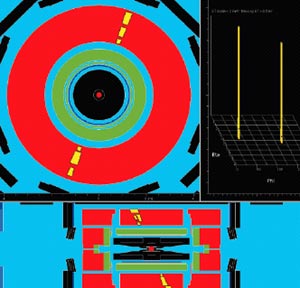
On the evening of 21 June, the ATLAS detector, now being installed in the underground experimental hall UX15 at CERN, reached an important psychological milestone: the first cosmic-ray events were recorded by the barrel hadronic tile calorimeter in situ. Although only four of the 64 calorimeter slices were included in the trigger, beautiful muon tracks were seen traversing the detector. The purpose-made trigger box selected cosmic rays passing close to the interaction region, thus giving the impression of “back-to-back” tracks.
An estimated 1 million cosmic muons enter the ATLAS cavern every 3 min, and the ATLAS team decided to use of some of them for the commissioning of the detector. For two weeks, experts of different disciplines from CERN and the experiment (cooling, high-voltage, front-end electronics, data acquisition, offline) worked underground in USA15, the counting room next to the main ATLAS cavern. Their goal was the commissioning of hardware and software systems, monitoring long-term stability and checking module uniformity and performance. The test used final components for the whole signal chain up to the counting room and provided valuable experience for the whole tile calorimeter system.
This is just the first stage of a long ATLAS commissioning programme, which will gradually see more subdetectors taking part. In autumn with a portion of the muon spectrometer already installed in the pit will begin commissioning, and will be joined in spring 2006 by the electromagnetic liquid argon calorimeter after it has been cooled. A complete “slice” of the ATLAS detector ran in a test beam during 2004, but this is the first time that events have been recorded underground.
Charmonium spectroscopy has seen a revival over the past year or so, with various groups reporting heavy charmonium states (see CERN Courier January 2004 p9). The BaBar collaboration has now added to the list of new states, after a recent study of the initial state radiation process e+e− → γ π+ π− J/Ψ across the charmonium mass range.
The data were collected with the BaBar detector at the SLAC PEP-II asymmetric-energy e+e− storage ring, representing a luminosity of 233 fb−1 at a centre-of-mass energy slightly above 10 GeV. Candidate
J/Ψ mesons were reconstructed via their decays to e+e− and μ+μ−. BaBar observed an excess of 125 ± 23 events centred at a mass of about 4.26 GeV/c2, signifying the presence of one or more previously unobserved JPC = 1− states containing hidden charm.
At the current level of statistics the number of new states cannot be distinguished and the signal is compatible with a single resonance about 90 MeV/c2 wide, although the single-resonance fit probability is low. For the moment the particle has been named Y(4260).
The Belle collaboration, with a detector operating at the KEKB facility, has recently reported that they have observed the rare b → d transitions. After analyzing 386 million B meson pairs, they have identified 35 events in which the B meson decays into either a ρ or an ω meson with an accompanying photon, implying a branching fraction
Br(B → (ρ, ω)γ) = 1.34 + 0.34 − 0.31 (stat) + 0.14 − 0.10 (syst) × 10−6 with a significance of 5.5σ. From this they derive the ratio of CKM matrix elements |Vtd⁄Vts| = 0.200 + 0.026 − 0.025 (exp) + 0.038 − 0.029 (theo). This is the first time that such B decays have been observed, due to the low branching fraction.
Belle has also reported evidence for signals in B+ → K0bar K+ and B0 → 0K0bar with significances of 3.0σ and 3.5σ respectively, albeit from a sample of 275 million BBbar pairs. These decay modes are examples of hadronic b → d transitions. The corresponding branching fractions are measured to be Br(B → K0bar K+) = 1.0 ± 0.4 ± 0.1 × 10⁻⁶ and Br(B0 → K0K0bar) = 0.8 ± 0.3 ± 0.1 × 10⁻⁶.
Italy’s National Institute for Nuclear Physics (INFN), ACCEL Instruments GmbH and Ansaldo Superconduttori are to collaborate on a novel superconducting multiparticle cyclotron for hadron therapy. The machine will be based on a concept that has been developed at the INFN Laboratori Nazionali del Sud (LNS) in Catania.
Radiation therapy using hadrons – protons and ions – was proposed by Robert Wilson some 60 years ago, as these particles have a better dose-depth distribution in tissue compared with X-rays. This gives an improved conformity of delivered dose on a tumour, allowing the dose to the tumour to be increased, while reducing the risk to healthy tissue and nearby critical organs. However, the relative size and complexity of accelerators for protons and ions mean that most of the 40,000 patients treated with hadrons to date have been irradiated at large research institutions where appropriate particle beams are available. Only in the past decade have suitable accelerators and beam-delivery systems been developed, and the first few dedicated clinical-therapy facilities for protons have now been built. Many more are in the planning stage.
Ions such as carbon are interesting because different biological mechanisms are involved in their interactions, compared with protons, but therapy systems using ions are even bigger and more complex than those for protons only. Two such facilities are under construction in Europe, one by GSI for the university clinics in Heidelberg, and one at Italy’s national hadron-therapy centre, the Centro Nazionale di Adroterapia Oncologica (CNAO) in Pavia, with major involvement from INFN and Ansaldo Superconduttori.
An ion-therapy system usually requires a synchrotron 16-25 m in diameter as its main accelerator, while most therapy systems based only on protons use compact cyclotrons – being a continuous source, the cyclotron is more suitable for beam scanning across a tumour. In this context, ACCEL has developed a novel superconducting proton cyclotron only 3
m in diameter, with superior beam-delivery characteristics. This forms the particle source for proton-therapy installations at the Paul Scherrer Institute (PSI) in Villigen, and for Europe’s first clinical proton-therapy system at the Rinecker Proton Therapy Center (RPTC) in Munich, which ACCEL is currently commissioning.
To combine the advantages of a superconducting cyclotron with the goal of accelerating different species of ions in addition to protons, INFN has developed a concept for a multiparticle-therapy cyclotron. This is based on LNS Catania’s extensive experience both with cyclotron technology and operation, and with its successful proton-therapy programme for eye tumours, in which 87 patients have been treated since 2002. Combining this experience with commercial and technical considerations of size and weight for transport, handling and operational environment has led to a machine concept for providing beams of 250 AMeV protons and light ions. Owing to their stronger interaction in human tissue, carbon ions will have limited penetration depth, but will still cover relevant treatment cases, as has been shown by
ion-therapy studies in Japan.
The newly formed collaboration between INFN, ACCEL and Ansaldo Superconduttori is designing this multiparticle cyclotron as a solution for the worldwide clinical ion/proton-therapy market that is more cost effective, and less operator and maintenance intensive. While it will have somewhat reduced energies for heavier ions such as carbon, it will have superior beam characteristics compared with synchrotron-based installations.
The novel superconducting accelerator is a clear example of the benefits brought by advances over the past 30 years in the application of superconductivity to accelerators in particle and nuclear physics laboratories. This research is culminating now with the Large Hadron Collider under construction at CERN, where both ACCEL and Ansaldo Superconduttori are heavily involved in the construction of the main superconducting magnets.
A planet larger than Pluto has been discovered orbiting the Sun at more than three times the current distance from the Sun to Pluto. It is a clear member of the Kuiper belt of objects beyond the orbit of Neptune, but being the largest known, it might become recognized as the 10th planet of the solar system.
This new planet, temporarily called 2003 UB313, was discovered with the Samuel Oschin Telescope at the Palomar Observatory by Mike Brown from the California Institute of Technology and colleagues. It is one of around 80 bright objects so far found in the Kuiper belt by an ongoing survey of the outer solar system that started in 2001.
The object appeared in three consecutive image frames of a small portion of the sky taken on 21 October 2003. However, it was so far away that its motion was not detected until the team reanalysed the data in January of this year. Its discovery was announced hastily on 29 July 2005, because of fears that someone could steal the discovery by pointing a telescope at the position of the new planet, which was found to be accessible on the Web.
The planet is currently at a distance of 97 AU (1 AU is the Sun-Earth distance) as deduced from its observed velocity across the sky. However, its highly eccentric orbit will make this reduce to 38 AU – just within the average Sun-Pluto distance – in about 280 years. The size of the planet depends on the amount of light it reflects. If it is reflecting 100% of the Sun’s light, it is the same size as Pluto; but it is more likely that it reflects, as Pluto does, only 60% of sunlight, in which case its diameter must be 2860 km, exceeding Pluto’s size by 25%. This estimate is corroborated by the similarity of the new planet’s infrared spectrum to that of Pluto, as measured by the Gemini telescope on Hawaii, thus suggesting a similar surface covered with frozen methane.
Is it really the 10th planet? Pluto and the new object are clearly very different from the eight other planets. They have eccentric orbits that are tilted with respect to the orbital plane of the other planets by 17° for Pluto and 44° for 2003 UB313. Their distance and size make them the biggest of more than 100 icy bodies beyond Neptune detected so far in the Kuiper belt.
On the other hand, Pluto is so well established as the ninth planet that it will probably keep this status. So will the number of planets stop at Pluto, or will a planet be defined as a body bigger than Pluto? If it were certain that this would be the last such object, it would be tempting to count it as the 10th and ultimate planet in the solar system, but this is likely to remain open for several years.
The final word will be given by the International Astronomical Union (IAU), which will also decide on the planet’s name. Persephone is the wife of Hades (Pluto for Romans) in Greek mythology, but this name and the Roman equivalent Persipina have been attributed to the 26th and 399th known asteroids respectively. The new name proposed to the IAU by the discoverers, but not yet announced, is most probably from a different mythological or spiritual tradition.
On 21-24 September, in co-operation with several other scientific institutions, the Masaryk University in Brno is organizing
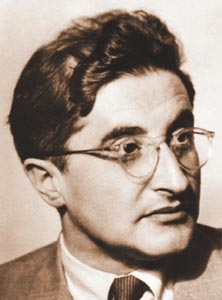
a memorial symposium in honour of the Czech physicist George Placzek, who was born on 26 September 1905 and died on 9 October 1955, soon after his 50th birthday. Placzek was an outstanding scientist who made substantial contributions to the fields of molecular physics, scattering of light from liquids and gases, the theory of the atomic nucleus and the interaction of neutrons with condensed matter. He belongs among the important physicists of the 20th century, setting an example not only through his discoveries, but also by the stimulating style of his scientific work.
George Placzek was born in Brno, Moravia, in what is now the Czech Republic but which in 1905 was part of Austro-Hungary. The oldest son of Alfred and Marianne Placzek, he spent his childhood in Brno and in Alexovice, where the family owned a textile factory, Skene & Co. He had a brother, Friedrich, one year younger and a sister, Edith, 12 years younger. The family was well integrated into the mixed Czech-German language environment around Brno. George studied in the Deutsches Staatsgymnasium in Brno between 1918 and 1924 and then went to the University of Vienna, with three semesters away in Charles University, Prague. He graduated in 1928, having defended his doctoral thesis, which dealt with the determination of density and shape of submicroscopic test bodies, with distinction.
Travels in Europe
In 1928, Placzek set off on several years of travel through the main scientific centres of Europe. This was usual for post-docs at the time, although Placzek later markedly avoided countries in which Adolf Hitler was increasingly encroaching upon civil liberties and human rights. He spent three years with Hendrik Kramers in Utrecht, followed in 1930-31 by a short time with Peter Debye and Werner Heisenberg in Leipzig. He then joined a group of young physicists led by Enrico Fermi in Rome, where Edoardo Amaldi became his closest colleague. Then, in 1932, Placzek joined Niels Bohr in Copenhagen where he remained until 1938, with periods of research fellowships or visiting professorships at the universities of Kharkov, Jerusalem, Paris and elsewhere.
Placzek’s first scientific interest was in the scattering of light from molecules and the Raman effect. With Lev Landau, he investigated the fine structure of a monochromatic wave in liquids and gases, and together they derived the Landau-Placzek formula for the ratio of intensities of Brillouin and Rayleigh scattering of light. Then in the early 1930s, the scattering of slow neutrons in matter became topical and Placzek was attracted to this problem, first in Rome and later in Copenhagen, where at Bohr’s suggestion he and Otto Frisch studied the capture of slow neutrons.
Placzek’s work in Copenhagen made him a leading authority on neutron scattering and absorption in matter. In a series of experiments, Placzek and Frisch discovered that the absorption of neutrons depends strongly on the atomic mass of the material and the velocity of the neutrons, while for slow neutrons and light elements the neutron-capture cross-section is inversely proportional to the velocity. He also worked with Hans Bethe on a theory of neutron absorption resonances, deriving important laws and selection rules, and publishing a seminal paper on resonance reactions in 1937. Papers published later by Placzek with Bohr and Rudolf Peierls dealt with the general theory of nuclear reactions and rank among the classics. For example, the well-known optical theorem, connecting the imaginary part of a scattering amplitude with the total cross-section, bears the names of Bohr, Peierls and Placzek. Using the optical theorem and Bohr’s drop model of the nucleus, the trio developed a fundamental theory of neutron-induced nuclear reactions.
Hitler’s preparations for a systematic occupation of all countries bordering Germany endangered some members of Bohr’s international team, including Placzek. The Anschluss of Austria in the spring of 1938 and the seizing of a large region from Czechoslovakia through the Munich treaty in September of that year left no-one in the dark. Bohr decided to move part of his Copenhagen Institute to the other side of the Atlantic. Placzek left Copenhagen for the US in January 1939 and in Princeton, at the beginning of February, he met Bohr, who had been waiting for him impatiently.
Across the Atlantic
Placzek’s first encounter with Bohr on the other side of the Atlantic provides an interesting illustration of their personal relationship and scientific collaboration. While sources (e.g. Moore 1966, Wheeler and Ford 2000) do not agree exactly on what was discussed during breakfast on 3 February 1939, they do seem to have the same opinion on the following. Bohr found Placzek – “the institute’s always stimulating Bohemian” – sitting with Leon Rosenfeld. Their discussion focused on some exciting news from Europe. First, Frisch and Lise Meitner had recently suggested that most of the transuranic elements were produced by a new type of nuclear reaction – the capture of neutrons from uranium fission. Second, Placzek had suggested to Frisch in Copenhagen how he might confirm the existence of fission in a straightforward way, which Frisch promptly did on 13 January 1939.
Bohr, listening attentively, looked up with a big smile: “For one good thing, we’re free of transuranic elements.” Placzek, the sceptic, 20 years younger than Bohr, commented: “Yes, but now you’re in a worse mess. How can you reconcile it with your view of nuclear reactions?”. How, he asked, was Bohr going to explain why slow rather than fast neutrons should cause uranium to fission? Why should slow neutrons induce a modest fissioning in uranium, but be captured in thorium?
Bohr suddenly went pale, took Rosenfeld and set off across the campus to his office. He went to the blackboard and worked rapidly, making some rough sketches. In about ten minutes he stopped; he had the answer to the problem posed by Placzek, related to the fissioning of the nuclei. The fission cross-section for slow neutrons must be due to the small amount of the isotope uranium-235, the cross-section increasing as the wavelength of the neutrons increases with decreasing energy.
From 1939 to 1942 Placzek was professor at Cornell University, Ithaca. Later he went to Montreal and Los Alamos, where he contributed to solving problems related to the moderation of neutrons in matter. He was apparently the only citizen of Czechoslovakia to take part in the Manhattan Project, being head of the Theory Group in Chalk River near Montreal, and then in Los Alamos from May 1945. Later he worked for some time in the General Electric Company in Schenectady and in 1948, he obtained a permanent position at the Institute for Advanced Study in Princeton.
In the last years of his life, Placzek went into more depth with his analysis of the elastic and inelastic scattering of light particles in liquids and crystals, aimed at investigating the physical properties of these media. Albert Messiah and Léon Van Hove were among his collaborators and friends in this period (Van Hove 1956, Messiah 1991). During this time, he also visited Europe to lecture on the moderation and diffusion of neutrons and in 1954, the book Introduction to the Theory of Neutron Diffusion, by K M Case, F de Hoffmann and Placzek appeared, based on a lecture course Placzek gave in Santa Monica and Los Angeles in the summer of 1949. In autumn 1955, Placzek died in Zurich while he was planning a several-month lecture tour through Italy for the academic year 1955-56.
During his scientific career, Placzek provided a quantum formulation of Raman light scattering, developed the ideas of molecular symmetry and its application in physics, and in collaboration with Bethe, Bohr and Peierls, contributed to the general theory of nuclear reactions. He systematically studied the behaviour of neutrons in nuclear reactions, neutron resonances, scattering and diffusion in matter, and the moderation and absorption of neutrons in crystals and liquids. He was among the first to suggest, independently of several others, that graphite might be used to moderate neutrons. Yet his name is not well known.
The importance of publication
Those who knew Placzek personally agree that his discoveries and results in physics, rich and important as they were, were not sufficiently published; only a small portion of his results appeared in print. As Van Hove points out, Landau’s and Placzek’s classic results on the scattering of a monochromatic wave in liquids were published in an incomplete form, and were only later discussed in more detail by Jacov Frenkel in his Kinetic Theory of Liquids. The same holds for the results on the general theory of nuclear reactions obtained by Bohr, Peierls and Placzek. Amaldi wrote about Placzek in 1956: “The redaction of an article represented an immense effort for him; even important results of his, which he had formulated clearly and in definite form, often remained unpublished.”
He was noted for strict moral principles and a great sense of tolerance
Edoardo Amaldi
This trait of Placzek’s corresponded to his desire always to deepen his analyses of the phenomena he studied. Moreover, many of his original ideas are implicitly contained in other papers. As an unmerciful critic, Placzek often served as the scientific conscience for his colleagues, stimulating their invention, criticizing their work and forcing them to formulate their scientific ideas clearly. He had a number of characteristics that made him a welcome collaborator and team member: a highly developed critical sense, an ability to understand new problems quickly and to confront them with relevant facts, an unselfish willingness to offer advice and, last but not least, a generous disinterest in participating in the result.
These attributes, as Amaldi explains, reflected Placzek’s character. He excelled in general erudition and in a culture anchored in fundamental ideas. He easily learned foreign languages and felt great affection for small nations. He was noted for strict moral principles and a great sense of tolerance.
What little remains
Despite Placzek’s long collaboration with Bohr there are only a few photographs and letters in the Niels Bohr Archive in Copenhagen. One possible explanation is that, before moving to America, Bohr obliterated all traces that could help the Nazis pursue the families of those who had fled from occupied countries. In Placzek’s fatherland, by the end of 2004, only a few documents had been found: a note in the register of births (containing the names of his parents and grandparents, the godfathers, the rabbi and the midwife), the regular notes of his studies in the Staatsgymnasium high school, and the distasteful entries in the book of the right of domicile. Placzek’s parents and his sister died in concentration camps during the Second World War, while his brother died eight days after the Nazis’ invasion of Czechoslovakia in March 1939. Recently, however, in connection with the double anniversary of Placzek’s birth and death, many interesting documents have been found about his relatives and the history of the whole family in Moravia and North America (Gottvald 2005). These will be presented at the symposium.
<textbreak=Acknowledgements>
The author is greatly indebted to Ugo Amaldi, Giuseppe Cocconi, Torleif Ericson, Ales Gottvald, André Martin, Michelle Mazerand, Jack Steinberger, Valentin Telegdi and Jenny Van Hove for providing valuable information relating to George Placzek.
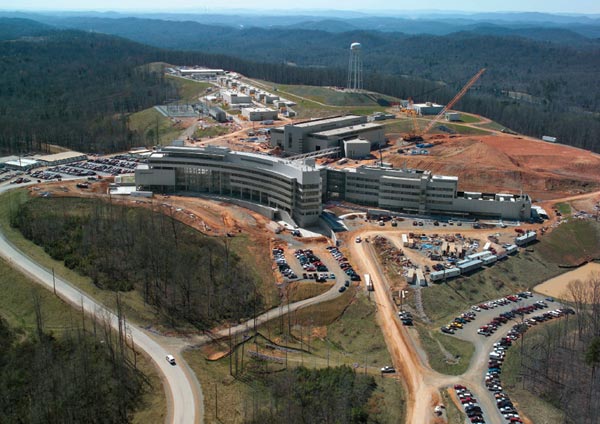
The 2005 Particle Accelerator Conference (PAC05) took place on 16-20 May, at the Knoxville Convention Center in Knoxville, Tennessee. The conference was jointly hosted by the Oak Ridge National Laboratory Spallation Neutron Source (SNS) – the largest accelerator construction project in the US – and the Thomas Jefferson National Accelerator Facility (JLab), Newport News, Virginia. As usual, the conference covered new developments in all aspects of the science, technology and use of particle accelerators. Unique to PAC05, however, was the special theme of the World Year of Physics, as declared by the United Nations in honour of the centenary of Albert Einstein’s annus mirabilis, when he published his three papers on light quanta, Brownian motion and the special theory of relativity. These discoveries had a remarkable impact on science which continues to this day.
With its exciting programme, the conference attracted more than 1400 accelerator specialists to Knoxville during the week, making it the second largest PAC ever. Geographically, 59% of the attendees were from the US, 25% from Europe, 15% from Asia and 1% from the Middle East, South America and as far away as Australia. Nearly 1400 papers were processed during the conference and will soon be published on the Joint Accelerator Conferences Website, located at www.JACoW.org.
Accelerators present and future
Phil Bredesen, governor of Tennessee and a physicist with a background in accelerators from his student years, welcomed delegates to the conference. The governor talked about the significance of science as a driver of economy and wealth, as well as the importance of continuously supporting education. He was followed by Cecilia Jarlskog from Lund, whose colourful presentation included information about Einstein, the Nobel prize and accelerators. Barry Barish, chair of the International Technology Recommendation Panel for the proposed International Linear Collider (ILC), then explained the technology choice made last year for the machine and outlined his role as the new director of the ILC Global Design Effort to design the accelerator while involving all regions of the world.
The Monday morning plenary session included highlights from other accelerators, such as the luminosity records of the Tevatron at Fermilab, achieving more than 1 × 1032 cm-2 s-1; the outstanding performance of Brookhaven’s Relativistic Heavy Ion Collider, with its polarized beams; and the race between the B-factories (KEKB in Japan and PEP II at SLAC in the US). The closing plenary session on Friday afternoon included talks on nuclear-physics topics such as the Rare Isotope Accelerator proposed in the US and the Facility of Antiproton and Ion Research (FAIR) project at GSI, as well as accelerator-based materials-science research, and neutrino and high-energy physics. The talks focused on projects that have paved the way for the accelerators that need to be built to address today’s pressing questions in all areas of science, and they demonstrated yet again how accelerators have become crucial research tools over the past 50 years.
Synchrotron light sources of all sizes and flavours once again dominated the papers presented at the conference, demonstrating how quickly the field is still growing, especially in energy-recovery linacs and short-pulse coherent light sources, i.e. X-ray free-electron lasers (FELs) including the use of self-amplification of spontaneous emission (SASE). Sixteen oral presentations and more than 100 papers were presented on these facilities alone. Vibrant research and planning for new projects are ongoing, with the Linac Coherent Light Source under construction at SLAC and the EUROFEL moving from planning to construction at DESY, as well as the Spring-8 Compact SASE Source in Japan.
Einstein was ever-present throughout PAC05, with the conference website incorporating an Einstein quotation on every page, and several special activities during the week. These events began with a violin and piano concert by Jack Liebeck and Inon Barnatan on the Tuesday evening, which recognized Einstein’s love of the violin and was introduced by Brian Foster from Oxford University. Then on Wednesday afternoon, the US, Asian and European PAC series joined forces in a special session, “Einstein and the World Year of Physics”, organized by Swapan Chattopadhyay from JLab. The session was chaired by Bill Madia of Battelle and included four presentations relating present-day research to Einstein’s legacy, by Michael Turner from the National Science Foundation (NSF), Makoto Kobayashi of KEK, Yoichiro Suzuki of Tokyo and Carlo Rubbia from ENEA/CERN.
Einstein in the City
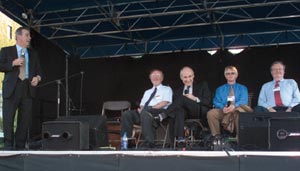
To draw the public’s attention to the World Year of Physics, an “Einstein in the City” festival followed the session. Organized with the City of Knoxville, the festival drew conference participants and several hundred others to the World’s Fair Park, outside the convention centre. Part of the festival was a science fair for local high-school students, with cash prizes of between $200 and $5000 awarded to projects judged by a team of conference participants. A special panel of four physicists, moderated by Madia, answered science-related questions from the public for about an hour. Questions covered everything from “Why is science useful?” to “How many stars are in the universe?” to “What does an accelerator do?”. Other activities included an appearance by “Einstein the Bird” – a talking parrot from the local zoo – and bluegrass music from a local band, as well as plenty of good food and drink.
Another highlight of the conference was the now customary prize session, in which the winners of several accelerator prizes are recognized and have the opportunity to report on their research. The session chair, Nan Phinney of SLAC, congratulated recipients individually and presented some of the awards. Among them was Keith Symon of the University of Wisconsin-Madison, winner of the American Physical Society’s prestigious Robert R Wilson Prize “for fundamental contributions to accelerator science, including the FFAG concept and the invention of the RF phase-manipulation technique that was essential to the success of the ISR and all subsequent hadron colliders”. The other APS prize was for an outstanding doctoral thesis by Eduard Pozdeyev from JLab, who performed his doctoral work at Michigan State University. Ron Davidson of Princeton and Tom Roser of Brookhaven National Lab were awarded the Particle Accelerator Science and Technology Award from the Nuclear and Plasma Science Society of the Institute of Electrical and Electronics Engineers. Wim Leemans of the Lawrence Berkeley National Laboratory (LBNL) and Anton Piwinski of DESY were presented with the US Particle Accelerator School Prize for Achievement in Accelerator Physics and Technology.
While PAC05 ended officially on Friday afternoon, about 400 participants extended their stay by a day to visit the SNS site at Oak Ridge. The SNS is entering its last year before the first beam is scheduled to hit the mercury target and the first neutrons channelled to instruments. So far the beam has been commissioned to the end of the normal conducting linac, up to 157 MeV, and soon the superconducting linac will be turned on to boost the energy to 1 GeV. Later this year the compressor will be commissioned in preparation for user operation, to begin next summer. Tour participants were therefore among the last people to get a glimpse of what has been going on at the site over the past five years, before much of the facility is closed to visitors.
In the 50 years since Owen Chamberlain, Emilio Segrè, Clyde Wiegand and Tom Ypsilantis discovered the antiproton in October 1955, an extremely diverse range of research topics has developed that involve antiproton beams with kinetic energies of order kilo-electron-volts or less. This was the subject of the Workshop on Physics with Ultra Slow Antiproton Beams, held 14-16 March 2005 at RIKEN, Japan.
The workshop was motivated by the recent progress in manipulating large numbers of ultra-slow antiprotons that has been made by the antihydrogen and antiprotonic-helium collaborations working at CERN’s Antiproton Decelerator (AD). The latest of these developments was in summer 2004. That was when the Monoenergetic Ultra-Slow Antiproton Source for High-Precision Investigations (MUSASHI) group of the ASACUSA collaboration first slowed the 5.3 MeV pulsed AD beam in a radio-frequency quadrupole decelerator (RFQD) to some tens of kilo-electron-volts, then confined and cooled more than 1 million antiprotons in a large multi-ring Penning trap. The trapping efficiency of about 4% is approximately 100 times higher than any previously achieved. The group also succeeded in extracting antiprotons from the trap as an ultra-slow DC beam of 10-500 eV. The fact that this unique beam can, in principle, be transported for some distance without serious loss makes beam sharing for a variety of experiments a real possibility.
Although the workshop was announced only two months beforehand, it attracted some 70 participants from all the related fields, and covered subjects ranging from fundamental questions about charge-parity-time-reversal (CPT) symmetry and gravitation, to the structure of exotic nuclei, atomic collisions and atomic physics. This report relates just a few of these topics; a full account will soon be published in the Proceedings series of the American Institute of Physics.
The early days of antiproton research were reviewed by John Eades of the University of Tokyo. Eades turned back the pages of scientific history in a talk entitled “The Antiproton and How It Was Discovered”, quoting the thoughts and opinions of some of the main participants, made both at the time and in retrospect. He underlined the initial doubts and inconsistencies that surrounded Paul Dirac’s relativistic-wave equation of 1930, and its final triumph as the positron, antiproton and other antiparticles were discovered.
Klaus Jungmann of the Kernfysisch Versneller Instituut (KVI), Groningen, gave a comprehensive overview of the current status of low-energy antiprotons and other exotic particles, and the experimental opportunities they offer as windows on fundamental forces and symmetries in nature. On the theoretical side, Ralf Lehnert of Vanderbilt University pointed to the large gap that will remain in our understanding of nature at the smallest scales until a consistent quantum theory is developed that underlies both the Standard Model and general relativity. He discussed the so-called Standard Model Extension (SME) as a theoretical framework that may bridge this gap, and which incorporates all Lorentz- and CPT-violating corrections compatible with key principles of physics . The SME predicts diurnal variations in spectroscopic measurements of matter and antimatter atoms, and could therefore be a guiding principle in designing future antihydrogen experiments.
Antihydrogen atoms and antihydrogen ions
The past three years have seen important progress by both the ATHENA and the Antihydrogen Trap (ATRAP) collaborations in synthesizing and experimenting with antihydrogen atoms at the AD. Some of the main results concern the accumulation of large numbers of positrons and antiprotons in “nested” Penning traps of various geometrical designs, leading to the observation of high formation rates for antihydrogen atoms. An unexpected consequence is that these antihydrogen atoms seem to be created before their constituent antiprotons have been fully cooled, with the result that they are themselves too hot to be easily stored and manipulated with existing techniques. Moreover, they are primarily formed in highly excited Rydberg states, while it is the ground and first-excited states that are of most interest for testing CPT invariance.
These obstacles to preparing usable antihydrogen atoms for physics experiments demand new ideas in trap design, going beyond the configuration of the nested electrostatic potential well used so far. Thus, Jeff Hangst of Aarhus described the present status of the high-field-gradient magnetic multipole trap proposed by the newly formed Antihydrogen Laser Physics Apparatus (ALPHA) collaboration; and Dieter Grzonka of Jülich reported on tests made on long-term electron storage in the ATRAP collaboration’s quadrupole magnet, which has a more moderate field gradient.
The storage of neutral atoms of antihydrogen requires the presence of magnetic field gradients to drive the so-called low-field-seeking atomic-spin states towards field minima, and will be essential to carry out high-precision antihydrogen spectroscopy. Since it appears that the atoms are produced in highly excited Rydberg states, they must be stored for long enough to allow them to relax to the ground state. Discussions at the workshop centred on various multipole and quadrupole trap designs that are likely to be useful in preparing such ground-state antihydrogen atoms.
Further new designs involve the so-called “cusp trap”, consisting of a potential well formed by two oppositely directed Helmholtz-coil fields, and a high-Q RF trap resonating at two frequencies, which can store positively and negatively charged particles simultaneously.
Ryugo Hayano of the University of Tokyo summarized both the present status of precision spectroscopy of antiprotonic helium and the development of the two-frequency RF trap for antihydrogen synthesis. In the latter, positrons and antiprotons may recombine within a volume of around 1 mm3, and thus form a source for an antihydrogen atomic beam. Sextupole magnets installed in such a beam could select and analyse specific antihydrogen spin alignments to measure the hyperfine structure of the antihydrogen ground state, much as was done with ordinary hydrogen atoms several decades ago.
Because of their larger mass, muons probe CPT-violation effects at a distance 200 time closer to the antiproton nucleus than positrons and electrons do.
Akihiro Mohri of RIKEN, Japan, showed that stable long-term storage of an electron plasma has been achieved at finite temperature in a cusp trap and that this can also trap synthesized antihydrogen atoms in low-field-seeking states. When the temperature of antihydrogen atoms and the magnetic field of the cusp trap are properly set, antihydrogen atoms in the ground state are selectively guided and focused along the magnetic axis, enabling an intensity-enhanced spin-polarized antihydrogen beam to be prepared.
A new path towards gravitational experiments with antihydrogen was proposed by Patrice Perez of CEA/Saclay, who discussed synthesis of antihydrogen ions (Hbar+). These could be formed via two-step reactions (pbar →Hbar →Hbar +) when a 13 keV antiproton beam passes through a dense cloud of positronium atoms. The resulting Hbar+ ions would then be trapped, sympathetically cooled with laser-cooled alkali-earth ions, and finally ionized to the neutral state by a laser-detachment process to create the ultra-cold Hbar atoms necessary for detecting the extremely weak gravitational interaction.
Kanetada Nagamine of KEK proposed studying muonic antihydrogen (μ+pbar), the antimatter equivalent of muonic hydrogen (μ–p), as an alternative to antihydrogen. The advantage of comparisons between μ–p and μ+pbar is that because of their larger mass, muons probe CPT-violation effects at a distance 200 times closer to the antiproton nucleus than positrons and electrons do.
Further studies
Collision dynamics with antiprotons is also a potentially important subject, in which the antiproton behaves like a heavy electron. Although the Coulomb force is understood, its collision dynamics are not well known when more than three particles are involved. A familiar, puzzling example is the double ionization of helium by fast antiprotons, the cross-section for which is about twice as large as that for protons having the same velocity. Almost 20 years have passed since this observation, but it is not yet fully understood theoretically. This contrasts with the case of bound systems such as antiprotonic helium (pbarHe++), where the observed transition levels have been theoretically accounted for at the level of one part per billion.
Joachim Ullrich of the Max Planck Institute, Heidelberg, discussed the importance of studying collision dynamics with antiproton energies in the range of 100 keV for which the time required to traverse atoms or molecules is of the order of 100 attoseconds (as). Since this is comparable to the orbital period of outer-shell electrons in atoms or molecules, crucial information on collision dynamics involving electron-electron correlation can be extracted.
Antiprotonic atoms have long been used to probe neutron density distributions in stable nuclei through studies of antiprotonic X-ray spectra, radiochemistry of the residual nuclei, and the charged pions emitted when the antiprotons annihilate. An antiproton captured in an electronic orbit de-excites to successively lower atomic levels until its overlap with the nucleus becomes appreciable. At this point annihilation takes place with a proton or a neutron near the “surface” of the nucleus (atomic number A), the actual charge state being identifiable from the charge balance of emerging pions; a nucleus of atomic number A-1 results.
Michiharu Wada of RIKEN proposed extending the pion-detection method by storing antiprotons and unstable nuclei in a nested trap. The charge-balance method can be applied to various nuclei including those for which the A-1 nuclei have no bound states. Slawomir Wycech of the Soltan Institute, Warsaw, emphasized that all these measurements test neutron density distributions in different regions of nuclei and yield complementary information on the rms and higher moments of density profiles as low as 0.001 of the central neutron density.
Looking to future antiproton facilities Paul Kienle of the Technischen Universität München discussed the possibility of an antiproton-ion collider at GSI’s Facility for Antiproton and Ion Research (FAIR), with energies of 30 MeV and 740 AMeV for protons and ions respectively. Cross-sections for antiproton absorption on protons and neutrons would be measured by detecting residual nuclei with A-1, using Schottky and recoil detectors respectively. This would permit rms radii for protons and neutrons to be determined separately in stable and short-lived nuclei by means of antiproton absorption at medium energies. A general discussion around the subject of ultra-slow antiproton physics ended this extremely fruitful workshop.
The biennial International Conference on Low Energy Antiproton Physics, LEAP-05, took place in May at the Gustav-Stresemann-Institute in Bonn. Organized by the Jülich Research Centre, it brought together about 150 physicists, including experienced and active users of the former Low Energy Antiproton Ring (LEAR) at CERN and the existing Antiproton Decelerator (AD), as well as potential users of the future Facility of Antiproton and Ion Research (FAIR) at the Gesellschaft für Schwerionenforschung (GSI). The meeting enabled researchers who are interested in using the exciting tool of antiprotons to exchange knowledge about the physics and techniques. The programme covered the whole field of research with antiprotons, from atomic physics at low energies to hadronic reactions at high energies. The conference showed that the field is evolving, with new physics being studied at existing and planned facilities.
The AD began operating in 2000 and its experiments have reported spectacular production rates of antihydrogen atoms as well as topical observations of antiprotonic helium atoms. Though limited to low-energy antiproton research with only a pulsed extracted beam, the AD is regarded as the successor of LEAR after it closed down at the end of 1996, together with the Antiproton Accumulator (AA) and Antiproton Collector (AC). The AC machine was modified to become the AD – a decelerator to slow down the antiproton beam from a momentum of 3.57 GeV/c to 100 MeV/c. During deceleration, the beam undergoes stochastic and electron cooling. The extracted beam intensity is about 3 × 10⁷ antiprotons in a pulse of 90 ns, repeated every 86 s.
The AD delivers antiprotons only at the lowest energy that was available at LEAR, i.e. 5 MeV. For one experiment – ASACUSA – the antiproton beam is further slowed down to about 60 keV with a radio-frequency quadrupole decelerator (RFQD). A possible additional decelerator ring, ELENA, to serve all experiments, would have a cooled beam and would bring a major improvement if installed.
Plans are being realized for a new antiproton facility at GSI, where antiprotons with energy high enough for physics with strange and, especially, charm mesons will be available, in addition to very-low-energy antiprotons. An accelerator complex for research with both ion and antiproton beams is planned. This would provide an outstanding new experimental facility for studying matter at the level of atoms, protons and neutrons and their sub-nuclear constituents: quarks and gluons.
Research on fundamental symmetries was a very important part of the scientific programme at LEAP-05. Over the past 50 years, experimental tests have made physicists discard certain assumptions about symmetry: first, that physics is invariant under parity (P); and second, that it is invariant under the charge-parity (CP) transformation. Direct CP violation has been established in the decays of K-mesons and, recently, B-mesons. On the other hand, CP plus time-reversal (T) invariance, CPT, is believed to hold – and is partly experimentally verified – to a high degree of accuracy.
The symmetries under T, CP and CPT transformations are connected, and the CPT theorem demands that for each particle or element the equivalent antiparticle has the same mass, lifetime, spin and isospin – but an opposite value for all of the additive quantum numbers. The proof (or disproof) of the validity of this basic symmetry may be the key to such fundamental aspects as the universe’s matter-antimatter asymmetry. Physics is still in a phase where it is important to accumulate highly precise experimental data from different leptonic and/or hadronic systems. In this respect, the role of matter-antimatter asymmetry – especially baryonic proton-antiproton physics – is significant.
Probing how antiprotons interact with matter at very low energies is still a topical field for precise studies of the electromagnetic and strong forces and their interplay. High-precision spectroscopy of meta-stable antiprotonic atoms has produced very interesting and unique results. With the accuracy achieved in investigations of antiprotonic helium atoms, the CPT theorem can be tested to a level comparable to the existing bounds from other systems.
An alternative approach is the production and comparison of hydrogen and antihydrogen. A reasonable requirement for a new and unique CPT test of this kind is that it is eventually more stringent than existing tests with leptons and baryons. To make the required high-precision spectroscopic measurements, the hydrogen and antihydrogen atoms have to be at such low temperatures that laser cooling of trapped atoms, which is possible owing to the development of a continuous Lyman-alpha laser, appears to be necessary. Once all the basic technical requirements to produce antihydrogen atoms have been explored and optimized, tests of the gravitational force on antimatter will also be possible, free from the problems associated with charged particles.
When describing the nucleon-antinucleon (N-Nbar) interaction, it is implicitly assumed that the six-quark N-Nbar system can be regarded as a product of quark-antiquark nucleon wave functions with a complex potential that is dominated by the distance between the nucleons. Such a potential predicts a spectrum of many states, if the annihilation part is ignored. There is a rich dynamics of resonances or bound states around thresholds, where the annihilation effects are less dominant, since the phase space for the decay into meson resonances is more restricted. However, the transition from an N-Nbar system to a multiquark state, where quarks and antiquarks interact directly by gluon exchange, must be fully understood before invoking exotic mechanisms based on details of the interaction. New dedicated experiments could determine the energy and the quantum numbers of an N-Nbar system, clarifying the long-range interaction.
Probing the strong interaction
Antiproton beams are an excellent tool for addressing the regime of strong coupling. In antiproton-proton annihilations, particles with gluonic degrees of freedom as well as particle-antiparticle pairs are copiously produced, allowing spectroscopic studies with unprecedented statistics and precision. Phenomena arise that represent open problems in quantum chromodynamics (QCD) as they have their origin in the specific properties of the strong interaction and represent a major intellectual challenge. Quarks are confined within hadrons; the hadron mass does not balance with the summed mass of the quarks contained; and the characteristic self-interaction among gluons should allow for the existence of glue-balls and hybrids, consisting mainly of gluons and/or glue plus a quark-antiquark pair, respectively.
The charmonium system has turned out to be a powerful tool for understanding the strong interaction. The spectroscopy of the charm-anticharm system helped in tuning potential models of mesons in which the gluon condensate is determined. The gluon condensate is closely related to the charmonium masses since it is the gluon and quark-antiquark condensates that represent the energy density of the QCD vacuum. The QCD spectrum is much richer than in the simple quark model, as the gluons, which mediate the strong force between quarks, can also act as the principle components of entirely new types of hadronic matter: glueballs and hybrids.
The additional degrees of freedom carried by gluons allow glueballs and hybrids to have exotic quantum numbers that are forbidden for normal mesons and other fermion-antifermion systems. Such exotic systems can be identified by observing an overpopulation in the experimental meson spectrum, and by comparing their properties with predictions from models for lattice QCD considerations. Antiproton annihilation experiments have produced very promising results for gluonic hadrons.
A special session spiritedly discussed applications of antimatter, radiation and particle detection, covering well established medical treatments, diagnostic routines, plans for future developments and using nuclear physics to locate land-mines to reduce injuries, especially to children.
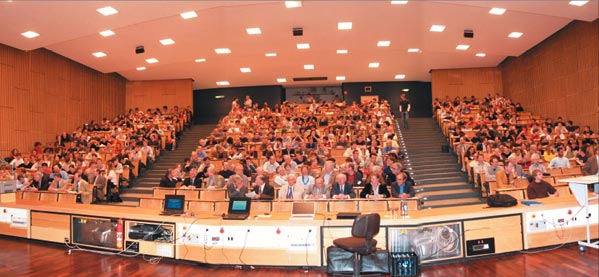
One highlight of the conference was a public presentation in the overcrowded Wolfgang Paul Lecture Hall at the University of Bonn, where more than 600 people listened to presentations on modern, high-quality physics and its excitements. At least some listeners were disappointed when these lectures stopped after four hours! The entire LEAP-05 was a brilliant preview of the physics to come from using antiprotons as a special and very effective tool.
• The conference was sponsored by Forschungszentrum Jülich; Deutsche Forschungsgemeinschaft; HiEnergy Technologies, Inc; Deutsche Telekom Stiftung; iseg Spezialelektronik GmbH; Bicron; W-IE-NER, Plein & Baus GmbH; and Pfeiffer Vacuum.
A team at the Advanced Light Source (ALS) of the Lawrence Berkeley National Laboratory (LBNL) has proposed the construction of a ring-based photon source optimized for generating coherent synchrotron radiation (CSR) at terahertz frequencies. The Coherent Infrared Center (CIRCE) will exploit all the CSR production mechanisms currently available for achieving top-level performance, including a photon flux exceeding by more than nine orders of magnitude that of existing conventional broadband terahertz sources.
Interest in the scientific use of radiation at terahertz frequencies is rapidly increasing: the fields that would benefit range from solid-state physics (semiconductors, metals, superconductors, strongly correlated materials, etc) through chemistry and biology to applications in medical science and security. However, a major problem is that generating radiation of significant intensity in this frequency range, which lies between microwaves and infrared, is not straightforward. Owing to the lack of sources, this region is often referred to as the “terahertz gap”, but storage-ring-based CSR sources are very promising candidates for addressing this situation.
CSR occurs when the synchrotron emission from the relativistic electrons in a beam bunch is in phase. This happens when the length of an electron bunch is comparable to, or shorter than, the wavelength of the radiation being emitted. At 1 THz, this is about 300 μm. In the coherent regime, the radiation intensity is proportional to the square of the number of particles per bunch, in contrast with the linear dependence of conventional incoherent synchrotron radiation. Considering that the number of electrons per bunch in a storage ring is typically very large (106-1011), the potential intensity gain for a CSR source is huge. However, achievable bunch lengths and the shielding effect of the conductive vacuum chamber in storage rings mean CSR can only be generated in the terahertz frequency range (from about 100 μm to a few millimetres).
Although CSR was predicted to occur in high-energy storage rings over half a century ago, it has only been observed in the past few years. Intense bursts of CSR with a stochastic character have been measured in the terahertz frequency range in storage rings at several synchrotron light sources. Work carried out by groups at the Stanford Linear Accelerator Center (SLAC), LBNL and the Berliner Elektronenspeicherring-Gesellschaft für Synchrotron Strahlung (BESSY) showed that this bursting emission of CSR is associated with a single bunch instability (G Shipakov et al. 2002, M Venturini et al. 2002, J M Byrd et al. 2002, M Abo-Bakr et al. 2003a). This “microbunching instability” (MBI) is driven by the fields of the synchrotron radiation emitted by the bunch itself. Although interesting in terms of accelerator physics, these bursts of CSR are not very useful as a terahertz source, because they are intrinsically unstable and stochastic.
However, CSR emission with remarkably different characteristics was observed at BESSY when the storage ring was tuned to a special mode for short bunches (M Abo-Bakr et al. 2002 and 2003b). The emitted radiation was not the quasi-random bursting previously observed but a powerful and stable flux of broadband CSR in the terahertz range – exactly what is required for a source that is useful for scientific experiments. The LBNL, SLAC and BESSY groups together drew up a model that reproduces the observations and can be used for designing a ring-based source optimized for generating stable terahertz CSR (F Sannibale et al. 2004a and 2004b).
Terahertz CSR in storage rings
An interesting feature of the CSR spectra measured at BESSY is that they extend to significantly shorter wavelengths than those expected from a Gaussian longitudinal distribution of the bunch. The model developed showed that the synchrotron radiation fields can potentially produce a stable distortion of the bunch distribution from Gaussian towards a sawtooth-like shape with a sharp leading edge. This was ultimately responsible for the observed extension of the CSR spectra towards shorter wavelengths in BESSY. We will refer to this configuration as the “ultra-stable” mode of operation.
Another development in CSR in storage rings, first demonstrated at the ALS and more recently at BESSY, was obtained by exploiting parasitically the “femtoslicing” technique used for producing femtosecond X-ray pulses. In the femtoslicing scheme, the co-propagation in a wiggler of a femtosecond optical laser pulse with a much longer electron bunch generates a modulation of the electron energy in a femtosecond slice of the bunch. When the bunch propagates in a dispersive region, the energy-modulated particles are transversely displaced. Properly masking the synchrotron radiation can remove the part emitted by the core of the bunch while allowing the transmission of the part emitted by the displaced electrons. In this way, femtosecond X-ray pulses are obtained.
At the same time, because of the longitudinal dispersion in the ring, the modulation in energy induces a density variation in the longitudinal distribution as the bunch propagates along the ring. The characteristic length of these longitudinal structures starts from tens of micrometres (a few tens of femtoseconds duration) immediately after the laser-beam interaction region in the wiggler. It quickly increases to the order of a millimetre, before finally disappearing in a few ring turns. These structures radiate intense CSR in the terahertz range with appealing characteristics: very short CSR pulses (of the same order as the laser pulse length), which extend the CSR spectrum towards shorter wavelengths (to about 10 μm or about 30 THz) than those in the ultra-stable mode; high energies per terahertz pulse (tens of micro-joules); and terahertz CSR pulses intrinsically synchronous with the femtosecond laser and X-ray pulses (allowing for a variety of pump-probe experiments and/or electro-optic sampling techniques). The main limitation is the relatively low repetition rate (a few kilohertz), which is imposed by present laser technology.
Designing CIRCE
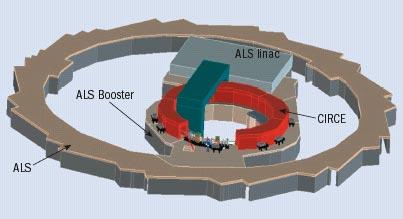
In designing the CIRCE ring, the team has provided for optimized versions of all the techniques for generating terahertz CSR as described. Figure 1 shows a 3D layout of the ring inside the ALS facility. The ring, 66 m in circumference and operating at 600 MeV, is designed to be located on top of the ALS Booster Ring shielding and will share the injector with the ALS Storage Ring.
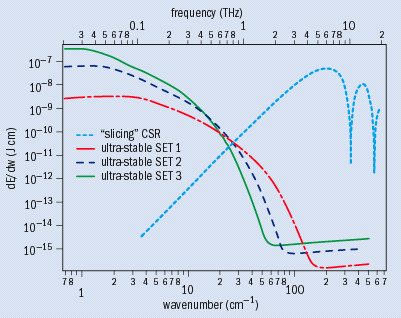
Figure 2 shows the impressive flux of CIRCE, calculated for three settings of the ultra-stable mode of operation. The gain of many orders of magnitude in the terahertz frequency range over the existing conventional source is clearly visible. Figure 3 shows how the femtoslicing mode complements the ultra-stable mode of operation in CIRCE. The calculated spectra for the two modes together cover the entire terahertz range from wavelengths of about 10 μm (30 THz) to about 10 mm (0.03 THz). The energy per terahertz pulse in the example used for the femtoslicing case is about 8.5 μJ, which when focused onto a sample would provide an electric field of about 106 V/cm. Current laser technology should allow repetition rates as high as 10-100 kHz.
The vacuum chambers in the dipole magnets and the first in-vacuum mirror have been designed for the efficient collection of terahertz synchrotron radiation. The design calls for three ports with 100 mrad horizontal by 140 mrad vertical acceptance for each of the 12 dipole magnets, giving a potential total of 36 dipole beam lines in CIRCE. The layout of the ring also includes six 3.5 m straight sections that can be used for insertion devices for possible future sources (as for the case of the wiggler in the femtoslicing scheme).
The CIRCE team has completed a detailed feasibility study that includes electron-beam linear and nonlinear dynamics studies, the design of all the magnets, the design of the special high-acceptance dipole vacuum chamber, and evaluating the compatibility of CIRCE with the ALS facility. Also, the team has experimentally investigated resonating modes that could be excited by the electron beam in the high-acceptance dipole vacuum chamber.
These modes, potentially dangerous for the electron-beam stability, have been measured and characterized by means of radio-frequency measurements in a prototype dipole chamber. No “show-stoppers” have been identified and CIRCE is part of the current five-year strategic plan for the ALS.
To provide the best experiences, we use technologies like cookies to store and/or access device information. Consenting to these technologies will allow us to process data such as browsing behavior or unique IDs on this site. Not consenting or withdrawing consent, may adversely affect certain features and functions.
Functional
Always active
The technical storage or access is strictly necessary for the legitimate purpose of enabling the use of a specific service explicitly requested by the subscriber or user, or for the sole purpose of carrying out the transmission of a communication over an electronic communications network.
Preferences
The technical storage or access is necessary for the legitimate purpose of storing preferences that are not requested by the subscriber or user.
Statistics
The technical storage or access that is used exclusively for statistical purposes.The technical storage or access that is used exclusively for anonymous statistical purposes. Without a subpoena, voluntary compliance on the part of your Internet Service Provider, or additional records from a third party, information stored or retrieved for this purpose alone cannot usually be used to identify you.
Marketing
The technical storage or access is required to create user profiles to send advertising, or to track the user on a website or across several websites for similar marketing purposes.